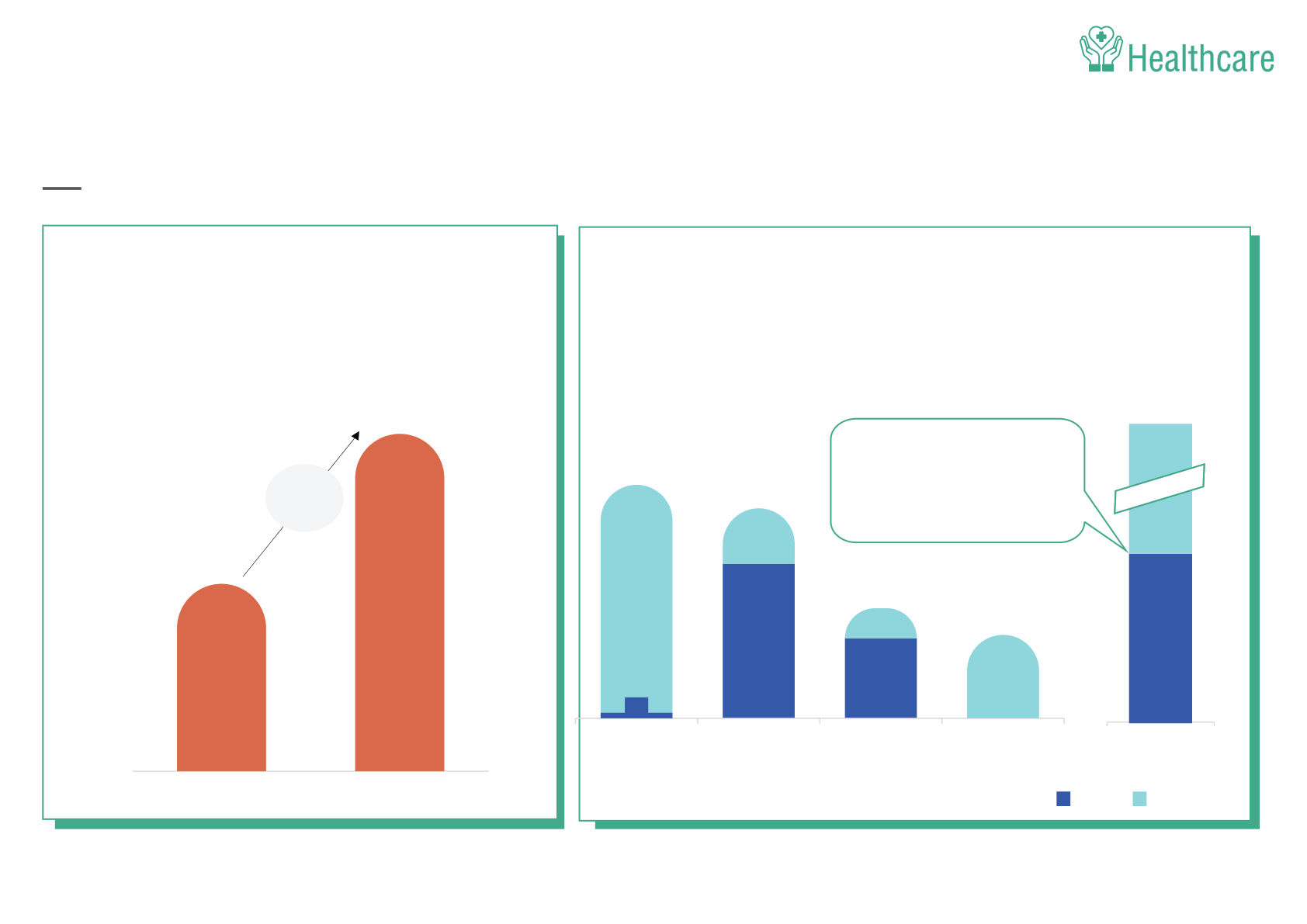
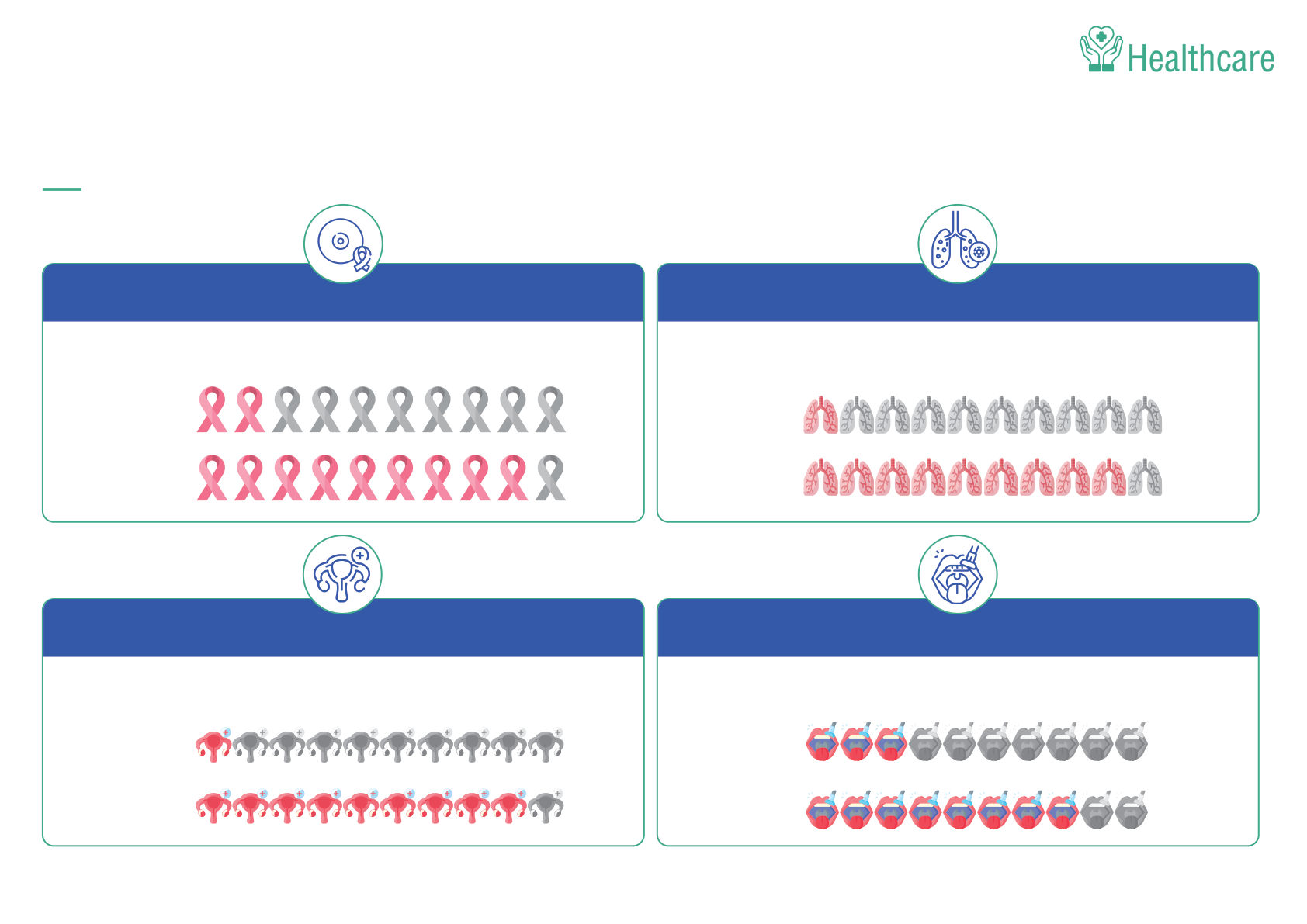
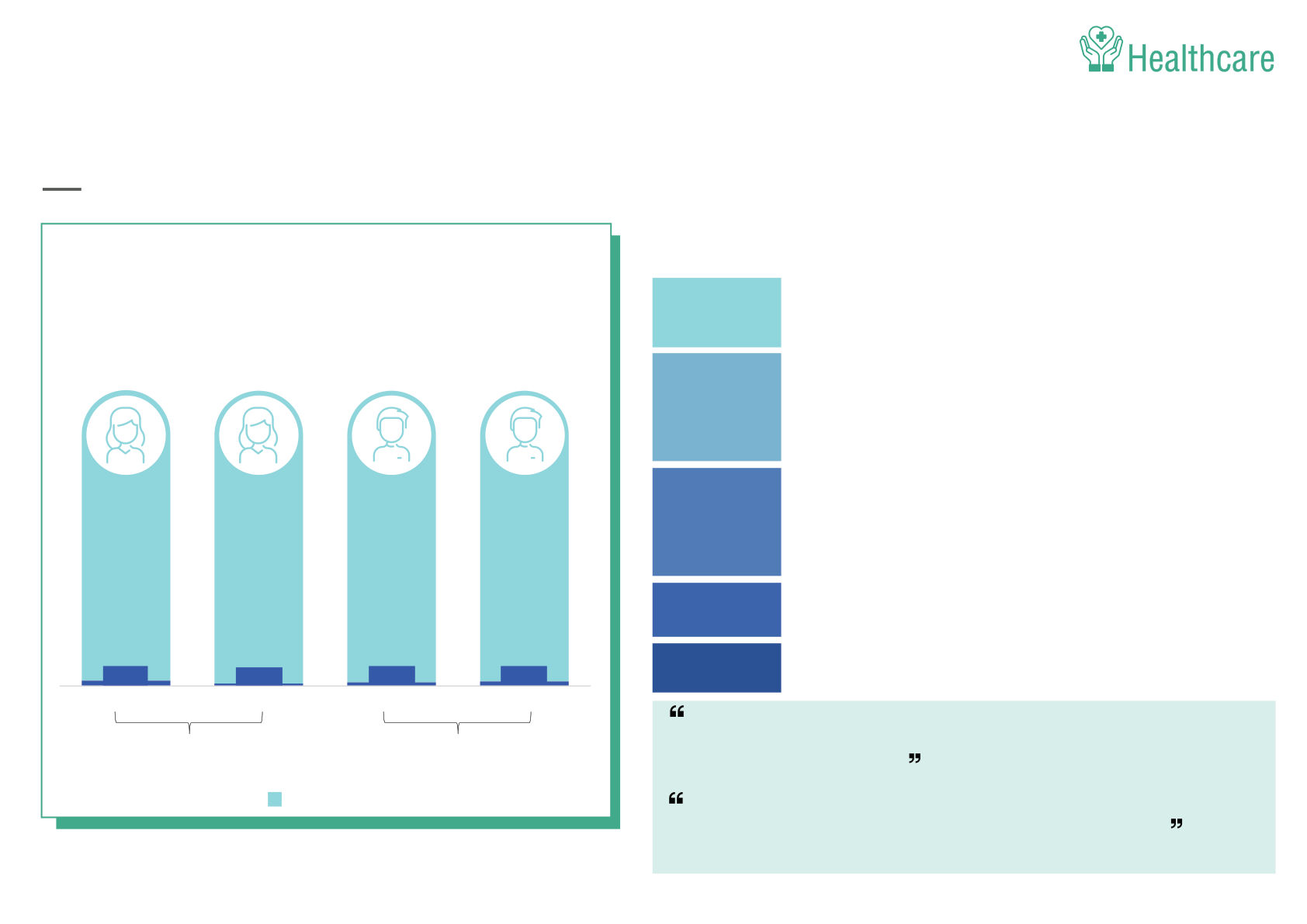
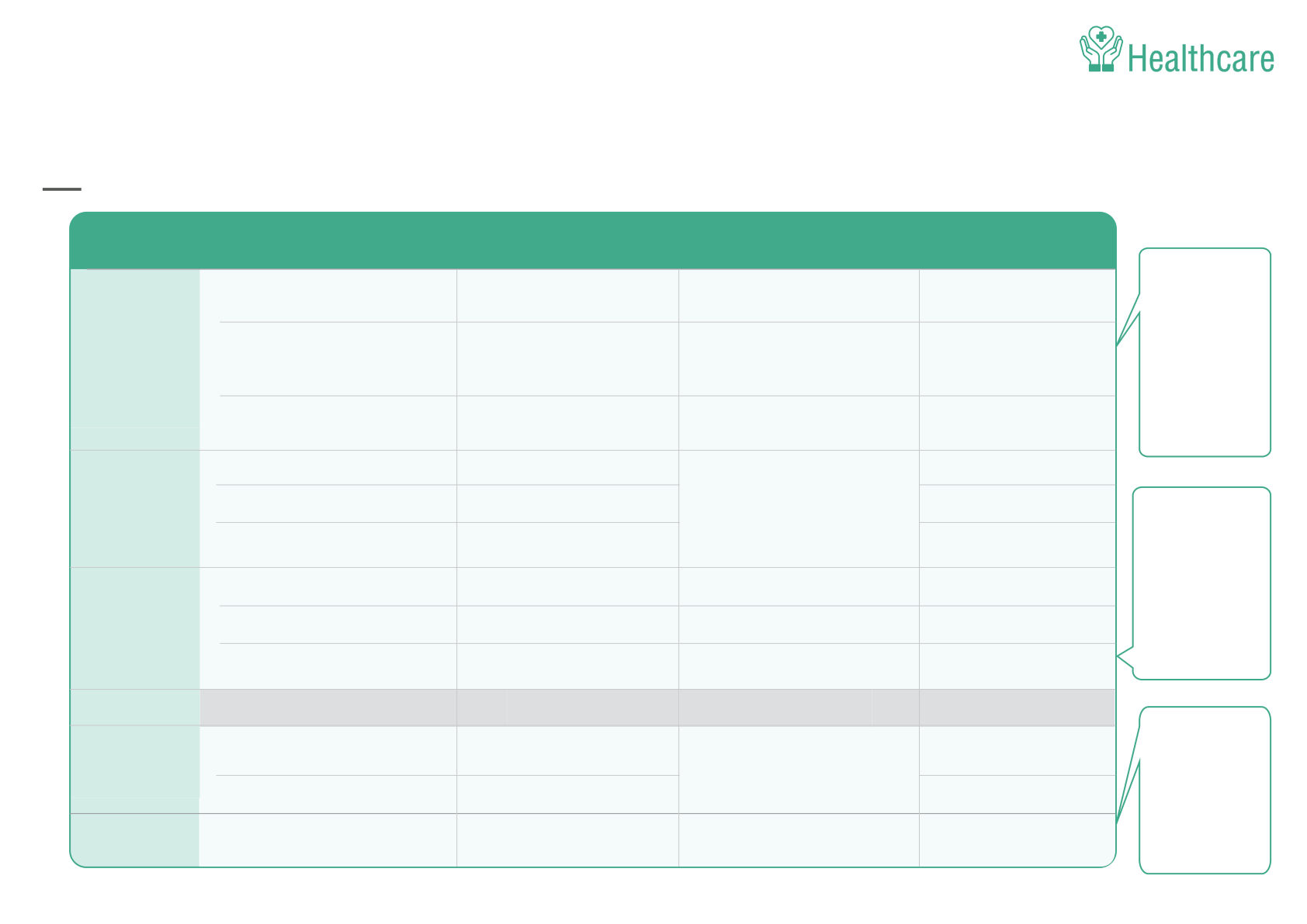
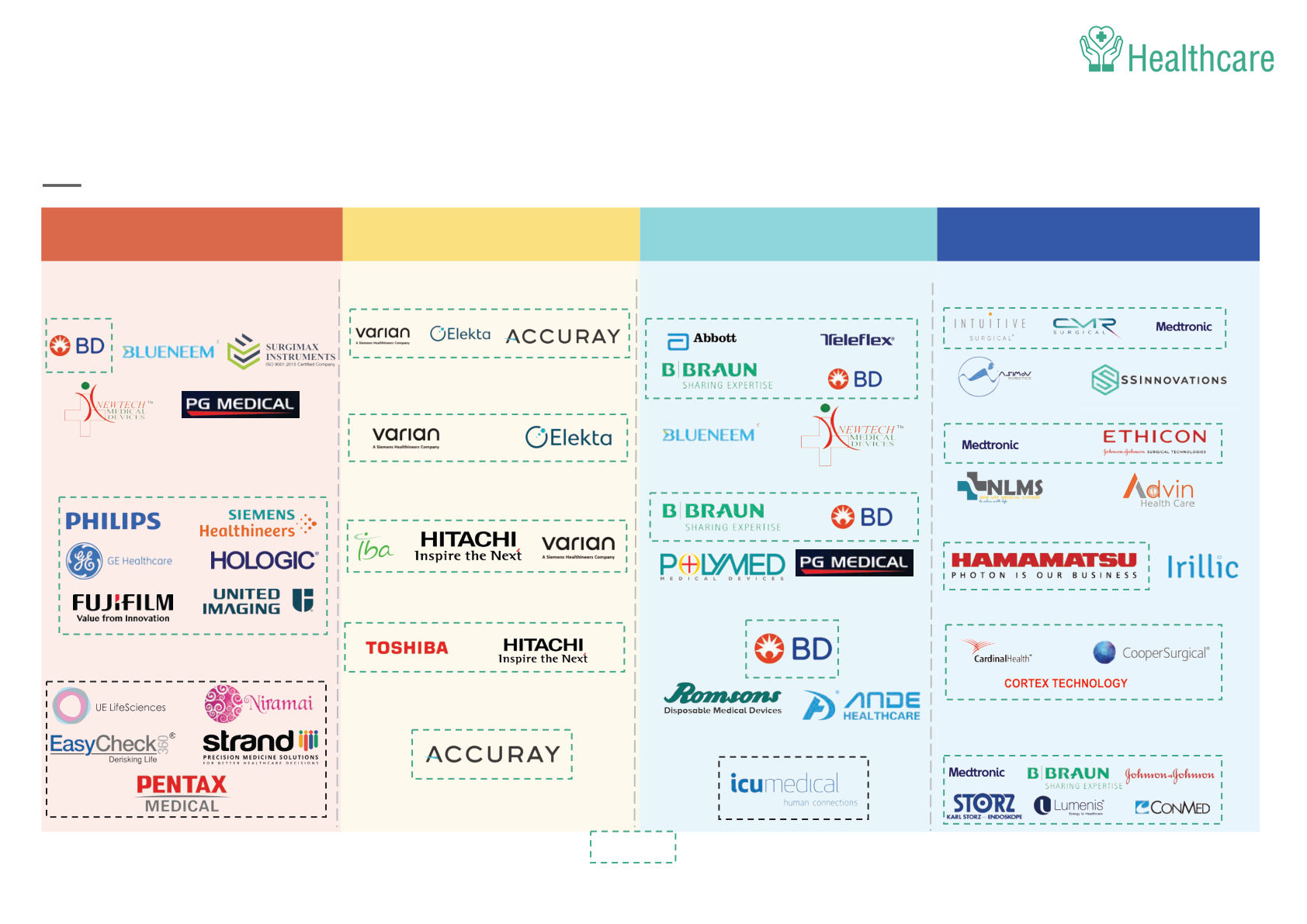
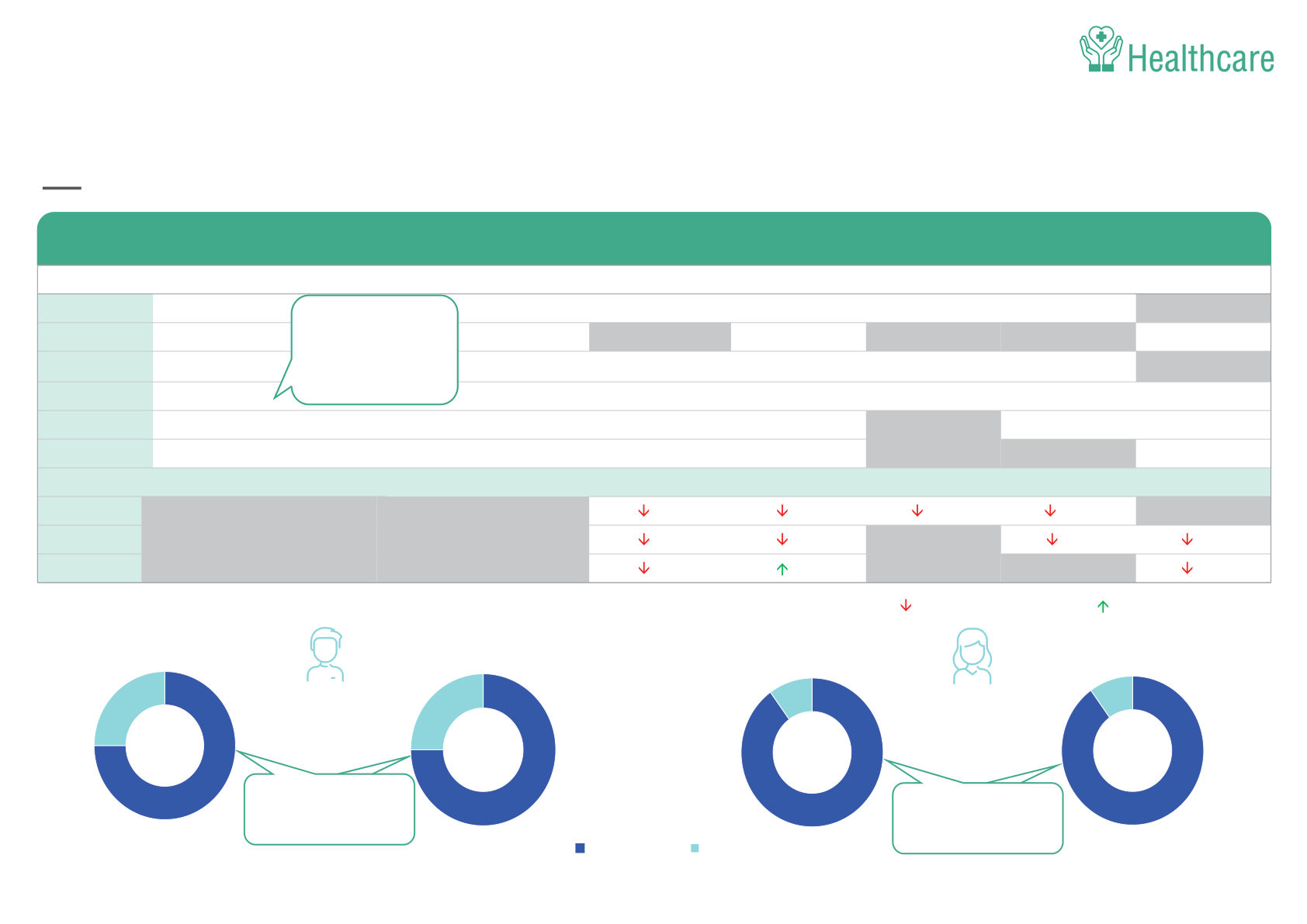
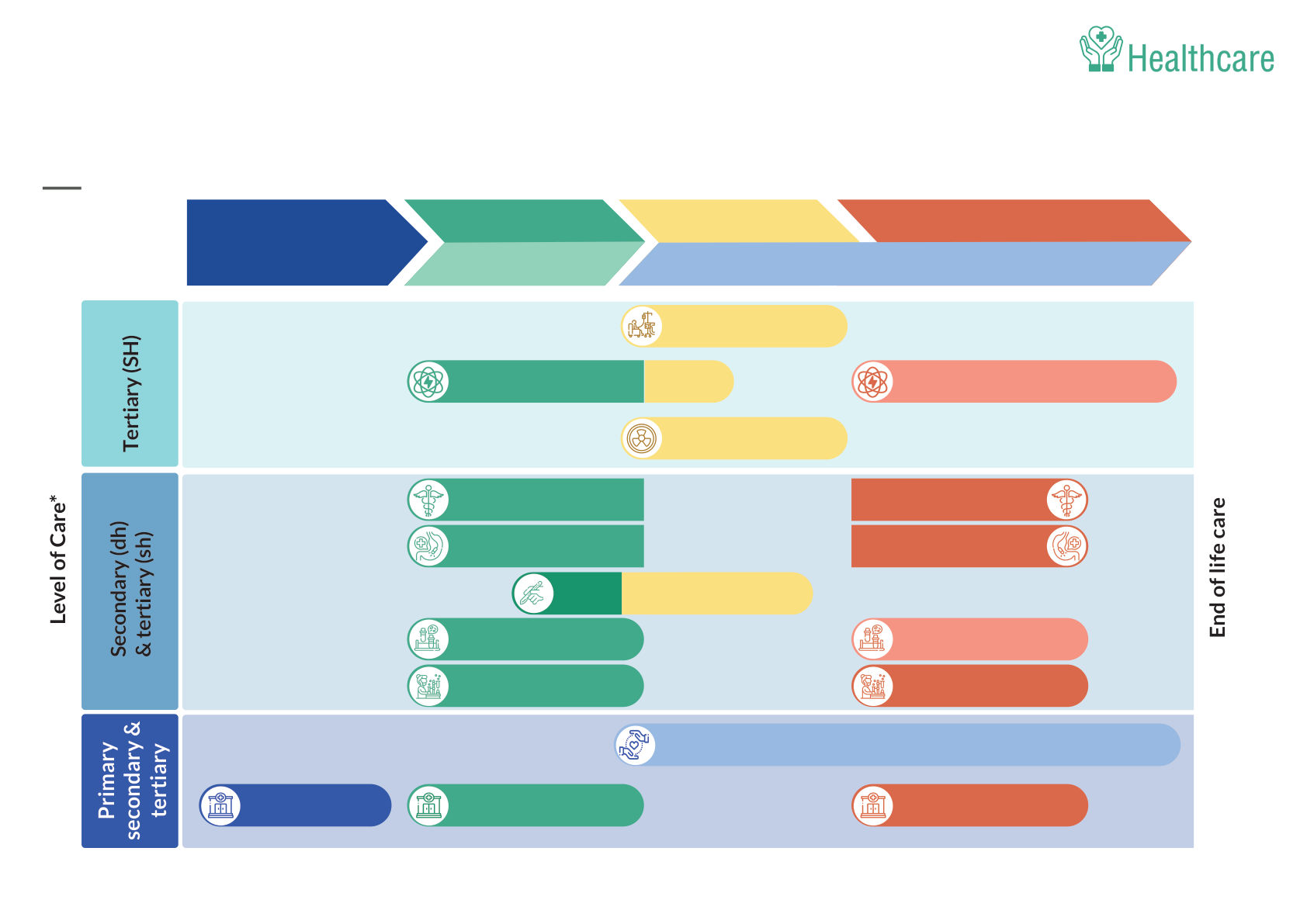
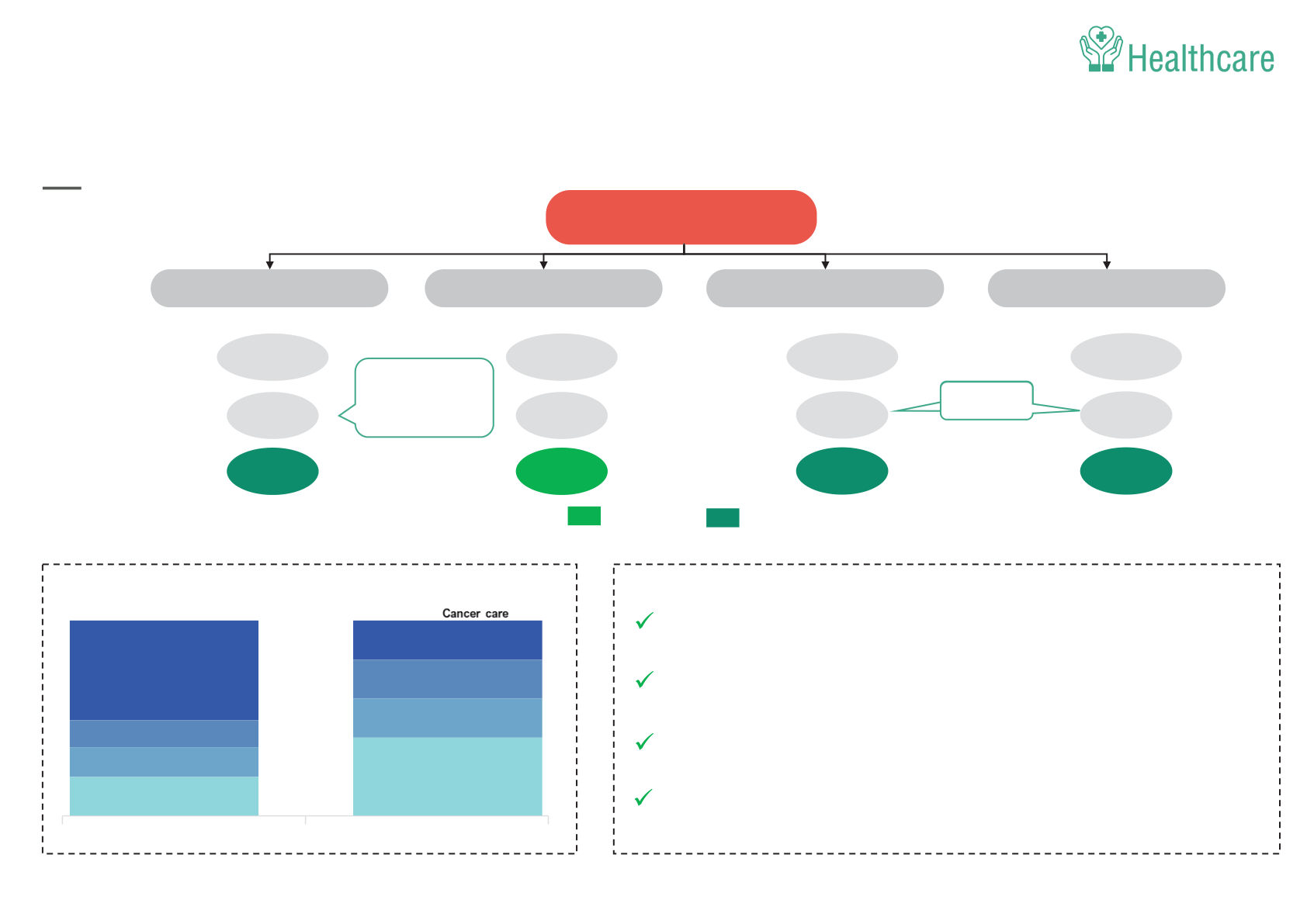
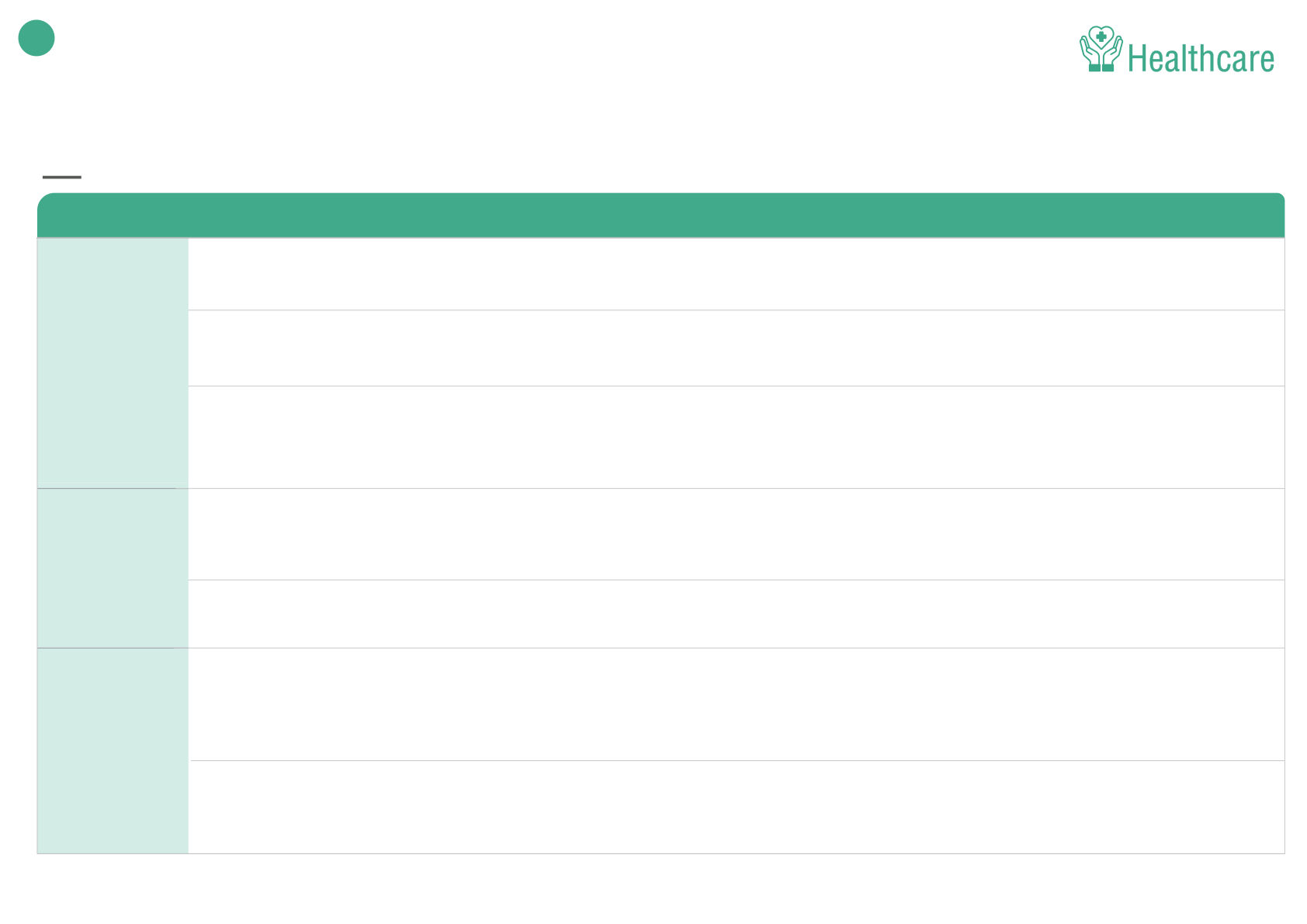
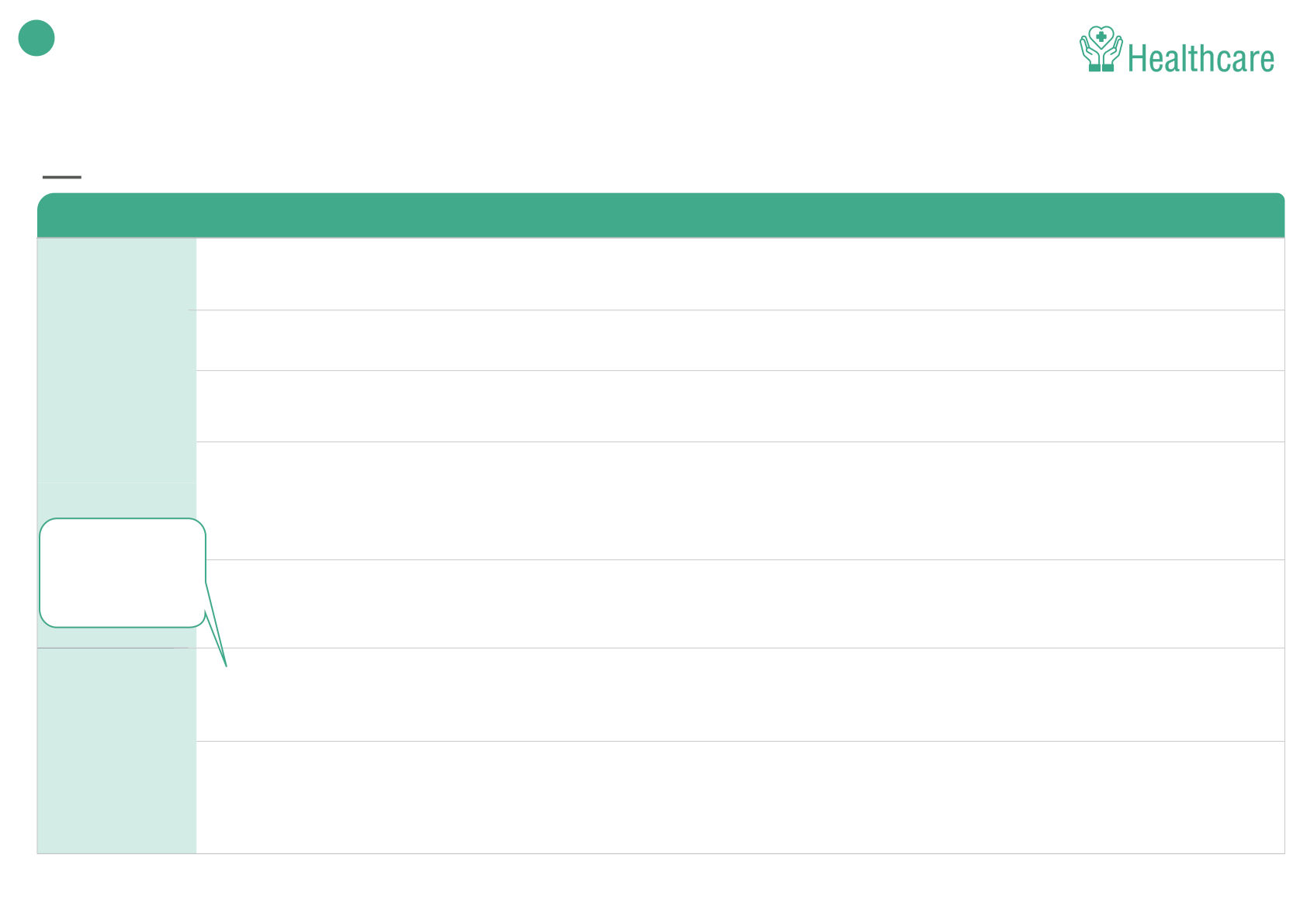
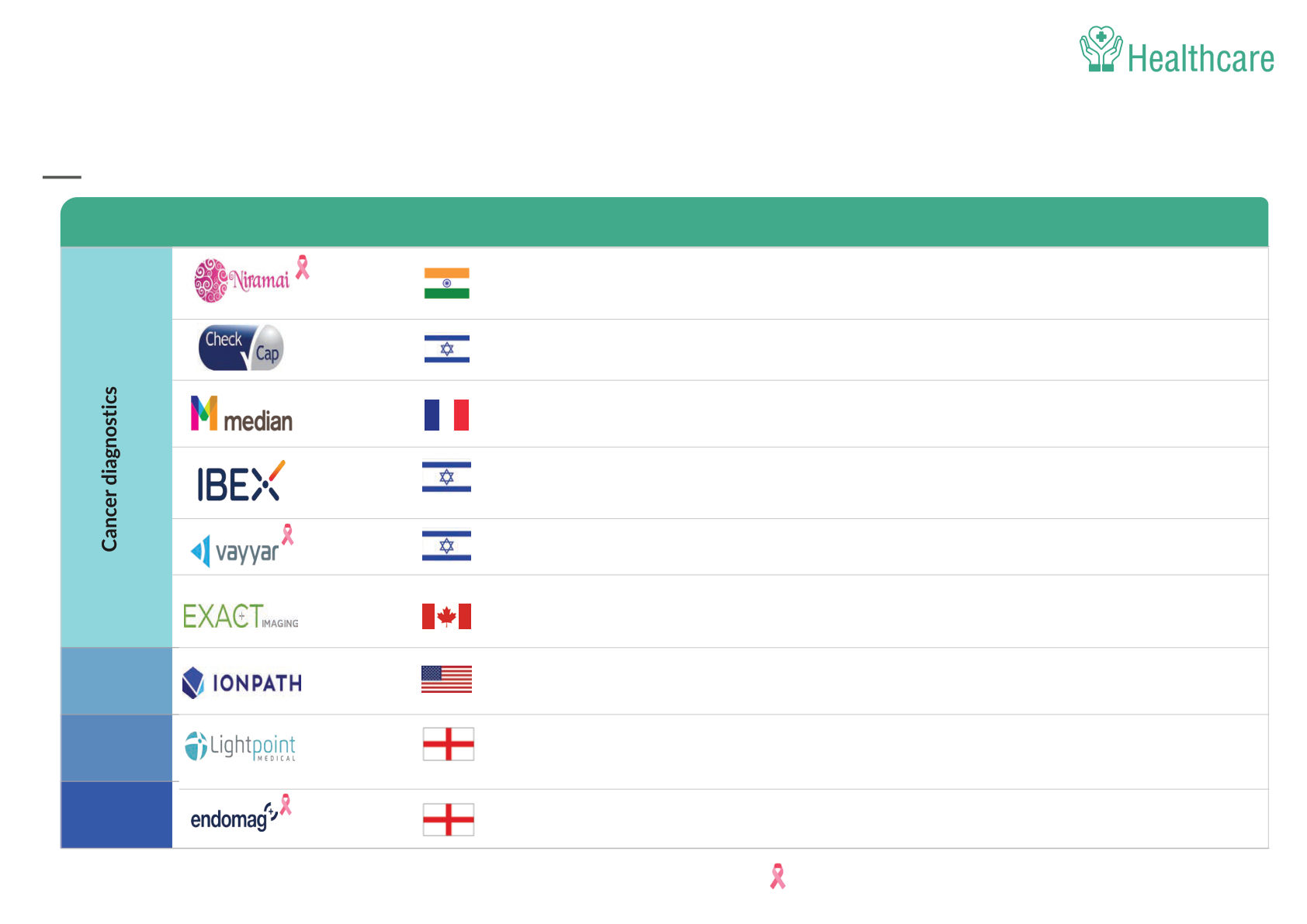
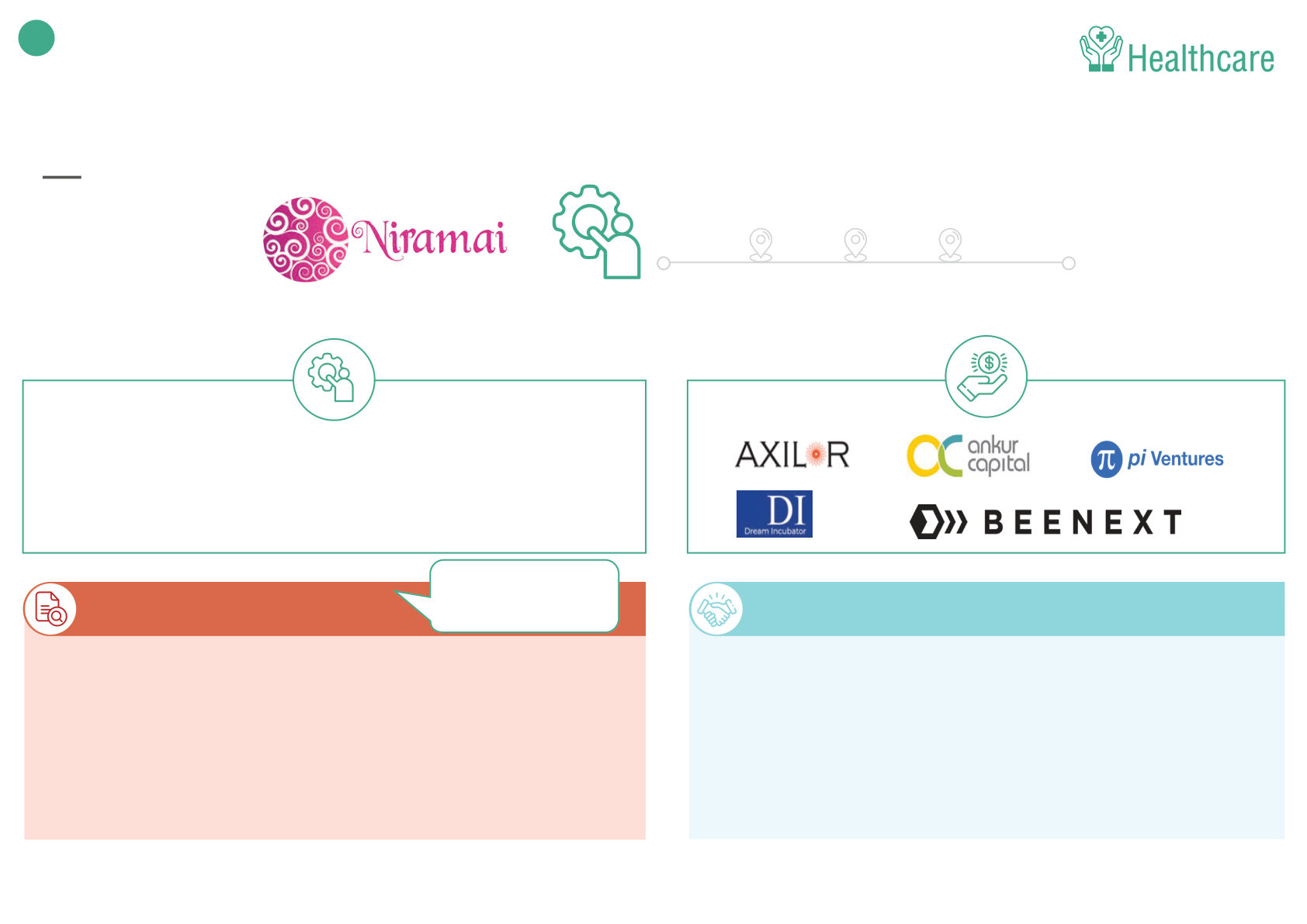
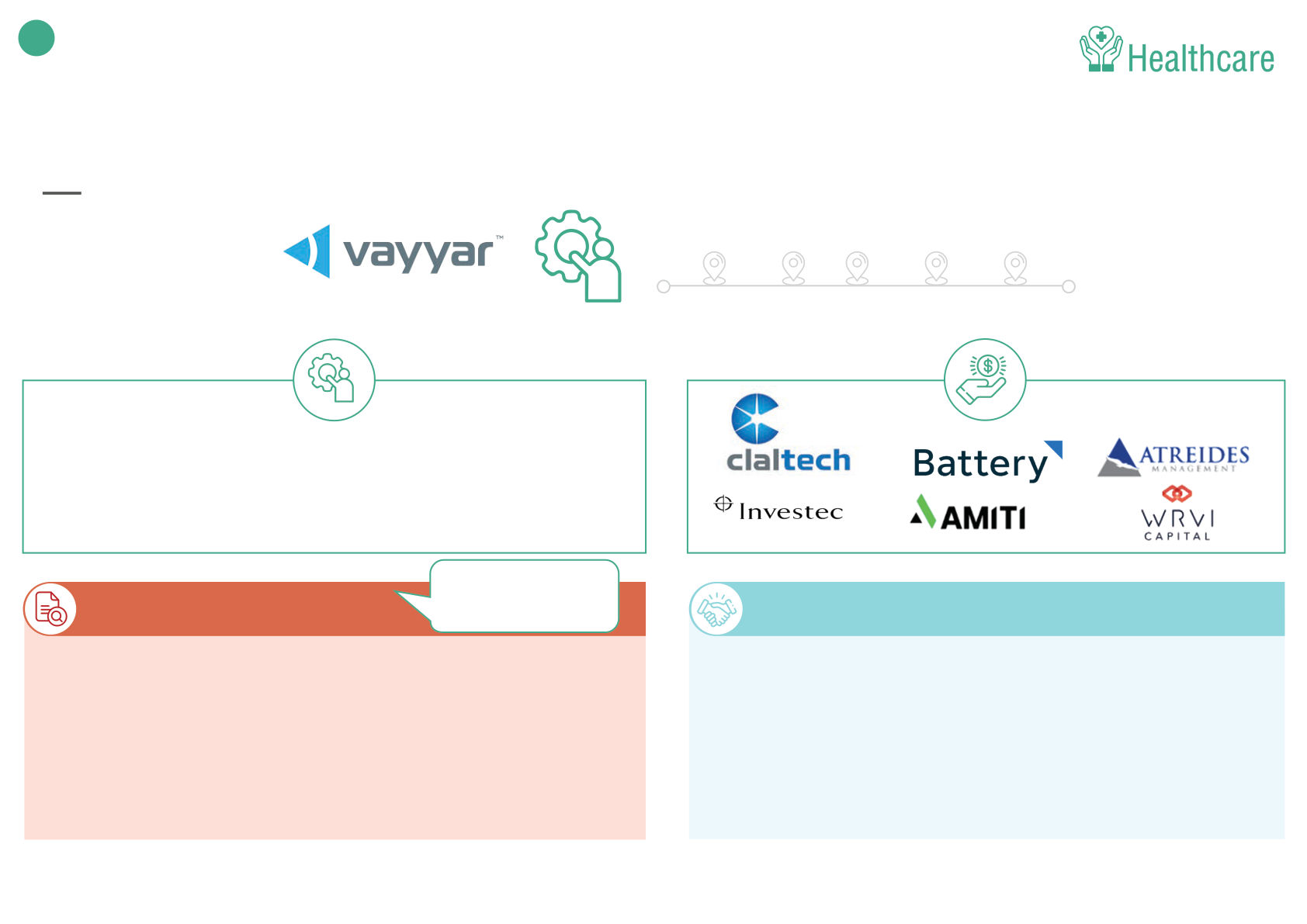
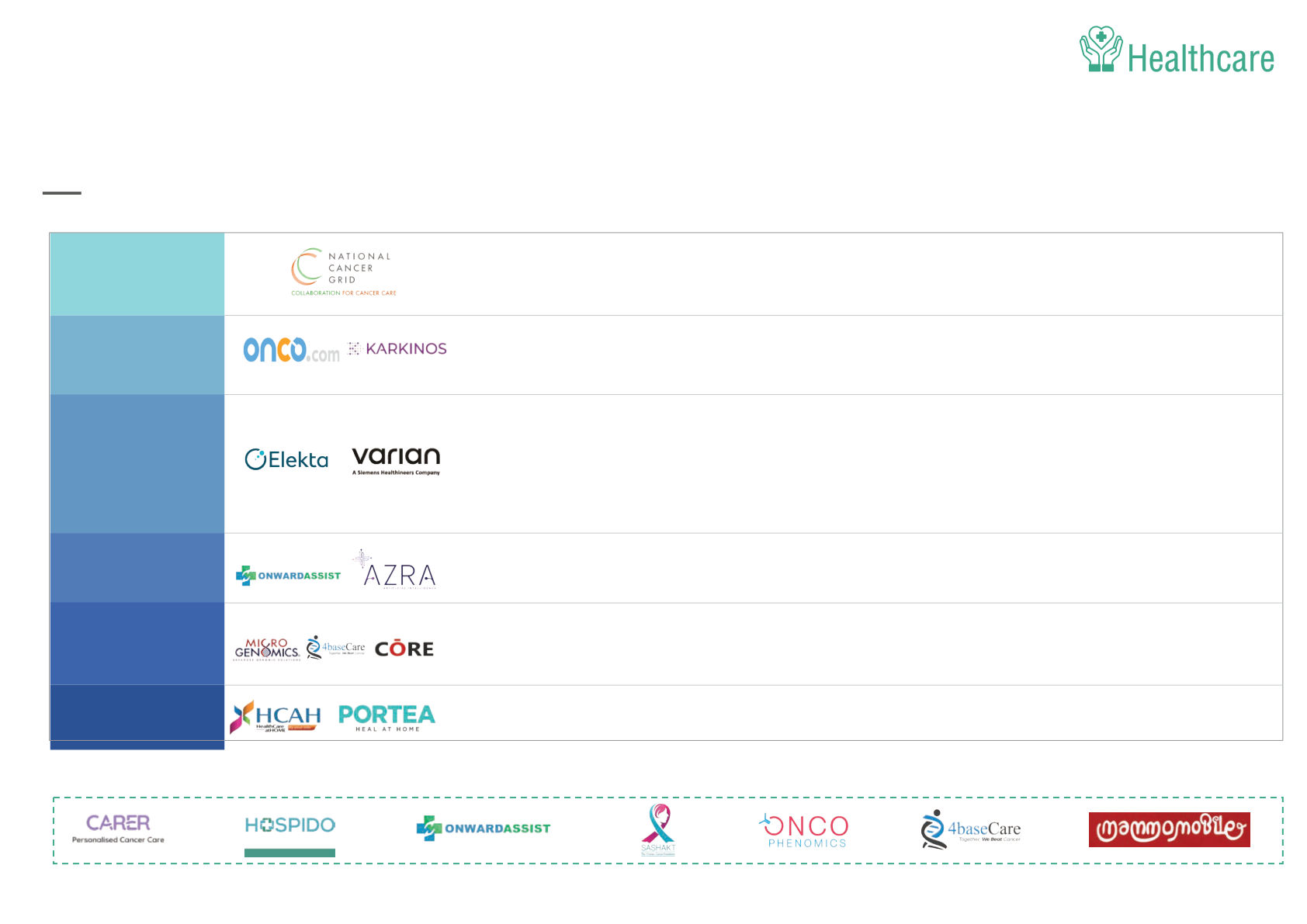
Oncology segment - MedTech & HealthTech play to improve outcome Report October 2022 Foreword “At ~6%, cancer is the 3rd biggest In this report, we have looked into the cause of mortality in India after current status of top cancers in men and Cardiovascular and Respiratory women (oral and lung in men, breast and diseases. Although the cancer cervix in women), with an emphasis on incidence rate per million of screening, diagnosis and treatment population is relatively smaller stages. We’ve evaluated the main compared to the developed barriers in these stages and what the countries like USA & UK , it might be play of MedTech and HealthTech Arindam Gupta just tip of iceberg with limited access companies can be, in helping improve Executive Vice President to diagnosis and treatment for outcomes by making the technologies Healthcare & Life Sciences majority of the population. Almost more accessible and affordable. We PGA Labs 90% of comprehensive cancer have especially looked at both, the treatment centres are in major cities, existing as well as emerging while ~70% of the population is in technologies in screening and diagnosis the rural areas. The other major issue areas, as the biggest impact in outcome - limited access to screening and will come from increased access to these diagnosis - is primarily because of technologies enabling early detection. low penetration of diagnostic For example, early detection of breast imaging equipment like CT, MRI, cancer can lead to a significantly higher Mammography, PET CT etc . More 5 year survival rate ~90% compared to than 50% patients are diagnosed at a current ~22%. We also evaluated the relatively advanced stage, with a 5 volume growth in oncology procedures year survival rate ranging between a in diagnosis, surgery, chemotherapy and mere 10 to 27%. radiation therapy to ~15% ” Executive Summary • The total number of new cancer cases in India are expected to reach ~1.5 million by 2025, growing at a Compound Annual Growth Rate (CAGR) of ~2% from 2020 to 2025 • Among women, breast and cervical cancers have the highest incidence rates. In men, the incidence of oral and lung cancers is Cancer relatively higher than other cancers incidence • India’s age-standardized cancer incidence cases (per million) stood at ~97 , lower due to the availability of alternate therapies and very low diagnosis rate • More than 50% of cancer cases are diagnosed at advanced stages in India, which if detected earlier, can increase survival rates by ~50-80% • For breast cancer, ~50% of the cases at diagnosed at Stage 3; late stage survival is ~22% , whereas early stage survival is ~90% • In the case of lung cancer, ~90% of the cases are diagnosed at advance stages, where the survival rate drops to ~10%. For cervical and oral cancers, diagnosis in the advanced stages stood at ~70% , with the late stage survival rates being ~10% and Cancer ~27% respectively screening • Lack of awareness and accessibility, low sensitivity, discomfort and high costs are the major reasons behind the vast majority of eligible people not undergoing cancer screening • Propensity to voluntarily opt for cancer screening tests is low in consumers due to lack of awareness of relevant tests • Risk assessment tests for cancers, which have higher accuracy and are more complex than basic screening tests, are too expensive for a large chunk of the population © PGA Labs | 03 • The National Cancer Control Programme (2004-05) has been cornerstone for policy-making in the field of oncology in India • Production-Linked Incentive Scheme of 2020 had a total financial outlay of ~$456 M for promoting domestic manufacturing Government of medical devices across 4 segments of medical devices initiatives • Some major initiatives by state governments include - medical device parks (Tamil Nadu, Punjab, Uttar Pradesh), aimed at providing a boost to medical manufacturers, and cancer hospitals (Assam) • Innovations in cancer diagnostics for early detection and screening is on the rise globally, with imaging technology advancing multi-fold Recent • Start-ups like Niramai (India), Vayyar (Israel) and Endomag (England) have used advanced technology to make breast cancer trends and screening and detection more affordable and accurate innovations • New cancer care models revolve around home care, treatment workflow management, personalized cancer care, affordability etc. © PGA Labs | 04 Cancer cases Cancer cases are expected to increase ~15% by 2025; Breast & Cervical cancer in women and Oral & Lung cancer in men are most prevalent among all cancers Total number of new cancer cases are expected Higher incidence of cancer among women is of Breast (~205K) to reach 1.5 million by 2025 & Cervix (~75K) and among men is of Oral cavity (~139K) and Lung (~72K) Incidence of cancer Incidence of cancer (2020, in K ) (2020-25, in M) 818 1.5 Others include cancer of digestive system, urinary system, endocrine 210 system, leukaemia, lymphoma, 189 CAGR brain, eye, genital (except breast & ~2% cervix), respiratory (except lung), skin, bones & joints, and soft tissue 355 50 1.3 98 205 75 27 463 139 72 75 5 Other Breast Oral cavity & Lung Cervix pharynx 2020E 2025P Men Women Note(s): 2020 incidence rate is estimated and 2025 data is projected Source(s): National Cancer Registry Programme, India (2020 report), Secondary research, PGA Labs analysis © PGA Labs | 05 Cancer Diagnosis More than 50% of cancer cases are diagnosed at advanced stages; early detection can increase survival rates by 50-80% in the country Breast Cancer Lung Cancer Stage of diagnosis – ~50% are diagnosed at Stage 3 Stage of diagnosis – ~90% are diagnosed at advanced stage Late stage Late stage 22% 10% survival – survival – Early stage Early stage 90% 90% survival – survival – Cervical cancer Oral Cancer Stage of diagnosis – ~70% are diagnosed at Stage 3 Stage of diagnosis – ~70% are diagnosed at Stage 3 Late stage Late stage 27% 10% survival – survival – Early stage Early stage 80% 92% survival – survival – Note(s): Survival rates are for 5-years post diagnosis Source(s): Datar cancer genetics (2021), Research articles, Secondary research, PGA labs analysis © PGA Labs | 06 Screening More than 98% of people who are recommended periodic screening have never been screened for cancer due to factors like lack of awareness, accessibility and high costs Lack of awareness, accessibility and high cost are some More than 98% of people eligible for screening have of the key factors for hinderance to cancer screening not undergone any periodic screening in their lifetime • People are unaware of screening procedures & their Lack of importance in detecting early-stage cancer awareness Number of people screened for cancer (%, Age group) • Medical equipment is sparsely available in Tier 3 & Tier 4 cities and rural areas Accessibility • People have to travel to long distances in order to access said centres • Equipment like mammographs etc. have low Low sensitivity in women with dense breast tissue thereby 98.4% 99.4% 99.0% 98.7% sensitivity requiring multiple additional tests which leads to increased patient noncompliance • Many women experience discomfort while undergoing Discomfort screening tests • Tests for confirmed diagnosis, progression of cancer High cost 1.6% 0.6% 1.0% 1.3% and continuous monitoring is quite expensive Cervical Breast Smokers Non-smokers Lack of access to specialized cancer care centers is one of the biggest challenges. Many people need to arrange for travel, accommodation & other resources which Women Oral (Men) adds on to the cost of treatment. (Age 30 - 54 years) (Age 30 - 49 years) - Domain expert Not screened Even basic equipment like mammography is not available everywhere. Adequate infrastructure for cancer diagnosis is not present in tier 3 & tier 4 cities. - Oncologist Source(s): NHFS 5 report (2019-21), Research articles, Cancer reports, Secondary research, PGA labs analysis © PGA Labs | 07 Diagnostic players Propensity to voluntarily opt for cancer screening tests is low in consumers due to lack of awareness of relevant tests and expensive risk assessment tests Cancer Type Typical Screening Test type Test classification Average price range Test (USD) Tests like Hereditary • Mammogram Imaging Core recommendation ~23 - 28 Cancer Risk • Breast Ultrasound Profiling • OncoBRCA- Next (~$ 333) and Breast Genomic sequencing Risk assessment ~267 • BRCA1 & BRCA2 Cancer Gene Comprehensive Panel Panel (~$ 400) help in • Breast Cancer Marker Blood High risk recommendation ~13 – 27 diagnosing • Tumour Marker multiple cancers • PAP Smear Test Pathology ~5 – 12 Clinical Cervical • HPV DNA Test Molecular Diagnostics Core recommendation ~7 – 27 examinations • Cervical Screening Genomic sequencing ~20 – 40 are used to detect oral cancer – there • Low Dose CT Imaging Core recommendation ~27 – 67 are no proper screening tests Lung • Lung Cancer Profiler Genomic sequencing Risk assessment ~400 for the detection of oral cancer • Lung Cancer Marker Blood High risk recommendation ~33 – 53 Oral Lower value • Colonoscopy tests cover Imaging ~27 - 80 only some • Sigmoidoscopy Colorectal Core recommended specific antigen • Fecal Occult Blood Test Pathology ~3 tests which are not proven as • Prostrate Prostatic Specific Antigen Blood Core recommended ~7 definitive Test markers Source(s): American Cancer Society, Company website(s), Secondary research, PGA Labs analysis © PGA Labs | 08 Cancer cases Market landscape: Screening and diagnosis category has seen the emergence of new entrants; most categories are dominated by MNCs Chemotherapy & Hormonal Screening & Diagnosis Radiation therapy Surgery therapy Biopsy needle (core needle, fine Linear accelerator (LINAC) Robotic Surgery Catheter (PICC line) needle and biopsy gun) Brachytherapy system Laparoscopic Mammography / PET CT / CT / Port MRI / Ultrasound / X -ray Proton beam therapy systems Fluorescence image - guided surgery Carbon Ion therapy IV Cryosurgery Emerging players Cyberknife Electrosurgery, Laser surgery & Video- assisted thoracic surgery (VATS) Emerging players MNCs Note(s): MNC-Multi-National Corporation Source(s): Secondary research, PGA Labs analysis © PGA Labs | 09 Comparative study Medical infrastructure for both diagnosis and treatment needs significant aug - mentation vs. other countries after adjusting for differences in incidence levels Cancer incidence cases (per Mortality rate (age Countries Capital equipment installed (per million) (2020) million) (age - standardized) standardized) CT MRI PET CT Mammography LINAC US 362.2 Recorded cases are of 86.3 42.6 40.4 (2019) 5.8 67.2 people receiving UK 319.9 100.5 7.2 6.1 treatment & are lower due to availability of Japan 285.1 81.5 115.7 57.4 4.7 33.8 alternate therapies & lower diagnosis rate India 97.1 63.1 5.3* 2.7* 0.2* 1.8* 0.4 Brazil 25.9 13.8 5.3 1.8 215.4 91.2 Russia 234.3 113.7 13.9 (2019) 5.1 (2019) 1.3 (2019) Comparative under penetration in India vs. other countries (%, adjusted with cancer incidence) US 54% 75% 87% 90% Brazil 55% 57% 25% 51% Russia 8% 28% 26% Less in comparison More in comparison Cancer patients requiring radiation (in %) 10% Men 10% Women 25% 25% Lung Oral Cervical Breast Radiation is given either 75% 75% Radiation is given either 90% alone or as adjuvant 90% alone or as adjuvant therapy with other therapy with other treatments Radiation Others treatments Note(s): represents estimates Source(s): WHO report on age-standardized cancer rates(2020), OECD database (2021), Secondary research, PGA Labs analysis © PGA Labs | 10 Cancer care The process and level of care of a cancer patient depends upon the stage and type of cancer Follow-up / survivorship care Diagnosis Treatment Prevention Palliative care Screening Systemic therapy Nuclear medicine Nuclear medicine Radio therapy Medical Imaging Medical Imaging Endoscopy Endoscopy Surgery Pathology Pathology Clinical laboratory Clinical laboratory Palliative care Vaccination Clinical assessment Clinical assessment Note(s): Primary includes Community Level health post and Health Centre, Secondary includes Direct Hospital & tertiary includes Specialised Hospital Source(s): WHO reports, Secondary research, PGA Labs analysis © PGA Labs | 11 Oncology With increasing awareness, affordability and infrastructure, oncology procedures are likely to witness a 15%+ growth Oncology Key Procedures Diagnosis Surgery Chemotherapy Radiation Therapy Procedure Value NA ~530M ~1,170M ~1,920M (US$) Procedure volume comprises of cases Total number Procedure Volume of incidence and of cycles ~2.5M ~0.45M ~1.4M ~0.6M prevalence Expected Volume >15% >15% 10 - 15% >15% Growth Volume growth rate 10-15% >15% Oncology Procedure Mix (2021) Growth Drivers Increased diagnosis of cancer and rise in the number of screening Others, 20% facilities Others, 51% Rapidly expanding technical infrastructure in healthcare research Gynaecologic, 20% and delivery Breast, 20% Gynaecologic, 14% Rise in private health insurance coverage, especially after the pandemic Breast, 15% Head & neck, 40% Government initiatives towards cancer awareness, support and Head & neck, 20% treatment Diagnosed Surgery Source(s): Primary discussions, PGA Labs analysis © PGA Labs | 12 1 Government initiatives Government initiatives :The National Cancer Control Programme and Health Minister’s Cancer Patient Fund have been the top cancer-specific initiatives in India Area of impact Initiative Year Particulars Focus primary and secondary prevention, strengthening of cancer Evaluation & revision of National 2004 - 05 treatment facilities and palliative care in terminal stag of cancer Cancer Control Program ~435 procedures were defined for the treatment of cancer. Chemotherapy Pradhan Mantri Jan Arogya Yojana 2018 & Radiotherapy packages, along with surgical oncology were covered Quality of care Target of setting up ~1.5 lakh Health and Wellness Centers (AB -HWC’s) Ayushman Bharat - Health and Wellness by December 2022; an outlay of ~US$ 8,530 for the growth of India’s 2018 Centers (AB - HWC’s) public health facilities & infrastructure over a period of 5 years HMCPF was set -up for providing financial assistance to the poor patients suffering from cancer in 27 Regional Cancer Centers (RCCs), within Health Minister’s Cancer Patient Fund 2008 - 09 Rashtriya Arogya Nidhi (RAN) Affordability National Pharmaceutical Pricing Authority put out a list of 390 MRP reduction for anti - cancer medicine 2019 anti-cancer non-scheduled medicines with 80%+ MRP reductions CIO has been established as a joint venture of All India Institute of Ayurveda (AIIA) and National Institute of Cancer Prevention and Centre for Integrative Oncology (CIO) 2017 Research (NICPR-ICMR) with the intention of collaborative research activities in cancer Research ICMR collaborated with IITs to establish ‘ICMR at IITs’ by setting up Indian Council of Medical Research at Centresof Excellence (CoE) for Make-in-India product development and 2021 Indian Institutes of Technology commercialization in the medical devices and diagnostics space Note(s): MRP-Maximum Retail Price Source(s): IBEF, Invest India, Press Information Bureau, Secondary research, PGA Labs analysis © PGA Labs | 13 2 Government initiatives Government initiatives: Major initiatives by State governments include medical device parks (Tamil Nadu, Punjab, Uttar Pradesh) and cancer hospitals (Assam) Area of impact Initiative Year Particulars Cancer care facilities in Medical Cancer treatment facilities were created/planned in 13 State Government 2019 Colleges under PMSSY Medical Colleges which were taken up for upgradation under PMSSY State-of-the-art tertiary cancer care-cum-research Institute 2019 National Cancer Institute (NCI) constructed at the AIIMS Jhajjar campus Strengthening Tertiary Care of Cancer 19 State Cancer Institutes (SCIs) & 20 Tertiary Cancer Centres (TCCCs) 2021 Scheme have been approved for enhancing facilities for tertiary care of cancer Infrastructure and accessibility An initiative by Assam Cancer Care Foundation, a joint venture of Government of Assam and Tata Trusts, to build South Asia’s largest 17 Cancer Hospitals in Assam 2022 affordable cancer care network with 17 Cancer care hospitals spread There are 7 major across the state, 7 commissioned manufacturing clusters for medical devices in India – Gujarat, Maharashtra, Initiative to establish Dedicated Services for the Management of Karnataka, Andhra Pradesh, Cancer Care Infrastructure in Telangana, Tamil Nadu & Paediatric & Adult Haematolymphoid Cancers in North-East India, to be 2022 North-East India Haryana located at BBCI Guwahati Total financial outlay of $456 M for promoting domestic manufacturing Production Linked Incentive (PLI) of medical devices across 4 segments of medical devices, including cancer 2020 Scheme care/ radiotherapy medical devices Manufacturing and production Government (Central/ State) approved/ announced medical device Medical Device Parks parks in Tamil Nadu, Uttar Pradesh and Punjab. Private investment to 2021 set-up a medical device park in Telangana Note(s): PMSSY-Pradhan Mantri Swasthya Suraksha Yojana ; BBCI-Dr. B Borooah Cancer Institute Source(s): IBEF, Invest India, Press information Bureau, PGA Labs analysis © PGA Labs | 14 Recent innovations Innovations in cancer diagnostics for early detection and screening is the trend which is on the rise globally; imaging technology is advancing multi-fold Area of Funding Start-up Year Location Innovation Solution impact (US$ M) Low-cost, non-contact, non-invasive and High resolution thermal radiation-free breast cancer detection and 2016 ~6 sensing device diagnosis tool Capsule-based test that detects precancerous Ingestible imaging capsules 2004 ~110 polyps, enables colorectal cancer screening SaaS-based lesion Medical imaging software and services for 2002 ~120 management solutions clinical trials usage AI-powered diagnostics for pathology for AI-based analytics and 2016 accurate, timely and personalized cancer ~50 diagnosis platform diagnosis Sensor-based technology for effective 2011 Mobile 4-D imaging sensor ~300 screening of early-stage breast cancer Micro-ultrasound that enables high-resolution Micro-ultrasound imaging visualization and imaging of prostate cancer and 2003 ~25 device biopsies Multiplexed ion-beam imaging technology is Tissue High-definition ion-beam 2014 ~20 biopsy used for analysis of tissue biopsies imaging Guidance system for Miniature surgical gamma probe used for quick Surgical 2012 ~30 intracavity radio-guided oncology localization of prostate, lung, cervical cancers surgery Tumour Magnetic sensing technologies that helps avoid 2007 Magnetic sensors ~40 localization unnecessary radioactivity for breast cancer Note(s): AI: Artificial Intelligence; SaaS: Software-as-a-service; 4-D: 4-dimensional Focused on breast cancer Source(s): Tracxn, Company website(s), PGA Labs analysis © PGA Labs | 15 1 Recent innovations Recent innovations in Breast Cancer detection: Niramai (India) and Vayyar (Israel) have leveraged technical advancements to facilitate early detection Geographical Presence Founded India USA Europe 2016 Geetha Manjunath Founder & CEO 25+ years in IT & innovation Ex - Xerox Research India, Hewlett Packard India Niramai has 27 granted patents across different countries, with 11 of them granted in the US Overview Offerings and 11 of them in India. • NIRAMAI has developed a novel software-based medical device to • Thermalytix: A computer aided breast cancer detection system detect breast cancer at a much earlier stage than traditional methods powered by AI or self-examination • XraySetu: An AI-driven X-ray analysis for COVID interpretation via • Radiation free imaging method, non-touch, not painful and works for Whatsapp women of all ages • Niramai FeverTest: Simple screening for COVID symptoms • Low cost, accurate, automated, portable cancer screening tool that can be operated in any clinic or from home Note(s): AI: Artificial Intelligence; SaaS: Software-as-a-service; 4-D: 4-dimensional Source(s): Tracxn, Company website(s), PGA Labs analysis © PGA Labs | 16 2 Recent innovations Recent innovations in Breast Cancer detection: Niramai (India) and Vayyar (Israel) have leveraged technical advancements to facilitate early detection Geographical Presence Founded Israel USA Japan China Sweden 2011 Raviv Melamed Miri Ratner CEO and Co-Founder VP R&D and Co-Founder 22+ years in technology 29+ years in R&D Ex-Vice President, Ex – Director, Ramlan Ltd Intel Architecture Group Vayyar has filed for a total of 80 patents, and has been granted Overview 68 patents till date. Offerings • Vayyar Imaging Ltd. is a semiconductor company that produces 4D • Radar-on-Chip: Provides high-resolution 3D images that detect imaging radar sensors breast cancer with pinpoint accuracy • Vayyar’s Radar-on-Chip technology was developed to provide a more • Vayyar Care: In collaboration with Alexa, it detects falls in seconds effective means of screening for early-stage breast cancer to save old people’s lives • The company’s sensor technology is a more accessible and effective alternative to mammograms Note(s): AI: Artificial Intelligence; SaaS: Software-as-a-service; 4-D: 4-dimensional Source(s): Tracxn, Company website(s), PGA Labs analysis © PGA Labs | 17 Cancer care Some new and emerging cancer care models revolve around personalizing cancer care and making cancer care more compassionate, affordable and accessible Model Illustrative examples Particulars • Access to high quality remote expert care (via telemedicine etc.) • Prevention of patient inflow to metro cities; localizing cancer care Shared expertise • Performance improvements for the delivery of high-value cancer care • Access to dedicated cancer care manager to hand-hold through the cancer-journey i.e., from Managed cancer identification of hospitals to after surgery services care • Relatively affordable radiation therapy equipment and smaller footprint to fit into Cobalt machine bunkers Affordability • Collaborations with both central and state governments to help close the gap in the radiation therapy infrastructure through initiatives like PPP (public private partnership) projects • Training and skill development programs to address gap of skilled manpower in radiotherapy Treatment workflow • Using Artificial intelligence (AI) to make cancer care more accessible and accurate management • Enhanced clinical decision-making and improvement in diagnosis and medical outcomes • Advanced genomics and next-gen digital health technology for superior insights Personalised • Optimal treatment outcomes through predictions of patient therapy responses; enabling cancer care therapy selection • Quality home cancer care via doctor-driven treatment, hospital-like clinical audits, e-monitoring Home care capabilities, and customized training to staff Emerging start-ups in India for quality cancer care Source(s): Secondary Research, PGA Labs analysis © PGA Labs | 18 What we do for MedTech companies Market Assessment • Market Sizing and Overview • Price Optimization/ Price Sensitivity Analysis • Brand Equity and Perception • Sector Scan, Rapid Due Diligence, Company 360 Market Sizing – current Distributors / Channels Customer NPS Vendors Competitors Brand Recall & new products • Vendor Feedback • Competitor Pipeline • Channel NPS • NPS score & referral • TAM & SAM • Potential of Survey & NPS and portfolio rate forecast different brands • Split between Assessment • Vendor online & offline etc • Customer segments • Cust. segmentation • Brand recall vs Performance • Price Benchmarking unsatisfied & risk to competition, across • Channel margin • Replacement Benchmarking and by TA brand customer types. structure vs demand Consolidation end consumers, • Competitive competition • Drivers for • Number of players geography, hospital • Vendor positioning of customer loyalty & • Geographical by product types etc. Identification, products NPS, Client vs penetration vs category, customer Assessment and Competition • Customer retention • Conjoint analysis of competition segments, Cost-Benchmarking features & pricing • Digital technology geography etc. • Industry best • Incentives/schemes • Scoring against vs competition play to improve NPS practices working well • Growth drives & PGA Labs vendor • Price structure & • Latent & unmet opportunities • Divers/barriers to benchmarking bundling trend needs of customers expansion • Any white spaces toolkit analysis • Gaps in customer • Channel trading • Key drivers/ entry • Cost components • Market share across exp. vs expectation terms barriers vs competition & customer segments • Price Optimization industry standard Analysis Thought Leadership • White Papers • Thematic Research • Regulatory Tracking © PGA Labs | 19 Connect with us We will be happy to share perspectives Arindam Gupta Saloni Kumar EVP - Healthcare & Lifesciences BA - Healthcare & Lifesciences E: arindam.gupta@pgalabs.in E: saloni.kumar@pgalabs.in M: +91 995 819 9600 M: +91 935 413 6008 For media queries, please contact Vaishnav Kumar Rai Manager - Marketing E: communications@pgalabs.in M: +91 782 794 4925 New Delhi | Gurugram | Mumbai | Bengaluru www.pgalabs.in Disclaimer: This material has been prepared by PGA Labs, which is the trade name of Praxian Global Private Limited (“PGA”) with the intent to showcase our capability and disseminate learnings to potential partners/clients. This material can be referred to by the viewers on the internet but should be referenced to PGA Labs, if reused or adapted in any form or in any forum. The frameworks, approaches, tools, analysis and opinions are solely PGA’s intellectual property and are a combination of collection of best data we could find publicly, and PGA Labs team’s own experiences and observations. We make no representation or warranty, express or implied, that such information is accurate or complete, and nothing contained in here can be construed as definitive predictions or forecasts. Before reading further, the Recipient expressly agrees that this might not address any and all risks and challenges facing Recipient, its business and the markets within which it operates, nor all possible market conditions. No responsibility or liability whatsoever is accepted by any person including PGA or its Business partners and affiliates and their respective officers, employees or agents for any errors or omissions in this document. Any and all logos of companies used in the post have been published for information purposes only and PGA Labs does not hold any and all liability in connection therewith. This document is not complete without an accompanying oral discussion and presentation by PGA though PGA is not obligated to do so. PGA does not have any duty to update or supplement any information in this document. PGA shall not be responsible for any loss sustained by any person who relies on this presentation. The team at PGA Labs appreciates your time and support THANK YOU Enabling better decisions. New Delhi Gurugram Mumbai Bengaluru Unit 5, Ground Floor, CP-003, 004, 112, First floor, 2734, Fourth floor, Uppal Plaza M6, District GF Tower 4B, DLF Workafella, AK Estate, HSR Layout, Sector 1, Centre, Jasola -110 025 Corporate Park, Goregaon West, 27th Main, 16th Cross, New Delhi, India Gurugram -122 002 Mumbai - 400 062 Bengaluru - 560 102 Haryana, India Maharashtra, India Karnataka, India Registered address: Praxian Global Pvt. Ltd., Unit 5, Ground Floor, Uppal Plaza M6, District Centre, Jasola, New Delhi -110025