













1Lattice Logo

Logistics Tech

Helping logistics players to optimize supply chain networks, understand channel partner behavior, benchmark competitor metrics and improve costs & quality of service

Capabilities

What we do

12 capabilities
Capability

Customer segmentation

Customer segmentation
Questions we answer
  • Who are the key customers?
  • What is the logistics service provider’s dependency on any specific customer segment?
  • What is the growth potential of the customer segment?
  • What are the primary needs of the different customer segments?
  • How are customers positioned w.r.t emerging trends and new technologies?
  • What is the size of the customer?
  • What is the key focus vertical of the customer?
Capability

NPS diagnostic

NPS diagnostic
Questions we answer
  • How likely is the customer to promote the player?
  • How does the NPS vary across regions and how does it compare with key competitors?
  • What are the key reasons for a customer to be a promoter / detractor?
  • What are the areas of improvement and ways to do so?
  • What are the triggers that would cause the customers to change their logistics partner?
  • What are the relative strengths and weaknesses that have the highest impact on NPS?
Capability

Voice of customer

Voice of customer
Questions we answer
  • Which logistics players are customers most satisfied with and why?
  • How has customer experience been across different product categories?
  • What are the key reasons for preference of a LSP over another?
  • What are the improvement areas that need attention?
  • Would they refer the logistics service providers to others based on prior experience and the reason for doing so?
  • What are the key elements required to create a long-lasting relationship?
Capability

Voice of channel

Voice of channel
Questions we answer
  • Which aggregator platforms do truckers work with? Since how long have they been working with these platforms?
  • Why did the trucker decide to opt for an aggregator platform? What is the basis of decision while choosing such a platform?
  • Have end-use segments, pricing / payments, aggregator preference, etc. changed post-COVID?
  • What are the key challenges / pain-points faced by truckers / delivery person while using LogisticsTech platform / app?
  • What is the impact of seasonality in this segment? Has advent of LogisticsTech apps / platforms reduced this impact? How?
Capability

Unit economics benchmarking

Unit economics benchmarking
Questions we answer
  • What are the different revenue streams for each player? What are the drivers of revenue?
  • How much does it cost in time and money to service / acquire a customer?
  • What fixed and variable cost components are associated with servicing a customer?
  • What are the drivers of fixed and variable cost?
  • What is the break-even scale and time taken to reach breakeven?
  • How do the unit economics vary across customer size (large, medium, small, etc.)?
Capability

Competitive benchmarking

Competitive benchmarking
Questions we answer
  • Who are the direct competitors in this space?
  • How do the key financial metrics compare with the player's competitors
  • What are the differentiating factors amongst the different players?
  • What is the average SLA adherence / closure rate?
  • What is order accuracy compared to its peers?
  • What is the gross margin return on investment?
Capability

Supply chain mapping

Supply chain mapping
Questions we answer
  • What does the entire supply chain look like?
  • What are the # hubs that are owned / outsourced by the player?
  • How many automated hubs are owned by the player?
  • What are the # pin codes served: pick up, delivery?
  • What is the % fleet owned vs outsourced?
  • How is the transportation network designed to provide last mile coverage?
  • What measures can be taken to avoid potential supply chain disruptions?
Capability

Industry outlook

Industry outlook
Questions we answer
  • What is the current market landscape and how is the road map ahead?
  • How fragmented is the industry?
  • What are the growth opportunities and challenges in the market?
  • What are the key trends driving the industry?
  • What factors can cause disruptions in the industry?
  • How will advancements in technology and changing consumer preferences shape the industry?
  • What is the position of service providers and aggregators in the market?
  • Who are the competitors and how are they positioned?
Capability

Market trends analysis

Market trends analysis
Questions we answer
  • What are the new business and sales strategies?
  • How is the industry shaped for the future?
  • How is customer preference changing and what are its reasons?
  • How has the rise in e-commerce retail impacted the industry?
  • What has been the impact of automation?
  • How are LSPs adapting to high levels of digitization and integration?
  • How sensitive is the industry to new inventions or disruptions?
Capability

Value proposition design

Value proposition design
Questions we answer
  • What should be the customer's expectation from the product / service?
  • How does the proposition cater to functional needs?
  • What are the pain points and negative outcomes that customers want to avoid?
  • How will the customers measure the success of an offering in fulfilling their needs?
  • What are the product and services that the value proposition is based on?
  • How does the value proposition eliminate or minimize the customer pain points?
Capability

Target screening and diligence

Target screening and diligence
Questions we answer
  • How fragmented is the market in which the target is operating? What are the other suitable acquisition / investment opportunities in the target's market segment?
  • How does the target fare against competition across key operational, organizational, and financial metrics?
  • What is the depth in the technology / software portfolio of the target company vs category peers / leaders?
  • What are the key demand drivers for customers?
  • How is buyer behavior going to change in the future? What trends are expected to shape buyer behavior?
  • Which customer verticals are driving the category? Which segment does the target cater to?
Capability

Market potential assessment

Market potential assessment
Questions we answer
  • What is the bottom-up / top-down market size across different product categories and geographies in the relevant technology space?
  • What is the company's TAM (Total Addressable Market), SAM (Serviceable Addressable Market), and SOM (Serviceable Obtainable Market)? What is excluded in SAM and SOM?
  • How fast are various markets in terms of verticals / customer size / customer vertical / use cases / geographies growing in the relevant space?
  • How much market share can the company potentially achieve in various markets?
  • What is the possible market share that the company can gain from its current service offerings vs. from building new products?
  • How much of the market share can the company gain from the currently penetrated market i.e, from existing category buyers vs. from new market development?
  • How is the market potential split across different geos/ customer segments / channels etc. and how is it expected to grow?

Related Case Studies

View all
Competitor intelligence study for a leading Logistics Tech player in India
Logistics TechApr 6, 2022

Competitor intelligence study for a leading Logistics Tech player in India

Objective

Client wanted to benchmark its business against key competitors in each distinct business unit, i.e., e-commerce express delivery, BFSI express delivery, heavy e-commerce (furniture & consumer durables), PTL freight, and warehousing In each of these business units, client wanted to benchmark key metrics in terms of business, cost & customer metrics, network coverage, operational efficiency & operational quality, against key competitors

Methodology

  • Conducted in depth interviews (N = 300) per quarter with employees (ex & current - HR manager, operations manager, marketing manager, customer service manager, supply chain manager, etc., customers, vendors & gig workers, investors, industry experts
  • Created a set of focus metrics to be benchmarked across key competitors for each distinct business unit
  • Created deep level discussion guides for different stakeholder and respondent type across competitors

Impact / Outcome

  • Client was able to understand the Logistics Tech market landscape in India
  • Also, client was able to benchmark its business against key competitors in each distinct business unit across key metrics in terms of business, cost & customer metrics, network coverage, operational efficiency & operational quality
Impact of COVID-19 on e-commerce sector warehousing
Logistics TechApr 6, 2022

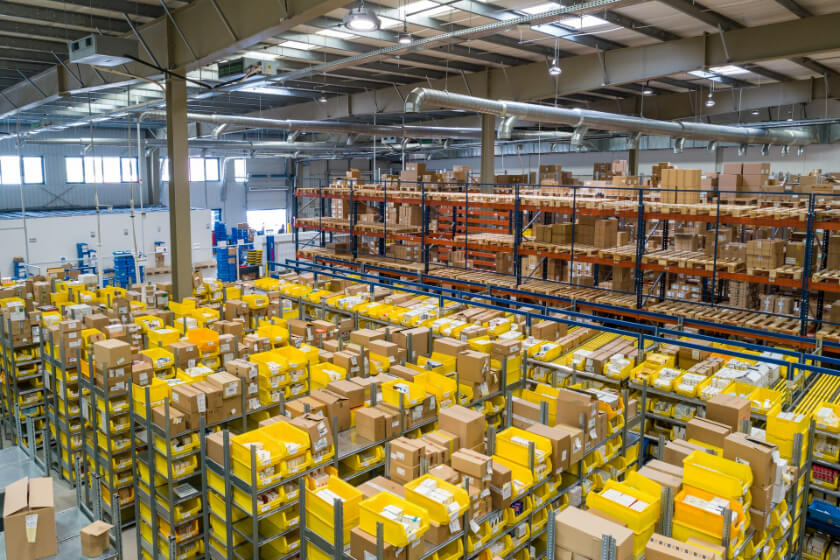
Impact of COVID-19 on e-commerce sector warehousing

Objective

Client wanted to understand the impact of COVID-19 outbreak on the e-commerce industry with special emphasis on warehousing demand for the sector Client also wanted to understand the potential investment opportunities in e-commerce warehousing

Methodology

  • Developed an overview for the e-commerce sector including various factors like market growth in the past and projected market growth, split between different product categories, market share of different players, warehousing contract model mix, type of warehousing mix and growth drivers. Also analysed the existing supply chain in the industry
  • Deep secondary research on the trends for the warehousing demand in the industry and the potential impact of COVID-19 on the e-commerce industry
  • Developed a potential time line for the next five years regarding the e-commerce industry revival post COVID-19, included various factors like consumer demand, goods sourcing, labor availability, warehousing demand and distribution channel while preparing the timeline

Impact / Outcome

  • Client received a list of potential investment opportunities in the e-commerce sector warehousing space
Showing 12 of 6 case studies

Connect with our experts

Leadership profiles coming soon.