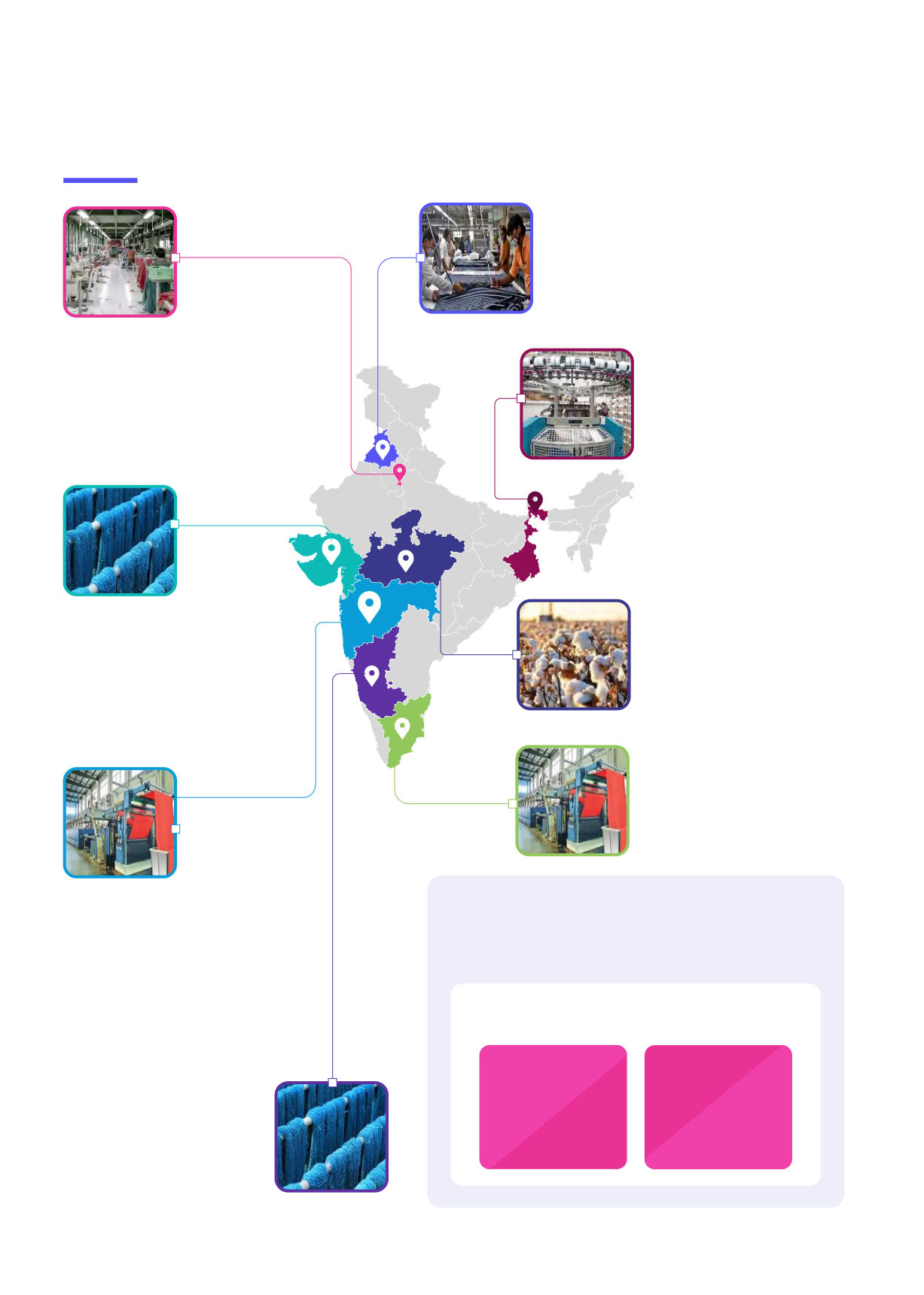
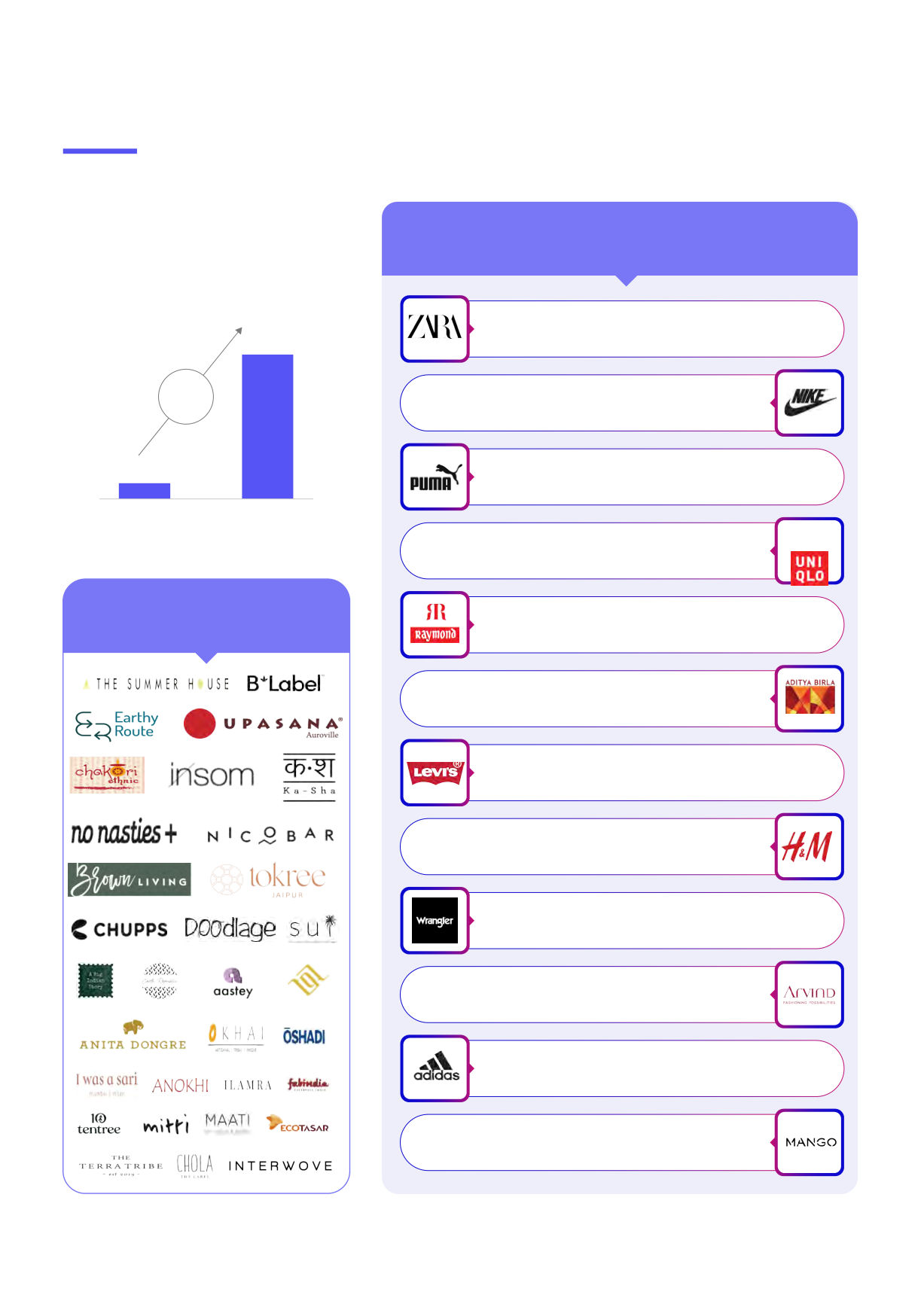
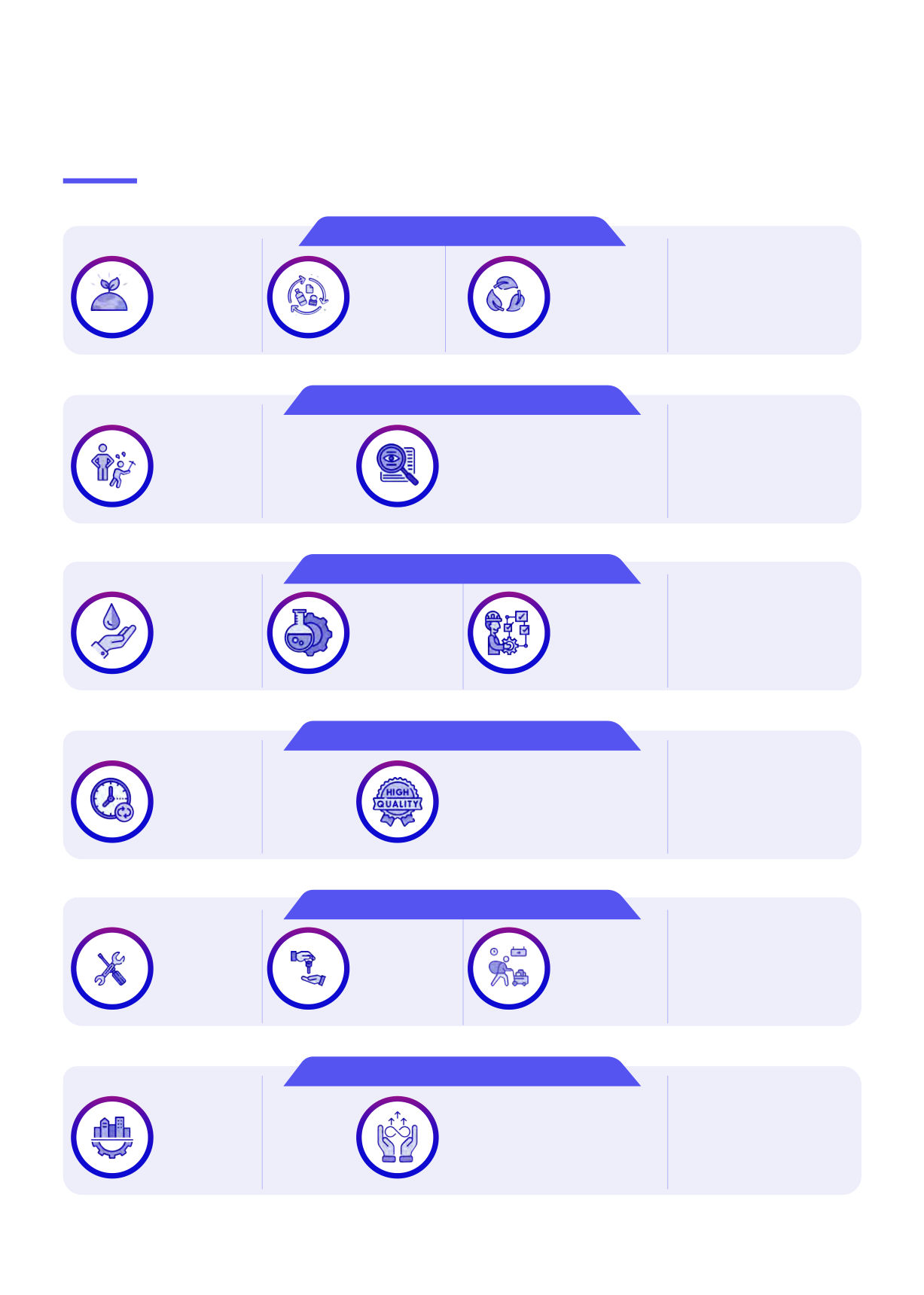
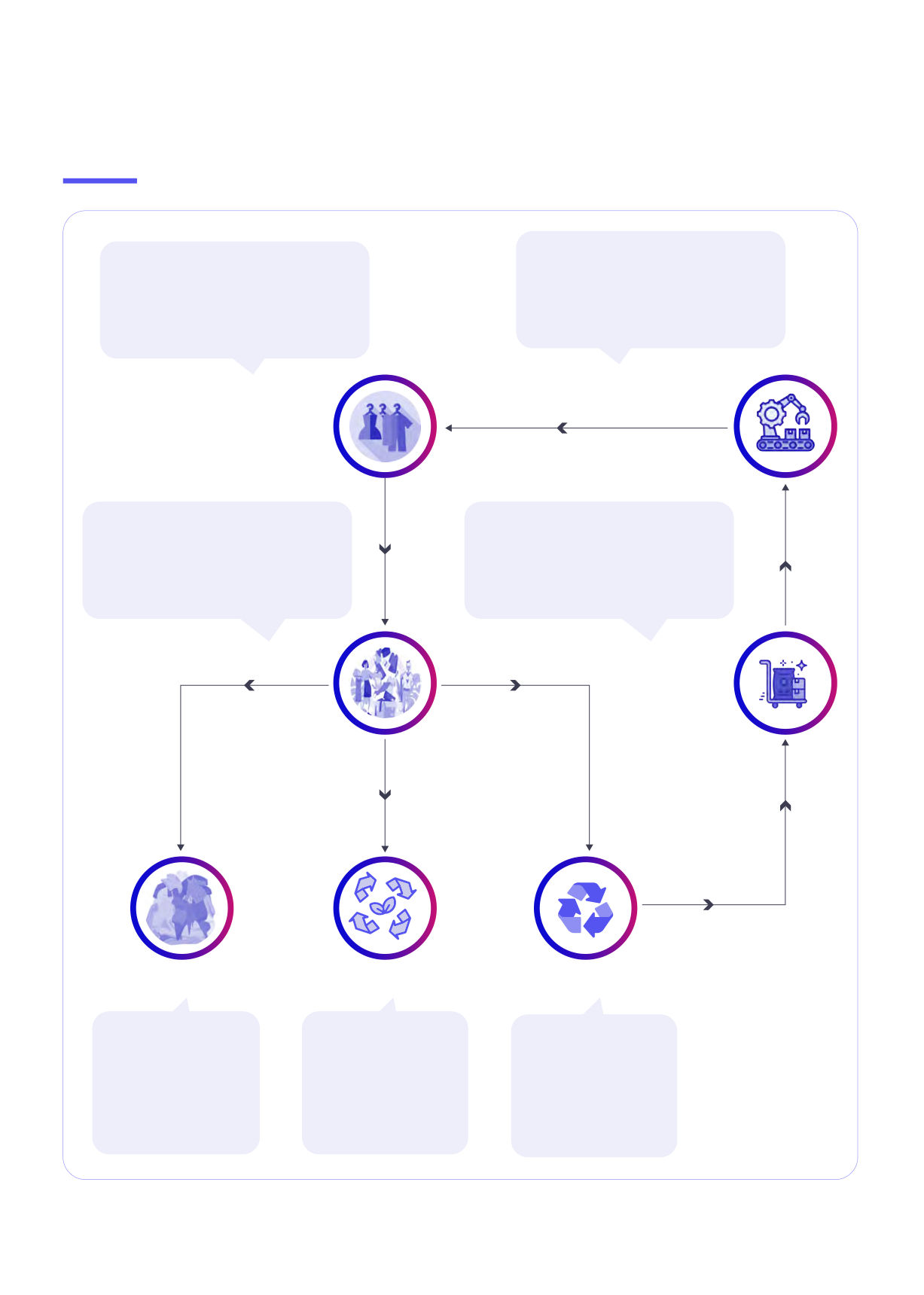
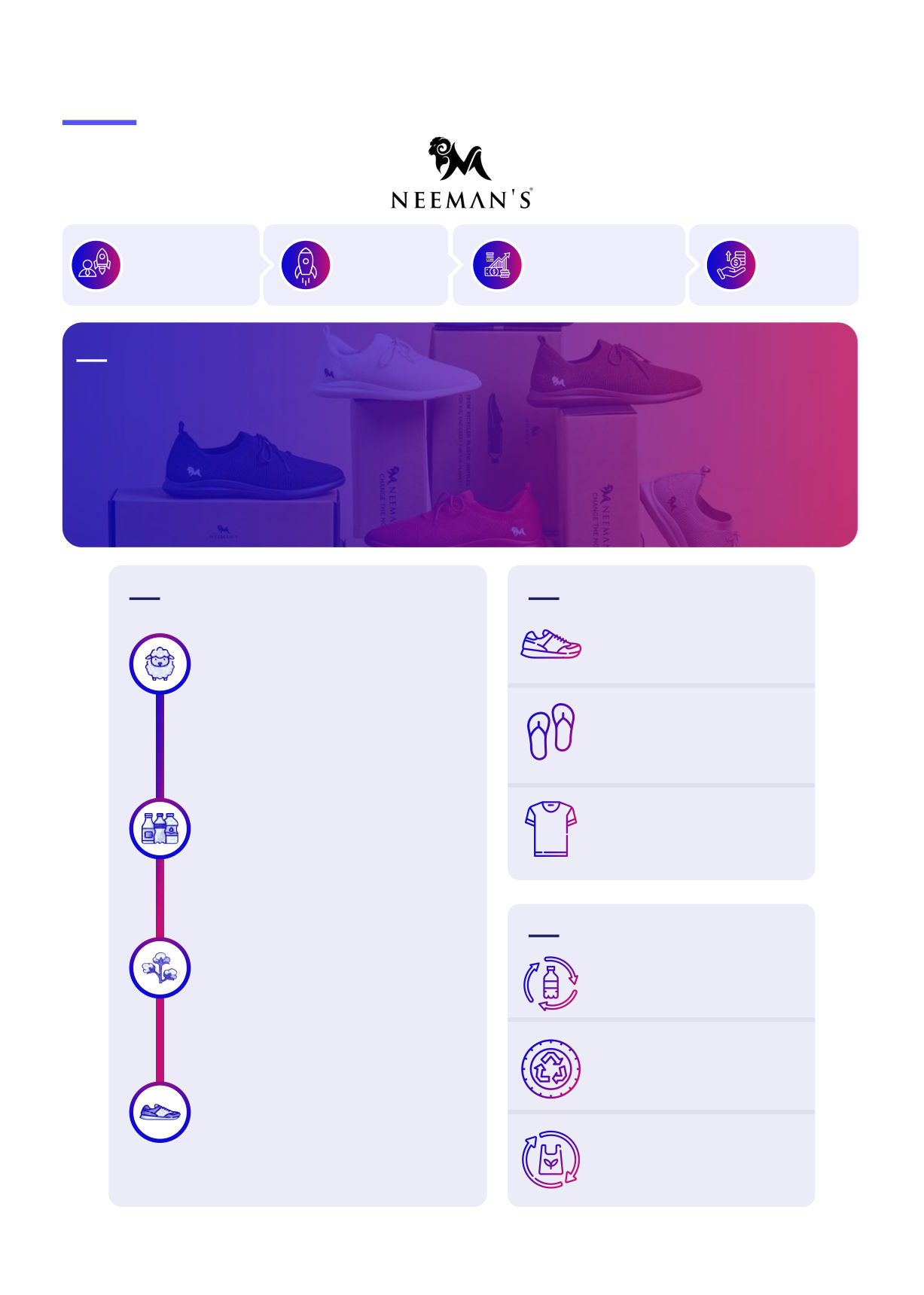
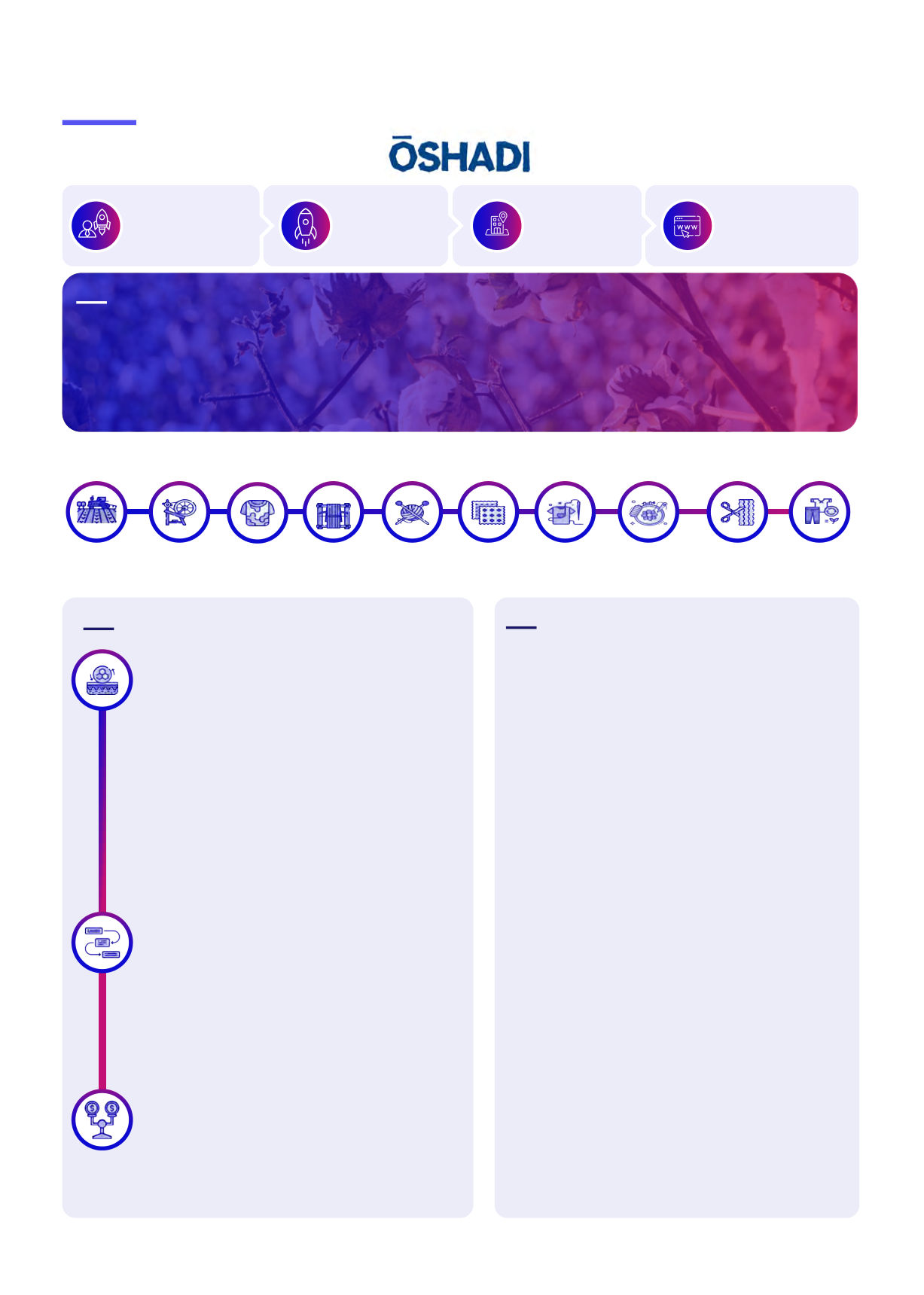
WEAVING THE FUTURE OF SUSTAINABLE FASHION IN INDIA Confidential and proprietary © 1Lattice DEC 2024 Foreword Sustainable fashion may be a fresh focus for the global industry, but in India, it has long been a way of life. The country’s ancient traditions, from khadi to handloom, have always prioritized eco-friendly materials, low-impact processes, and timeless craftsmanship. These practices reflect an understanding of sustainability that is now inspiring modern solutions to global challenges. Ashish Dhir Senior Director, Consumer and Retail As fast fashion takes a toll on the environment, India is uniquely poised to lead the shift toward responsible fashion. With innovations like Piñatex (a leather alternative made from pineapple fibers), bacterial and algae-based dyes, and 3D printing, the industry is finding creative ways to reduce environmental impact. At the heart of this transformation lies circular fashion, where materials are reused, repurposed, and recycled, minimizing waste and extending the life cycle of garments. This report explores how India is reimagining its fashion industry with a fresh focus on responsibility and innovation. Despite challenges like fast fashion dominance, limited access to sustainable materials, and gaps in local recycling infrastructure, brands are leading the way by embracing eco-friendly practices and launching collections that prioritize mindful production. With growing consumer awareness, India’s fashion industry is on the verge of a transformation, paving the way for a future that’s not only stylish but also conscious and impactful. The journey toward sustainable fashion is not just a necessity but an opportunity—an opportunity for India to lead by example and inspire the world with its rich legacy and forward-thinking solutions. At 1Lattice, we are excited to collaborate with visionaries across industries, fostering meaningful conversations and driving impactful actions to weave a more sustainable future together. Foreword At Apparel Resources, our mission has always been to connect the dots between innovation, impact and profitability - three pillars being the core of the fashion industry. As the proud organizers of the SustainableNXT Conference and Awards 2024 - themed 'Profitability with Sustainability' we are honoured to present this Sustainability Report: Weaving the Future of Sustainable Fashion in India, crafted by 1Lattice. Deepak Mohindra Editor-in-Chief & Chairman, This report stands as a beacon for the transformative power of Apparel Resources sustainability in the fashion industry. In a world grappling with the urgent challenges of climate change and resource depletion, the fashion sector holds both immense responsibility and unparalleled potential. However, without profitability, it's difficult for fashion businesses to be sustainable in real sense. That's what the report and the event are all about. India's deep-rooted traditions in sustainable craftsmanship serve as a benchmark to what can be achieved when innovation is blended with legacy. The insights and data captured in this report shed light on the strides being made by Indian brands, policymakers and thought leaders in championing a circular, ethical and eco-conscious approach to fashion. As we gather at the SustainableNXT 2024 platform, this report underscores the collective efforts required to reimagine the fashion ecosystem. It is not merely a reflection of the industry's progress but also a roadmap for what lies ahead. By embracing sustainability, we are not only addressing the environmental and social costs of fashion but also creating opportunities for innovation, collaboration and economic growth. We extend our heartfelt gratitude to 1Lattice for their research and on-point perspectives. Let this report inspire stakeholders across the value chain to act decisively and creatively as we stitch a Product in Spotlight: 1nsights Powered by 1nsights, our latest report, "Weaving the future of Sustainable Fashion in India", offers an in-depth exploration of India's burgeoning sustainable fashion market. This report delves into key themes, including the environmental footprint of the fashion industry, the rise of circular and conscious fashion, and the market's projected CAGR of 45%, reaching INR 25,000Cr by FY30. It highlights innovations like upcycling, eco-friendly materials such as Piñatex and Econyl, and the adoption of technologies like blockchain for transparency and AI for reducing waste. 1nsights, our premier market intelligence platform, transforms the way you understand the sustainable fashion ecosystem. With actionable insights, trade data analysis, and growth forecasts, this report equips you to navigate challenges like high costs and limited recycling infrastructure, while capitalizing on opportunities to align profitability with sustainability. TABLE OF CONTENTS 01 Fashion's environmental footprint 02 Indian sustainable 03 fashion Rise of market: sustainable Overview fashion & circularity in India 04 Future of sustainable fashion in India Executive summary Indian sustainable fashion market is projected to grow at a CAGR of 45% from INR 2.7K Cr in FY24 to reach INR 25K Cr in FY30 ~45% (CAGR of Indian sustainable fashion industry market FY24-30) ~INR 2,700 Cr ~INR 25,000 Cr (Indian sustainable (Indian sustainable fashion industry market fashion industry market size in FY24) size by FY30) ~326 crore kilograms per annum (Post industrial textile waste quantities in India (as of FY22)) ~394 crore kilograms per annum US$ 1,061 M (Post consumer textile waste (India's second-hand quantities in India (as of luxury market size by 2028) FY22)) ~ 13% Premium Indians are willing to pay for sustainable products) FASHION'S 01 ENVIRONMENTAL FOOTPRINT Importance of sustainability in Fashion industry Washing clothes consumes ~15,000 L of water, and less than 50% of textile waste gets reused or remanufactured making sustainability a necessity Environmental Impact • Conventional fashion consumes significant water, energy, and raw materials • Fashion industry water consumption: The fashion industry is the second-largest consumer of water globally • Carbon emissions and pesticide use: It accounts for 2-8% of global carbon emissions, 24% of insecticide use, and 11% of pesticide consumption • Buy Less: While our grandmothers bought only a few garments, we often buy more, thinking new clothes bring happiness, unaware that each such purchase carries environmental costs • Mind Your Laundry: Washing clothes 200 times a year consumes about 15,000 liters of water and energy , but adopting mindful laundry habits can significantly reduce this environmental impact Ethical practices • In India, the fashion industry faces ethical challenges such as lack of transparency and weak enforcement of labor laws, particularly in informal sectors • H&M promotes ethical supply practices by disclosing 98.5% of first-tier and 56% of second-tier suppliers, partnering with them to enhance sustainability • M&S upholds ethical labor standards through its Global Sourcing Principles , ensuring fair wages and decent working conditions in key sourcing countries via its Plan A program since 2015 Waste Reduction • Less than 50% of textile waste in India’s fashion industry is currently reused, repaired, or remanufactured • Think Before Disposing: Avoid discarding clothes; repair, donate, sell, or recycle them instead • Opt for Second-Hand, Swap, or Rent: Explore second-hand shops, organize clothing swaps, or rent clothes for occasional use to reduce waste • Minimize Fiber Blends: Reducing fiber blends makes clothes easier to recycle at the end of their life cycle, contributing to waste reduction Sources(s): Secondary research, 1Lattice analysis © 1Lattice | 08 The Indian context: Depicting the need for change Being a global textile hub, India remains one of the largest generators of textile waste, highlighting a key challenge in its fashion industry PUNJAB Known for its vibrant textile industry, producing garments with traditional Phulkari embroidery and fabrics like khaddar, while facing challenges from resource-intensive cotton farming and processing impacts DELHI Prominent garment hub known for WEST BENGAL export- oriented ethnic and Renowned for its knitting contemporary styles, facing industry and traditional challenges like high water use and textiles like Baluchari silk chemical pollution in dyeing and Tant sarees, focusing processes on hosiery production while facing challenges like energy-intensive manufacturing and water pollution from dyeing MADHYA PRADESH GUJARAT Produces Maheshwari and In Surat, which is a major Chanderi sarees that rely center for synthetic textile heavily on conventional production, excessive water cotton farming, which uses and chemicals are used in synthetic pesticides and dyeing and processing, leading fertilizers to water scarcity and pollution TAMIL NADU Key garment manufacturing hub, employs many workers in unregulated conditions, particularly in Kanyakumari As a global textile hub, India faces a MAHARASHTRA growing challenge with massive textile Home to numerous dyeing and waste generation each year, reflecting the finishing units especially in areas pressures of its booming industry like Ichalkaranji and Solapur , the water-intensive dyeing processes, relying on chemicals, have led to TEXTILE WASTE QUANTITIES IN INDIA pollution in water bodies (as of FY22) Post- consumer Post- industrial textile waste textile waste KARNATAKA ~326 ~394 Known for its Mysore silk, uses energy- intensive crore kilograms crore kilograms per annum per annum production methods that contribute to carbon emissions Sources(s): Worldowaste.com, Secondary research, 1Lattice analysis © 1Lattice | 09 Indian traditional practices align with sustainability & circularity Kantha embroidery is created on repurposed fabrics like sarees and sheets, while Khadi is handspun from locally grown cotton to reduce machine use Sustainable fashion is new to the world, but India's ancient fabric traditions have embodied it for centuries Pashmina Wool (Kashmir) Banarasi and Kanchipuram Silk Sourced from the undercoat of Made from natural silk without Himalayan goats, produced synthetic blends, these fabrics use through hand-spinning, weaving, traditional dyeing methods that and natural dyeing with minimal reduce chemical use machinery and chemicals FABRIC Khadi Fabric Gadwal Sarees Handspun from local cotton, These sarees combine cotton khadi minimizes machine use and silk using traditional and supports biodegradability, handloom techniques fostering a circular lifecycle Chikankari and Zardozi Ajrakh and Kalamkari Printing Techniques employ natural Embroidery Durable embroideries create dyes and water-efficient timeless pieces that encourage practices, conserving resources and minimizing waste longevity over disposability Technique Kantha Embroidery Block Printing Traditionally done on old Techniques like Woodblock fabrics like sarees and sheets, Printing use carved blocks Kantha repurposes discarded and natural dyes, minimizing textiles into decorative and waste and chemical use functional pieces, giving new life to worn-out materials Sources(s): Secondary research, 1Lattice analysis © 1Lattice | 10 INDIAN SUSTAINABLE 02 FASHION MARKET: OVERVIEW Market size & growth Sustainable fashion market in India is expected to grow to INR 25,000 Cr by FY30, growing at a CAGR of ~45% Indian Sustainable Fashion Market Size Prominent brands with sustainability targets (Both global and Indian companies) (INR Cr, FY24-30P*) 2025: All cotton, linen, and polyester used will be sustainable, organic, or recycled 25,000 CAGR 2030: Aims to achieve a 65% reduction in ~45% Scope 1 and 2 emissions 2030: Plans to use recycled polyester and 2,700 recycled cotton in their products FY24 FY30P* 2030: Aiming to reduce store emissions by 90% and supply chain emissions by 20% Emerging sustainable 2025: 100% of electricity in their company- players in India operated facilities will be from renewable sources 2025: Achieving 50% renewable energy usage across its facilities 2025: 100% of electricity in their company- operated facilities will be from renewable sources 2025: Make 30% of materials recycled in products 2025: Poweringits operated facilities with renewable energy & aims to work with factories that support worker well-being 2025: 50% of sustainable cotton sourced for business operations 2025: Plans to use only recycled polyester in all ofits products 2025: 100% of cotton used in its garments sustainable and increase use of recycled polyester to 50% Source: 1Lattice analysis © 1Lattice | 12 Trends and Consumer behavior India’s sustainable fashion thrives with slow fashion, upcycling, and mindful choices; Piñatex, bacterial and algae-based dyes reduce environmental impact Trends in sustainable fashion Circular economy & upcycling • Upcycling emphasizes creativity, and involves repurposing items in unique ways to give them a new life like turning vintage or discarded textiles into entirely new garments • Doodlage , a notable Indian fashion brand , creates sustainable clothing by repurposing textile waste and leftover factory materials, aiming to reduce waste in the fashion industry while offering unique, stylish garments Surge of vegan fashion • Prioritizing clothing and accessories made without animal products , promotes ethical and sustainable practices • A Big Indian Story uses plant-based vegan fibers like cactus leather, apple skin leather, hemp, and Texon for bags, wallets, and footwear Rise of sustainable materials • Moving toward biodegradable materials that reduce waste in landfills. Natural fibers like organic cotton, hemp, and linen are gaining popularity for their biodegradability , offering a sustainable alternative to synthetic fibers by reducing waste in landfills • Brands are increasingly experimenting with plant-based materials, such as mushroom leather, pineapple leather (Piñatex), and algae-based fabrics Digitization & virtual fittings • Virtual fitting rooms help customers find the right size and fit without needing to order multiple sizes, reducing returns and associated waste • Minimizing returns and the need for shipping back and forth, reduces the carbon emissions from transportation Eco-friendly dyes • Eco-friendly dyes are transforming textile dyeing to reduce pollution • Innovations like Colorifix’s bacterial dyes and algae-based dyes are leading sustainable practices • Technologies like Air-Ink, which uses pollution to create dyes, are driving eco-conscious change in fashion Eco-friendly Consumer behavior & Green CONCIOUS CIRCULAR • Consumers are becoming increasingly aware FASHION FASHION of environmental and social issues, driving demand for sustainable fashion • Shoppers now seek brands that emphasize sustainability, ethical practices, and Vegan & Upcycled & transparency Sustainable Cruelty-free Recyclable • ~53% of Indian consumers are aware of the Fashion environmental impact of their clothing choices, but ~38% find sustainable clothing too expensive, and only ~26% actively look for ETHICAL SLOW sustainable brands FASHION FASHION • Celebrities and influencers boost sustainable Thrifting fashion by endorsing eco-friendly brands Swapping & Renting Sources: Secondary research, 1Lattice analysis © 1Lattice | 13 RISE OF 03 SUSTAINABLE FASHION & CIRCULARITY IN INDIA Core components: Sustainable fashion value chain Product longevity, driven by quality, timeless designs, and circularity with take-back programs, forms the backbone of sustainable fashion Sustainable materials 1. Natural, resource- efficient fibers Organic and 2. Repurposed existing Recycled Biodegradable renewable materials materials alternatives material 3. Decomposes without pollution Ethical and transparent supply chain 1. Ethical worker Fair labour Transparency and treatment practices traceability 2. Clear sourcing information Eco-friendly production process 1. Reduced resource use Water and 2. Eco-safe coloring Chemical Low-impact energy methods management manufacturing conservation 3. Minimal production waste Product longevity 1. Classic, evergreen styles Quality over Timeless 2. Durable, design quantity long-lasting product Circularity in product cycle 1. Fix, don’t replace 2. Extend garment Repair and Resale and Take-back lifespan maintenance rental models programs 3. Brands recycle programs returns End-of-life recycling 1. Textile reuse centres Closed-loop Recycling 2. Fully recyclable infrastructure systems designs Sources: Secondary research, 1Lattice analysis © 1Lattice | 15 Core components: Circular fashion value chain The circular fashion value chain starts with collecting used clothes, followed by repurposing, recycling, and ends with the production of new garments Items being re-manufactured New garments are designed are products created from for longevity that are durable, recycled raw materials, where the fibers are processed and timeless, and can be easily crafted into new clothing repaired or upcycled Items being New re-manufactured Garments Using eco-friendly materials and Recycled clothes are broken process that reduce impact on down into raw materials , environment, such as organic ready to be used for creating fabrics, low-impact dyes, and new fabrics energy-efficient manufacturing Uses Raw materials Junkyard Repurpose Recycle Old clothes are Worn-out Some clothes are discarded and land repurposed into garments are new items, recycled to create in the junkyard , marking the end of extending their use new products their journey in the fashion cycle Sources: Secondary research, 1Lattice analysis © 1Lattice | 16 Eco-friendly materials driving sustainable fashion From Khadi's warmth to eco-friendly Piñatex and biodegradable banana fibers, these materials promote a greener future Traditional sustainable materials Modern sustainable materials Kasturi cotton Piñatex • Known for its superior quality • Made from pineapple leaf fibers, this and reduced environmental innovative material is a sustainable impact due to blockchain alternative to traditional leather traceability and sustainable • Globally, 76 million tons of waste farming practices leaves are produced each year, and • Contains only 2% or less trash, using these leaves instead of compared to the usual 3-3.5% in discarding them gives farmers standard cotton additional income Khadi Banana fiber • Fabric of freedom, is crafted from • Eco-friendly, biodegradable material natural fibers like cotton, embracing made from renewable pseudo stems sustainability and tradition of banana plants , utilizing agricultural waste without harmful • With a slightly rugged texture, Khadi chemicals provides warmth in winter and coolness during hot Indian • Strong, durable, lightweight, and has summers, combining comfort and excellent tensile strength, ideal for tradition versatile, long-lasting applications Hemp Bamboo • Hemp's strength, rapid growth, and • One of the fastest-growing plants, high yield position it as a vital it grows 12 inches daily , requiring eco-fashion material, driving its use no pesticides, fertilizers, or in diverse markets like activewear irrigation-only rainwater • Hemp grows in 4 to 12 weeks and • Fabric is breathable, moisture- fabric lasts up to 30 years, while wicking, heat-retentive, highly cotton takes 21 to 25 weeks to grow, stretchable, with a silky texture and fabric lasts only 10 years and elegant drape Organic cotton Econyl • Sustainably grown without • Recycled nylon made from waste synthetic pesticides or toxic materials like fishing nets and chemicals, reducing landfill waste carpets, matching the quality of and pollution new nylon and infinitely reusable • Organic cotton farming lowers CO • Used to craft luxury clothing, 2 emissions per 1,000 kg of fiber, handbags, hosiery, and lingerie, as mitigates climate change, and well as high-performance supports soil health for sustainable sportswear, swimwear, and textile production outdoor gear Linen Modal • Made from the sustainable flax • Semi-synthetic fiber from beech tree plant , which grows quickly and pulp, an enhanced type of rayon needs minimal pesticides and known for its strength when wet fertilizers, boosting its fabric • Doesn’t cling or feel cold when wet, is sustainability a popular cotton substitute in • At the end of its life, linen doesn’t activewear, underwear, t-shirts, and need to end up in a landfill; as a household items like bedsheets and natural fiber, it is completely towels compostable Sources: Secondary research, 1Lattice analysis © 1Lattice | 17 Sustainable fashion: Business models India’s sustainable fashion movement gains traction as pre-loved luxury, rental fashion, DIY refashioning, and clothing swaps reshape eco-friendly wardrobes Pre-loved and Clothing swaps & thrift fashion sharing economies Fashion rental Repair, refashion • Reuse strategy for • Growing services & DIY culture sustainability trends high-fashion are driving demand garments, where • Offer consumers • Extend garment life individuals connect for affordable, sustainable option to by mending, eco-friendly options in person or online to rent luxury clothing creatively exchange cherished, like pre-owned, rental, at affordable prices , redesigning, and and thrift fashion pre-owned reducing the need for personalizing clothing -from • Gen Z embraces frequent purchases through DIY vintage pieces to rental fashion , projects- turning • Items valued luxury items rejecting societal waste into wearable between INR 20,000 • “Share, don’t spare” consumption art and transforming and INR 15,00,000 are pressures while discarded items into mindset is gaining being rented for INR maintaining their style sustainable, traction as 1,500 to INR 1,50,000, understanding of eco-conscious • India's second- hand allowing access to fashion treasures fashion’s luxury market is set to luxury without environmental hit US$ 1,060.8M by maintenance or guilt • Some popular DIY impact grows, with 2028, growing at an fashion hacks include • Monthly or seasonal pre-owned clothing annual rate of 12% patchwork and subscription models projected to make up from 2023 to 2028, quilting, creating are cornerstone of one-third of driven by the handmade rental and leasing wardrobes by 2033 increasing aspirations accessories , adding businesses in fashion of young buyers and embroidery and allowing customers to consumers in Tier-2 beading , and rent curated number and Tier-3 cities experimenting with of items for a set fee tie-dyeing • Chanel, Louis Vuitton, • PurvX, Elanic, • Omnichannel fashion • Péro, Rkive City, Hermes, Gucci, Swapaholic, rental platforms such Back Alley Burberry, Rolex, and Bombay Closet as Flyrobe, Stage3, Bodega, No Grey Cartier are some of the Cleanse, and Rent It BAE, Lionise, Area, and K Ardo brands excelling in the Dopplle are some Date The Ramp, Rent are some Indian second-hand fashion of the notable At TALI, Kirayepe, and brands turning market through a clothing Rent An Attire have old clothes into curated selection of swapping emerged in India over trendy new luxury items, with platforms in India the past decade fashion , making Chanel leading the upcycling the next market in 2023 • Flyrobe, India's first big thing in • Bags were the most fashion rental sustainable style popular resale items startup , has been at 49% , followed by acquired by Rent It watches (21%), jewelry Bae , and the two (13%), clothing (9%) , companies have and shoes (4%) merged to operate under the Flyrobebrand Sources: Secondary research, 1Lattice analysis © 1Lattice | 18 Sustainable fashion: Growth drivers Consumers are willing to spend more on eco-friendly clothing, and brands like Nexus are adopting 3D printing technology to reduce material waste Sustainability driven purchasing • Climate consciousness is driving sustainable choices, with Indians willing to pay 13.1% more for sustainably sourced goods, compared to 9.7% globally • Millennials (73%) and Gen Z (75%) are increasingly willing to pay more for sustainable products with many willing to pay more for eco-friendly clothing reflecting a significant shift toward brands that align with their values EXAMPLE Brands like Chumbak and B Label have capitalized on this trend by offering stylish, sustainable options, meeting the demand for fashion that aligns with environmental values Technological innovation • Advances in technology are facilitating sustainable practices within the fashion industry. Innovations such as lab-grown materials, 3D printing, and digital design tools are helping reduce waste and resource consumption in production processes EXAMPLE Indian startups are leveraging technology to promote sustainability. For instance, uses digital platforms to connect artisans with consumers, reducing waste and enhancing transparency in the supply chain. Additionally, companies like Nexus are exploring 3D printing to minimize material waste Government regulations • Stricter regulations aimed at promoting sustainability in manufacturing processes are encouraging brands to adopt more environmentally friendly practices. This regulatory pressure is pushing companies to reevaluate their supply chains and production methods EXAMPLE The Indian government is implementing stricter regulations to promote sustainable practices. Initiatives like the Sustainable Fashion Initiative encourage brands to adopt eco-friendly practices. Compliance with these regulations is prompting companies to rethink their production methods, as seen with brands like Fabindia , which focuses on sustainable sourcing Sources: Secondary research, 1Lattice analysis © 1Lattice | 19 Sustainable Fashion: Challenges High costs, fast fashion, and limited materials challenge India’s shift to sustainable fashion, impacting awareness, support, and accessibility High production costs • Sustainable materials such as organic cotton, hemp, and eco-friendly dyes often come with higher production costs compared to conventional textiles • This makes sustainable fashion more expensive f or both brands & consumers, limiting its accessibility to a wider audience Fast fashion dominance • Frequent purchases of affordable, trendy clothes involve nearly 8,000 chemicals in processes like wetting, dyeing, and bleaching • Low prices & fast trends lead to poor-quality clothes with short lifespans , encouraging frequent buying and more waste Regulatory challenges • India lacks targeted policies or initiatives to support sustainable fashion, making it challenging for entrepreneurs to secure funding and resources • Lack of government support limits the visibility and market presence of sustainable fashion brands Inadequate Local recycling infrastructure • Textile recycling and waste management systems in India are underdeveloped, limiting the ability to recycle old clothing and textiles • Leading to high levels of textile waste, which further exacerbates environmental issues associated with the fashion industry Limited availability of sustainable materials • Sustainable materials are limited in India and often imported, making them costly and less accessible for small-scale entrepreneurs • By 2030, the demand for sustainable raw materials could surpass supply by nearly 133 million tons Lack of awareness • As of 2023, only 50% of Indian consumers are aware of the environmental impact of their clothing choices and the importance of sustainable fashion • Many consumers are oblivious to sustainable fashion certifications and labels, making it hard to distinguish eco-friendly products from conventional ones Sources: Secondary research, 1Lattice analysis © 1Lattice | 20 Sustainable Fashion: Investment landscape Recent investments in sustainable fashion include Brown Living ($101K), Dressfolk ($648K), and Neeman’s ($8.5M) driving eco-conscious and handcrafted innovations Amount Company Description Round Deal date Investor Names (US$ K) Online Seed Undis- 14-10-2024 Institutional: Blink digital marketplace closed Angel: Sanjay Nayar, Bharat Iyer offering multi-category Angel 30.4 29-08-2023 Sameer Nagpal products Angel 101 23-06-2023 Pragya Kapoor, Deven Ashar Institutional: All In Capital, 3 Peaks Ventures, Eaglewings Ventures Seed 190 10-06-2024 Angel: Abhishek Malhotra, Nikhil Kant, Dhawal Internet first Jain brand offering Institutional: All In Capital, Patronous handcrafted Enterprises FinFirst, Angel List, Victora ethnic wear for Stockinvest, Desai Endeavours, Deora Group women Seed 648 05-05-2023 Angel: Sidhant Keshwani, Riju Jhunjhunwala, Vikrampati Singhania, Prabhtej Singh Bhatia, Megha Vishwanath, Apurva Ramesh Damani, Vidur Kataria, Arjit Alok Johri Institutional: Anicut Capital, Gujarat Venture Capital, Sharrp Ventures, Vikramaditya Mohan Series B 6,400 11-11-2023 Thapar Family Trust Internet first Corporate : Vanadium Trust, Survam Partners, brand offering Zasa Advisory, T Sawhnwy Enam Investments eco friendly Institutional: Sixth Sense Ventures, Anicut footwear Series B 8,500 02-05-2023 Capital, Dominor Angel: Kaval Preet Singh, Siddhant Sanghvi Institutional: Venture Catalysts, Agility Ven- Internet first tures, Z Nation Lab, Fulpati brand offering Corporate: Bestvantage Investments, Droom, Seed 1,000 22-06-2023 baby and kids Leeway Trustee, Magadhtechno, Helios Holdings products Angel: Hiro Mizushima, Sandeep Agarwal, Ashok Bahadur, Prerna Harjani, Abhishek Kochhar Internet first brand offering Angel 61.7 23-01-2023 Angel: Prateek Jain casual wear for men Institutional: Hearth Ventures Internet first Seed 444 01-08-2022 Corporate: Bestvantage Investments, Ingenious brand offering Advisors multi-categor y eco-friendly Angel: Lokesh Nagappa, Jyoti Khandelwal, fashion Monish Purushothaman, Binu Hemjith, products for Angel 434 18-12-2021 Vishwanath Hariharan, Chirag Kumar Bhavsar, men and Clinton Rebello, Avanish Chander Jain, Nirmesh women Prakash Internet first brand offering Seed 1,340 17-02-2022 Institutional: Kalaari Capital apparel wear for women Source: Tracxn, 1Lattice analysist © 1Lattice | 21 Sustainable brands Many players are emerging in the sustainable brand space with Neeman’s being one of the leading sustainable brands with the highest revenue Founded 2011 2015 2013 2017 2017 Apurva Kothari Rekha Datla and Abhishek Lodha Udit Sood Taran Chhabra (Ex-Deloitte, Shivangini Parihar and (IIM Calcutta) (Business University of Neerja Lakhani Sanjiv Sood Analytics Leader, Texas) (NIFT) (IIT Bombay) USA) Founders Amar Preet (Operations Veteran) Revenue (FY 2021 105.1L 343.4L 514.3L 10.4L 4,717L -22) No Nasties is a The Summer Inner Sense is a EcoRight is a Neeman’s is an Indian footwear sustainable House is a lingerie brand sustainable brand known for fashion brand sustainable that focuses on lifestyle brand its sustainable from India that fashion brand providing that creates organic, eco-friendly and eco-friendly focuses on from India that Overview antimicrobial products such approach which creating 100% focuses on innerwear in organic, fair as sling bags, focuses on creating trade, and which they offer eco-friendly, handbags, tote creating vegan clothing artisan-made variety of styles bags, grocery comfortable and clothing and bags, and more stylish shoes homeware Organic cotton Apparel such as Women's lingerie Reusable bags Footwear dresses, tops, apparel for including bras, including tote including bottoms, and panties, and bags, shopping sneakers, men, women, Product home textiles loafers, and camisoles made bags, pouches, and children offering including slip-ons made from organic and other including bedding and from natural and t-shirts, and accessories made dresses, and table linens recycled antimicrobial from sustainable accessories materials fabrics materials • No Nasties is • 23.87% of the • Uses organic • Recycled 5L • 32L+ bottles 100% organic garments are materials plastic bottles, recycled, 49K Kg made of and conserved tyre recycled • Vegan handwoven antimicrobial 57,00,000L water, and 44L+ plastic clothing fabrics properties for and generated bags avoided • 372L water comfort and 4,30,000MJ solar with paper • 97% of the savings Unique hygiene power packaging garments are • 6.9L Kg CO2e Selling made with • Emphasizes • Creates bags • Uses materials offset Point natural fibers sustainable and accessories such as merino • 1.7L trees (USP) production from organic wool, organic • Uses planted methods and cotton and cotton, and high-quality offers a wide recycled fabrics, recycled PET • Carbon-neut fabrics like range of emphasizing bottles , ensuring ral shipping ECONYL innerwear sustainability their footwear is • Plastic-free regenerated and reducing both stylish and nylon and packaging plastic waste eco-friendly ethical Tencel Source(s): Company’s website, Tracxn, 1Lattice Analysis © 1Lattice | 22 Circular fashion process and brands Circular Fashion- leading brands innovate with design, repair, upcycling, reselling, and recycling Brands leading in circular fashion Worn Wear Program : Renew Program: Encourages customers Design for Buys back used Eileen to repair, share, and longevity Fisher clothing for resale recycle their Patagonia or recycling purpose. products. Conscious Sustainable Sourcing: Collection: Utilizes Prioritizes eco-friendly Sustainable organic and recycled fabrics and transparent production materials for supply chains in production. production practices. Clean Out Kit: Posh Parties: A social Provide customers feature that allows users to with a kit to send host virtual parties to sell Re-commerce their unwanted and buy secondhand clothing for resale. fashion, fostering a community around reselling. Clothes the Loop: Well Thread: provides Encourages customers to denim recycling, repair return used gear for Repair and services, and DIY kits to repair and recycling, maintenance extend the lifespan of jeans. promoting longevity in outdoor products. Upcycling Initiative: Circular Fashion Transforms discarded Production: Creates Upcycling and Indian saris into garments and accessories recycling fashionable products, from textile waste, focusing promoting the repurposing on upcycling and of textile waste. sustainable practices. Rental Service: Offers Thrift Store: It is a platform designer clothing and that allows users to set up Reselling and accessories for rent, their own shops for selling sharing providing access to pre-owned items. high-quality fashion without purchase commitment. Repair and Recycle Upcycling Initiative: Program: Offers free repairs Creates luxury designs End-of-life and recycles old jeans into from upcycled materials, management new products, ensuring emphasizing responsible end-of-life sustainability and management. reducing waste. Source(s): Company’s website, Secondary research, 1Lattice Analysis © 1Lattice | 23 Case Study: Neeman’s Sustainable fashion segment case study: Neeman’s Founders Total Equity Funding Revenue Launch year Taran Chhabra US$18.9M ~INR 7,000L (7 rounds-2 seed/ Business Analyst, 2017 (FY23) New Jersey USA 4Early-stage/1Debt) Overview • Neeman's crafts footwear from natural and organic materials, focusing on reducing carbon footprints. Their designs blend comfort and eco-friendliness, creating shoes that are good for the planet • The yarns used in all our footwear are clean, natural, or made of renewable components • After 5 years and over a million pairs sold, the brand is known for transforming footwear trends with a focus on comfort and sustainability • Its stores can be found in Hyderabad, Bengaluru, and Mumbai Product features Offerings Relieve Knit Sneaker: Merino Wool: The uppers are Shoes made from made from Merino wool, a recycled bottles. natural fiber from Australian Merino sheep, known for being incredibly thin, light, and flexible, Eco Flips: which adds unique features to Slippers made from the shoes recycled tyre. Recycled Plastic Bottles: Plastic bottles dumped in oceans are a significant concern, so in the T-shirts: pursuit of sustainable footwear, Carbon negative PET bottles have been recycled T-shirts and polos into shoes that offer supreme comfort and reduce carbon footprints Cotton: Though cotton sneakers Quantifiable Impact have always been available, using only all-natural cotton makes them stand out 32L+ Plastic Though cotton sneakers are bottles recycled widely available, these are unique because they are made from all-natural cotton 49K Kg’s One pair of shoes. All-Day Tyres recycled Comfort: One pair of shoes offers all-day comfort and standout style, crafted from sustainable materials to make you feel like 44L+ Plastic Bags avoided you're walking on clouds with paper packaging anytime, anywhere Source(s): Neeman’s website, Tracxn, 1Lattice analysis © 1Lattice | 24 Case Study: The Summer House Sustainable fashion segment case study: The Summer House Founders Total Equity Funding Revenue Launch year US$ 329K Rekha and ~INR 343.4L 2015 (1round seed funding) Shivangini (FY22) Overview • Summer House ensures fair wages, safe working conditions, and transparency throughout its supply chain. • Uses eco-friendly fabrics like organic cotton, linen, and recycled materials, prioritizing minimal waste, low-impact dyes, and eco-conscious practices • Brand is known for its minimalist, timeless designs with clean lines and subtle colors and works closely with artisans and skilled craftspeople to support traditional craftsmanship • Maintains an ongoing partnership with 17 craft clusters across India, enabling the design of original textiles and handmade garments Product features Offerings Clothing: swimwear, pants, Swimwear: made from Econyl®-regenerated nylon dresses, tops etc. sourced from recycled fishing nets and fabric scraps-reduces Home textiles: environmental impact and salad bowl, basket, embodies a commitment to towel etc. sustainable fashion Artisans: Collaborating with 952 Gift cards skilled artisans , the brand preserves traditional techniques like hand-block printing and Ajrakh , empowering local Quantifiable Impact communities and ensuring high-quality, authentic products 23.87% of our garments while promoting cultural heritage are made from and ethical practices handwoven fabrics Fabrics: Using sustainable materials like Tencel from 9087 meters of artisans – responsibly harvested trees and made fabric ordered undyed organic cotton, this brand minimizes pollution. Their denim is crafted from recycled 1398.2 meters of Khadi fabric through a mechanized, ordered in which yarn is electricity-free process spun by hand and the fabric is handwoven , thus Relove: A space for you to buy & eliminating the use of sell verified, preloved garments electricity process from The Summer House 97% of garments are made with natural fibres Source(s): The Summer House’s website, Tracxn, 1Lattice analysis © 1Lattice | 25 Case study: Oshadi Sustainable fashion segment case study: Oshadi Headquarters Website Founders Launch year Erode, https://Oshadi.in/ Nishanth Chopra 2016 Tamil Nadu Overview • The brand has transformed into a sustainable "seed-to-sew" supply chain, embracing eco-friendly practices across all clothing production stages to support earth regeneration • Cultivating a new fashion system, rooted in ancient Indian agricultural practices and artisan heritage, centered around a 250-acre regenerative cotton farm • Their farmer-first model empowers farmers to set cotton prices, aiming to restructure the supply chain for fair profit distribution and alleviate the burden on workers and artisans Oshadi’s supply chain Farming Spinning Dyeing Weaving Knitting Printing Finishing Embroidery Cut & sew Recycling A new model for the global fashion industry Collaborators Christy Dawn Regeneratively grown materials • Californian fashion label Christy Dawn • Employs restorative practices to grow became the first to collaborate with the cotton and indigo, enriching the soil with complete seed-to-sew supply chain , nutrients and enhancing its creating its exclusive 'Farm-to-Closet' carbon-capturing capacity collection • This approach nurtures the land while • Brand was allocated 24 acres of land, where supporting ecosystem biodiversity and farmers grew the cotton, which was then promoting a healthier environment for processed, spun, dyed, woven, and wildlife block-printed by experts & artisans Radically transparent process Richard Malone • Every step of the production process is managed by the collective, employing • Oshadi's first collection, launched at Paris local individuals on fair terms rather than Fashion Week i n 2016, featured designer relying on multiple suppliers or Malone's expert transformation of artisanal fabrics into functional, contemporary intermediaries designs • Ensures transparent sourcing and adherence to ethical and environmental • Oshadi's collaborative approach led to standards, enabling businesses to share creating textiles for Malone's award-winning the origins and stories of their materials 2019 I nternational Woolmark Prize collection, focusing on the regenerative supply chain with customers Stella McCartney Fairly distributed profit • Collaborated with British designer Stella • Burden of fashion production often falls McCartney on the 2018 Commonwealth on farmers, mill workers, and artisans, but Fashion Exchange, a project centered Oshadi is transforming this system with a around cross-cultural collaboration farmer-first approach • Featured peace silk , harvested from empty • By allowing farmers to set the price of cocoons, handwoven, and naturally dyed by cotton instead of buyers, Oshadi ensures artisans, then crafted into couture for the fair profit distribution across the Buckingham Palace exhibition production process Source(s): Oshadi’s website, Tracxn, 1Lattice analysis © 1Lattice | 26 FUTURE OF 04 SUSTAINABLE FASHION IN INDIA Way Forward India’s sustainable fashion market set to soar with eco-aware consumers, tech advancements, and government initiatives By making sustainability both affordable and desirable, India has the potential to lead the global market in sustainable fashion Consumer awareness • Indian consumers are becoming more aware of the environmental impact of their purchases, leading to a higher demand for sustainable and ethically produced clothing • Sustainable fashion market in India is expected to reach $9 billion by 2025, driven by increasing consumer awareness Sustainable brands • Atelange, No Nasties, Doodlage, B Label, Maati, & Upasna are some of notable upcoming Indian sustainable fashion brands • H&M & Zara, noted for their sustainable fashion initiatives, hold significant place in the minds of Indian consumers, with preference rates of 56% & 46% Government initiatives • Government initiative supports sustainable fashion like Sustainable Fashion and Indian Textiles (SUIT) help entrepreneurs and promotes eco-friendly textile production • Handloom and Handicrafts Development Programme preserves traditional, sustainable textile methods and local craftsmanship Sustainable fashion tech • Advances such as 3D knitting machines, AI and blockchain technology are enhancing efficiency and sustainability in the fashion industry • Blockchain allows consumers to trace a garment's journey from raw material to finished product, while AI optimizes production processes and reduces waste Sustainable fashion weeks • Lakmé Fashion Week and RISE Worldwide, formerly IMG Reliance, have launched initiatives to raise awareness about sustainable fashion's benefits • For over a decade, L akmé Fashion Week has dedicated a day each season to Sustainable Fashion Circular fashion • Future of circular fashion in India is promising, with fast fashion companies investing in sustainable solutions to improve their environmental impact • Circular Design Challenge (CDC) is India's premier award for sustainable fashion, providing a platform for designers who prioritize circularity in their design principles Sources: Secondary analysis, 1Lattice analysis © 1Lattice | 28 About Apparel Resources With a rich history spanning over 30 years, Apparel Resources has established itself as a renowned fashion business media house. It serves as a pivotal hub, seamlessly bridging the gap between fashion buyers, sellers, and all the stakeholders that form the intricate tapestry of the industry. Through its innovative platform, Apparel Resources unites these two vibrant worlds, creating an engaging and interconnected space where industry players can thrive. The company is well known for its benchmark publications – Apparel Online, FashTech Journal and Resource Guide published from India, Bangladesh and Vietnam. These publications have been supporting, guiding and standing by garment exporters, the retail industry and tech providers globally, providing them a platform to source and communicate better. Propelled by the primary objective of facilitating the growth of the industry, Apparel Online highlights issues related to and for the apparel industry pertaining to product, retail market, trends, sourcing strategies, compliance, human resource concerns, sustainability, policy matters and benchmark practices in various companies/countries. From 2019, we introduced a premier sourcing event, Apparel Sourcing Week (ASW), the first of its kind Go-To Sourcing Platform in India for all the retailers and brands looking for premium manufacturers from around the world. Over the 5 years, the event has grown massively by three times in its scale. Our other renowned events include Fashion Tech Week, India’s first-ever fashion B2B Marketplace Conference – The Marketplace Conference, AR Fashion Supply Chain Summit, and SustainableNXT Conference and Awards. The exclusively curated content gets published on the website www.apparelresources.com (where we have around 10,000 viewership on a daily basis), LinkedIn and other digital channels such as Facebook, Twitter and Instagram and this content reaches to right audience through these well-built platforms of ours. Having said that, we are particularly very strong on LinkedIn where we have over 300,000 plus followers. We also bring out directories for ease of doing operation and our famous directory is Resource Guide, which is an annual publication, listing manufacturers, exporters, importers, distributors, retailers of all kinds of trimming and embellishments along with educational books and reports for the institutes and the industry As part of our corporate commitment, and under the umbrella of knowledge sharing, we also organize technical seminars, webinars, workshops for trend forecasts and other such initiatives on topical subjects of interest to the industry, for the industry and the institutes. Author’s Profile Ashish Dhir Senior Director, Consumer and Retail E: ashish.dhir@1lattice.com Ambuj Gupta Group Manager, Intelligence and Insights E: ambuj.gupta@1lattice.com For media queries, Urbashree Bayan Associate Manager – Corporate Communications please contact E: communications@1lattice.com www.1lattice.com Disclaimer: This material has been prepared by 1Lattice, which is the trade name of Lattice Technologies Private Limited (“1Lattice”, “we” or “our”) with the intent to showcase our capability and disseminate learnings to potential partners/clients. This material can be referred to by the readers on the internet but should be referenced to 1Lattice, if reused or adapted in any form, or medium and on any forum. The frameworks, approaches, tools, analysis and opinions are solely 1Lattice’s intellectual property and are a combination of the collection of the best data we could find publicly, and the 1Lattice team’s own experiences and observations. Any information provided herein is only for informational purposes and you are advised to perform an independent analysis of the same before making any decision based on such information. The information does not constitute any business advice or guidance and is to be construed as a general summary based upon the publicly available information and our interpretation of the same using our resources. For this material, we may have relied upon different sources of information which may be primary sources, publicly available information, and relevant information available with us. We make no representation or warranty, expressed or implied, that such information is accurate or complete, and nothing contained here can be construed as definitive predictions or forecasts. Before reading further, the Recipient expressly agrees that this might not address any and all risks and challenges facing the Recipient, its business, and the markets within which it operates, nor all possible market conditions. Any use of the information provided herein by the viewer shall be at the sole risk of the viewer and 1Lattice or its business partners, affiliates, agents, officers or employees shall not be liable for any unintended or adverse effect or outcome from the use of such information by the reader. 1Lattice does not have any duty to update or supplement any information in this document. 1Lattice shall not be responsible for any business or commercial loss sustained by any person who relies on any information provided herein. Any and all logos of companies used in the information provided herein have been published for information purposes only and 1Lattice does not hold any liability in connection therewith. 4 200+ Offices in India Annual engagements 150+ 50+ Team members Inhouse research team 1,000+ 2M+ On-ground staff B2C Panel 500K+ 300K+ B2B Panel Experts & professionals 20% 100% Cost savings Controlled output & timeline What We Do Making organizations effective through data-driven insights, Vision innovative products solutions and proven expertise to enable better decisions To provide technology led solutions that unlock that power of trustable data, actionable research, and deep network Mission of experts Technology Data + People/ Accumulated Professionals/ knowledge Service providers Research The team at appreciates your time and support Enabling better decisions. Delhi NCR | Mumbai | Bengaluru | UAE | KSA | Singapore