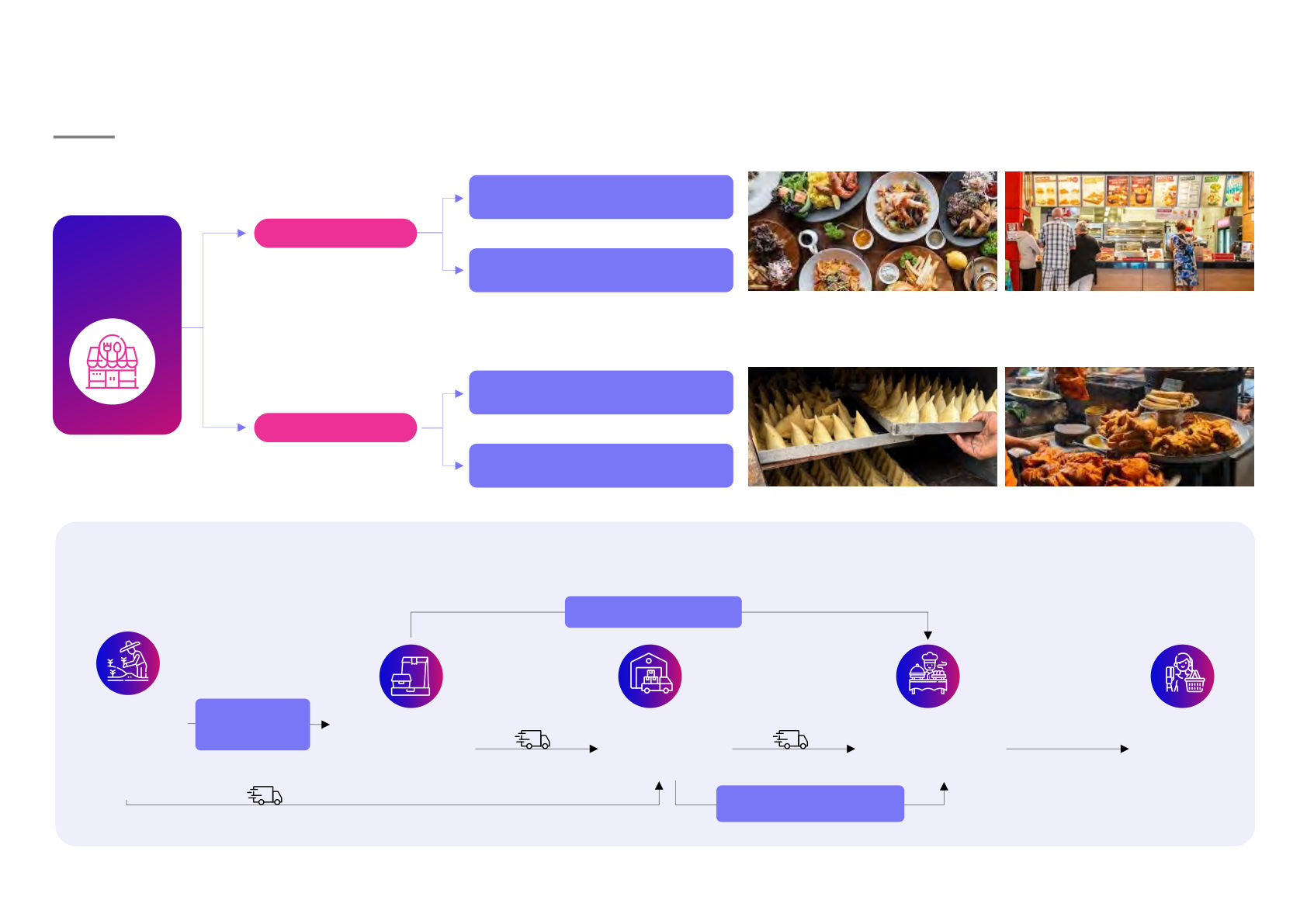
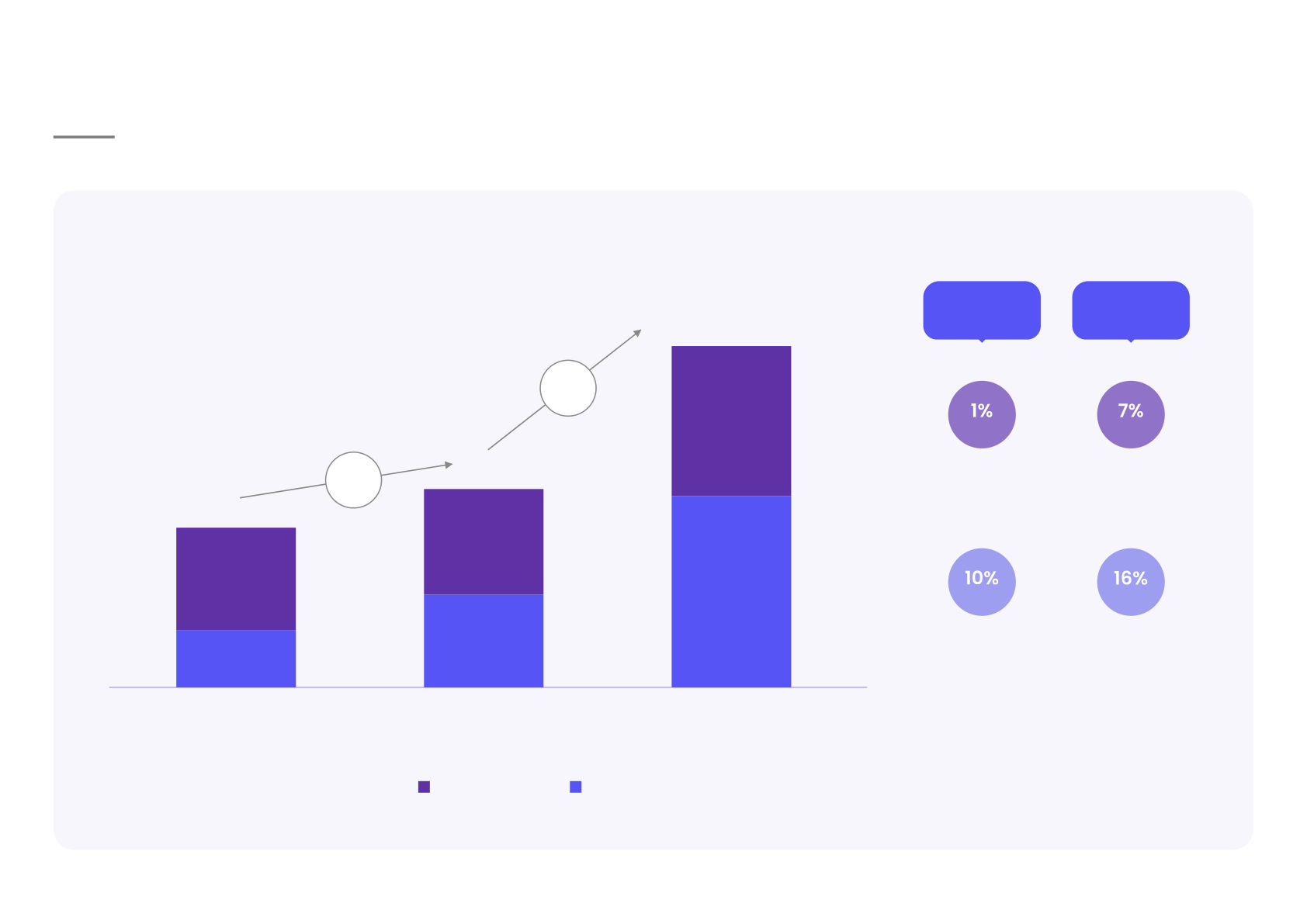
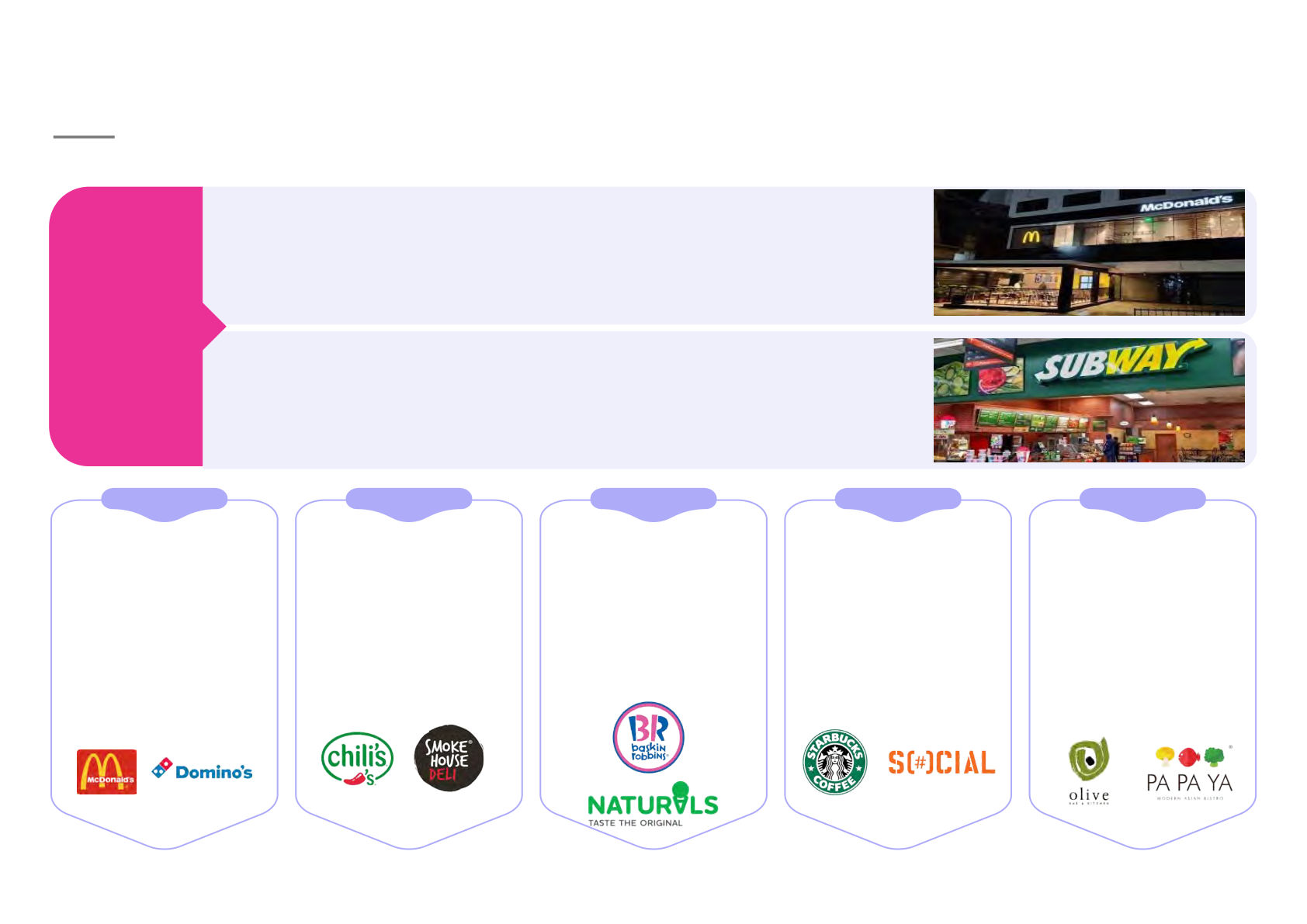
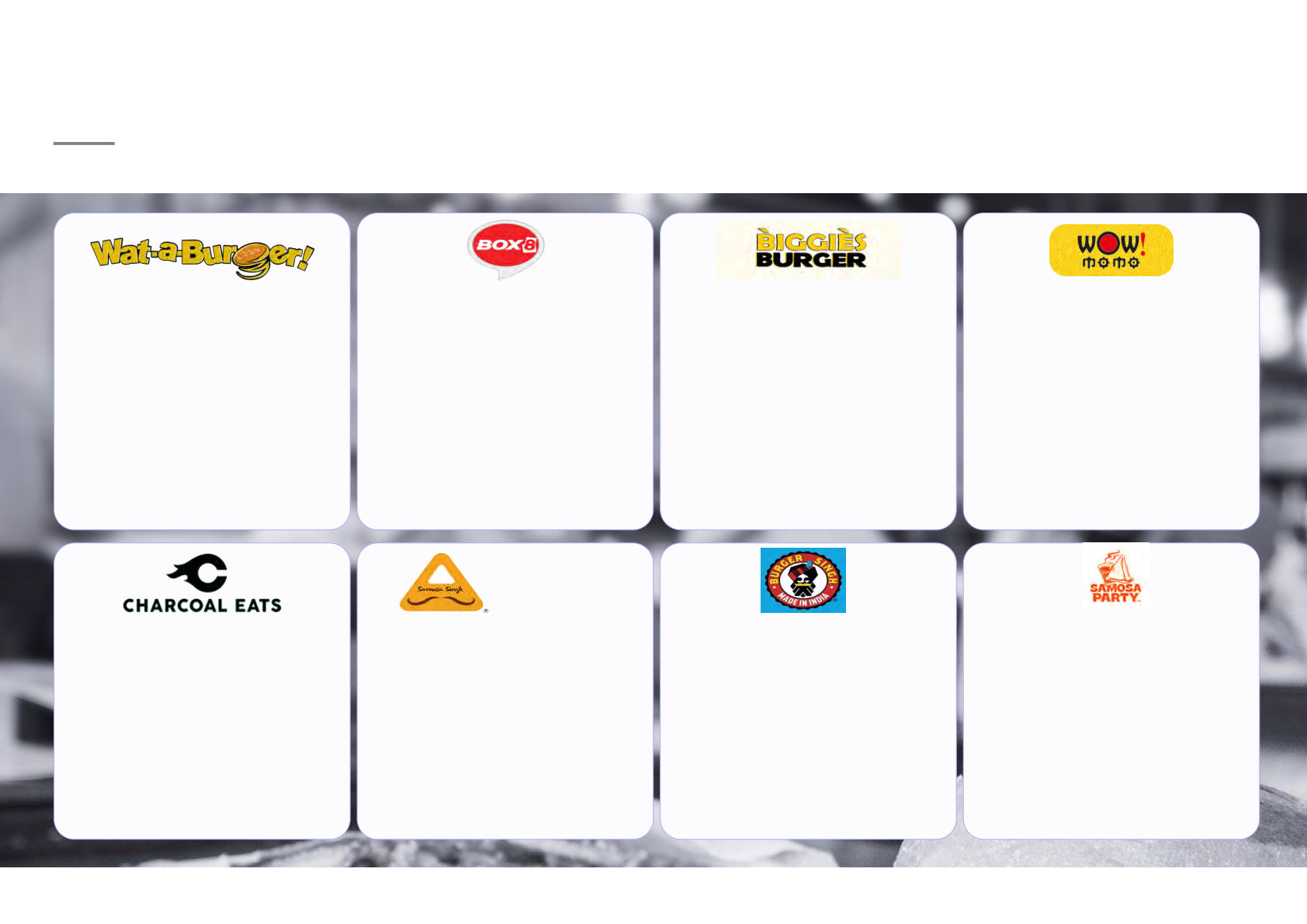
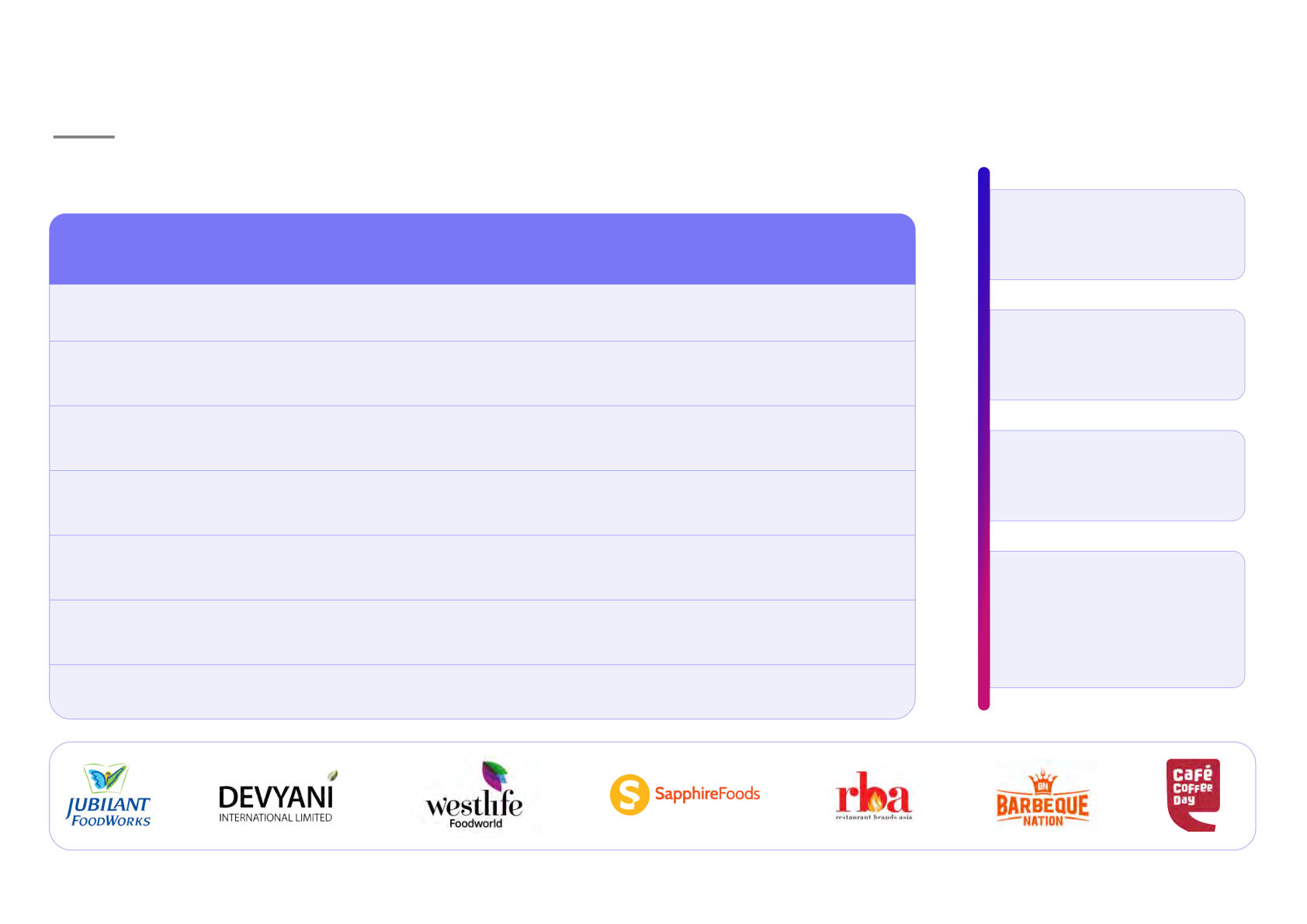
FEAST AND FAST Quick Service Restaurant (QSR) Industry Report @Lattice Technologies Pvt. Ltd. JULY, 2024 Foreword As we step into a new era of dining experiences, the Quick Service Restaurant (QSR) industry finds itself at a turning point, on the brink of significant growth and evolution in response to changing consumer preferences, technological advancements, and market dynamics. The Indian QSR market is estimated at ~USD 6.2B in FY23 and is projected to reach INR 15.1B by 2028. What was once a quick-meal option has now become an integral part of our daily lives, offering not just food but also a canvas for culinary creativity and fun dining experiences. Abhishek Maiti Ashish Dhir Director Senior Director, Consumers today seek more than just a meal; they crave Technology and Internet Consumer and Retail convenience, quality, and variety, all delivered with a touch of personalization. Consumers are increasingly conscious of the impact of their choices, driving QSRs to adopt eco-friendly practices, source responsibly, and support local communities. In this dynamic environment, technological integration has emerged as a driving force, revolutionizing how QSRs operate and engage with their customers. Moreover, sustainability and social responsibility have become key pillars for QSRs, reflecting the industry's commitment to environmental stewardship and community engagement. We, at 1Lattice, look forward to continuing the discussion with our friends across sectors and exchanging notes. Product In Spotlight The report was curated using our flagship product, 1nsights. Consistently taking the center stage in our partnerships, it helps us gather strategic and insightful knowledge in this dynamic industry. 1nsights is a robust suite of tools and data which equips you to excel and outperform in your respective markets, through in-depth market assessments, granular competitive benchmarking, and precise price benchmarking. We ensure your product or service stands out in a competitive landscape with strategies rooted in market realities. Using 1nsights, we have uncovered key developments in the Quick Service Restaurant (QSR) industry and how its positive trajectory will bring exciting opportunities to India's food and grocery segment. This report taps into the dynamic QSR landscape, compiled using 1nsights. Executive summary Quick Service Restaurant is the second largest segment of Organized FSI in India which is estimated to reach US$ 8.8B by 2025, with a CAGR of ~19% US$ 67.9B US$ 34.5B US$ 6.2B US$ 8.8B (Indian Food (Indian (Indian Quick (Indian Quick Service Restaurant Service Restaurant Service Industry Organized FSI market size in 2023) market size market size market size by 2025) by 2025) by 2025) ~19% ~25% ~INR ~15-40 (CAGR of QSR (QSR share of the years 100-400 market CY23-CY28) total Organized FSI (Average spend per (Target age group market) person in a QSR) of QSR) Note(s): FSI: Food Service Industry, QSR: Quick Service Restaurant © 1Lattice | 04 Source(s): Industry reports, 1Lattice Analysis Definition: Indian food service industry The FSI comprises two primary segments: Organized & Unorganized; the segments are further categorized into two distinct types of channels or outlets Licensed standalone outlets –less than 3 outlets Organized FSI FOOD Chained outlets –3 or more SERVICE outlets INDUSTRY Small, independent businesses, family-run eateries Unorganized FSI Local food stalls –Roadside eateries, dhabas, etc. Value chain Direct sourcing Farmers Raw material Food production procurement & preparation Wholesalers & Food service Supplier Consumer Distributors establishments (Baking, marinating, cooking) Distributors E-commerce delivery aggregators Notes: *FSI: Food Service Industry © 1Lattice | 05 Source(s): 1Lattice analysis Market size: Indian food service industry India Food Service Industry is projected to grow from US$ 54B in CY23 to US$ 93B at a CAGR of 11% in CY28P; Organized FSI is expected to grow at CAGR of 16% Indian Food Service Industry market size (CY18-28P, US$ B) CAGR CAGR (CY18 -23) (CY23 -28P) 92.9 CAGR 11% 40.8 CAGR 54.1 4% 43.6 28.8 28.0 52.1 25.3 15.6 CY18 CY23 CY28P Unorganized FSI Organized FSI Source(s): Industry Reports, 1Lattice Analysis © 1Lattice | 06 Market segmentation: Organized food service industry Organized FSI encompasses a wide range of establishments each catering to different customer preferences, occasions, & dining experiences Organized Food Service Industry Company-owned food outlets • Parent company or corporation owns & operates the restaurant or food establishment directly • Parent company has full control over every aspect of the business, including Basis menu, pricing, marketing strategies, and quality standards Operations Franchisee-owned outlets • Individual entrepreneurs or franchisees own and operate the restaurant under the parent company's brand and guidelines • Franchisees have a degree of autonomy in managing their outlets Casual Dining Desserts/Frozen Pub, Bar, Café and Fine Dining Quick-Service Restaurant (CDR) Desserts/Ice Cream Lounge (PBCL) Restaurants (FDR) Restaurants(QSR) Restaurants offering a Ice cream parlors and PBCL establishments are FDRs are characterized by Quick-Service relaxed and informal dessert shops venues offering a their sophisticated Restaurants offering ambiance along with an specializing in serving a combination of food, ambiance and top-notch affordable & convenient affordable menu variety of desserts and alcoholic beverages, service, featuring a meals, often with a focus frozen treats and light meals in a premium and distinctive on speed and efficiency relaxed setting menu with higher prices Notes: *FSI: Food Service Industry © 1Lattice | 07 Source(s): 1Lattice analysis Market size: Organized food service industry Franchisee-owned outlets dominate the organized FSI; CDRs, followed by QSRs had the top market share in the organized FSI based on restaurant type Organized Market Split Basis Organized Food Service Industry market size Restaurant Type (CY18-28P, US$ B) Restaurant type CY18 CY23 CY28P 52.1 Quick Service Restaurants 19% 25% 29% (QSRs) CAGR 17.7 16% Casual Dining Restaurants 57% 58% 56% (CDRs) 25.2 CAGR Frozen 10% 6% 5% 4% 6.4 Dessert/ 15.6 Ice Cream 34.4 3.8 Pub, Bar, Café 18.8 and Lounge 15% 10% 10% 11.8 (PBCL) CY18 CY23 CY28P Fine Dining 2% 2% 1% Restaurants (FDR) Company-owned outlets Franchisee-owned Total 100% 100% 100% Note(s): FSI- Food Service Industry, CDRs- Casual Dining Restaurants, QSR- Quick Service Restaurants © 1Lattice | 08 Source(s): Industry reports, 1Lattice Analysis Market characterization: QSR Industry QSRs are a key segment of the FSI, specializing in fast-food items with minimal preparation time, limited menus, and a focus on affordable prices Quick Service Restaurants Key segment of food Serves food items Menu is limited with Focus on minimal service Industry that require minimal focus on affordable table service preparatio n time fast-food items Success factors of QSR Industry QSRs are favored by consumers due India’s QSR sector features a Notable expansion of QSRs Strong back-end supply chain to their fast and efficient service, wide array of international attributes to the busy lifestyles that facilitates rapid expansion affordability, and consistent quality and domestic brands of urban consumers of their store network Source(s): Industry reports, Media reports, 1Lattice analysis © 1Lattice | 09 Market Size: Indian QSR industry India QSR industry is projected to grow from US$ 6.2B in CY23 to US$ 15.1B in CY28P at a CAGR of 19% owing to rising disposable income, rapid urbanization & other factors Indian Quick Service Restaurant Market Size Major drivers of growth (CY18-28P, US$ B) Rising disposable income 15.1 Rapid urbanization CAGR 19% Affordable prices in QSR Online food ordering, food delivery & takeaway 6.2 CAGR 16% Changing consumer lifestyle 3.0 Increasing internet penetration CY18 CY23 CY28P Franchising opportunities Source(s): Industry reports, 1Lattice Analysis © 1Lattice | 10 Value chain of a QSR restaurant Process of Quick Service Restaurant begins with sourcing raw materials, producing orders received, & finally fulfilling them through various channels Sourcing & procurement Order fulfillment Production of raw materials Additional Increasing services like focus on free wi-fi, gift sustainable cards, play packaging places/party halls, etc. Self- Third-party Order placed Orders Packaging Serving manufactured suppliers offline placed online (Through Zomato, Swiggy, & company apps) Fixed suppliers Growing trend of for a few firms DIY* kiosks for order placement Raw material procurement Order received Take away Delivery Dine-In E.g., Vegetables, flour, sugar, yeast, etc. Or Drive-thru Few companies follow backward Cooking integration in order Basic tools that a QSR kitchen to reduce additional may have include a large costs and ensure grill/oven, fryer, dressing top quality products station, beverage machine and counters, etc. Restaurant Food delivery fleet app Swiggy or Stocked by restaurants Assembly of cooked materials Zomato (For example: drive-thru, standalone outlets and stores Use of extensive advertising campaigns (signage and billboards) in food courts) along social media coverage (television, newspaper, radio) Notes: DIY- Do It Yourself © 1Lattice | 11 Source(s): 1Lattice analysis Competitive landscape: Top QSR chains QSR landscape in India encompasses both international and Indian players, offering a diverse array of dining options TOP QUICK SERVICE RESTAURANTS CHAINS Samosa Singh Note: The list of brands mentioned above is not comprehensive and comprises of many other brands © 1Lattice | 12 Source(s): Secondary research, 1Lattice analysis Growth drivers: QSR industry Growth of online food ordering, the price-centric approach by QSRs, and shifts in consumer lifestyles are the driving forces behind the QSR industry Key growth drivers of QSR industry Growth drivers Description • Delivery and takeaway services, led by platforms like Swiggy and Zomato, are driving growth in the QSR Online Food Ordering, industry, especially during the pandemic when dine-in options were limited Food Delivery, & • Such platforms have become vital for restaurants to expand their customer base and increase sales Takeaway • Millennials, make up 65% of the population who seek quality experiences at affordable rates Price-Centric • QSR balances cost and experience , which makes it the best choice for this target group Approach • Rising young population with higher disposable income is reshaping their food choices towards Changing Consumer convenient ready-to-eat meals due to fast-paced lifestyles Lifestyle • QSRs cater to the fast-paced lifestyle of youngsters by offering quick and convenient dining and service • With increasing urbanization, it is estimated that ~37% of India’s population will be living in urban centers Increasing by 2025, contributing between 70-75% of India’s GDP Urbanization • Urbanization drives up disposable incomes, and fosters growth in dining out and food delivery, which fuels growth for QSRs exponentially • Mobile internet penetration have increased from 46% in 2021 to 55% in 2024 due to affordable internet Increasing Internet plans Penetration • Accessible high-speed internet in Tier-2 and Tier-3 cities has boosted fast-food demand; consumers in non-metro areas are increasingly using platforms like Zomato and Swiggy to order online • Franchising enables QSR brands to swiftly expand by partnering with franchisees who operate outlets Franchising under the brand's name and business model Opportunities • Financial risk of the franchisor is reduced as franchisees invest their own capital Source(s): Industry reports, Fundamental Research Sector Report - QSR, 1Lattice analysis © 1Lattice | 13 Barriers: QSR industry Intense competition, high real estate & prime locations costs, and logistics & delivery challenges are a few barriers impacting the growth of the QSR industry Logistics and Delivery Challenges • Efficient logistics and delivery operations require significant investments in infrastructure, technology, and manpower • Maintaining cost-effectiveness High Real Estate and Prime Fluctuating Food Prices while upholding service quality is a persistent challenge for • Fluctuating food prices affect Locations’ Cost QSRs, especially amid operational costs, making the industry • High real estate costs in urban areas pose a increasing fuel prices, labor vulnerable to financial instability barrier for QSRs, particularly for new-comers costs, and market competition • Rapid price changes may necessitate or smaller players frequent menu adjustments or price • Expense of such locations can erode profits, modifications, which can affect customer making it challenging for QSRs to establish a satisfaction and brand consistency foothold in competitive markets Intense Competition Franchising Challenges • For franchisees running • With over 400 QSR brands individual stores under a competing in India, the market larger chain's brand, adhering is saturated, creating a to brand standards pose a challenging environment, challenge where standing out and retaining customers is tough • Balancing franchisee fees with profitability is a constant • Compounded by abundance struggle while maintaining of options and the widespread consistent food quality across use of food delivery platforms, outlets in QSR chains further intensifies the competition for market share Source(s): Industry reports, Fundamental Research Sector Report - QSR, 1Lattice analysis © 1Lattice | 14 Key trends: QSR industry Rise of cloud-based kitchen, digital influence, and health focused-menu options are some of the key trends in the QSR industry in India • Cloud kitchens have revolutionized the QSR industry by cutting costs and boosting profitability and are Rise of Cloud- expected to grow rapidly, with a 1 6.67% CAGR in 2024-2029 Based Kitchen • For e.g., Rebel Foods has launched successful brands like Faasos and Ovenstory • Social media's influence has empowered consumers to explore options before visiting outlets Digital Influence • Companies use social media platforms to engage directly with the customers such as offering event information, discounts, and addressing concerns • Customers are becoming more health conscious, driving businesses to expand their menu options to include nutrition-focused choices Health – Focused Menu Trends • For e.g., Starbucks' introduction of dairy-free oat milk-based beverages signifies a shift towards health-focused menu offerings • Customers increasingly embrace sustainability, recognizing the link between food, health, and the environment Product • This drives QSRs to opt for eco-friendly packaging like non-biodegradable or edible alternatives, for e.g., Sustainability replacement of plastic straws to paper straw in many QSRs • Implementation of self-service kiosks, mobile apps, and online ordering platforms enhances customer convenience, reduces wait times, and boosts overall satisfaction Technological Advancement • For e,g., McDonald’s touch-screen kiosks enable customers to independently browse the menu, customize orders, and complete transactions • QSR brands continuously innovate and expand their menu offerings to meet the evolving preferences of their target audience Diverse Offerings • Global giants like McDonald’s, KFC, and Domino’s menu offerings range from traditional Indian snacks to global fast-food favorites Source(s): Industry reports, Fundamental Research Sector Report - QSR, 1Lattice analysis © 1Lattice | 15 Government policies and regulations: QSR industry India has an extensive set of licenses and food safety norms that a Quick Service Restaurant (QSR) needs to maintain and obtain from different entities Government Policies & Regulations for QSRs Licensing • Company entering the Indian QSR sector must obtain 12-15 licenses from various entities: these licenses include FSSAI, Health/Trade license, Shop and Establishment Act, GST registration, Eating House License, etc. • Process entails significant paperwork and time but obtaining these licenses is not entirely difficult Goods and Service Tax • Reduction in taxes from 18% to 5% in 2017 by the GST council benefited the QSR sector, making it more financially viable for QSRs to expand their operations, and invest in infrastructure and technology • However, menu prices have been adjusted by the restaurants, resulting in similar overall costs for consumers Food Safety Guidelines • FSSAI*- responsible for global food standards and food safety guidelines, ensures consumer awareness, strict safety norms for QSRs, and traceable food delivery • Despite challenges, FSSAI’s efforts reduce food adulteration and drives organized food service growth Foreign Investments • Foreign investors can participate in 100% FDI** for food products manufactured or produced in India • Government has raised the FDI limit to attract more foreign investment, allowing foreign companies to establish their presence in India through joint ventures, wholly-owned subsidiaries, or as Indian entities Note(s): FSSAI* : Food Safety and Standards Authority of India, FDI** : Foreign Direct Investments © 1Lattice | 16 Source(s): Industry reports, Fundamental Research Sector Report - QSR, 1Lattice analysis Opportunities: QSR industry QSR sector holds potential by tapping into opportunities like innovation in menu as per regional tastes, drone delivery, and technology adoption Innovation in Menu as Drone Technology Expansion into Innovative Marketing per Regional Tastes Delivery Adoption Tier 2 & 3 Cities Campaigns • Recognizing that • Drone delivery • Utilization of data • Tier 2 & 3 cities offer • Forming strategic preferences may represents a analytics tools to untapped potential partnerships with vary across different disruptive innovation analyze customer with rising other brands, regions within the with the potential to preferences, purchase disposable incomes, organizations, or same country, QSRs transform the QSR history, and behavior urbanization, and events to co-create can adapt their industry by enables QSRs to offer changing consumer unique marketing menu offerings to enhancing delivery personalized preferences initiatives suit the tastes and speed, accessibility recommendations, • QSRs can capitalize • Tailoring marketing preferences of while offering a and loyalty programs on the increasing campaigns to specific geographic unique and • Adoption of demand for reflect local areas memorable automation convenient dining preferences, cultural customer experience • Introducing menu technologies, such as options, drive brand events, and items that reflect the • Drone delivery holds robotic chefs and awareness, and seasonal trends flavors, ingredients, immense promise automated inventory establish a strong signifies the and cooking styles but there are management foothold in understanding of popular in the region challenges that QSRs systems which emerging markets regional nuances by such as regional must address, optimizes kitchen the brand specialties , including regulatory operations and traditional dishes, or hurdles and ensures consistent fusion creations operational logistics food quality Source(s): Media articles, Industry reports, Fundamental Research Sector Report - QSR, 1Lattice analysis © 1Lattice | 17 Emerging QSR brands in India Many emerging brands are gaining traction in the Indian QSR market with their innovative concepts and menu offerings, catering to the evolving preferences of Indian consumers Emerging QSR Brands in India • Farman Beig and Rajat Jaiswal • Founded in 2012 by IIT • In 2011 , Biraja Rout started a • Wow! Momo was founded in founded Wat-a-Burger in 2016 graduates Anshul Gupta and small kiosk in Bangalore “Biggies Kolkata, in 2008 by Sagar Daryani to introduce fusion burgers to Amit Raj, Box 8 started as a Burger”; the brand focused on and Binod Kumar Homagai, with Indian consumers, competing small outlet in a corporate serving Grilled Burgers , offering the aim of offering affordable and against US-based fast-food cafeteria, specializing in hot a unique and flavorful delicious momos to a wide QSR chains desi meals delivered within 40 alternative to traditional audience minutes fast-food options • Wat-a Burger expanded their • Wow! Momo has earned store count from 20 stores in • Box 8 has expanded to serve • In only 26 months, Biggies recognition for its 2018 to 65+ store by FY22; also over 22,000 meals across 100+ Burger expanded from 37 to 130 entrepreneurship and innovation, introducing gourmet burger outlets in Mumbai, Pune, stores by December 2023, with honored by prestigious range in 2022 Bangalore, and Gurgaon an annual revenue of ₹103 crore organizations like the NRAI and Entrepreneur India Awards Samosa Singh • Charcoal Eats, founded in • In 2015, a couple from • In 2014, Kabir Jeet Singh and • In 2017, Amit Nanwari founded Mumbai in 2015 , offers a Bengaluru, Nidhi Singh and friends launched Burger Singh, Samosa Party to elevate the unique idea of providing Shikhar Veer Singh, left their starting with an investment of quality and enjoyment of charcoal-grilled dishes and well-paying jobs to start their INR 40L in Gurugram to offer samosas beyond traditional Indian street food favorites own food business called affordable burgers with an vendors "Samosa Singh“ Indian twist • Charcoal Eats partnered with • Samosa party aims to capture Blue Tribe to introduce diverse • Samosa Singh reported an • Burger Singh secured a funding the US$ 3.65 Billion menu offerings like vegan annual turnover of INR 45Cr in of US$15.9M at a valuation of INR unorganized samosa market chicken biryani, ensuring 2023 due to their ability to 200Cr post-series A in 2022; their and has tripled its store count alignment with the current attract and retain customers revenue surged from INR 29.1Cr in 2022 and revenue of INR trends through its unique offerings (FY22) to INR 57.92Cr (FY23) ~45Cr. as of 2023 Source(s): Company websites, 1Lattice analysis © 1Lattice | 18 Listed QSR companies in India QSR segment is witnessing robust growth, with select companies within this sector achieving notable scale and subsequently opting for public listing TOP LISTED COMPANIES IN QSR SECTOR (INDIA) Total Market Cap of the 7 Revenue Listed QSR Companies Revenue PAT (FY23) Net Profit Market Cap PE Ratio S. No. Name (FY23) Growth (%) (INR Cr) (Cr) (TTM) Margin (%) ~INR 80,000 Cr (INR Cr) 1 Jubilant FoodWorks 5,208.66 17.38 353.2 6.84 31,580 143.29 Industry PE Ratio 92.78 2 Devyani Intl. 3,030.31 44.29 265 8.83 18,154 156.82 3 Westlife Food 2,298.52 43.28 111.58 4.89 12,745 143.9 Total Revenue of 7 Listed QSR Companies (FY23) ~INR 17,195 Cr 4 Sapphire Foods 2,296.67 30.53 233.36 10.3 8,534 45.87 5 Restaurant Brand 2,090.24 38.18 -221.23 -10.76 5,366 - Percentage Share of the 7 Listed QSR companies in the total QSR Market of 1 India [Calculated] 6 Barbeque-Nation 1,241.78 40.02 17.02 1.37 2,480 - ~8.5% 7 Coffee Day Enterprise ltd 1,028.92 56.4 -379.8 -41.11 1,395 103.19 1 Note(s): Calculated Percentage Share: Total Revenue of the 7 Listed QSR companies (FY23)/Market Size of Indian QSR Industry © 1Lattice | 19 Source(s): Moneycontrol, Groww, Screener Case study: Jubilant FoodWorks Case study 1: Jubilant FoodWorks offers a versatile portfolio of brands & cuisines with a total revenue of INR 6,348Cr as of FY23 and 2000+ stores in India Total revenue Brand Total stores Inception Headquarters (FY23) portfolio in India 1995 India INR 6,348Cr. ~2000+ 4+ Company Journey Strategic Priorities Sustainability Targets Feature Offering Feature Offering Jubilant Food Works was 1995 founded Customer • Establish a Diversified Food Service Food • Ingredient Sourcing: Aim to source 100% and Organization: Create a versatile portfolio of Sourcing of ingredients for Domino’s from Entering into master Market brands and cuisines within the food service and Safety suppliers operating under Global Food franchise agreement with 1996 First sector, offering customers a wide range of Goals Safety Initiative (GFSI) programs by Domino's Pizza, Inc. options to choose from FY’30, as of now its 80% Public listing of shares in • Cater to Various Dining Occasions and Local • Ensuring Food Safety and Ingredient 2010 BSE & NSE Preferences: Tailor menus and offerings to Purity: Maintain less than 6 sigma levels suit different dining occasions, preferences, in food safety-related customer Entering into master and cultural nuances prevalent in each complaints while ensuring all food 2012 franchise agreement with market ingredients at Domino’s are completely Dunkin’ Donuts free from artificial preservatives, colors, • Introduce Innovative Formats: Implement Milestone achieved by and flavors creative and novel dining formats to enhance th 2017 opening 1000 Dominos customer engagement and differentiate the store in India Eco- • Electric Vehicle Adoption: Plan to shift dining experience from competitors friendly 80% of its delivery fleet to electric Acquisition of 10.76% share 2021 driven vehicles by FY’30, with 33% already in Barbeque Nation • Digitalizing Value Chain: Aim is to digitize the Data and goals electric Hospitality Limited entire value chain, from order placement to Technology - Notably, Popeyes and Hong’s Launched Popeyes and Forward delivery, to streamline processes, reduce Kitchen delivery fleets are already 2022 costs, and improve overall operational Biryani brand – Ekdum in India 100% electric efficiency • Renewable Energy Sourcing: Targets • Facilitating Convenience: Make ordering 50% renewable energy for commissaries Notable Brands easier and more convenient for customers, by FY’30, currently at 11%, with ongoing even on the move, by leveraging technology efforts to meet the goal to enable features like ordering pizza on a • Water Neutrality: Aims for 100% water moving train neutrality across commissaries by FY’30, • Embedding Automation : Implement with rainwater recharging structures automation in kitchens & logistics processes implemented in facilities to support to enhance efficiency, reduce manual errors, sustainable water management and optimize resource utilization Source(s): Company website, Indiatimes, Moneycontrol, 1Lattice analysis © 1Lattice | 20 Case study: Devyani International Limited Case study 2: Devyani International ltd. achieved total revenue of INR 2,997Cr in FY23 with their store network expanding to 242 cities Total revenue Brand Total stores Inception Headquarters (FY23) portfolio (worldwide) 1991 India INR 2,997Cr. ~5+ ~1,735+ Company Journey Expansion Strategy ESG Initiatives Universal Ice Cream was Feature Offering Feature Offering 1991 founded Domestic • Increased Geographic Presence: All women’s • The purpose of the program is to Entered into a contract with Expansion Expanded presence to 242 cities across and spe- promote diversity and inclusivity 1997 PepsiCo for opening Pizza India as of March 31, 2023, compared to cially-abled within its workforce Hut outlets in North India 204 cities in the previous year for core stores - Representation of women in Company’s name change brands 2000 leadership roles for a more to Devyani International • Milestone Achievements: Achieved a 100+ diverse team Limited store milestone for Costa Coffee by adding - Inclusion of speech and Acquisition of Speciality 57 Costa Coffee stores and 50+ stores for hearing-impaired individuals 2002 Restaurants Private Limited Vaango as of FY23 • Steps are taken to recruit women and • Revenue Growth: Recorded the highest Converted to a public individuals with special abilities, to revenue from operations (INR ~29,977M), 2005 company Entered a contract manage stores with a year-on-year growth of ~44% in FY23 to open Costa Coffee and • The company oversees 47 stores KFC outlets - Achieved highest-ever consolidated managed entirely by either EBITDA of INR ~6,551M, and Launched Vaango- South all-women or specially-abled 2011 highest-ever PAT of INR ~2,625M, with Indian QSR employees , demonstrating a tangible year-on-year growth of 38% and ~69% effort towards diversity and inclusivity Opened 305 Net New Units respectively in FY23 2023 13 stores launched for international business Interna- • Geographic presence: Added 138 KFC Feed the • Feed the children initiative by KFC, Achieved a total 640 stores tional stores and 94 Pizza Hut stores during FY23, Children aims to address food insecurity and 2024 of KFC in India Expansion reaching the 500-store milestone for both malnutrition by providing nutritious brands internationally meals to children in need Notable Brands • Opened 305 Net New Units (NNUs) in FY23, - Involves partnering with surpassing the previous highest addition charitable organizations, NGOs, of 246 NNUs or local communities to distribute food to - Total store count reached 1,243 as of underprivileged children, thereby March 31, 2023, compared to 610 contributing to their health and stores as of March 31, 2020 well-being Notes: Net New Units (#NNU)= Gross additions less closure © 1Lattice | 21 Source(s): Company website, Indiatimes, Moneycontrol, 1Lattice analysis Case study- Sapphire Foods Case study 3: Sapphire Foods achieved a total revenue of INR 2,257Cr in FY23 with their omni-channel strategy playing a key role in reducing 45% restaurant size Total revenue Brand Total stores Inception Headquarters (FY23) portfolio (worldwide) 2015 India INR 2,257Cr. 3 ~743+ Company Journey Strategic Priorities ESG Initiatives Founding year of Sapphire Feature Offering Feature Offering Foods Acquired 270 KFC and 2015 Pizza Hut stores in India and Omni- • Transition to omni-channel: Initially Diversity • Actively promotes diversity of thought Sri Lanka Channel acquired large dine-in focused Inclusion and action within the organization Strategy restaurants, but the current focus shifted • Inclusive environment: Fosters a fair, Acquired 13 KFC outlets in to compact omnichannel 2017 diverse, and inclusive environment, Kerala and Tamil Nadu establishments to improve the customer welcoming individuals from various Sapphire Foods India experience for dine-in, takeaway, and backgrounds and abilities delivery Private Limited converts • Women Empowerment: Celebrates into a Public Limited • Financial Impact: The omnichannel 2021 women's contributions by featuring lady Company and changes its strategy reduced the restaurant size by managers and opening an all-women name to Sapphire Foods 45% without compromising on revenue KFC store in Mumbai highlighting its India Limited generation capabilities commitment to gender equality and KFC crossed 10 billion in - As of FY23, this resulted in reduced empowerment capital expenditure, operating costs, turnover and achieved PAT 2021 • Support for Specially-Abled: Provides profitability for the first time and rental expenses, thereby opportunities for individuals with boosting the restaurant's EBITDA disabilities, by establishing Merged with Gamma margin and shortening the payback specially-abled stores 2022 Pizzakraft Private Limited period to around 3-3.5 years Reached a milestone by Operational • Technology Integration: Utilizing • Food Distribution: Provides food to operating over 300 KFC CSR 2023 Efficiency software solutions and apps such as underprivileged children across states , outlets across various states Intiatives Dragon Tail, HutBot (Pizza Hut), and KFC aiming to address hunger and food in India App along with digital kiosks ( in KFC) to insecurity enhance operational efficiency and Notable Brands • Environmental Initiatives: Actively elevate customer experience engages in clean and green drives, • Improved Accessibility: Focus remains contributing to a cleaner environment on doubling the number of restaurants • Community Engagement: Spends time within 3-4 years and introducing a 1,000 with the elderly, recognizing the sq. ft. model to boost density in the top importance of social connection and 6 cities well-being Notes: Net New Units (#NNU)= Gross additions less closure © 1Lattice | 22 Source(s): Company website, Indiatimes, Moneycontrol, 1Lattice analysis Way forward: QSR industry in India Way forward The QSR industry is undergoing a transformative journey, poised for remarkable growth and evolution in the years to come. Projections indicate a market size of US$ 15B by 2028, with a CAGR of 19%. As we delve into the future of QSRs, the seamless integration of technology and digital innovation is one defining aspect. The industry is witnessing a rapid adoption of technological solutions aimed at enhancing customer experience and streamlining operations. From digital menus and interactive ordering kiosks to mobile apps facilitating swift transactions, robust loyalty programs, and personalized marketing, technology will continue to play a pivotal role in shaping the QSR experience for consumers. Investment prospects are becoming increasingly attractive, drawing interest from both local and international investors. This influx of capital is expected to fuel innovation, and support expansion initiatives, positioning QSRs for sustained growth and competitiveness. Additionally, the entrance of more international QSR brands into the Indian market would offer consumers a wider array of culinary experiences. Health consciousness among consumers is on the rise, presenting QSRs with opportunities to offer healthier menu options, adopt sustainable practices, and strengthen their brand image. Expansion opportunities into untapped markets such as tier-II and tier-III cities, semi-urban areas, and rural regions present avenues for growth. Tailored strategies focusing on localized offerings, community engagement, and brand building will be essential for success in these markets. Lastly, adapting to shifting consumer dynamics and preferences, including the evolving purchasing power and spending patterns, will be key for QSRs to stay competitive and capture market share effectively. Looking ahead, the QSR industry is full of growth and expansion. With its crucial role in India's food & grocery sector, there are exciting opportunities on the horizon. As companies adapt and innovate, they can tap into the increasing demand for convenient yet high-quality dining experiences. The future looks bright for QSRs, and proactive strategies to harness these opportunities will be vital for long-term success and growth. Authors Abhishek Maiti Ashish Dhir Priyansh Bachani Director, Technology & Internet Senior Director Senior Associate E: abhishek.maiti@1lattice.com E: ashish.dhir@1lattice.com E: priyansh.bachani@1lattice.com For media queries, Vaishnav Kumar Rai please contact Manager – Corporate Communications E: communications@1lattice.com M: +91 782 794 4925 www.1lattice.com Disclaimer: This material has been prepared by 1Lattice, which is the trade name of Lattice Technologies Private Limited (“1Lattice”, “we” or “our”) with the intent to showcase our capability and disseminate learnings to potential partners/clients. This material can be referred to by the readers on the internet but should be referenced to 1Lattice, if reused or adapted in any form, or medium and on any forum. The frameworks, approaches, tools, analysis and opinions are solely 1Lattice’s intellectual property and are a combination of the collection of the best data we could find publicly, and the 1Lattice team’s own experiences and observations. Any information provided herein is only for informational purposes and you are advised to perform an independent analysis of the same before making any decision based on such information. The information does not constitute any business advice or guidance and is to be construed as a general summary based upon the publicly available information and our interpretation of the same using our resources. For this material, we may have relied upon different sources of information which may be primary sources, publicly available information, and relevant information available with us. We make no representation or warranty, expressed or implied, that such information is accurate or complete, and nothing contained here can be construed as definitive predictions or forecasts. Before reading further, the Recipient expressly agrees that this might not address any and all risks and challenges facing the Recipient, its business, and the markets within which it operates, nor all possible market conditions. Any use of the information provided herein by the viewer shall be at the sole risk of the viewer and 1Lattice or its business partners, affiliates, agents, officers or employees shall not be liable for any unintended or adverse effect or outcome from the use of such information by the reader. 1Lattice does not have any duty to update or supplement any information in this document. 1Lattice shall not be responsible for any business or commercial loss sustained by any person who relies on any information provided herein. Any and all logos of companies used in the information provided herein have been published for information purposes only and 1Lattice does not hold any liability in connection therewith. 200+ 30% Technology-backed business annual engagements faster to outcomes support that helps you ENABLE BETTER 8 600+ practices years domain expertise DECISIONS Deep on-ground insights that you can act on 130+ 98%+ team members accuracy 4 offices, deep experience across geographies – India, the USA, Europe, MEA, and SEA regions One-ness of data and people networks to 100+ 2.5M harness the collective power of data, network, towns & cities panel members and technology Multi-faceted teams offering a stack of consulting, advisory, and research services 15+ 40:60 languages covered she/he ratio +91 987 165 4747 ashish.dhir@1lattice.com Delhi NCR | Mumbai | Bengaluru | UAE | KSA | Singapore