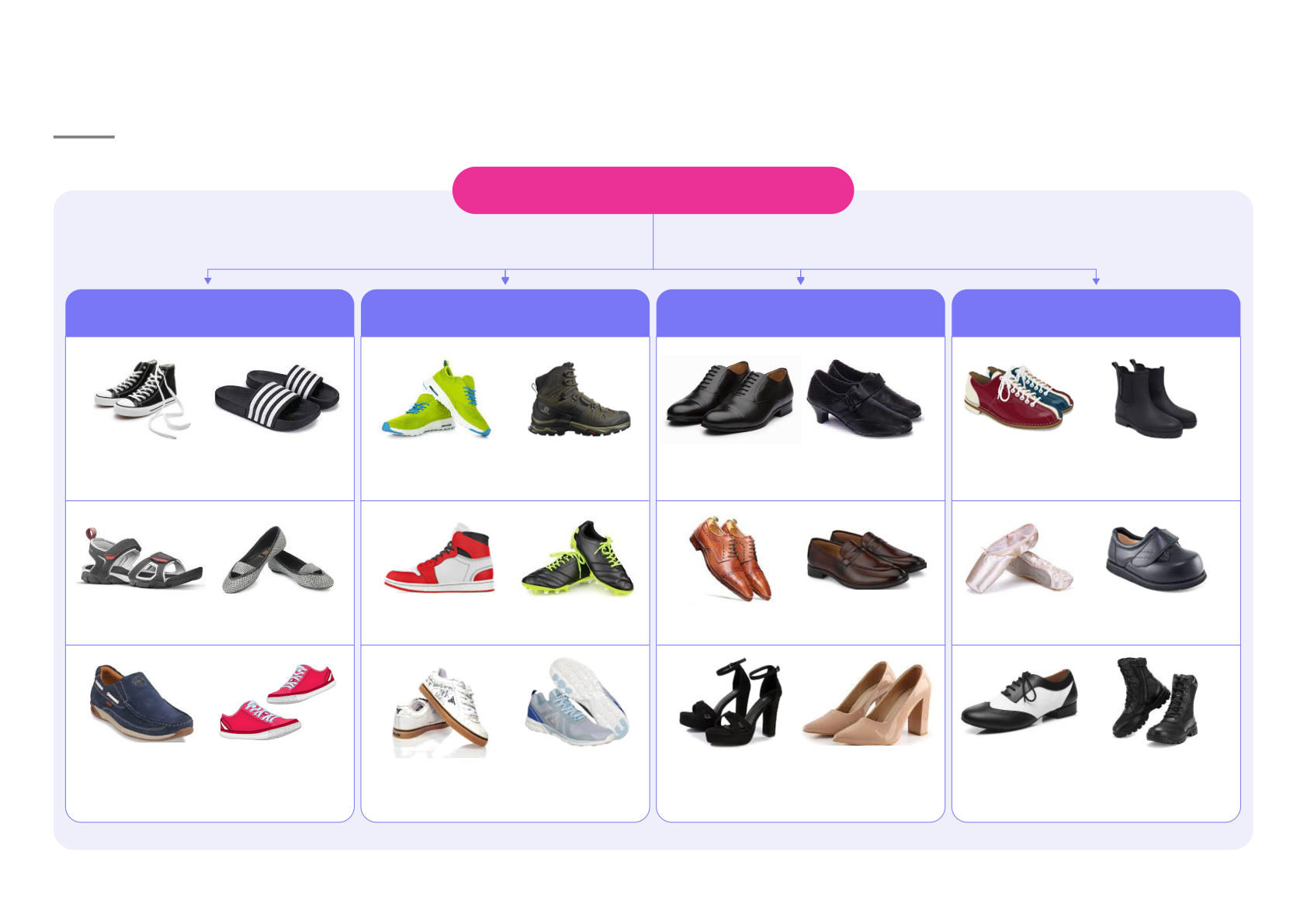
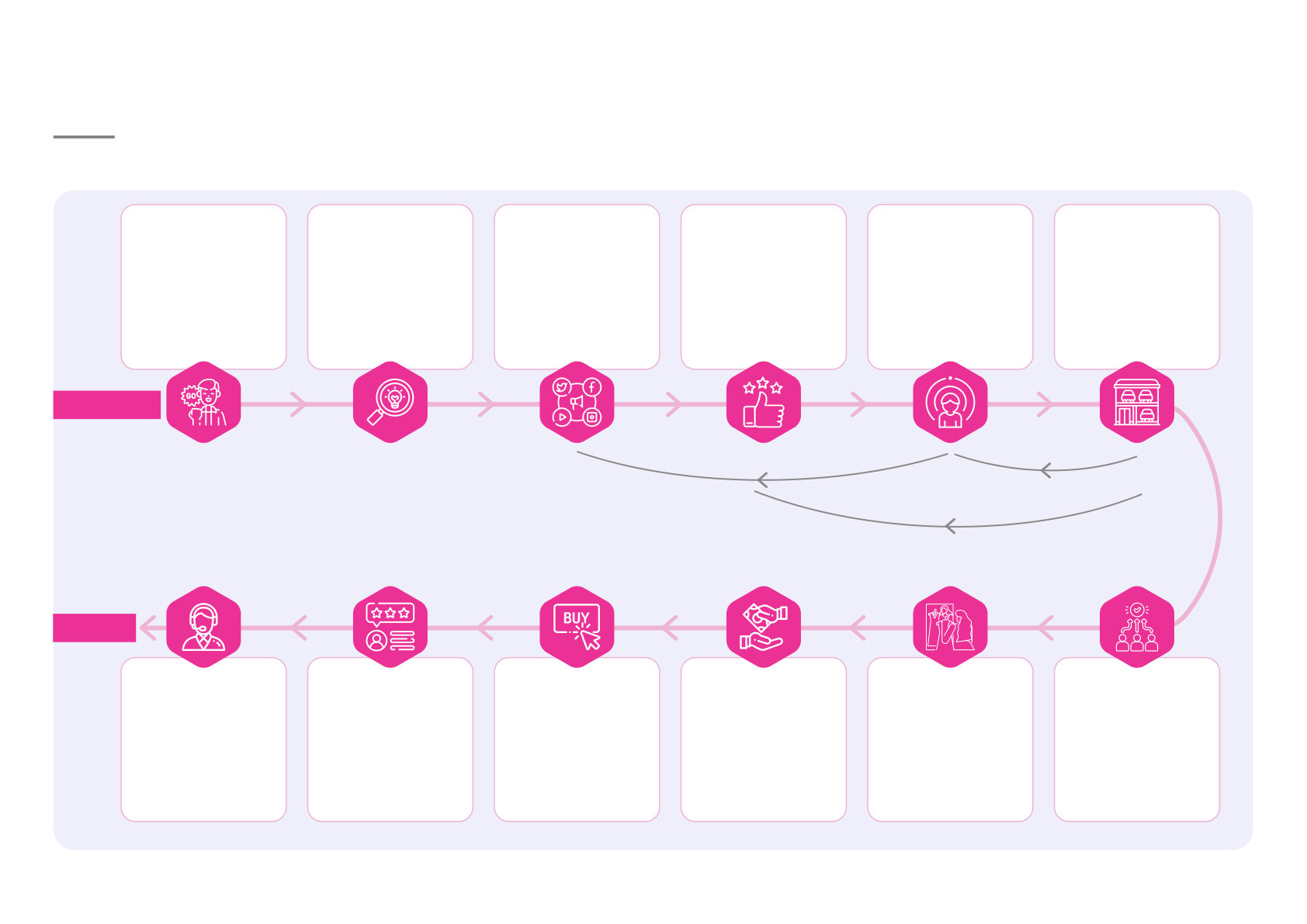
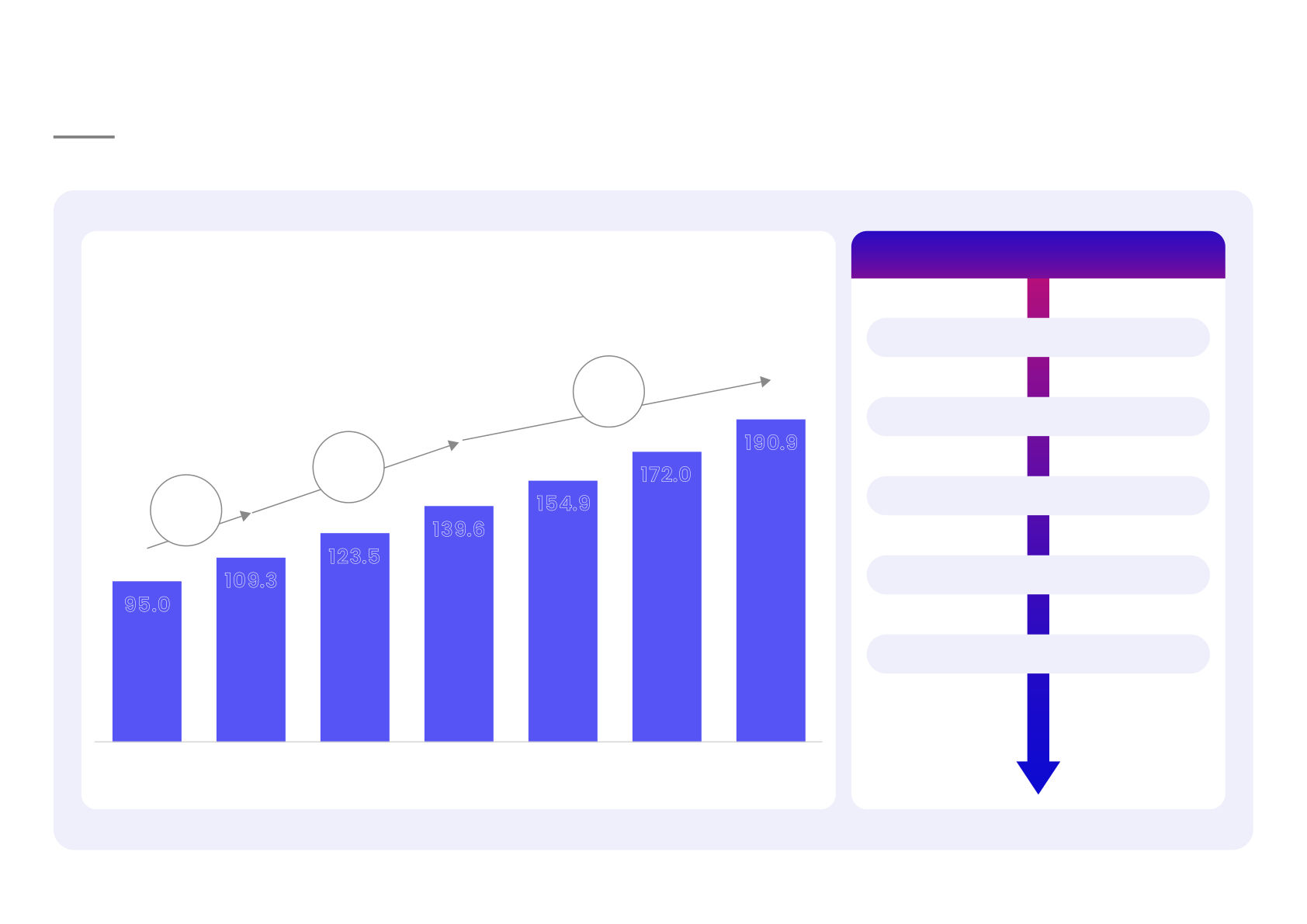
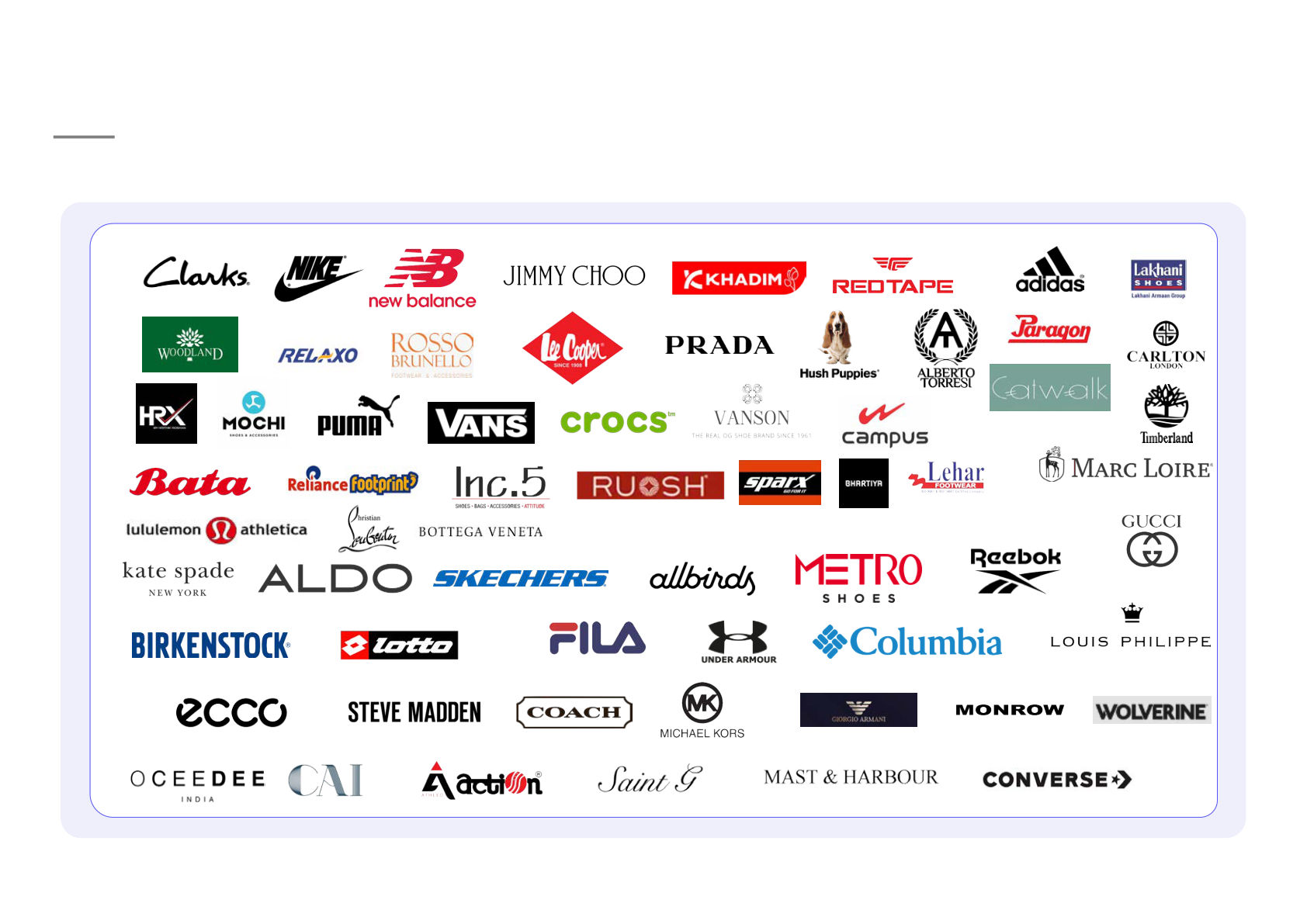
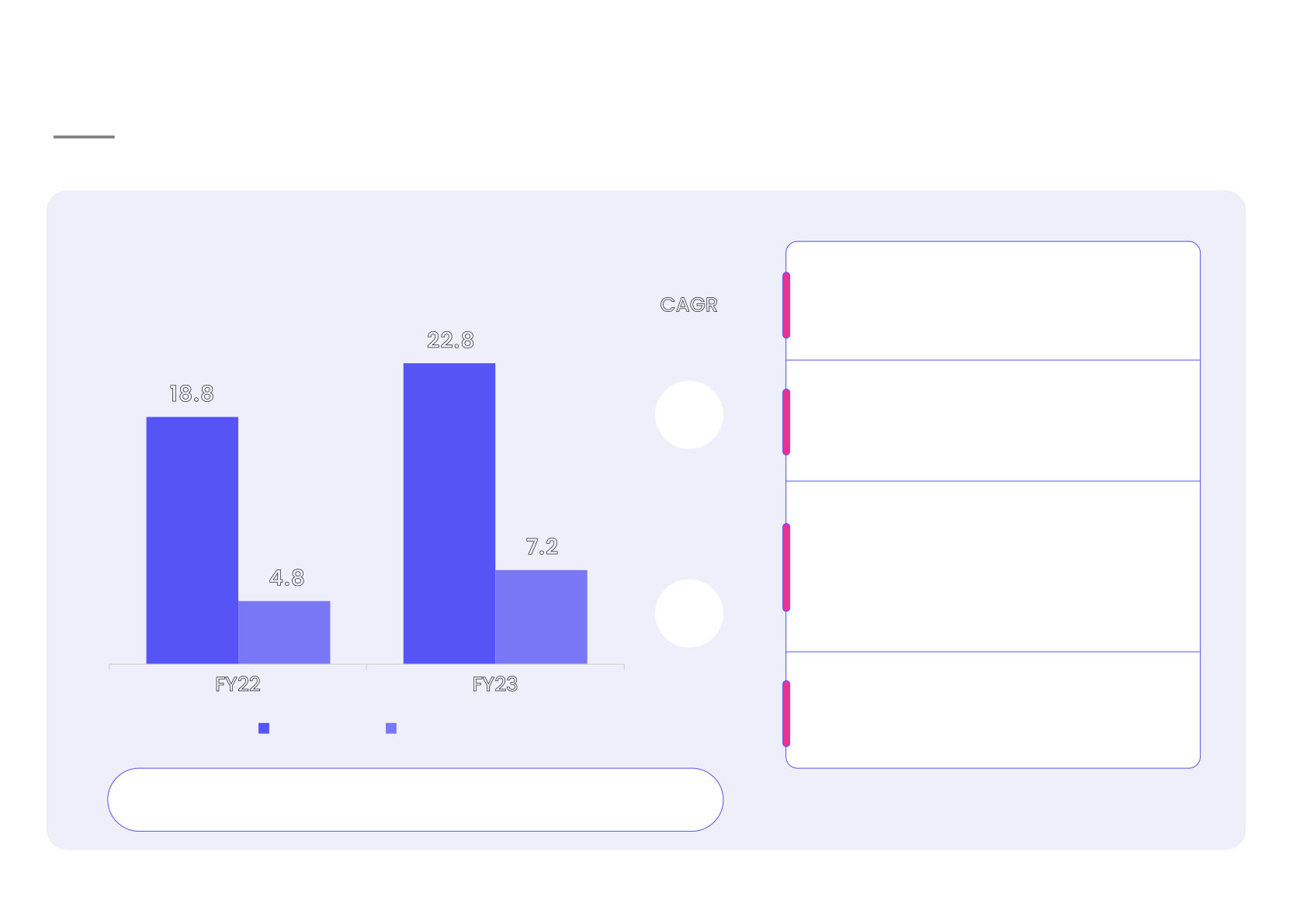
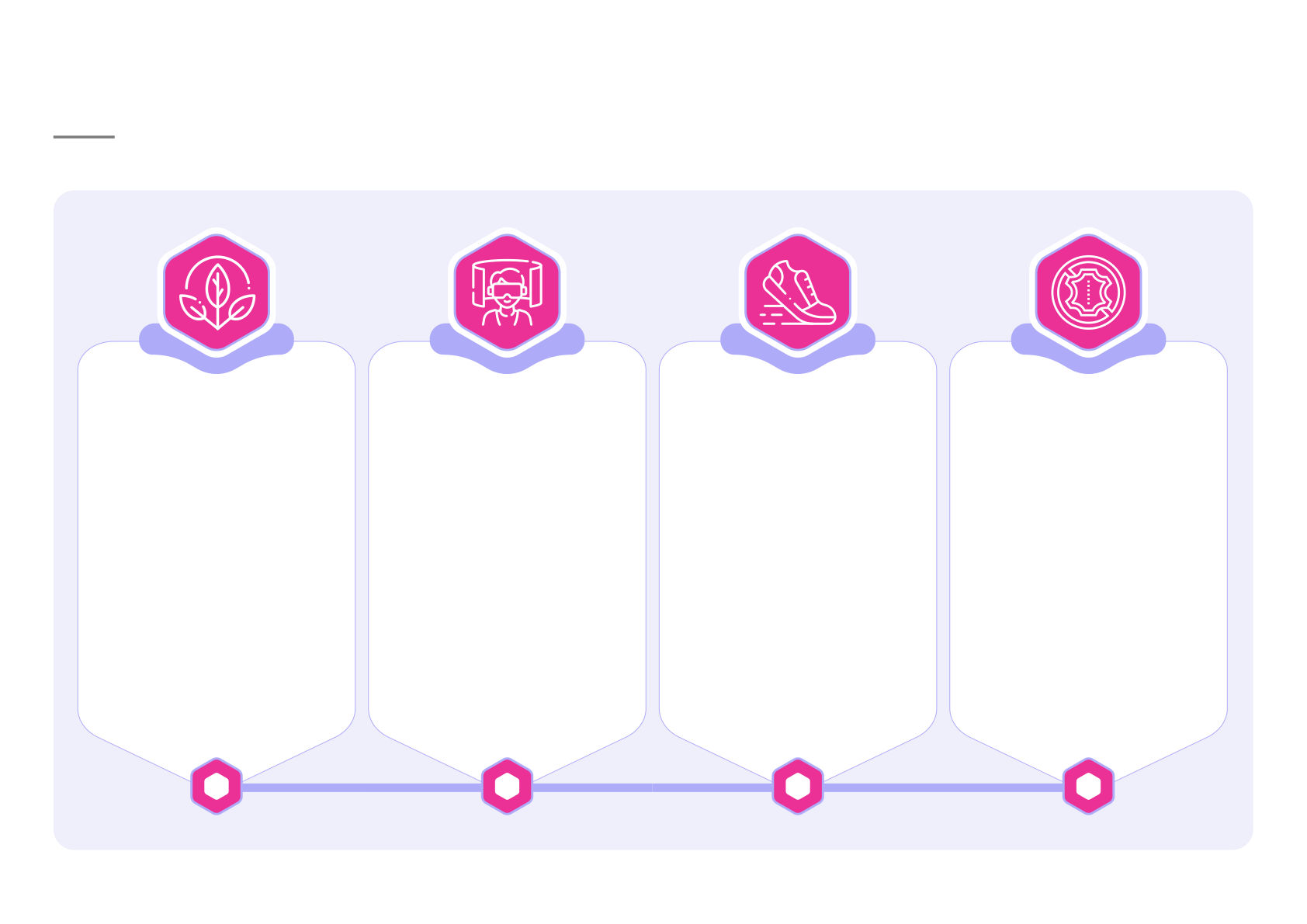
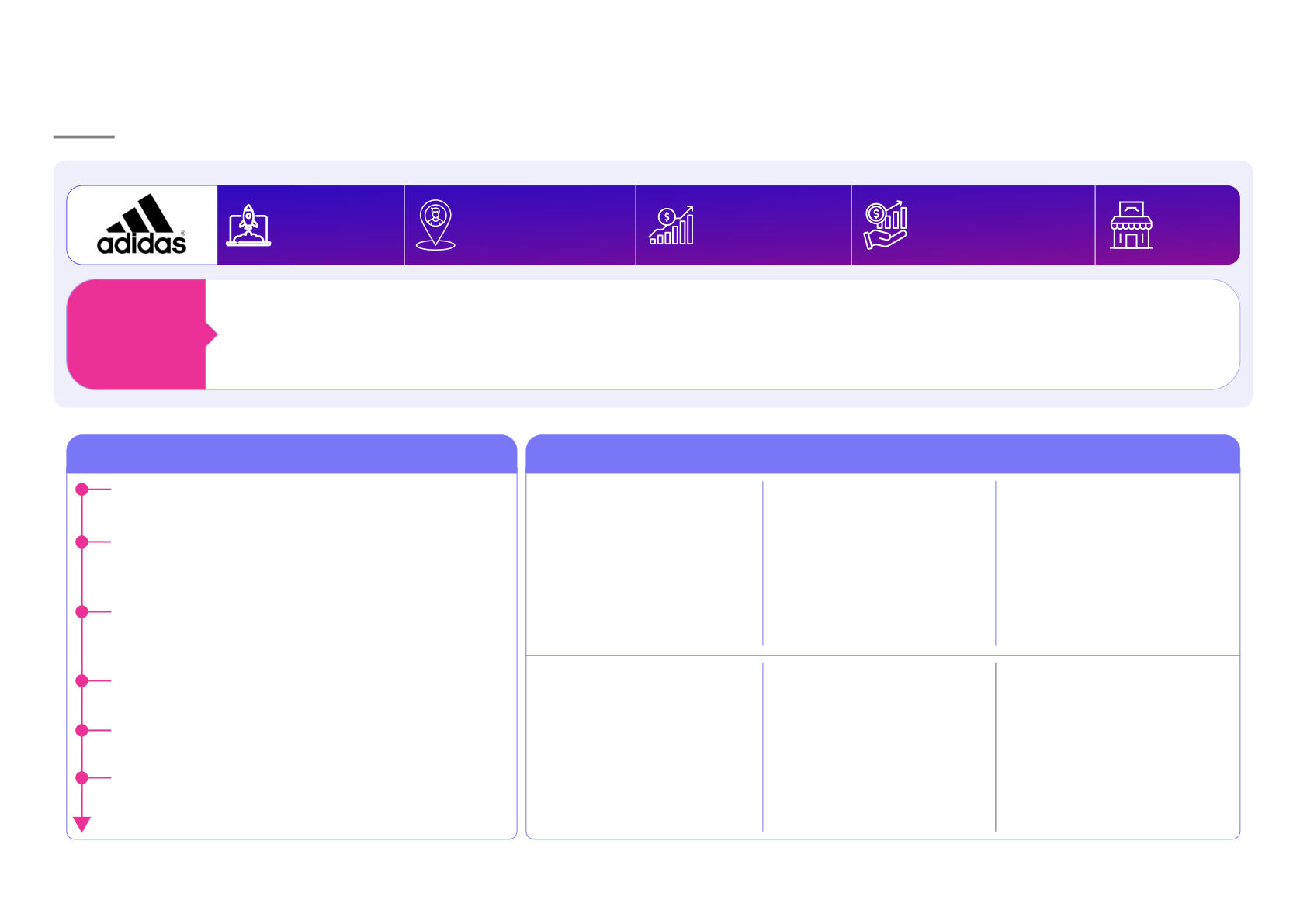
THE SOLE OF FASHION FOOTWEAR INDUSTRY @Lattice Technologies Pvt. Ltd. JAN, 2024 About the product At 1Lattice, we proudly tailor our array of solutions to meet the unique needs of our esteemed clients in the Consumer and Retail Sectors. Our flagship product, 1nsights consistently takes center stage in these partnerships, helping us gather strategic and insightful knowledge in this dynamic industry. We excel in delivering in-depth market assessments, complete with meticulous market sizing, granular competitive benchmarking, and precise price benchmarking to ensure that your product or service stands out in the competitive landscape. Our rigorous competitive analysis provides you with a deep understanding of your industry peers, while our expertly conducted business plan validation ensures that your strategies are rooted in market realities. In sectors such as Fashion, Food and Grocery, Footwear, and many others, 1nsights becomes your strategic partner, providing comprehensive insights to drive your success. We understand that thriving in these fields hinges on a deep understanding of market dynamics, the identification of untapped opportunities, and a proactive approach to overcoming challenges. With 1nsights, you gain a significant advantage in navigating the complex and ever-changing landscape. 1nsights is a robust suite of tools and data which equips you to excel and outperform in your in your respective markets. We eagerly look forward to the opportunity to partner with you and provide the same level of dedication and excellence to enable better decision making. Your success remains our primary mission. Foreword As the Indian economy continues to evolve, the footwear industry stands at an exciting crossroads, marked by innovation, sustainability, and dynamic shifts in consumer behavior. The Indian footwear market is estimated at ~INR 109.3K Cr in FY23 and is projected to reach INR 139.6K Cr by 2025. Footwear, one of the functional necessities, has transformed into a powerful expression of personal style and a reflection of our values. Today, the choices we make in footwear do not just impact our daily comfort but also our environmental footprint, social responsibility, and support for innovation. The Indian footwear industry has acknowledged and embraced these changes wisely. Innovation is the lifeblood of any industry, and the footwear sector is no exception. From 3D printing and smart shoes to personalized experiences, the industry is at the forefront of technological advancments that enhance not only the performance of footwear but also the consumer experience. We, at 1Lattice, look forward to continuing the discussion with our friends across sectors and exchanging notes. Ashish Dhir Executive Vice President Consumer and Sales 1Lattice Footwear market definition Footwear can be categorized and classified based on their intended use into four main segments: casual, sports, formal/party, & specialty Footwear market Casual footwear Athletics / sports footwear Formal / party footwear Specialty footwear Canvas shoes Flip-flops Running shoes Hiking boots Oxford shoes Slip-ons / Bellies Bowling shoes Rain boots Sandals Bellies Basketball shoes Soccer cleats Derby shoes Loafers Ballet pointe Orthopaedic shoes Loafers Sneakers Skateboarding Cross-training Ankle strap High-heeled Ballroom Military shoes shoes heels pumps dance shoes boots Sources: 1Lattice Analysis © 1Lattice | 04 Customer purchase journey Customer journey involves identifying needs, research, having preferences & decision-making, final purchase, and post-purchase reviewing Product Brand Customer Motivation Research Awareness knowledge discovery reviews Identification of Discover Research trends Take advice and Compare prices Visit showrooms footwear needs footwear models, on social media, seek opinions & styles on & check out categories, and vlogs, magazines, different portals offers available brands blogs, etc. & e-commerce websites Start Finish Review of the Payment Post-purchase Purchase Final check Decision purchase process Contact Recommend & Make Check for Check for fit, size, Make a customer service, review purchase payment options and variations decision if an exchange or refund is required Source(s): Industry reports, 1Lattice analysis © 1Lattice | 05 Indian footwear market size Indian footwear market is estimated to reach ~INR 139.6K Cr by FY25 with a CAGR of ~13% owing to changing lifestyles, growing technology, & rising premiumization Growth drivers Footwear market in India (INR K Cr, FY22-FY28P) Rising disposable income CAGR ~11% Technological advancements 1 9 0 . 9 CAGR 1 7 2 . 0 ~13% Premiumization of the industry Y-O-Y 1 5 4 . 9 ~15% 1 3 9 . 6 1 2 3 . 5 Changing consumer preferences 1 0 9 . 3 9 5 . 0 Growing urbanization FY22 FY23 FY24P FY25P FY26P FY27P FY28P Source(s): Industry reports. 1Lattice analysis © 1Lattice | 06 Competitor landscape In India's dynamic footwear industry, a multitude of brands and enterprises create a vibrant landscape of options Key companies Sources(s): 1Lattice analysis © 1Lattice | 07 Growth drivers India’s footwear industry thrives due to the growing demand of sports footwear, government support, premiumization, millennial trends & tech developments Growth drivers of the footwear industry Increasing demand for sports shoes • Pandemic underscored the importance of health and wellness , prompting more individuals to prioritize physical fitness • Focus shifted towards specially designed sports shoes providing comfort, performance, durability, & specific features for different sports and activities Population growth • By 2030 , India’s population is expected to reach ~151 Cr creating an opportunistic pool that would push the demand for footwear in India Price inflation • India has seen an average CPI* of 5.5% in the last 3 years • CPI is likely to increase the prices of footwear , which in turn will lead to the growth of the footwear industry Rise in disposable income & premiumization • With the rise in disposable income , people are likely to spend more on premium products • Emphasis on premiumization would push the premium footwear market share from ~ 47% in FY21 to ~49% by FY25 Millennial consumer choices • Millennials account for ~34% of the country’s population focusing on comfort & fashionable footwear • Trends like personal style and self-expression highly affect demand; for e.g. popularity of sneakers as a fashion statement helped the sneaker segment grow tremendously Technological developments • Investment in R&D, and introduction of new technologies & materials that enhance performance • Rise of smart shoes that track fitness metrics, monitor health parameters, provide feedback on posture, and even offer GPS navigation for runners © 1Lattice | 08 Challenges in the footwear industry Challenges in the footwear industry include counterfeit products, inefficient inventory management, low margins & labor-intensive process of manufacturing Unorganized sector • ~70 percent of the footwear industry is unorganized • Difficulty for organized retailers to compete effectively in terms of pricing and market presence Low margins due to intense competition Complex inventory management • Highly competitive industry with • Excess inventory leads to higher numerous established brands & 3 holding costs (storage, insurance, and new entrants finance charges, etc.) • Close competition leads to price • Effective inventory management is wars & pressure on profit margins 2 4 crucial for profit maximization Labor-intensive manufacturing process Counterfeit products Barriers • Manufacturing footwear often • Counterfeit products undercut the involves labor-intensive processes, 5 1 prices of genuine products , & including cutting, sewing, and create unfair competition assembly • Products result in revenue losses • Managing workforce and associated for legitimate manufacturers & cost fluctuations can be a constant retailers concern Source(s): PMNDP(2023), GlobeNewswire, 1Lattice analysis © 1Lattice | 09 Trade position Footwear exports from India grew by 21.6% from FY22 to FY23, while imports to India grew by ~49.4% amounting to US$ 859 M in FY23 Trade position of the Indian footwear industry (INR K Cr, FY22-FY23) United States is the primary destination for India's footwear exports, followed by CAGR the UAE and the Netherlands 2 2 . 8 1 8 . 8 India's footwear imports primarily 21.6% originate from China, Vietnam, Indonesia, and Bangladesh As per a government report, Tamil Nadu produced 45% of India’s footwear exports 7 . 2 over the last five years in collaboration 4 . 8 with several brands, including Giorgio 49.4% Armani and Gucci F Y 2 2 F Y 2 3 China contributes to ~38.2% of India's total imports in this category Exports Imports Footwear includes footwear made of rubber/canvas, leather footwear components + footwear of leather Source(s): Ministry of Commerce and Industry, Infomerics, 1Lattice analysis © 1Lattice | 10 Recent industry trends Key emerging trends in the footwear industry include heightened environmental & animal welfare awareness, technological advancements, and a flourishing fashion culture (1/2) Sustainability & Virtual try-on & Sneaker culture on Shift to non-leather eco-friendly materials Augmented Reality (AR) the rise footwear • Rising awareness among • Integration of Virtual • Surge in sneaker culture • Non-leather footwear is consumers of the try-on and AR can be largely attributed becoming more popular environmental impact of technologies into online to the growing popularity in India, due to its their purchases shopping experiences, of hip-hop and affordability, durability, allowing customers to streetwear culture and versatility • Footwear companies are visualize how shoes exploring recycled • Limited editions and • People in India adopting would look on their feet materials, vegan leather, collaborations, resale a vegan lifestyle, along before purchasing and sustainable market, sneaker events, with the increasing manufacturing processes • COVID-19 accelerated the and meetups are few awareness of to reduce their adoption of online recent sneaker trends environmental issues & environmental impact shopping & contactless animal welfare push retail experiences non-leather footwear in the market Source(s): Media articles, 1Lattice analysis © 1Lattice | 11 Recent industry trends Key emerging trends in the footwear industry include heightened environmental & animal welfare awareness, technological advancements, and a flourishing fashion culture (2/2) Resale E-commerce and Innovation and Fashion & luxury market Direct-to-Consumer comfort-first designs collaborations • The growth of online • Online sales and • Comfort and functionality • Increasing trend of marketplaces, social direct-to-consumer are increasingly collaboration between media, and dedicated models are on the rise in important to consumers fashion and luxury brands resale platforms has likely the footwear industry and athletic footwear • Growing popularity of contributed to the companies • Many brands were sports footwear, as well as expansion of the resale focusing on building their the incorporation of • These partnerships aimed market for footwear online presence and comfort features in to blend style and • Increasing brand bypassing traditional various shoe styles performance along with consciousness, retail channels the focus on quality peer-to-peer reselling, products and circular fashion has risen the resale culture Source(s): Media articles, 1Lattice analysis © 1Lattice | 12 Way forward The footwear industry stands at a crucial point, influenced by shifting consumer preferences, rapid technological advancements, growing sustainability demands, and the emergence of the resale market. The industry in India is poised for significant growth with an expected CAGR of 13% leading to a projected value of INR 139.6K Cr by FY25. The competitive landscape remains fierce, with established players competing for market share along with many innovative startups and emerging brands. To maintain their competitive edge, companies should adopt technological innovations, explore e-commerce, and leverage data analytics to gain deeper insights into consumer trends, such as those related to sneakers, or consider transitioning to non-leather footwear. The sector is witnessing significant shifts in the choices of millennials, with a growing emphasis on style, comfort, and sustainability. As innovation continues to drive the industry, materials and manufacturing processes are transforming to meet these new demands. However, challenges persist, such as increasing counterfeit products, complex inventory management, highly unorganized sectors, etc. Meeting these challenges requires careful planning and creative solutions to thrive in a constantly changing market. Confronting these issues directly is essential to secure the industry's ongoing growth and stability. Going forward, there lies a tremendous potential for significant growth and expansion, particularly in the footwear sector, which plays a pivotal role in India's rapidly expanding retail industry. The future appears promising, and companies should be ready to seize the opportunities for growth that lie ahead in the industry. Sources(s): International business magazine (2022), Secondary research, 1Lattice analysis Case study: Liberty Liberty Shoes is a leading footwear brand in India striding forward with innovation, quality, and sustainability Geographical Headquarters Revenue Brand stores Founded in presence 1954 Karnal, India INR 665 Cr 450+ 25+ countries • Leading Indian footwear brand known for its high-quality and innovative products Company • Liberty Shoes also offers a variety of customization options, allowing consumers to design their own overview unique shoes, along with its commitment to sustainability and social responsibility Company initiatives to sustain market competition Timeline Focus on Brand Product portfolio 1954 Founded as Pal Boot House in Karnal, Haryana expansion sustainability ambassadors Liberty uses recycled Liberty uses recycled Liberty focuses on expanding 1990 materials in its products materials in its products its product portfolio into a Launched its first sub-brand, Force 10 and supports various and supports various wider range of footwear styles 2013 social initiatives social initiatives and catering to various Launched its first e-commerce platform segments like children, women, & sports enthusiasts 2018 Acquisition of the Indian footwear brand, Mochi Focus on customer Innovation and quality Partnership & satisfaction enhancement collaboration 2021 Aims to maximize customer Company invests heavily on Liberty Shoes collaborates Launch of its first sustainable footwear collection satisfaction with generous R&D to develop new and with the Indian Olympic return policies and 24/7 innovative footwear designs Association as an official 2023 customer support service along with high-quality footwear sponsor for the Leading footwear brand in India with a turnover control processes in place Asian Games 2023 signifying a milestone for the brand of INR 665 Cr Source(s) : Company websites, Media reports, 1Lattice analysis © 1Lattice | 14 Case study: Bata India Bata India is the largest footwear retailer in India providing a diverse range of comfortable and stylish footwear options catering to various demographics Geographical Founded in Headquarters Revenue Retail stores presence 1931 Gurugram, India 2,050+ INR 3,452 Cr ~30 countries Company • Bata India is the largest retailer of footwear in India overview • Bata offers a variety of footwear under 10+ brands, offering extensive options in style, price, and comfort Timeline Company initiatives to sustain market competition Focus on Portfolio Push for 1931 digital marketing evolution offline sales Founded as Bata shoe in Calcutta Spends 35% on digital Bata is pursuing expansion Expansion into multi 1958 mediums to resonate of its mid-premium brand outlets and using Launched Hush Puppies for everyday comfort with the younger brands; Hush Puppies and the franchise model to footwear generations, Gen-Z and Red Label in the segment increase growth in the 1971 Millennials of casualization offline model Power, a fitness brand was introduced 2003 E-commerce Tech-infused consumer Focus on Forges into an alliance with Lee Cooper to retail store experience ESG Expanding its digital Expanding its digital Embedding sustainability 2018 footprint through its own footprint through its own in their operations to Launched Red Label , a line for premium shoes website and major website and major contribute towards a marketplaces, helping marketplaces, helping reach healthier planet, 2023 reach Tier II to Tier IV cities Tier II to Tier IV cities implemented 3R program Largest footwear retailer in India Source(s) : Company websites, Media reports, 1Lattice analysis © 1Lattice | 15 Case study: Relaxo Relaxo, India's top footwear manufacturer, blends in-house quality with innovative design, meeting diverse consumer needs Geographical Founded in Headquarters Revenue Retail stores presence 1976 Delhi, India 350+ INR 2,783 Cr India • Relaxo is the largest footwear manufacturer in India Company • Relaxo prioritizes delivering top-quality products through its in-house manufacturing and creative, innovative, overview and trendy designs Timeline Company initiatives to sustain market competition In-house Brand Sustainable 1976 manufacturing ambassadors initiatives Launched Relaxo brand Production of Sparx and Bahamas roped Adoption of green fuel 1984 premium-quality products in bollywood celebrities like technology & switching over to Relaxo Footwear Limited incorporated through their in-house Salman Khan and Akshay PNG among other initiatives for manufacturing while also Kumar, to increase its reach, energy conservation & cost 2005-07 fostering innovation & trendy positioning, and brand value rationalization across Launched Flite and Sparx first store design to boost brand image manufacturing locations Strengthened online Market Distribution 2012-14 footprint feedback enhancement Launched their e-commerce website Through a strategic Regular market sensing Launched distribution 2021 expansion, the company is exercises to collect pre & management solution which Set up 8th plant in Rajasthan diversifying its online post-launch product focuses on improving footprint by entering feedback from consumers to customer service, traceability, 2023 marketplaces, enhancing align its portfolio offerings in along with engaging more Largest footwear manufacturer brand its market reach line with market expectations channel partners Source(s) : Company websites, Media reports, 1Lattice analysis © 1Lattice | 16 Case study: ASICS ASICS is a major player in sports and running, using advanced technology to create comfortable sportswear that encourages a culture for running Geographical Revenue Founded in Headquarters Retail stores presence INR 250 Cr+ 1949 Hyogo, Japan ~50+ 25+ countries (as of FY22). • ASICS is the No.4 player in the running category in the Indian market Company • Focus on using a scientific approach to create highly innovative sports product solutions for their consumers overview Timeline Company initiatives to sustain market competition Eco-friendly Encouraging Innovation and 1949 manufacturing Indian sports creativity Established ASICS to make athletic shoes Adoption of cutting-edge Sumit Nagpal and Manpreet Combines scientific 2010 technology and water Singh joined the ASICS team methodologies such as Entered Indian market through usage reduction strategies, of athletes committed to biomechanics, physiology, Reliance retail promoting sustainability, nurturing and empowering and material engineering, and environmental India's top sports talents along with user testing to 2015 responsibility innovate products Launched its first independent store Personalized Digital Creating 2022 Created the world’s No.1 race products transformation running culture registration platform Based on the customer’s People register for the free Company is fostering a sports tastes, & values, highly member service OneASICS, culture by organizing running 2023 personalized products are using customer data which activities with the ASICS Leading footwear brand in running offered to customers provides personalized running club and establishing and sports category in India which helps them achieve services and increases a dedicated running platform mental and physical health customer loyalty Source(s) : Company websites, Media reports, 1Lattice analysis © 1Lattice | 16 Case study: Puma Puma is a prominent global leader, offering a wide range of athletic apparel, footwear, and accessories, celebrated for its exceptional quality & brand image Headquarters Geographical Revenue Founded in Stores Herzogenaurach, presence INR 2,980 Cr 1948 ~580+ Germany 120+ countries (as of CY22). • A globally renowned sportswear and footwear company majorly known for its performance and lifestyle Company products overview • One of the prominent brands offering a wide range of athletic apparel, footwear, and accessories Timeline Company initiatives to sustain market competition Focus on Brand High commitment 2006 Puma opened its first retail store in India in Delhi innovation marketing towards sustainability Emphasis on R&D, leading to Heavy investment in brand Company aims to use 100% 2014 the introduction of marketing (partnering with renewable energy in its Launch of Pulse XT, a fitness shoe exclusive for cutting-edge products like Anushka Sharma & Virat operations by 2025 and women “NITRO” running shoes, Kohli) to build brand have a 50% reduction in its 2016 engineered to deliver awareness, loyalty, carbon footprint by 2030 Acquired local partner Knowledge Fire’s 49% stake exceptional cushioning & and sponsor energy 2019 Opened first interactive retail store in India Quality Strong distribution Digital 2021 network assurance transformation Signed three-year sponsorship deal with RCB Puma has rigorous quality Puma extends its distribution Puma's digitalization deepened 2022 control measures to ensure network by opening new consumer connections through Anushka Sharma selected as the brand its products consistently retail stores & collaborating e-commerce, mobile apps, and ambassador meet high standards, with e-commerce platforms social media, driving 2023 enhancing customer trust to reach a wider customer personalized experiences, Signed three-year sponsorship deal with RCB and satisfaction base online, & D2C sales Source(s) : Company websites, Media reports, 1Lattice analysis © 1Lattice | 17 Case study: Adidas Adidas is known for its innovation in enhancing performance & durability through advanced technologies and materials Headquarters Geographical Revenue US$23.7 B Brand Founded in Herzogenaurach, presence stores (consolidated, 1949 Germany ~500+ 160+ countries as of FY22) • Global leader in the sportswear industry, with its presence in 160+ countries offering a wide range of products Company including: footwear, clothing, and accessories overview • Known for its innovative products and its commitment to quality, Adidas has a long history of developing new technologies & materials to improve the performance & durability of its products Timeline Company initiatives to sustain market competition Focus on athletes’ needs Brand ambassadors Product innovation 1995 Became first foreign sports brand to enter India Adidas works with athletes Features high-profile Invests heavily in R&D to to develop products that athletes & celebrities, such create new and improved 2005 meet their needs & as Rohit Sharma & Ranveer products by leveraging Launched new top-of-the-line tennis shoes: requirements. Tests are run Singh to promote the technology such as Boost Barricade III to make sure that the brands’ values of innovation, cushioning technology and 2017 product meets these performance, & style 4D printing technology Opened first ‘Fashion Destination Door’ concept requirements store in India Business Building customer Focus on 2021 partnerships loyalty sustainability Opened first flagship store in Delhi Collaborations with leading Adidas operates a loyalty Environmental sustainability is 2022 names & brands to release program called “Creators a key component for Adidas, Partnered with South United Football club a unique product line. Club“ which rewards which invests in developing 2023 customers for their leather alternatives & using For example, AdidasXGucci Collaboration with BCCI to unveil India’s new purchases and engagement recycled cotton in their jerseys for ICC World Cup 2023 with the brand footwear & apparel Source(s) : Company websites, Media reports, 1Lattice analysis © 1Lattice | 18 We are here for you Let us know how we can meet your business requirement? Ashish Dhir Executive Vice President, Consumer and Sales For media queries, Vaishnav Kumar Rai please contact Manager – Corporate Communications E: communications@1lattice.com M: +91 782 794 4925 www.1lattice.com Disclaimer: This material has been prepared by 1Lattice, which is the trade name of Lattice Technologies Private Limited (“1Lattice”, “we” or “our”) with the intent to showcase our capability and disseminate learnings to potential partners/clients. This material can be referred to by the readers on the internet but should be referenced to 1Lattice, if reused or adapted in any form, or medium and on any forum. The frameworks, approaches, tools, analysis and opinions are solely 1Lattice’s intellectual property and are a combination of the collection of the best data we could find publicly, and the 1Lattice team’s own experiences and observations. Any information provided herein is only for informational purposes and you are advised to perform an independent analysis of the same before making any decision based on such information. The information does not constitute any business advice or guidance and is to be construed as a general summary based upon the publicly available information and our interpretation of the same using our resources. For this material, we may have relied upon different sources of information which may be primary sources, publicly available information, and relevant information available with us. We make no representation or warranty, expressed or implied, that such information is accurate or complete, and nothing contained here can be construed as definitive predictions or forecasts. Before reading further, the Recipient expressly agrees that this might not address any and all risks and challenges facing the Recipient, its business, and the markets within which it operates, nor all possible market conditions. Any use of the information provided herein by the viewer shall be at the sole risk of the viewer and 1Lattice or its business partners, affiliates, agents, officers or employees shall not be liable for any unintended or adverse effect or outcome from the use of such information by the reader. 1Lattice does not have any duty to update or supplement any information in this document. 1Lattice shall not be responsible for any business or commercial loss sustained by any person who relies on any information provided herein. Any and all logos of companies used in the information provided herein have been published for information purposes only and 1Lattice does not hold any liability in connection therewith. Enabling Better Decisions 500+ 30% Technology-backed business annual engagements faster to outcomes support that helps you ENABLE BETTER 8 600+ practices years domain expertise DECISIONS Deep on-ground insights that you can act on 130+ 98%+ team members accuracy 4 offices, deep experience across geographies – India, the USA, Europe, MEA, and SEA regions One-ness of data and people networks to 100+ 2.5M harness the collective power of data, network, towns & cities panel members and technology Multi-faceted teams offering a stack of consulting, advisory, and research services 15+ 40:60 languages covered she/he ratio +91 987 165 4747 ashish.dhir@1lattice.com Delhi NCR | Mumbai | Bengaluru | UAE | KSA | Singapore