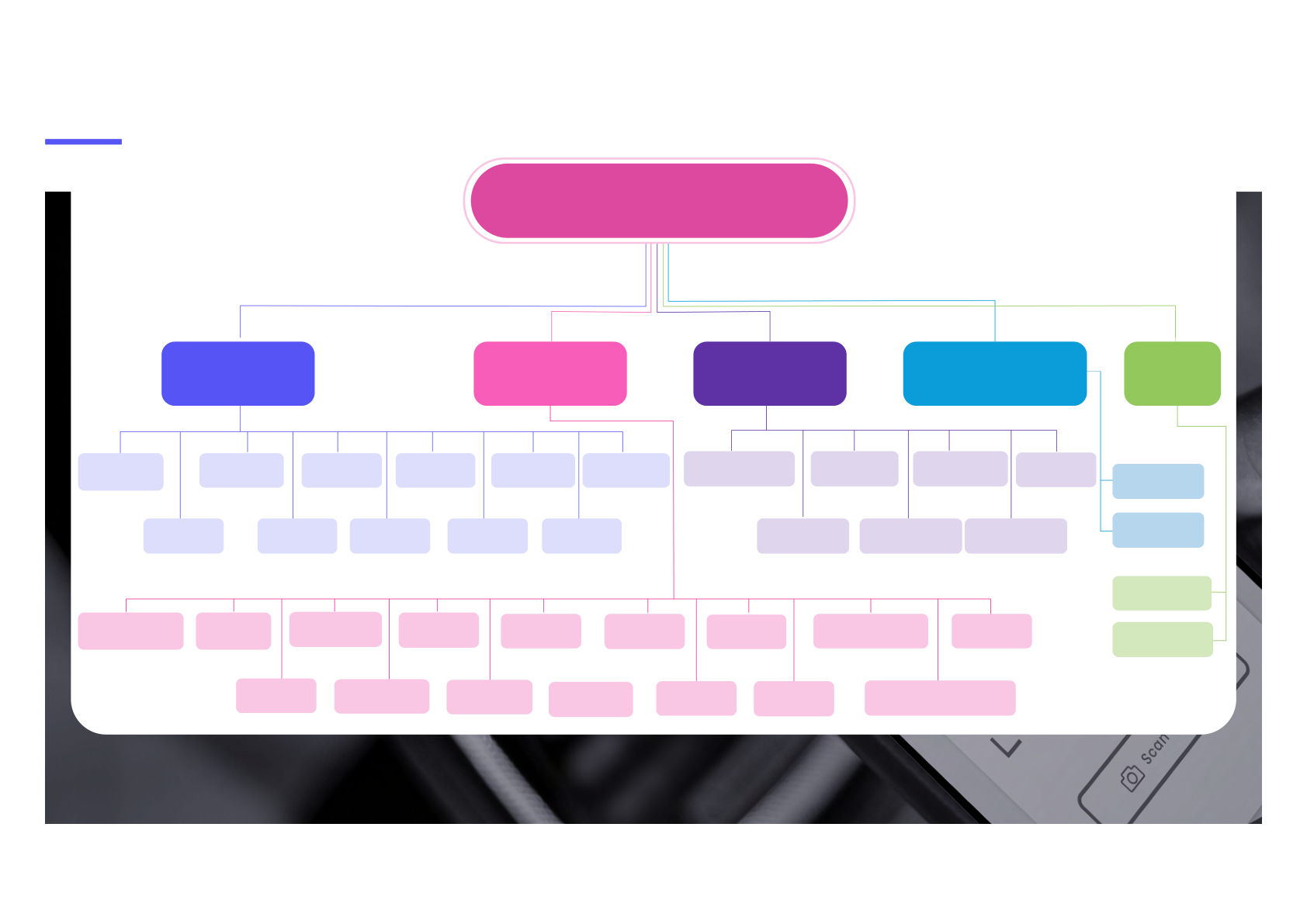
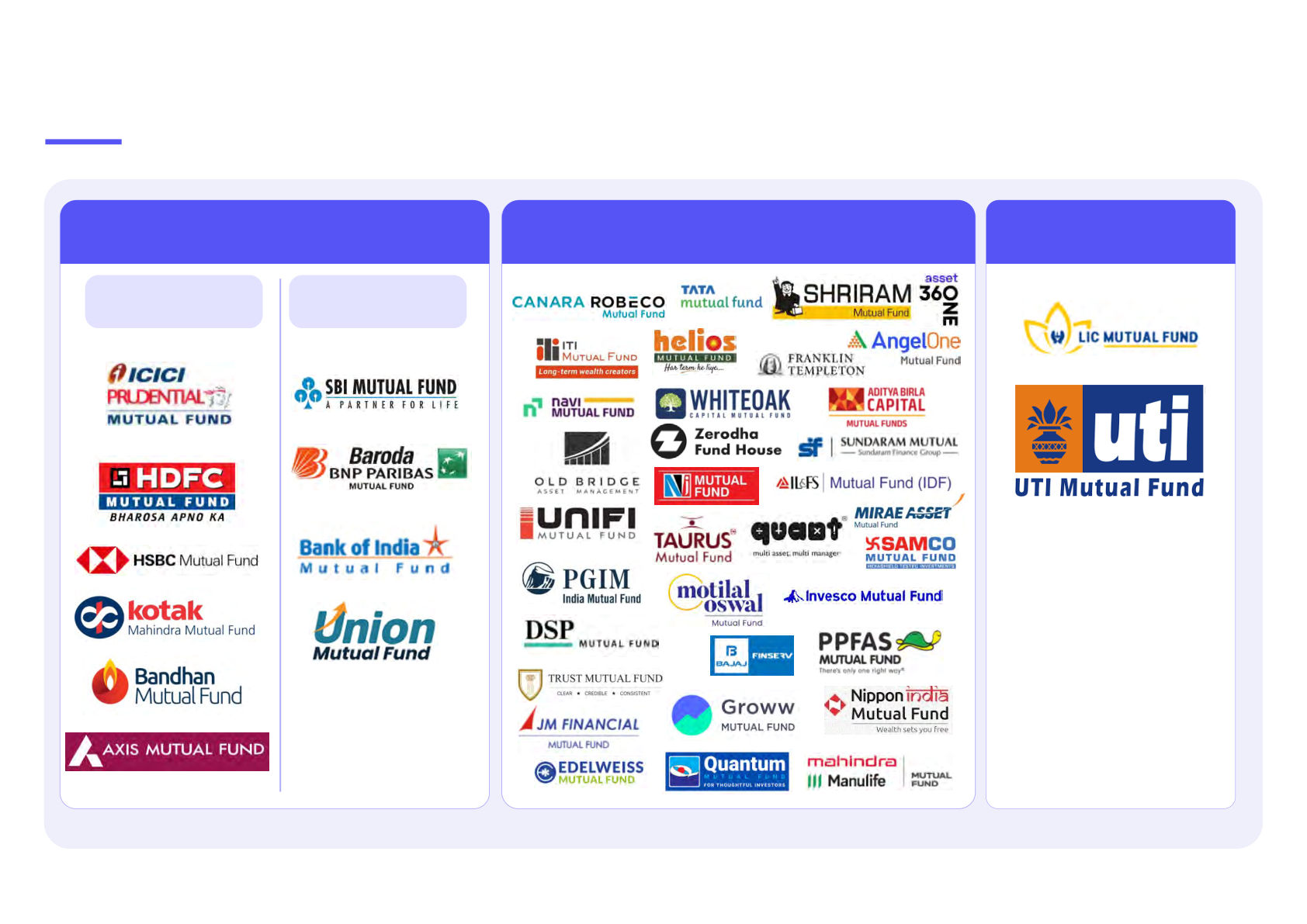
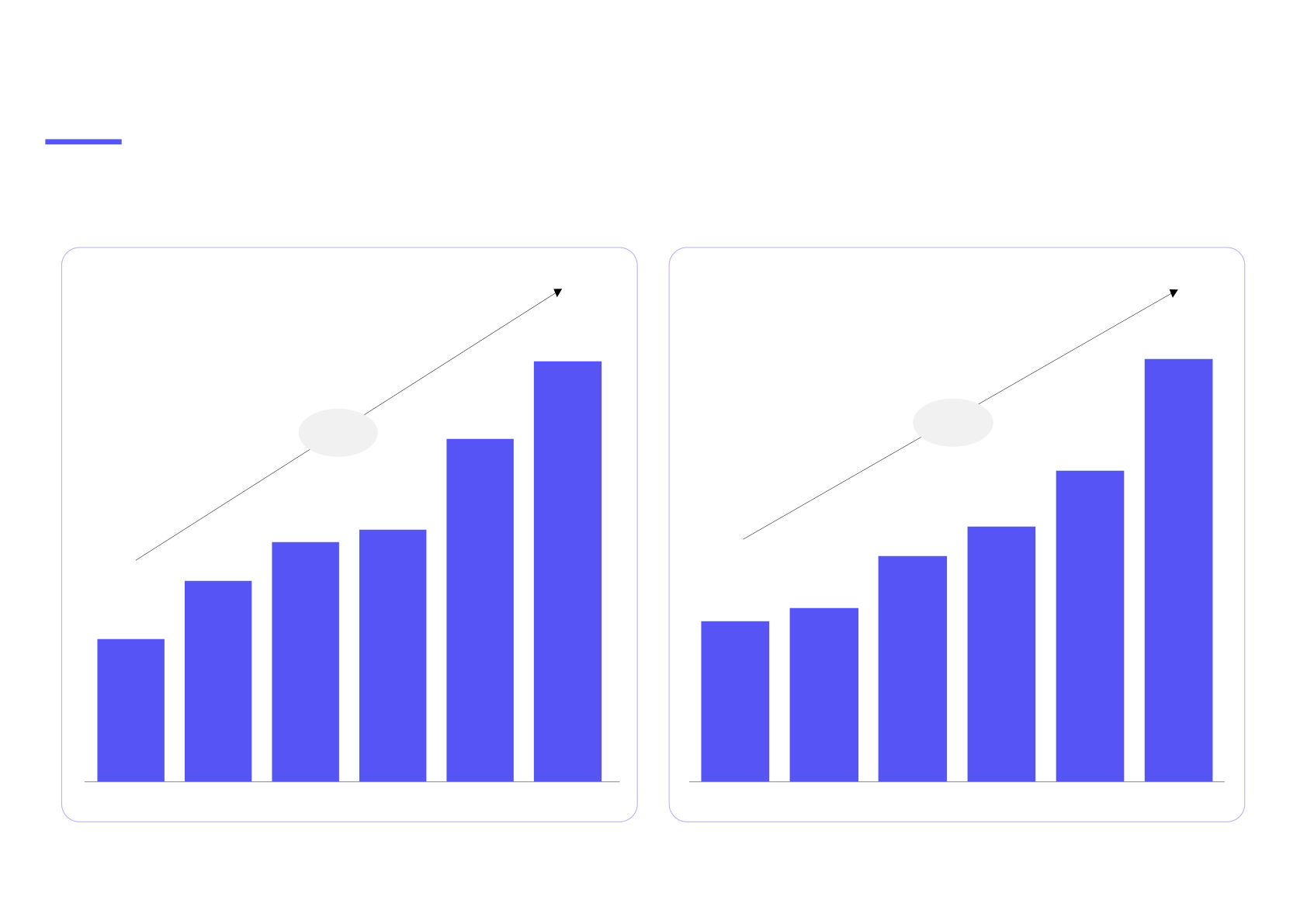
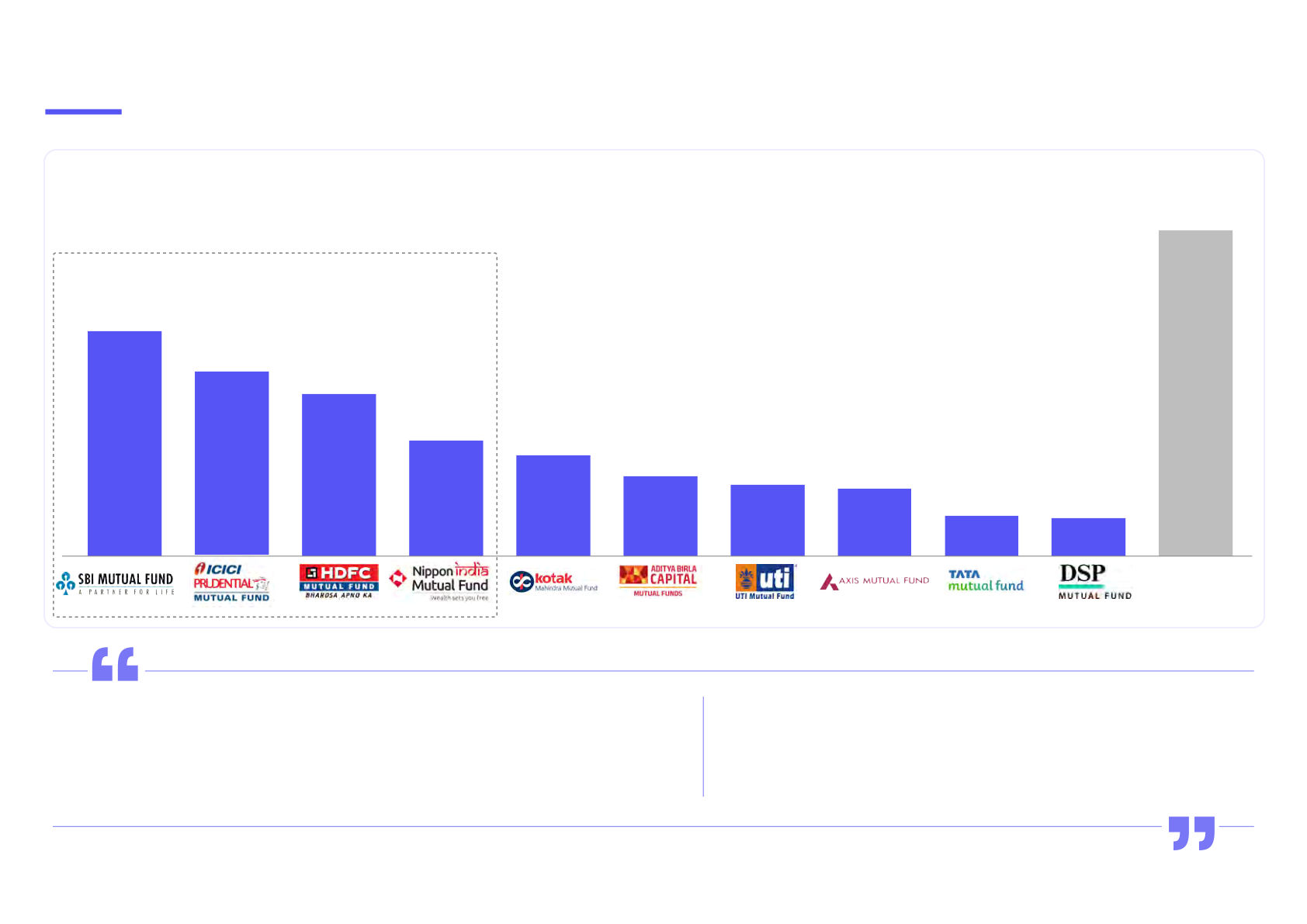
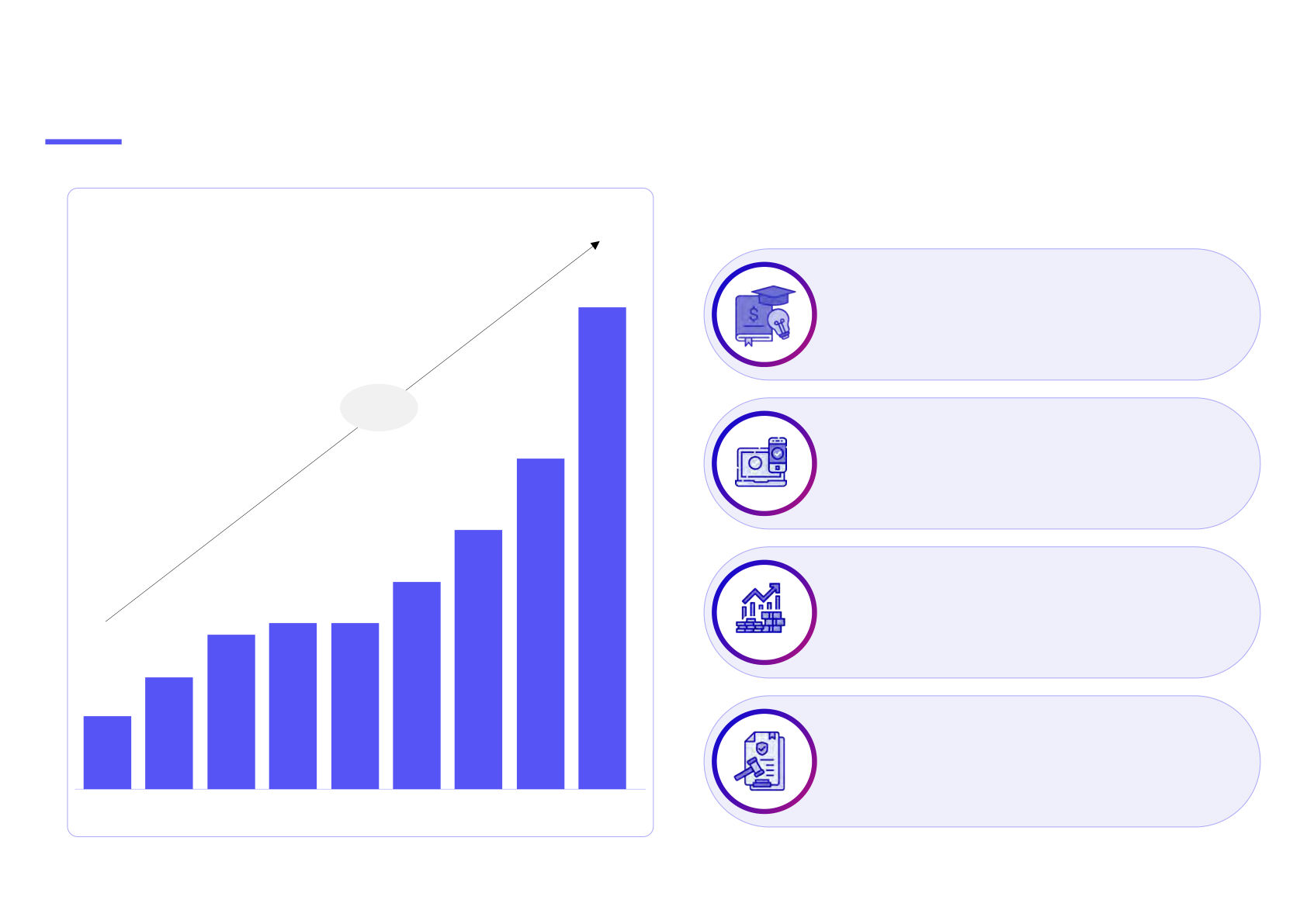
Confidential and proprietary June 2025 © 1Lattice Pvt. Ltd. Foreword The mutual fund industry in India emerged as a key vehicle for is experiencing significant growth, wealth creation. The rise of driven by increasing investor Systematic Investment Plans (SIPs) awareness and the widespread have been instrumental in this shift, adoption of digital platforms. Over enabling investors to build wealth recent years, the sector has in a disciplined, long-term manner. undergone remarkable With growing retail participation transformations, particularly with and an expanding range of the rise of digital investment investment products, the industry is platforms and online advisory becoming more inclusive, allowing services, which have made a broader demographic to benefit Amar Choudhary Abhilasha Jaju financial markets more from the financial markets. CEO , 1Lattice Director, Banking, Financial accessible. These advancements Services, and Insurance This report provides key insights have not only reshaped how into the ongoing developments investment services are delivered within India's mutual fund industry, but have also created new highlighting the trends and opportunities for wealth creation innovations shaping its future. As and financial inclusion. the industry evolves, new trends The growth of the mutual fund and innovations will drive further industry is primarily driven by a growth and expansion. This report surge in retail participation. As reflects our perspective as of individual investors become more June’25, and we look forward to financially literate and gain engaging with industry leaders and access to more intuitive digital stakeholders to explore the future platforms, mutual funds have of mutual funds in India. Product in Spotlight: This report was curated using 1Insights, 1Lattice’s cutting-edge market intelligence tool built to gather strategic and actionable insights across dynamic and ever-evolving industries. Leveraging 1Insights, our experts have decoded the key transformations shaping India's mutual fund industry from the surge in digital-first investments and SIP adoption to evolving regulatory frameworks and fintech-driven disruptions. The report captures the growth drivers, strategic partnerships, and innovations redefining mutual fund access, particularly across Tier-2 and Tier-3 cities. With a data-driven and forward-looking approach, this report equips asset management companies, financial institutions, investors, and policymakers with actionable intelligence to navigate the future of India's mutual fund ecosystem. Glossary Acronyms Definition Acronyms Definition IDBI Industrial Development Bank of India AAuM Average Assets Under Management IPO Initial Public Offering AMC Asset Management Company KYC Know Your Customer AMFI Association of Mutual Funds in India LIC Life Insurance Corporation of India AuM Asset Under Management MF Mutual Fund MFU Mutual Fund Utility B-30 cities Beyond top 30 cities PSU Public Sector Undertaking CAGR Compound Annual Growth Rate RBI Reserve Bank of India CDS Credit Default Swaps SCORES SEBI Complaints Redress System EFT Electronic Funds Transfer SEBI Securities and Exchange Board of India ETF Exchange traded funds SIP Systematic Investment Plan SME Small and Medium Enterprises ELSS Equity Linked Saving Scheme SUUTI Specified Undertaking of the Unit Trust of India ESG Environmental, Social, and Governance TER Total Expense Ratio FOF Fund of Funds UTI Unit Trust of India Source(s): 1Lattice analysis [1/2] Executive summary Mutual funds overview Mutual funds Landscape • Mutual funds are categorized into five main primary segments based • MF AuM stood at INR 65T in FY25, having grown at a 24% CAGR on principal investment between FY20-25 with no. of MF folios reaching 234M - The schemes include equity schemes, debt schemes, hybrid • SIP contributions have significantly increased from INR 0.4T in schemes, solution-oriented schemes, and other schemes FY17 to INR 2.9T in FY25, with a CAGR of 28% driven by fintech penetration and increased awareness • SBI MF, ICICI Prudential MF, HDFC MF, and Nippon MF together account for nearly 50% of the total AAuM in FY25 • Retail participation has increased from 26% in FY19 to 28% in FY25, and HNI participation has increased from 32% to 35% during the same period Evolution of Mutual funds • First phase: India's Mutual Fund industry started in 1963 with UTI, initially regulated by the RBI and later by IDBI in 1978 • Second Phase: Public institutions entered the Indian mutual fund market in 1987 , led by SBI MF, followed by Canara Robeco MF, PNB MF, Indian Bank MF, Bank of India MF, and Bank of Baroda MF • Third Phase: SEBI's 1992 establishment transformed India's securities market, introducing Mutual Fund Regulations in 1993 • Fourth Phase: In 2003, the Unit Trust of India Act, 1963, was repealed, splitting UTI into SUUTI and UTI Mutual Fund under SEBI, marking a consolidation phase • Fifth Phase: Since May'14, AUM grew from INR 10T to INR 67.25T, with folios rising from 8.85Cr to 22.92Cr, driven by SEBI initiatives and MF distributors expanding the retail base Source(s): 1Lattice analysis © 1Lattice | 05 [2/2] • Swing Pricing Framework: Implemented swing pricing to Mutual Fund Analysis safeguard investors from large redemptions during market volatility • Equity AAuM has risen to INR 28.6T as of FY25 driven by strong performance of small and midcap equities • SEBI tightened SME IPO norms to curb excessive valuations, improve transparency & protect retail investors and launched • As of FY25 Hybrid AAuM has increased to INR 9.3T , offering balanced specialised funds, eased CDS rules, set robo-advisory risk investment options, while Solution AAuM has grown to INR 0.5T, guidelines, enabled quick MF withdrawals, mandated the delivering tailored investments to meet investor needs Electronic Book Mechanism, and introduced a Fintech Sandbox Fintech disruption Way forward • Increased adoption of robo-advisors, investment apps, and • Digital-First Investing: Platforms like Groww, Paytm Money, and ET platforms like "MF Central" will streamline processes, Money enabled INR 500 SIPs, boosting market reach with a improve transparency, and enhance investor engagement digital-first, user-friendly approach, simplifying investments and onboarding offerings • The rise of smart-beta ETFs, thematic funds, and international feeder funds will provide greater • MF Boom in T-2&3 Cities: Fintech platforms boosted MF adoption in diversification and customized investment strategies, tier-2 and tier-3 cities, driving 13% AUM growth catering to evolving investor needs and risk appetites • Expanding MF Access: Fintech platforms drove MF adoption, contributing 42% of 30L new SIPs in Nov’23. Between Apr-Aug'24, B-30 cities added ~1.2 Cr new MF accounts Regulatory and government initiatives • MF Lite framework: SEBI eased compliance for passive MFs, boosting competition and low-risk schemes. Funds need INR 50B AUM for domestic equity indices and US$ 20B for overseas indices, promoting broader market participation Source(s): 1Lattice analysis © 1Lattice | 06 Agenda Industry overview Evolution of MF Industry in India Competitive landscape and market dynamics Regulatory landscape and its impact Government initiatives Way forward Mutual funds schemes On the basis of principal investments, mutual funds can be classified into equity, debt, hybrid and other schemes Mutual funds Debt Equity Hybrid Solution-oriented Other schemes schemes schemes schemes schemes Conservative Balanced Aggressive Equity Multi-cap Large-cap Large & Mid-cap Dividend Small-cap Retirement hybrid hybrid hybrid savings funds funds mid-cap funds yield funds funds fund Children’s Value Contra Focused ELSS Thematic Balanced Multi-Asset Arbitrage Fund funds funds funds funds funds advantage allocation duration ETFs/Index funds Liquid Ultra short Medium to Low Money Short Medium Long Overnight funds duration long-duration duration market duration FOF’s funds duration duration Dynamic Corporate Floater Credit Banking & Gilt funds with 10yr Gilt funds bond Bond risk PSU funds constant duration Source(s): 1Lattice analysis © 1Lattice | © 1Lattice 08 Industry landscape Indian mutual fund industry evolved from the launch of UTI in 1963 to a competitive market with multiple AMCs post-liberalization, driven by SEBI regulations Bank based Private institutions Public institutions N = 10 (N = 34) (N = 2) Private banks Public banks (N = 6) (N = 4) Note(s): This list is indicative Source(s): AMFI, 1Lattice analysis © 1Lattice | 09 Mutual funds overview Rising investor participation, SIP inflows, financial awareness, and favorable market performance have been driving AUM growth MF AuM growth in India MF Folios (FY20-25, INR T) (FY20-25, # M) 65 234 CAGR 53 CAGR 21% 24% 172 141 39 37 125 31 96 89 22 FY20 FY21 FY22 FY23 FY24 FY25 FY20 FY21 FY22 FY23 FY24 FY25 Source(s): AMFI, SEBI, 1Lattice analysis © 1Lattice | 10 Agenda Industry overview Evolution of MF Industry in India Competitive landscape and market dynamics Regulatory landscape and its impact Government initiatives Way forward Evolution of Mutual funds industry India's mutual fund industry has expanded considerably, fuelled by SEBI reforms and the entry of numerous MF institutions Evolution of the mutual funds industry 01 03 05 • India’s mutual fund industry • SEBI's establishment in 1992 • Since May’14, the industry saw began in 1963 with the transformed India's securities market, steady inflows, with AUM growing formation of UTI under an Act introducing Mutual Fund Regulations from INR 10T to INR 67.25T Jan’25 of Parliament, initially regulated in 1993. That year, Kothari Pioneer and investor folios rising from by the RBI. In 1978, regulatory became the first private sector fund 8.85Cr to 22.92Cr control shifted to IDBI (now merged with Franklin Templeton • This growth is driven by SEBI's MF) along with other private banks • UTI launched its first scheme, initiatives and the critical role of Unit Scheme 1964, and by 1988, • By CY03, 33 mutual funds were MF distributors in expanding the managed INR 6,700Cr in AuM managing INR 81,218Cr in AuM, with UTI retail base and guiding investors alone managing INR 74,454Cr through market volatility FIRST PHASE THIRD PHASE FOURTH PHASE FIFTH PHASE SECOND PHASE (1964-1987) (2003-2014) (1993-2003) (2014-2025) (1987-1993) • In 1987, Public institutions entered the • In 2003, the Unit Trust of India Act, Indian mutual funds market, led by SBI 1963, was repealed, splitting UTI MF. This was followed by the Canara into SUUTI and UTI Mutual Fund under Robeco MF, PNB MF (1989), Indian Bank SEBI, marking the fourth consolidation MF(1989), Bank of India MF (Jun 1990), phase and Bank of Baroda MF (1992) • The 2009 meltdown and SEBI's Entry • LIC launched its mutual fund in 1989, and Load ban hit investor confidence, GIC followed in 1990. By the end of 1993, slowing AuM growth from 2010 to 2013 the industry’s AuM had reached INR 47,004Cr 02 04 Source(s): AMFI, 1Lattice analysis © 1Lattice | 12 Agenda Industry overview Evolution of MF Industry in India Competitive landscape and market dynamics Regulatory landscape and its impact Government initiatives Way forward Competitive landscape SBI MF, ICICI Prudential MF, HDFC MF and Nippon MF make up almost 50% of the total AAuM Average Assets under Management (Mar’25, INR T) 15.5 10.7 8.8 7.7 5.5 4.8 3.8 3.4 3.2 1.9 1.8 Others "We have momentum on our side. Our product launches have been timely. "Investment teams across mutual funds are continuously Over the years, we've expanded our reach to newer corners of the country evaluating various strategies, and we can expect to see and bolstered our SIP book. Leveraging the parent SBI's network, along with some innovative approaches emerge that will ultimately collaborations with other distributors, has been instrumental in our growth" benefit investors“ -Joint CEO, SBI MF - Investment strategy, ICICI Prudential MF Source(s): AMFI, 1Lattice analysis © 1Lattice | 14 SIP growth SIP contributions to mutual funds have increased from INR 0.4T in FY17 to INR 2.9T in FY25, with a CAGR of 28% Growth Drivers for SIP SIP inflows to MF (FY17-25, INR T) Increased Financial Literacy 2.9 • Initiatives by AMFI, financial institutions, and other stakeholders have enhanced financial awareness , particularly among young investors and those in smaller cities CAGR 28% Digital Accessibility 2.0 • Fintech advancements have simplified SIP accessibility, enabling investors to open accounts, manage contributions, and track funds in real time via digital platforms 1.6 1.2 Indian Stock Market Resilience • Despite global uncertainties, India's market 1 1 resilience boosts confidence in mutual funds. NFOs 0.9 and thematic schemes in tech and infrastructure attract new investors, driving SIP growth 0.7 0.4 Regulatory Support • SEBI is advocating for smaller monthly investments, as low as INR 250, to expand equity investing among India's vast population, particularly FY17 FY18 FY19 FY20 FY21 FY22 FY23 FY24 FY25 in smaller towns supporting SIPs Source(s): AMFI, 1Lattice analysis © 1Lattice | 15 Scheme analysis Equity AUM grew at 28.7% CAGR (FY22–25) on bullish trends, while debt AUM stayed stable with a modest rebound, reflecting evolving investor preferences AAuM Equity Oriented Schemes (FY22-25, INR T) Growth in Equity- Oriented Scheme CAGR • Equity schemes, mid-cap and 28.7% small-cap funds have delivered 28.6 strong returns in FY25, encouraging 22.7 investors to shift to equity-based investments 15.2 13.4 • SIPs have made investing in equity schemes more accessible, fostering disciplined investment habits even during market volatility FY22 FY23 FY24 FY25 AAuM Debt Oriented Schemes (FY22-25, INR T) Growth in Debt-Oriented Scheme CAGR • Debt MFs saw a dip in FY23 amid 4.49% shifting market conditions, but 17.0 rebounded to INR 17T AUM by FY25 as 14.9 14.4 volatility in equities renewed demand 13.2 for stable investment avenues • Despite equity dominance, debt MFs hold their ground, offering stability and predictable returns in uncertain rate environments FY22 FY23 FY24 FY25 Source(s): AMFI, 1Lattice analysis © 1Lattice | 16 Scheme analysis Hybrid AAuM has increased to INR 9.3T due to its balanced approach, while Solution AAuM has increased to INR 0.5T due to its tailored investment approach AAuM Hybrid Oriented Schemes Growth in Hybrid- Oriented (FY22-25, INR T) Scheme CAGR • Hybrid funds provide equity’s growth 23.8% 9.3 potential with debt’s stability, helping investors mitigate risks. Even in flat 7.3 markets, balanced advantage funds have maintained stable returns of 5.1 4.9 8-10% annually • Additionally, these funds manage asset allocation internally, eliminating the need for investors to handle exit loads, tax implications, or market timing FY22 FY23 FY24 FY25 AAuM Solution Oriented Schemes (FY22-25, INR T) Growth in Solution-Oriented CAGR Scheme 18.5% 0.5 • Solution-oriented schemes are growing in 0.4 AUM due to their tailored investment approach, focused on meeting specific 0.3 0.3 financial goals • Increasing awareness of these schemes, along with the convenience of SIPs, makes them more appealing to investors FY22 FY23 FY24 FY25 Source(s): AMFI, 1Lattice analysis © 1Lattice | 17 Contribution basis investor Retail and HNI participation have grown steadily from FY19-25 due to increased awareness of investment options, and improved access to mutual funds Investor type contribution to AUM (FY19-25, INR T) CAGR CY19-25 18% 65.4 -20% 0.1% 1% 19% 53.4 28% 19% 0.1% 1% 28% 39.4 37.5 0.1% 1% 1% 0.1% 35% 31.3 19% 26% 25% 0.2% 1% 35% 22% 23.7 22.1 0.6% 1% 0.2% 35% 2% 33% 26% 19% 33% 35% 32% 36% 16% 36% 41% 39% 44% 40% 44% FY19 FY20 FY21 FY22 FY23 FY24 FY25 Corporates High Networth Individuals Retail Banks/FIs FIIs Source(s): AMFI, 1Lattice analysis © 1Lattice | 18 Fintech disruption Fintech companies have revolutionized the mutual fund industry through digital investing, robo-advisory and driving nationwide expansion • Mutual fund investment saw wider adoption as platforms like Groww, Paytm Money, and ET Money enabled SIPs starting at INR 500. While banks and traditional distributors also offered low SIP amounts, Digital-First these platforms gained popularity due to their convenience and seamless digital experience Investing • These platforms provide easy onboarding and intuitive interfaces, simplifying the investment process along with the ease of monitoring and analyzing their portfolios via fintech, attracting new investors • Digital KYC and mobile-first fintech platforms have simplified mutual fund access in tier-2 Mutual Fund and tier-3 cities Boom in Tier-2 & • Easier access and increased financial awareness have driven a 13% AUM growth (FY18-24) Tier-3 Cities as investors move beyond traditional savings • Fintech platforms have boosted MF adoption in India by streamlining access and reducing barriers. They accounted for 42% of the ~30L new SIPs initiated in Nov’23 Expanding MF • Between Apr-Aug'24, India's B-30 cities accounted for ~1.2 Cr new MF investor accounts. Notably, Access in India SIPs from these smaller cities make up 54% of all SIP accounts in the MF industry • Robo-advisors have made mutual fund investing more accessible by offering tailored portfolio recommendations based on individual risk profiles and financial goals Robo-Advisory • By automating advisory services, these platforms lower costs, making professional Services investment guidance affordable and enabling more investors to build well-diversified mutual fund portfolios Source(s): 1Lattice analysis © 1Lattice | 19 Agenda Industry overview Evolution of MF Industry in India Competitive landscape and market dynamics Regulatory landscape and its impact Government initiatives Way forward Regulatory guidelines SEBI has introduced key reforms to enhance transparency, investor protection, and competition in mutual funds Regulations Year Implications • SEBI eases compliance for passively managed MF, boosting competition and low-risk schemes. Eligible MF Lite framework Dec’24 funds must have a minimum AUM of INR 50B for domestic equity indices and US$ 20B for overseas indices SEBI Guidelines on • Mandated clear disclosures for ESG MFs to ensure authenticity and transparency , boosting investor Feb’22 confidence in sustainable investment options ESG Funds • Introduced swing pricing for mutual funds to protect existing investors from sudden large-scale Swing Pricing Sep’21 redemptions during market volatility, ensuring fair treatment of all investors Framework • Standardized mutual fund scheme categories to reduce redundancy and enhance investor SEBI Categorization Oct’17 understanding. Improved transparency and comparability across schemes Norms • SEBI Introduced a risk-o-meter to better inform investors about the risk level of Mutual Fund schemes, Jul’15 Risk-O-Meter ensuring transparency and aiding in informed decision-making Introduction of • Allowed investors to bypass distributors and invest directly, lowering investment costs and improving Jan’13 Direct Plans returns for long-term investors • Streamlined complaint resolution process through SEBI’s SCORES platform, enhancing investor trust and Introduction of SCORES Jun’11 satisfaction and recently in Apr’24 SCORES 2.0 was launched where investors can check the progress of their (SEBI Compliant complaints Redressal System) Source(s): RBI, government websites, 1Lattice analysis © 1Lattice | 21 Agenda Industry overview Evolution of MF Industry in India Competitive landscape and market dynamics Regulatory landscape and its impact Government initiatives Way forward Government initiatives SEBI’s initiatives, like e-KYC, MFU platform, and MF Lite, aim to improve accessibility, transparency & digital ease for smaller investors Government initiatives • SEBI has introduced regulations for SME IPOs , the introduction of specialized investment funds, and easing CDS norms Initiatives by • SEBI has also issued guidelines for robo-advisory services , enabled Instant Access Facility for quick SEBI mutual fund withdrawals, mandated the Electronic Book Mechanism for debt securities to boost transparency, and introduced a Fintech Sandbox for testing new solutions in a controlled environment • The e-KYC process simplifies mutual fund investments by allowing online KYC via Aadhaar, eliminating physical paperwork and reducing onboarding time e-KYC • It enhances accessibility, ensures security with biometric authentication , and cuts operational costs for fund houses by streamlining compliance and reducing manual processes • The MFU streamlines investments by providing a single platform to manage transactions across multiple fund houses with a Common Account Number for easy tracking Mutual fund • It supports digital transactions, including SIPs, reduces paperwork, and accelerates digital transformation, utility offering convenience and robust customer support • Government initiatives like MF Lite aim to make mutual funds accessible to smaller investors, particularly in Mutual fund rural and underserved areas, by offering low-ticket investments • SEBI is promoting smaller monthly investments, starting at INR 250, to encourage equity investing across Lite India's large population, especially in smaller towns, by supporting SIPs Source(s): 1Lattice analysis © 1Lattice | 23 Agenda Industry overview Evolution of MF Industry in India Competitive landscape and market dynamics Regulatory landscape and its impact Government initiatives Way forward Way forward The mutual funds market is poised for growth with increased distribution through digital platforms Strategic Partnerships • The mutual fund industry in India is likely to continue forming strategic partnerships with fintech platforms, driving growth in distribution, enhancing investor engagement, • Collaborations with discount brokerage platforms will likely further democratize access to mutual funds, particularly among millennials and first-time investors, broadening the investor base Digital Transformation • Robo-advisors, investment apps, and initiatives like "MF Central" are enhancing investor experiences through seamless onboarding, investment tracking, and portfolio management Regulatory Tailwinds • SEBI's MF Lite framework promotes low-cost, passively managed funds and encourages healthy competition in the industry • Simplified regulations for ETFs and passive funds are attracting more investors to cost-efficient investment products Innovative Products • Product innovations such as smart-beta ETFs, thematic funds, and international feeder funds will cater to a broader range of investor needs, providing greater flexibility and diversity in investment choices Global Trends • By introducing international funds, Indian investors now have broader access to global equities, enhancing portfolio diversification Source(s): 1Lattice analysis © 1Lattice | 25 We are here for you Let us know how we can meet your business requirement? Amar Choudhary Abhilasha Jaju CEO , 1Lattice Director, Banking, Financial Services, and Insurance E: amar@1lattice.com E: abhilasha.jaju@1lattice.com For media queries, Urbashree Bayan Associate Manager – Corporate Communications please contact E: communications@1lattice.com www.1lattice.com Disclaimer: This material has been prepared by 1Lattice, which is the trade name of Lattice Technologies Private Limited (“1Lattice”, “we” or “our”) with the intent to showcase our capability and disseminate learnings to potential partners/clients. This material can be referred to by the readers on the internet but should be referenced to 1Lattice, if reused or adapted in any form, or medium and on any forum. The frameworks, approaches, tools, analysis and opinions are solely 1Lattice’s intellectual property and are a combination of the collection of the best data we could find publicly, and the 1Lattice team’s own experiences and observations. Any information provided herein is only for informational purposes and you are advised to perform an independent analysis of the same before making any decision based on such information. The information does not constitute any business advice or guidance and is to be construed as a general summary based upon the publicly available information and our interpretation of the same using our resources. For this material, we may have relied upon different sources of information which may be primary sources, publicly available information, and relevant information available with us. We make no representation or warranty, expressed or implied, that such information is accurate or complete, and nothing contained here can be construed as definitive predictions or forecasts. Before reading further, the Recipient expressly agrees that this might not address any and all risks and challenges facing the Recipient, its business, and the markets within which it operates, nor all possible market conditions. Any use of the information provided herein by the viewer shall be at the sole risk of the viewer and 1Lattice or its business partners, affiliates, agents, officers or employees shall not be liable for any unintended or adverse effect or outcome from the use of such information by the reader. 1Lattice does not have any duty to update or supplement any information in this document. 1Lattice shall not be responsible for any business or commercial loss sustained by any person who relies on any information provided herein. Any and all logos of companies used in the information provided herein have been published for information purposes only and 1Lattice does not hold any liability in connection therewith. WHAT WE DO 4 200+ Making organizations effective through Offices in India Annual data-driven insights, innovative Vision engagements products solutions and proven expertise to enable better decisions To provide technology led solutions 130+ 50+ that unlock that power of trustable Mission Team members Inhouse data, actionable research, and deep research team network of experts 1,000+ 2M+ On-ground staff B2C Panel Data + Accumulated People/ Professionals/ knowledge Service providers 300K+ 100K+ B2B Panel Experts & professionals 20% 100% Cost savings Controlled output & timeline Research +91 976 925 3702 abhilasha.jaju@1lattice.com Delhi NCR | Mumbai | Bengaluru | UAE | KSA | Singapore