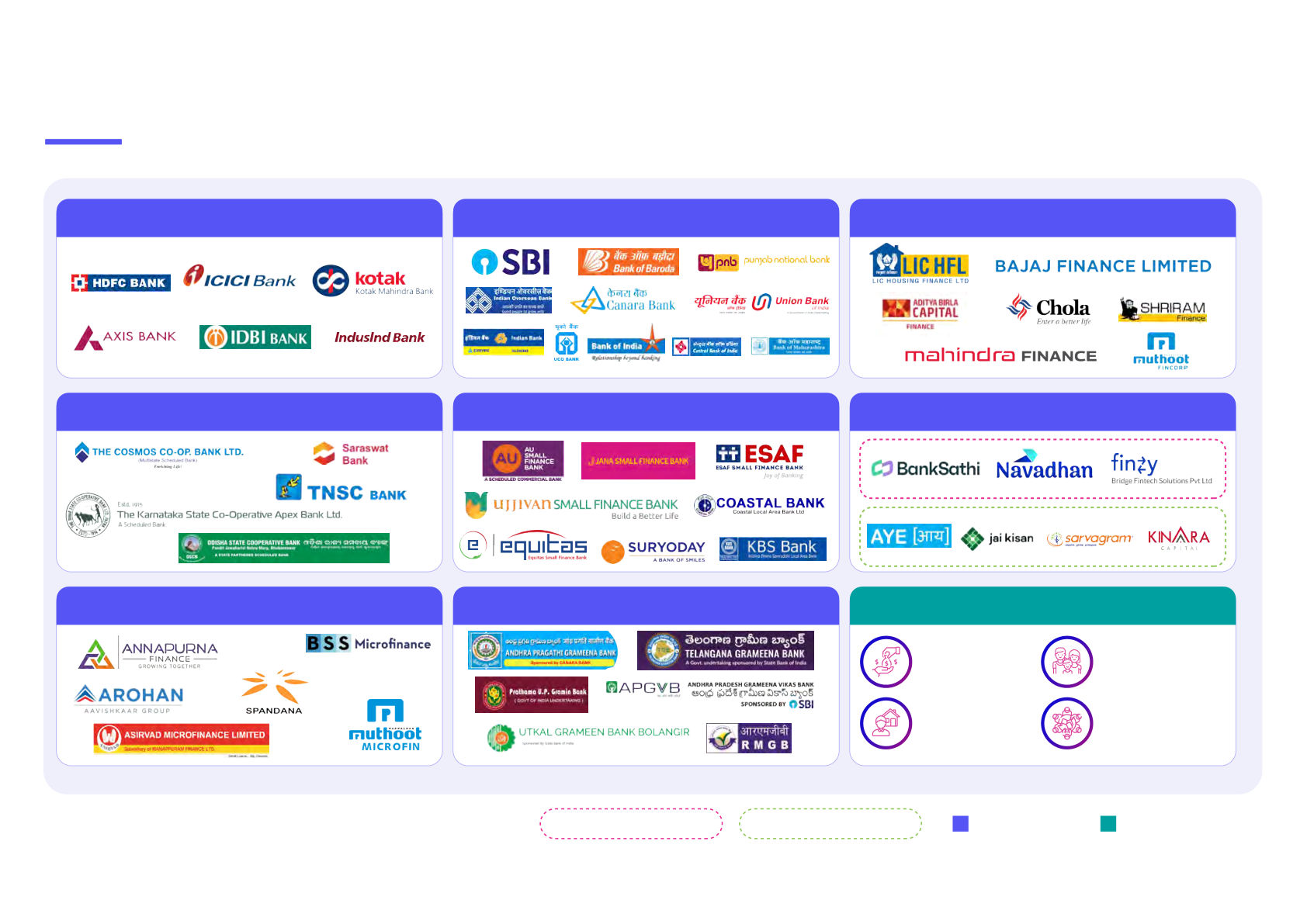
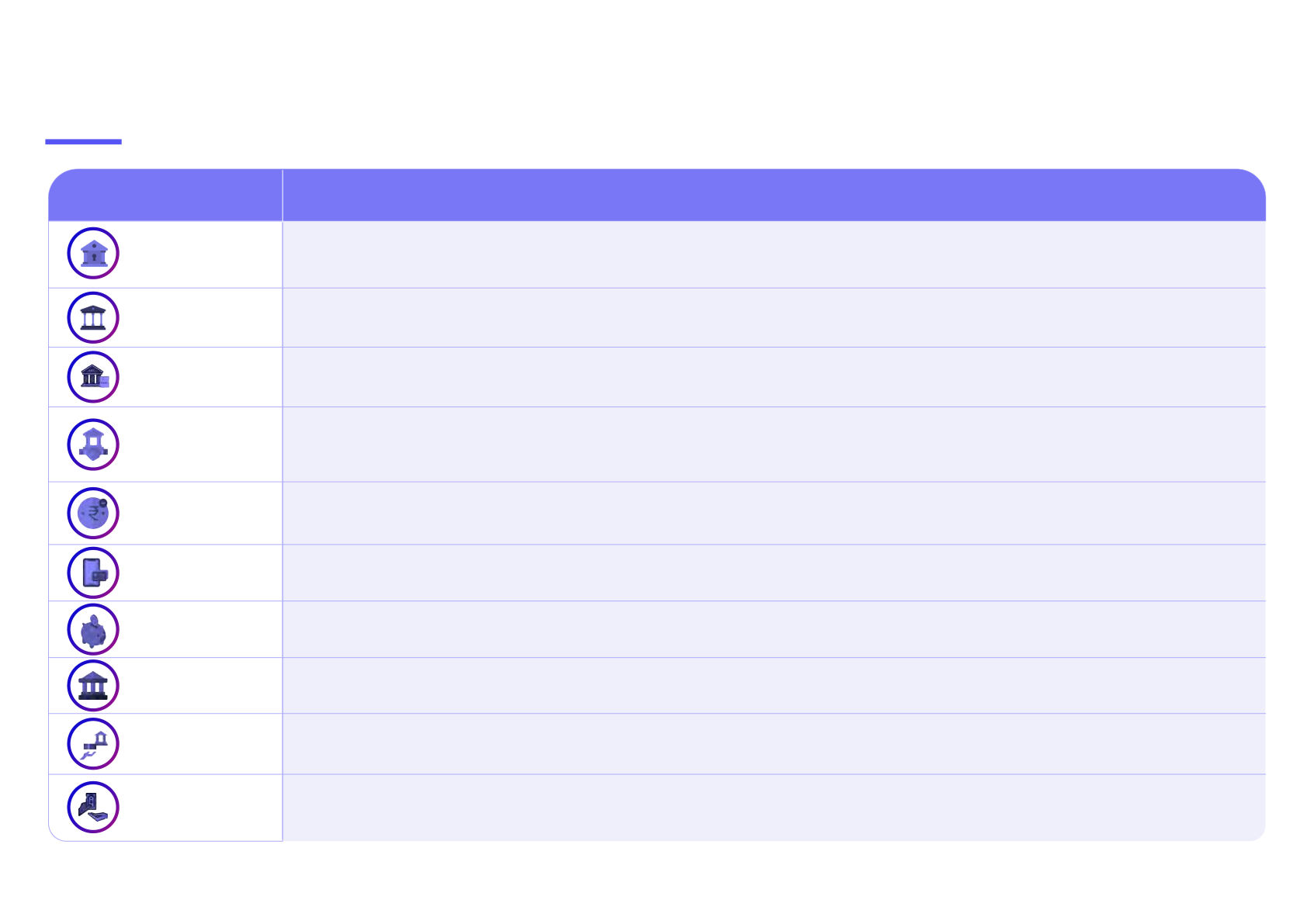
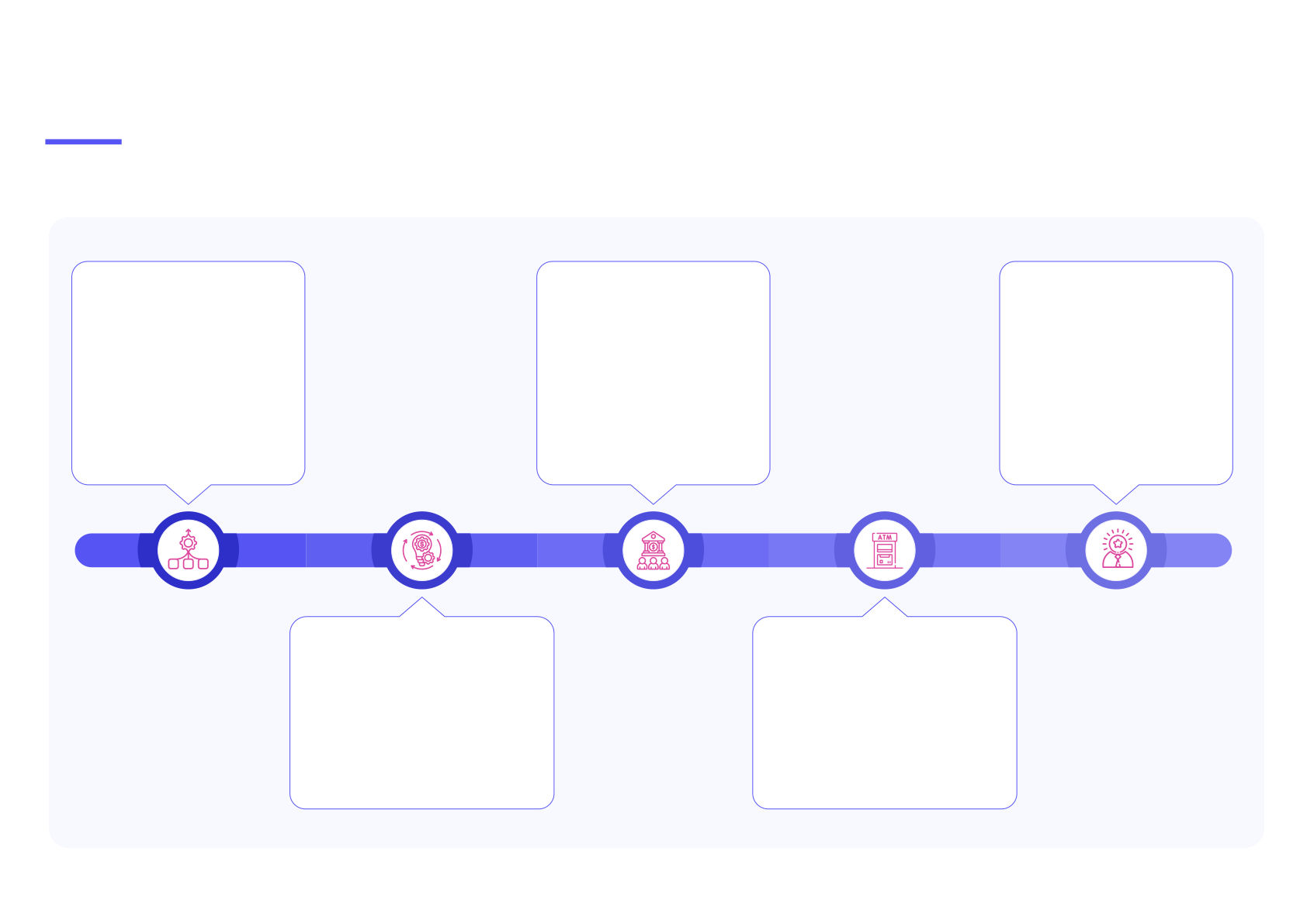
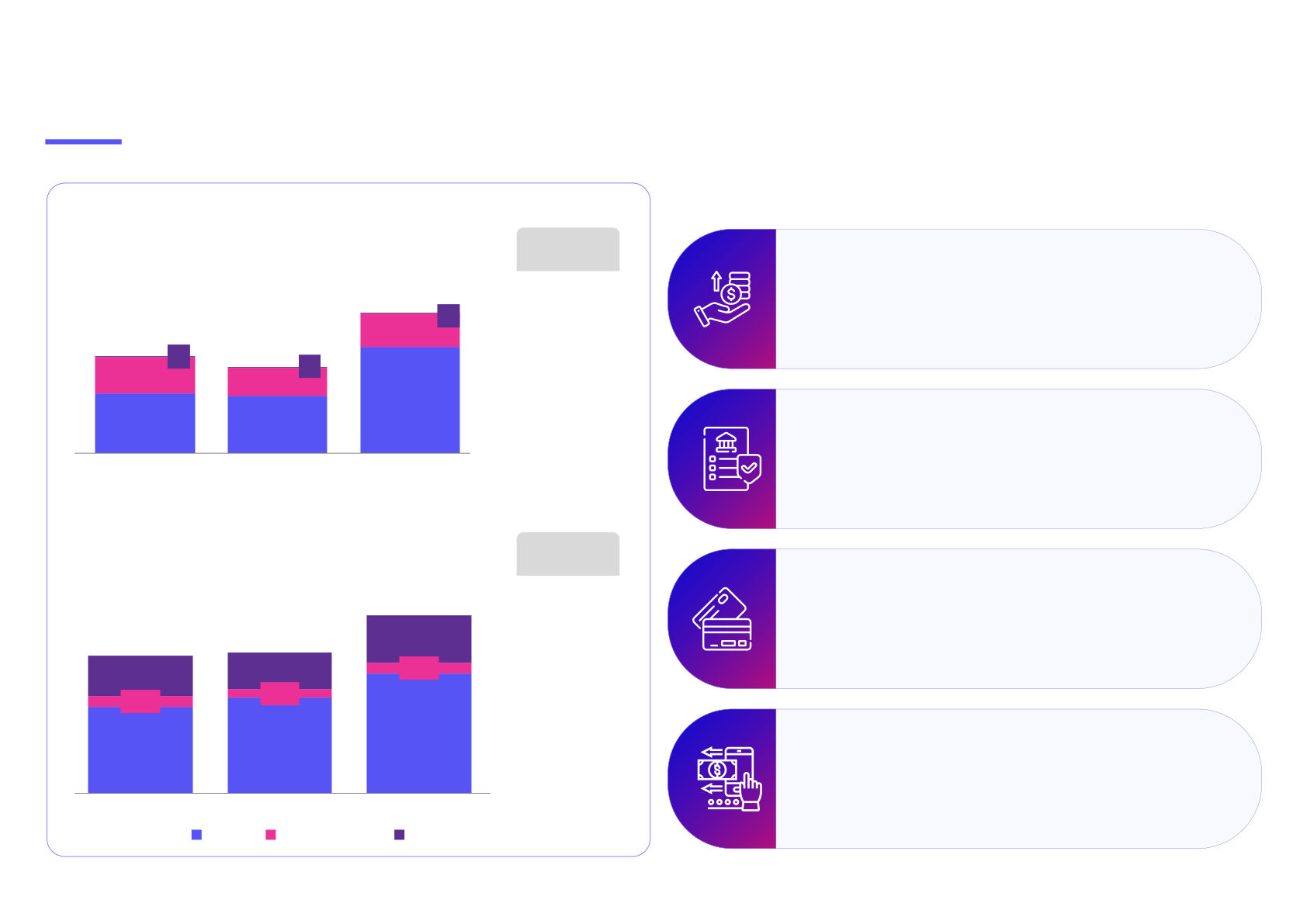
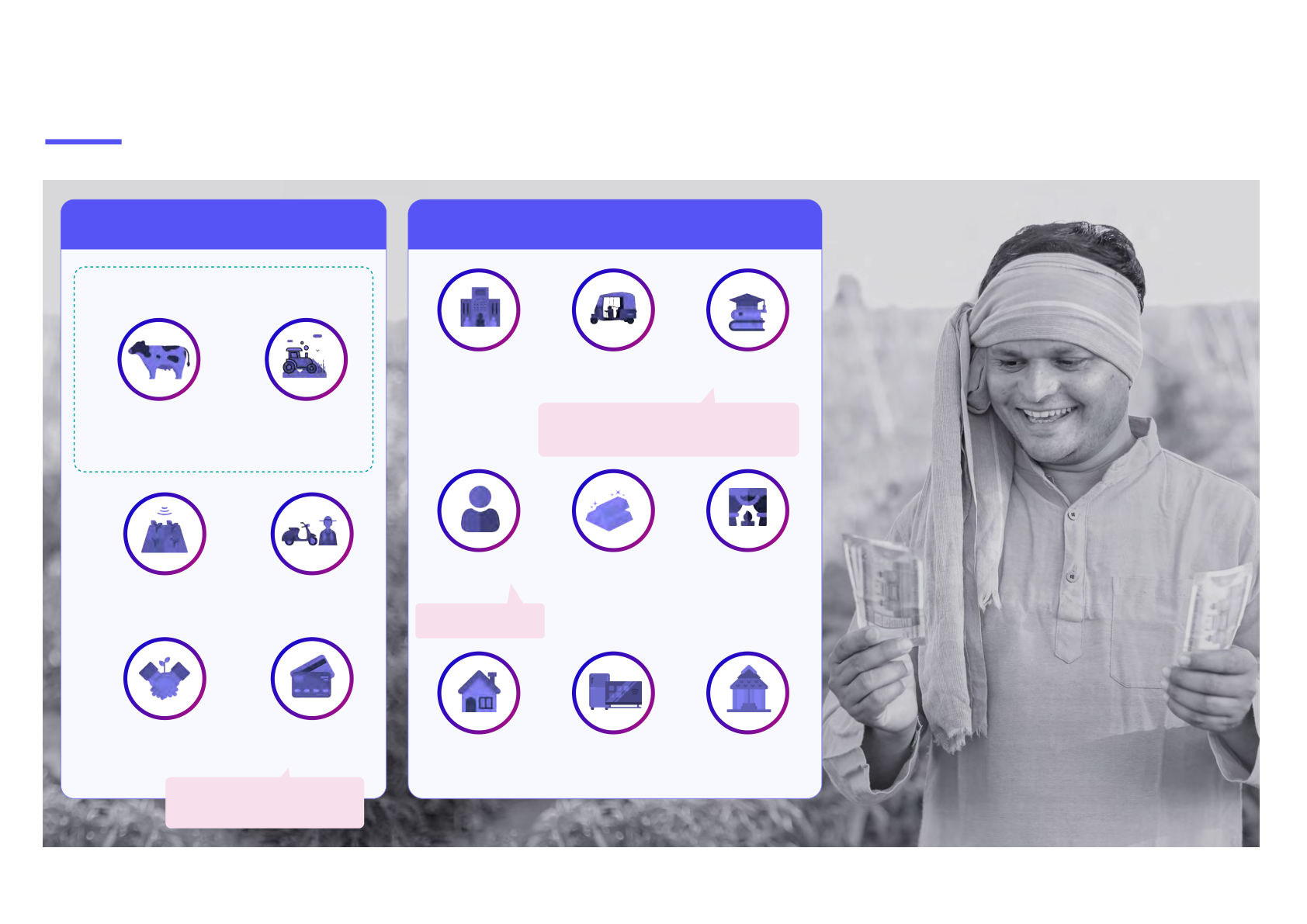
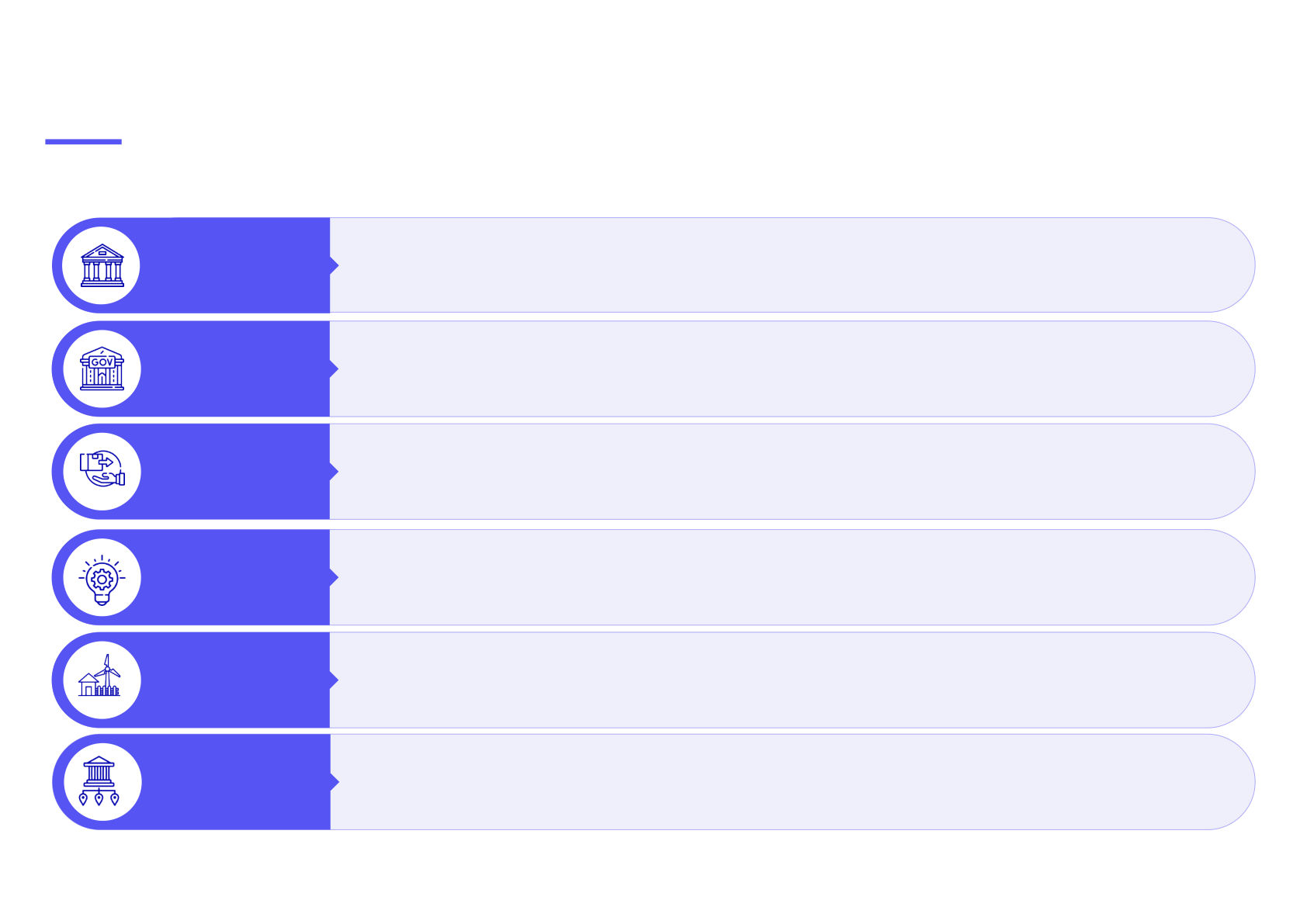
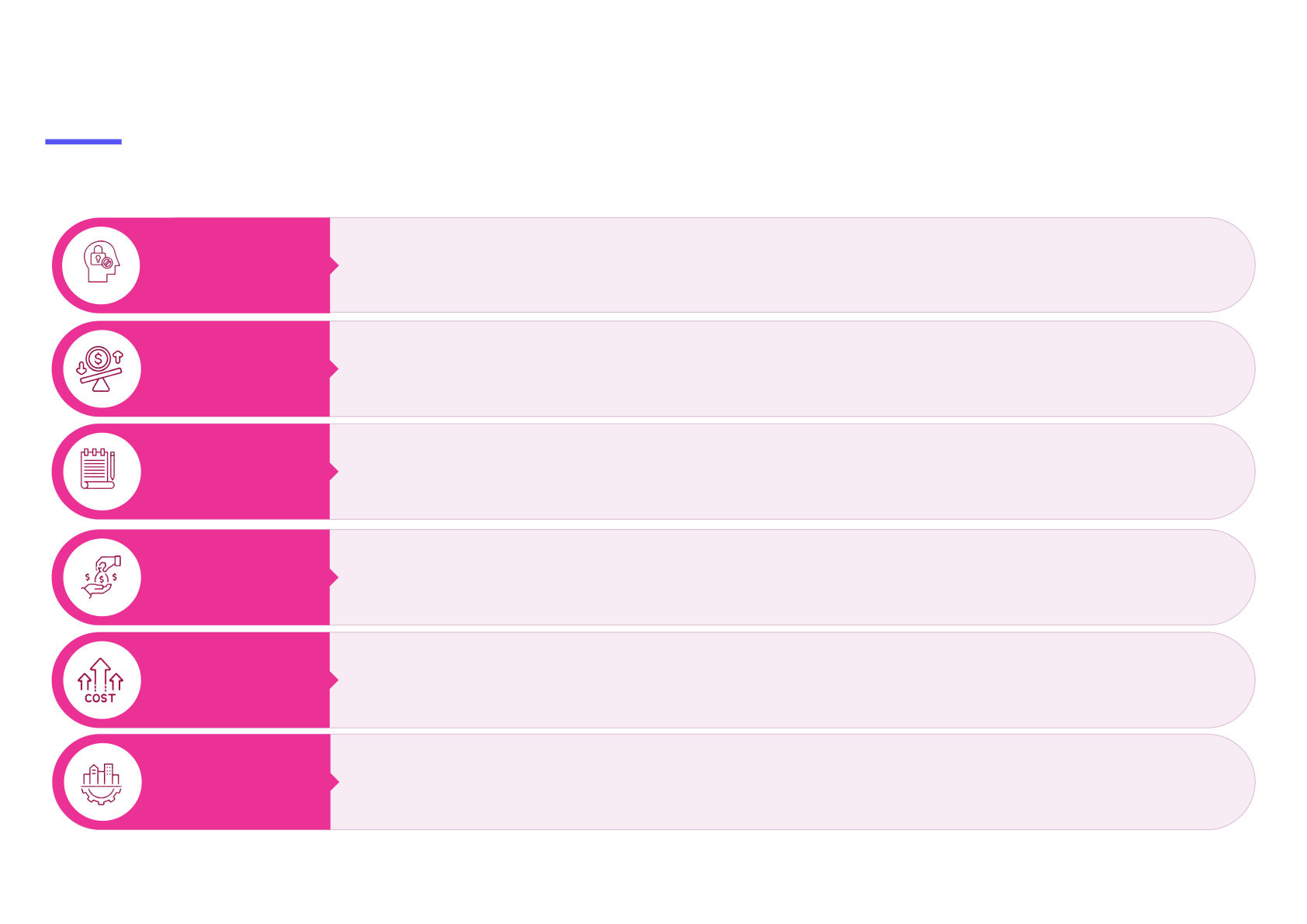
Foreword The lending landscape in rural such as Kisan Credit Cards and India is undergoing a significant subsidized loan schemes continue transformation, driven by rapid to play a crucial role in supporting digitalization, the rise of FinTech farmers and rural entrepreneurs. solutions, and increased With increasing demand for credit government support. In recent across sectors, these years, we have seen notable advancements are laying the advancements that have not only foundation for a more inclusive and enhanced credit accessibility but structured lending ecosystem. also fostered financial inclusion This report delves into the key across rural communities. This Amar Choudhary Abhilasha Jaju trends shaping rural lending in shift is creating new opportunities CEO & Co-founder Director, Banking, Financial India, highlighting the impact of for structured and efficient lending Services, and Insurance 1Lattice FinTech, digitalization, and policy models, ensuring that credit support in transforming credit reaches those who need it most. accessibility. As the ecosystem A key driver of this evolution is the continues to evolve, new growing integration of technology innovations will emerge, in the rural lending landscape. strengthening rural financial FinTech players are leveraging infrastructure. This report reflects digital platforms, alternative credit our perspective as of February assessment models, and 2025, and we look forward to seamless disbursal mechanisms engaging with industry leaders and to bridge gaps in traditional stakeholders to explore the future lending. Additionally, of rural lending in India. government-backed initiatives Glossary Acronyms Definition AePS Aadhaar Enabled Payment System BC Business Correspondent IPPB India Post Payments Bank KCC Kisan Credit Card MFI Microfinance Institution MGNREGA Mahatma Gandhi National Rural Employment Guarantee Act MUDRA Micro Units Development & Refinance Agency Ltd. NRLM National Rural Livelihood Mission PMJDY Pradhan Mantri Jan Dhan Yojana RRB Regional Rural Bank SCB Scheduled Commercial Banks SHG Self-Help Group Source(s): 1Lattice analysis Executive summary Evolution & key financial reforms Innovations over time & FinTech offerings • Rural credit has shifted from informal moneylenders to a structured • Aadhaar-based eKYC, Unified Lending Interface, and system with cooperative banks, RRBs, and financial reforms alternative credit scoring are streamlining rural credit access • Government initiatives and banking reforms have expanded rural • FinTech players are offering alternative lending solutions such credit access and financial inclusion as household-centric approaches & proprietary scorecards & algorithms to reach the underserved population • Digitalization, FinTech reach, and P2P lending are transforming rural credit delivery and efficiency Key challenges • Lack of financial literacy in rural communities, leading to vulnerability to informal sources such as moneylenders • Agricultural income fluctuations & lack of collateral makes loan repayment uncertain, increasing lender risk & limiting credit availability • Infrastructure limitations & high service costs due to smaller ticket sizes & documentation challenges make it difficult for players to provide affordable credit Way forward • Government initiatives to focus on expanding access to credit for farmers, MSMEs, and rural residents through increased loan limits, new credit frameworks, and support for digital lending • Measures like RRB consolidation, IPPB expansion, and tech upgrades will strengthen rural financial infrastructure and promote financial inclusion • Focus on small-ticket loans by FinTech players will better tap into the underserved and new-to-credit segment Source(s): 1Lattice analysis © 1Lattice | 04 Agenda Overview of rural lending in India Evolution & key reforms Retail participation in rural India Innovations and opportunities Way forward Overview of rural credit system Indian rural credit system is shaped by a mix of formal players such as banks & NBFCs, alongside informal players including moneylenders Private sector banks Public sector banks NBFCs Cooperative banks Small finance banks & local area banks FinTech players MFIs RRBs Other sources Moneylenders Friends & family Local landlords SHGs Lending platform Direct lender Formal sources Informal sources Note(s): Mentioned list of entities is illustrative in nature not exhaustive © 1Lattice | © 1Lattice | 06 06 Source(s): RBI, player websites, 1Lattice analysis Key players & their roles Rural focus is growing across the system through priority sector lending, enhanced last-mile connectivity, customized products & tech-driven solutions Key player Role in rural credit landscape Private sector • Owned & operated by private entities banks • Priority sector lending & increased adoption of the Business Correspondent (BC) model to tap rural & semi-urban customers • Owned by the government, either directly or through other government agencies, with a majority stake Public sector banks • Initiatives such as priority sector lending maintaining focus on retail credit access in rural areas • Offer financial services similar to banks but without a banking license and with limited banking regulations NBFCs • Wider physical network in semi-urban & rural areas compared to banks strengthened by local agents & product-driven focus • Small financial institutions owned & operated by a group of democratically elected individuals to address capital needs of Cooperative their community banks • Enhanced reach to unbanked regions by providing microfinance to retail customers and small businesses • Provide basic banking services to the underserved and unbanked regions – usually rural & semi-urban areas Small finance banks & local • Pre-sanctioned credit via UPI to further support rural & semi-urban customers, micro-entrepreneurs & other underserved area banks groups FinTech • Provide financial services through tech-driven products such as mobile apps players • Increased focus on rural areas as an untapped market, fueled by high FinTech adoption rates across the country Microfinance • Microcredit providers to low-income individuals institutions • MFI customer base up by 17% Y-o-Y (FY24) to 78M, with 45M coming from rural and semi-urban areas (MFIs) • Rural arms of scheduled commercial banks Regional Rural Banks • Tailored financial products focused on rural customers for agriculture, small business, etc., driven by priority sector lending • Informal groups of individuals in the same socio-economic background Self-Help • Increased access to loans for SHG women entrepreneurs through SBI-Rural Development Ministry MoU to Groups (SHGs) facilitate enterprise financing • Provide credit to individuals who may not have access to formal financial institutions Moneylenders • Relied upon by small & marginal farmers, laborers & rural entrepreneurs who do not have the necessary collateral/credit history to access loans from formal financial institutions Source(s): Secondary research, 1Lattice analysis © 1Lattice | 07 Agenda Overview of rural lending in India Evolution & key reforms Retail participation in rural India Innovations and opportunities Way forward Evolution of rural credit systems Rural credit has seen an evolution from a fully informal model to a structured system, driven by milestones such as introduction of RRBs & tech-driven reforms Timeline & evolution of key events Foundations of Institutional Expansion Widening Access Modernization Implementation of Rural Credit System & Cooperative Monopoly to Credit and Efficiency Supporting Schemes • Borrowing and lending • Credit cooperatives • Nationalization of • Financial sector reforms • Increased financial practices dominated by continued as the primary commercial banks to aimed at strengthening inclusion and digital traders and moneylenders credit providers improve rural credit credit institutions transactions at high interest rates delivery • All India Rural Credit • Transformation of banks • Improved small • Introduction of cooperative Survey by RBI laid the • Establishment of RRBs to into financially viable business financing credit societies to formalize groundwork for rural serve weaker sections at and operationally and cooperative credit delivery banking reforms low costs efficient entities bank support • Enactment of the • Introduction of State • Expansion of branch • SHG-Bank Linkage • Envisioning and Cooperative Societies Act Bank of India to expand banking in rural and Program , and financial establishment of P2P to strengthen cooperative banking services semi-urban areas inclusion initiatives lending credit institutions • Limited rural credit • Focus on priority sector • Focus on policy-driven penetration with lending and financial credit initiatives rather cooperatives inclusion than ground-level needs maintaining monopoly Phase 1 Phase 2 Phase 3 Phase 4 Phase 5 Pre-Independence Post-Independence Nationalization & Financial Reforms Transformation & (Prior to 1947) (1947-1969) Rural Banking (1991 - 2009) implementation (1969-1991) (2011 onwards) Note(s): This classification of phases is based on 1Lattice's perspective and may vary based on alternate classifications © 1Lattice | 09 Source(s): Secondary research, 1Lattice analysis Key financial reforms Reforms have focused on financial inclusion, modernizing credit systems & expanding retail access, with significant initiatives like PMJDY & RRB consolidation Key financial reforms since the 2000s • A. Vaidyanathan • Swabhimaan • Initiatives like PM Committee revamped Campaign initiated Garib Kalyan rural cooperative credit Yojana, Garib • Phase II of RRB Kalyan Rojgar • RRB consolidation as per consolidation, Abhiyan Vyaas Committee launch of RuPay recommendations • Atmanirbhar • Introduction of 2014-2019 Bharat Abhiyan • Introduction of MGNREGA National Rural Expanding Rural and asset creation & no-frills accounts Livelihood Mission under MGNREGA (NRLM) Access & • Business Correspondent 2008-2009 Model (BC Model) initiated Modernizing Financial Credit Systems Innovations 2004-2006 2011-2013 2020 Onwards Early Financial Financial Further • Aadhaar Enabled • Pradhan Mantri Jan Dhan Reforms Payment Services (AePS) Inclusion Yojana (PMJDY) launched Reforms launched • Introduction of Micro Units • G.C. Chaturvedi Task Force Development and Refinance on cooperative credit Agency (MUDRA) • Further consolidation of RRBs • Guidelines eased for ATM expansion in rural areas Source(s): Secondary Research, 1Lattice analysis © 1Lattice | 10 Agenda Overview of rural lending in India Evolution & key reforms Retail participation in rural India Innovations and opportunities Way forward Demand drivers Retail investors lead rural lending in India; Rising agri input costs, policy support & increased digital lending are key demand drivers Loan originations in rural India by volume Factors driving rural credit demand (#, L) CAGR (FY 20-22) Agri-advancements & rising input costs Cost-intensive modern agricultural techniques & soaring 20% 1,614 input costs for seed, raw materials, and labor – almost 2X 33% between FY17 and FY23 - have made access to affordable 5 388 credit crucial for farmers -5% 1,113 986 3 5 426 320 1,221 34% Policy support boosting accessibility 684 661 Government subsidized loans with lower interest rates and moratorium benefits, collateral-free agri loans , with RBI FY20 FY21 FY22 raising loan limits from INR 1.6L to INR 2L per borrower are driving farmers’ accessibility to formal credit Loan originations in rural India by value (INR K Cr) CAGR (FY 20-22) Kisan Credit Cards driving agri-loans 2,325 14% Expansion of agricultural loan access for small & marginal farmers, with the share increasing from 57% in FY15 to 76% in 1,840 1,792 8% FY24 , is fueled by low-interest , short-term loans offered by 617 the Kisan Credit Card 0.3% 146 483 527 112 145 18% 1,563 Digital lending reaching the underserved 1,245 1,121 Leveraging alternative credit assessment techniques , FinTech lenders held a 78% (Apr’24 to Sep’24) share of personal loan sanctions, largely driven by small-ticket loans from first-time FY20 FY21 FY22 & underserved borrowers Retail Microfinance Commercial © 1Lattice | 12 Source(s): Secondary Research, 1Lattice analysis Credit offerings Apart from government scheme-backed farm loans, various lenders are expanding non-farm loan options to serve rural customers with limited credit history Farm sector loans Non-farm sector loans Agricultural purposes Vehicle & CV* Education Enterprise / loans loans business loans New-age players providing smaller EMIs, Allied agricultural Purchase of study-now- pay-later option, eligibility activities (e.g., machinery criteria beyond credit scores purchase of livestock) Personal Gold Marriage loans loans assistance loans Purchase of Personal vehicle agricultural land for agriculturists Low-CIBIL loans by new-age players Agri-clinic & Kisan Credit agri-business centers Card Housing Consumer Pilgrimage loans durables loans loans Mainly for agriculture & allied activities, also covering farmers' household needs. Note(s): *Commercial Vehicles © 1Lattice | 13 Source(s): Secondary Research, 1Lattice analysis Growth drivers Growth in rural lending is driven by diversification into non-farm activities and sustained government support through new initiatives Growth drivers Description NBFCs and FinTech • NBFCs saw a 70% Y-o-Y growth in loans sanctioned in rural areas in 2022, FinTech NBFC lenders saw a Y-o-Y NBFCs growth of about 200% in approved loans for rural areas against 140% for urban areas in 2022 • The PMJDY has led to the opening of over 531M bank accounts across India since inception, of which ~67% of accounts Key Government are in rural & semi-urban areas Initiatives • Interest-subsidized loans provided through Kisan Credit Card (KCC) have contributed to the formalization of rural credit. As of Jan’24, over 75M KCCs have been issued to support farmers’ agricultural and consumption needs • The government's efforts to double farmers' incomes have been highly successful, leading to increased spending and a rising demand for loans to finance agricultural inputs, mechanization, and consumption Increased Demand for Credit • Rural MSMEs, which make up about 51% of all MSMEs in India, typically have limited savings or retained earnings, significantly driving the demand for credit • Credit underwriting software and new financial products tailored for rural borrowers have facilitated growth Technological • FinTech companies leverage AI and alternative data for credit assessments, providing targeted and efficient Advancements financial services • Improved rural infrastructure (roads, electricity, internet) has boosted economic activities, & diversified rural Diversification in economies Rural Economies • Growth in non-farm sectors like manufacturing & services has increased incomes & spurred higher demand for credit Expansion in Bank • The RBI's policies to increase the number of bank branches in rural areas have also played a crucial role. Approximately 30% of all bank branches are now located in rural regions, where over 60% of the population resides Branches Source(s):Secondary Research, 1Lattice analysis © 1Lattice | 14 Challenges Seasonal income fluctuations and limited access to formal credit systems create significant obstacles to accessing credit in rural areas Challenges Description Information • Limited financial literacy in rural communities creates information gaps, leading to poor financial decisions and Asymmetry increased vulnerability to predatory lending Seasonal Income • Seasonal income fluctuations in agricultural communities hinder timely loan repayment, increasing lenders’ risk and limiting financial services for rural populations Fluctuations • Collateral, land, or asset document requirements by traditional lenders limit credit access for small farmers and Lack of Collateral rural entrepreneurs, restricting business growth and modern agricultural adoption • Informal credit remains prevalent in rural areas due to easy accessibility, quick disbursement & flexible collateral Dependence on requirements, with only 40% of farmers accessing formal channels. Moneylenders often charge high interest rates, Informal Credit trapping borrowers in debt cycles High Transaction • Delivering financial services in remote areas incurs higher operational costs for banks due to lower ticket sizes, lack Costs of proper documentation & information to underwrite. This increases the difficulty of providing affordable credit Infrastructure • Rural banks often face infrastructure limitations, such as inadequate facilities, outdated technology, and insufficient Deficiencies staffing, which can make it more challenging for RRBs to serve rural customers efficiently Source(s): Secondary Research, 1Lattice analysis © 1Lattice | 15 Agenda Overview of rural lending in India Evolution & key reforms Retail participation in rural India Innovations and opportunities Way forward Innovations over time Innovations like Aadhaar-based eKYC, earned wage access, and unified lending interface have enhanced credit accessibility for rural customers Digital Lending Alternative Earned Wage Platforms Data for Credit Access (EWA) Assessment • FinTechs are leveraging the • Companies are employing alternative • EWA is a transformative financial innovations like Aadhaar-based credit scoring models using alternative solution, enabling workers to access a eKYC and UPI to simplify credit data from utility bill payments, GST portion of their earned but unpaid access, reduce costs, and enable filings and, even social media behavior wages in real time real-time lending in rural areas • This is enabling faster loan approvals for • This empowers employees to handle individuals with limited credit histories urgent financial needs and reduce reliance on high-cost credit options Peer-to-Peer Unified Lending Phygital Model (P2P) Lending Interface (ULI) • P2P lending is emerging as a viable • RBI's Unified Lending interface has • In this model, neighborhood shops in rural alternative to traditional lending in rural streamlined credit disbursals in rural areas are converted into banking outlets India, supported by a favourable areas by enabling faster & easier using micro-ATMs & AePS devices regulatory environment under the RBI access to credit through digital • Merchants provide assisted digital integration of land records & other • This is addressing the credit needs of banking services, eventually enabling relevant data individuals and small businesses who customers to transition to self-service often struggle to access formal financial banking on smartphones systems Source(s): Secondary Research, Lattice analysis © 1Lattice | 17 FinTech offerings FinTech platforms and NBFCs are innovating alternative lending solutions to meet the unique needs of the rural segment FinTech platform loan originations With proprietary algorithms, alternative credit assessments, (% of customers) and deep rural reach, credit solutions are being reshaped to cater to underserved communities FinTech loan originations in rural & semi-urban areas grew by 15% between FY19 & FY23, reflecting increased adoption in these regions Household-centric approach: Credit solutions based on 36% household economic potential rather than individual income, 51% factoring in income variability & multiple income streams On-the-ground presence: Like traditional NBFCs, new-age players are leveraging data-driven insights & a strong physical presence to deliver services in remote areas 64% 49% Proprietary scorecards & algorithms : In-house standardized metrics to assess income variability, driving accurate credit assessments even without traditional credit documents such as income statements, address proof, etc. FY19 FY23 Satellite imagery to assess crop yields: Creating credit scores for unbanked farmers by evaluating crop yields, allowing Metro & urban Semi-urban & rural access to small loans inaccessible through traditional banks Source(s): Secondary Research, 1Lattice analysis © 1Lattice | 18 Agenda Overview of rural lending in India Evolution & key reforms Retail participation in rural India Innovations and opportunities Way forward Way forward The industry is undergoing favorable changes fueled by increasing financial awareness, emerging technologies, rising demand, & evolving regulatory landscape • The government plans to consolidate RRBs, reducing their number from 43 to 28, to lower operational costs and bolster Consolidation of their capital base, this move is expected to enhance the efficiency and outreach of these banks in serving rural RRBs communities Increased • To address rising inflation and input costs, the RBI has raised the limit for collateral-free agriculture loans from INR 1.6L collateral- free to INR 2L. This initiative aims to enhance access to formal credit channels for small and marginal farmers agriculture loan limit • Recognizing the need for improved financial services in rural areas, the government plans to deepen and expand the Expansion of IPPB services of India Post Payments Bank, which will include credit services to micro enterprises and assisted digital services Services to enhance financial inclusion by making banking and payment services more accessible to remote populations • Union Budget FY25 has introduced the Grameen credit score framework to better serve the credit needs of SHG Grameen Credit members and rural residents. This framework is expected to facilitate more tailored and efficient lending practices in Score Framework rural areas supporting the expansion of SHGs and rural entrepreneurship • The government has increased the subsidized KCC loan limit from INR 3L to INR 5L. This measure is expected to benefit Increased KCC ~7.7 Cr farmers, including fishermen and dairy farmers, by providing greater financial support to the agricultural sector Loan Limit • The government has launched a credit guarantee scheme for MSMEs, offering collateral-free loans up to INR 100 Cr Credit Guarantee announced in the FY25 Budget which aims to enhance credit access and support the growth and sustainability of the Scheme for MSMEs MSME sector • To enhance rural financial services, fintech startups and business correspondents will receive government support to Emerging upgrade technology infrastructure. A proposed fund of INR 500 Cr aims to improve services like remittances and Jan technologies Dhan accounts , thereby boosting last-mile financial inclusion • The small-ticket loan against property (S-LAP) segment presents a substantial opportunity for NBFCs. The S-LAP market Untapped Potential remains largely untapped, with penetration below 10%, indicating significant growth potential. This indicates significant in Small-Ticket Loan room for growth in providing small-ticket loans in rural areas Source(s): Secondary Research, 1Lattice © 1Lattice | 20 We are here for you Let us know how we can meet your business requirement? Amar Choudhary Abhilasha Jaju CEO & Co-founder Director, Banking, Financial Services, and Insurance E: amar@1lattice.com E: abhilasha.jaju@1lattice.com For media queries, Urbashree Bayan Associate Manager – Corporate Communications please contact E: communications@1lattice.com www.1lattice.com Disclaimer: This material has been prepared by 1Lattice, which is the trade name of Lattice Technologies Private Limited (“1Lattice”, “we” or “our”) with the intent to showcase our capability and disseminate learnings to potential partners/clients. This material can be referred to by the readers on the internet but should be referenced to 1Lattice, if reused or adapted in any form, or medium and on any forum. The frameworks, approaches, tools, analysis and opinions are solely 1Lattice’s intellectual property and are a combination of the collection of the best data we could find publicly, and the 1Lattice team’s own experiences and observations. Any information provided herein is only for informational purposes and you are advised to perform an independent analysis of the same before making any decision based on such information. The information does not constitute any business advice or guidance and is to be construed as a general summary based upon the publicly available information and our interpretation of the same using our resources. For this material, we may have relied upon different sources of information which may be primary sources, publicly available information, and relevant information available with us. We make no representation or warranty, expressed or implied, that such information is accurate or complete, and nothing contained here can be construed as definitive predictions or forecasts. Before reading further, the Recipient expressly agrees that this might not address any and all risks and challenges facing the Recipient, its business, and the markets within which it operates, nor all possible market conditions. Any use of the information provided herein by the viewer shall be at the sole risk of the viewer and 1Lattice or its business partners, affiliates, agents, officers or employees shall not be liable for any unintended or adverse effect or outcome from the use of such information by the reader. 1Lattice does not have any duty to update or supplement any information in this document. 1Lattice shall not be responsible for any business or commercial loss sustained by any person who relies on any information provided herein. Any and all logos of companies used in the information provided herein have been published for information purposes only and 1Lattice does not hold any liability in connection therewith. Product in Spotlight - Pulse This report was curated using Pulse , our cutting-edge analytics product that provides unparalleled insights into industry benchmarks, operating metrics, and best practices. Pulse delivers a deep understanding of macroeconomic trends, regulatory shifts, pricing strategies, and brand sentiment through advanced social listening and analytics. Leveraging Pulse, our experts have explored the transformative shifts in India’s rural lending ecosystem, driven by FinTech innovations, digital credit solutions, and evolving government policies . This report examines how t echnology is redefining credit accessibility, the role of alternative lending models, and the strategic partnerships shaping financial inclusion in rural India. With a data-driven approach, this report equips financial institutions, policymakers, and investors with actionable insights to navigate the evolving rural credit landscape, capitalize on emerging opportunities, and drive meaningful impact. WHAT WE DO 4 200+ Making organizations effective through Offices in India Annual data-driven insights, innovative Vision engagements products solutions and proven expertise to enable better decisions To provide technology led solutions 130+ 50+ that unlock that power of trustable Mission Team members Inhouse data, actionable research, and deep research team network of experts 1,000+ 2M+ On-ground staff B2C Panel Data + Accumulated People/ Professionals/ knowledge Service providers 300K+ 100K+ B2B Panel Experts & professionals 20% 100% Cost savings Controlled output & timeline Research +91 976 925 3702 abhilasha.jaju@1lattice.com Delhi NCR | Mumbai | Bengaluru | UAE | KSA | Singapore