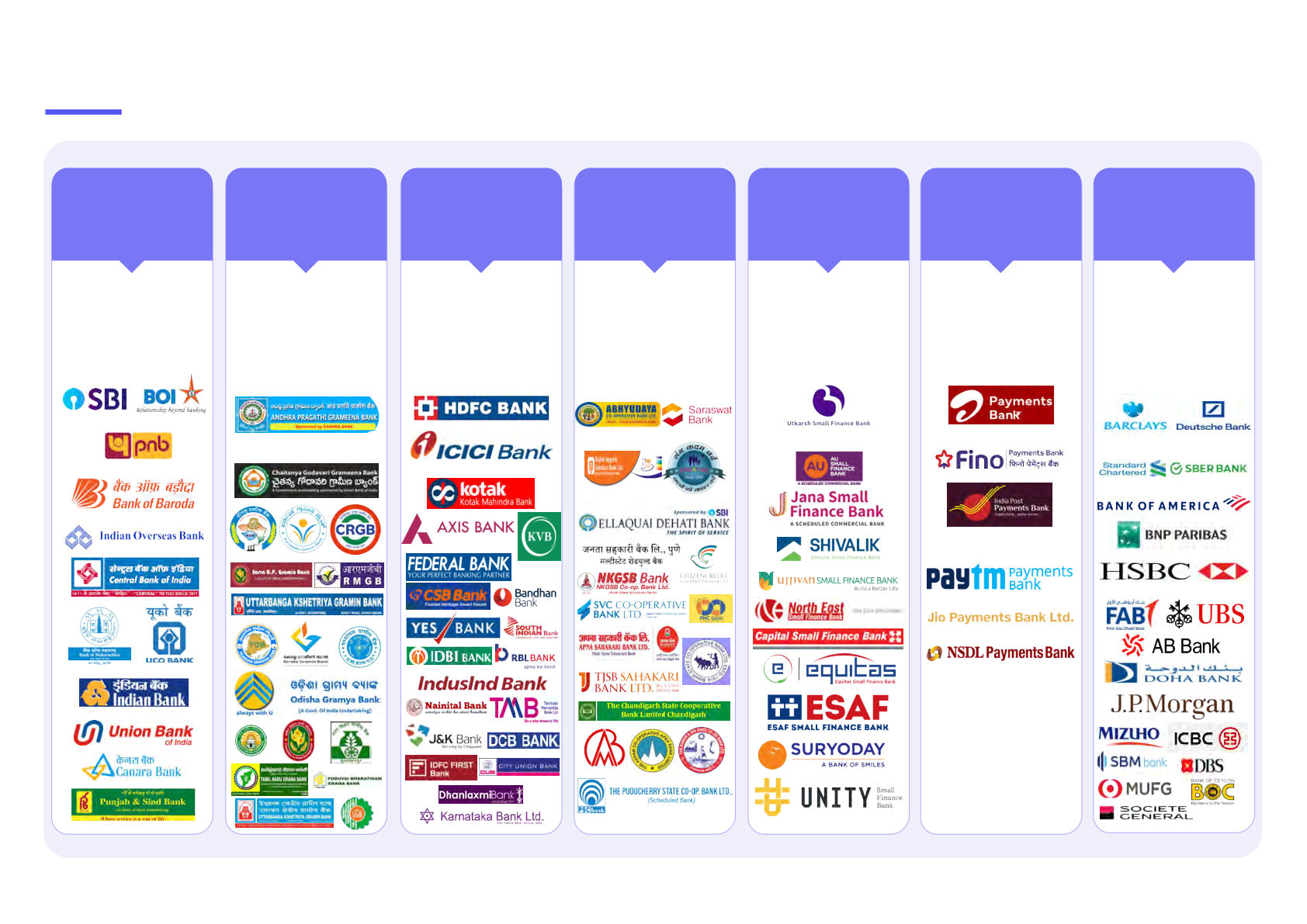
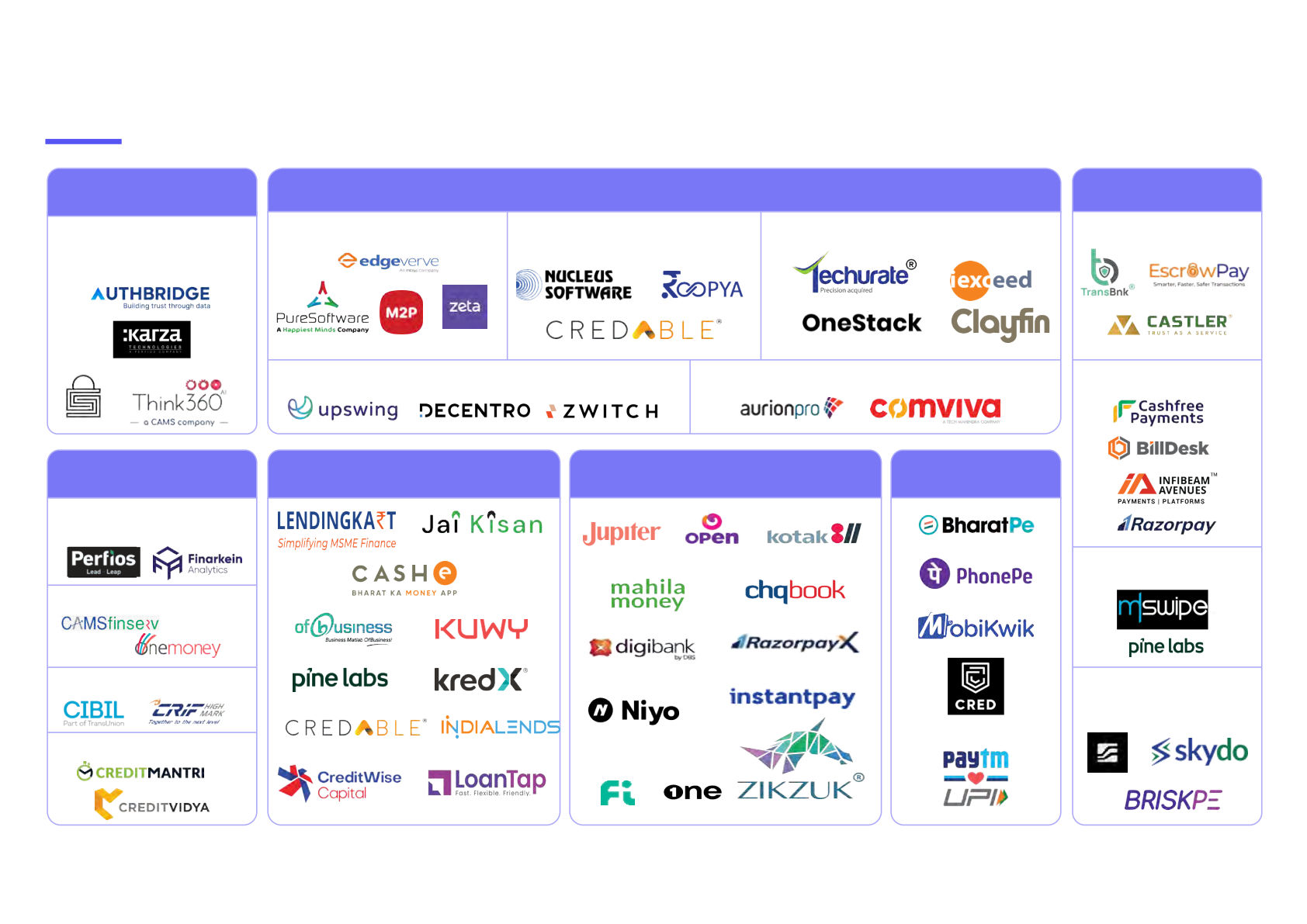
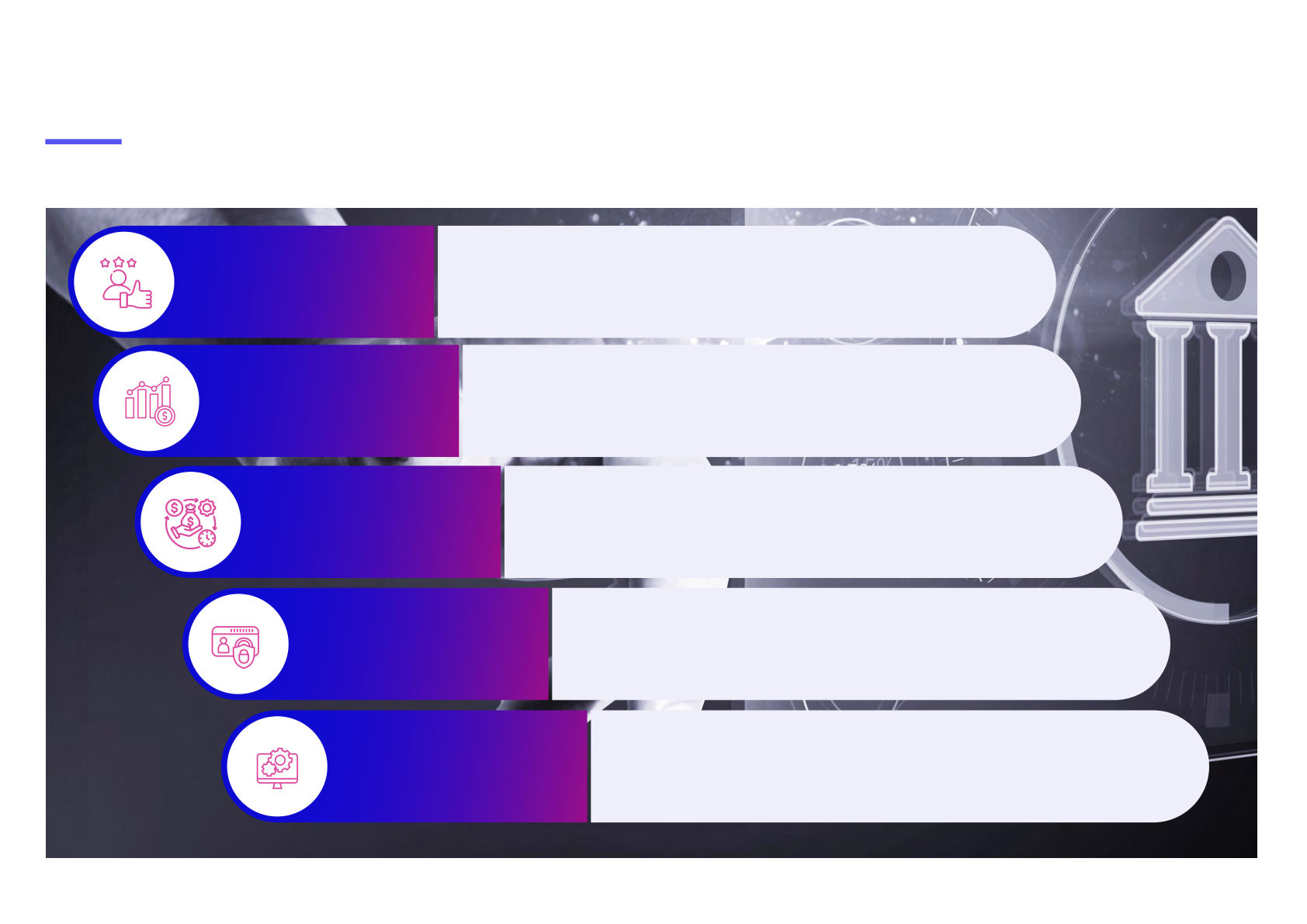
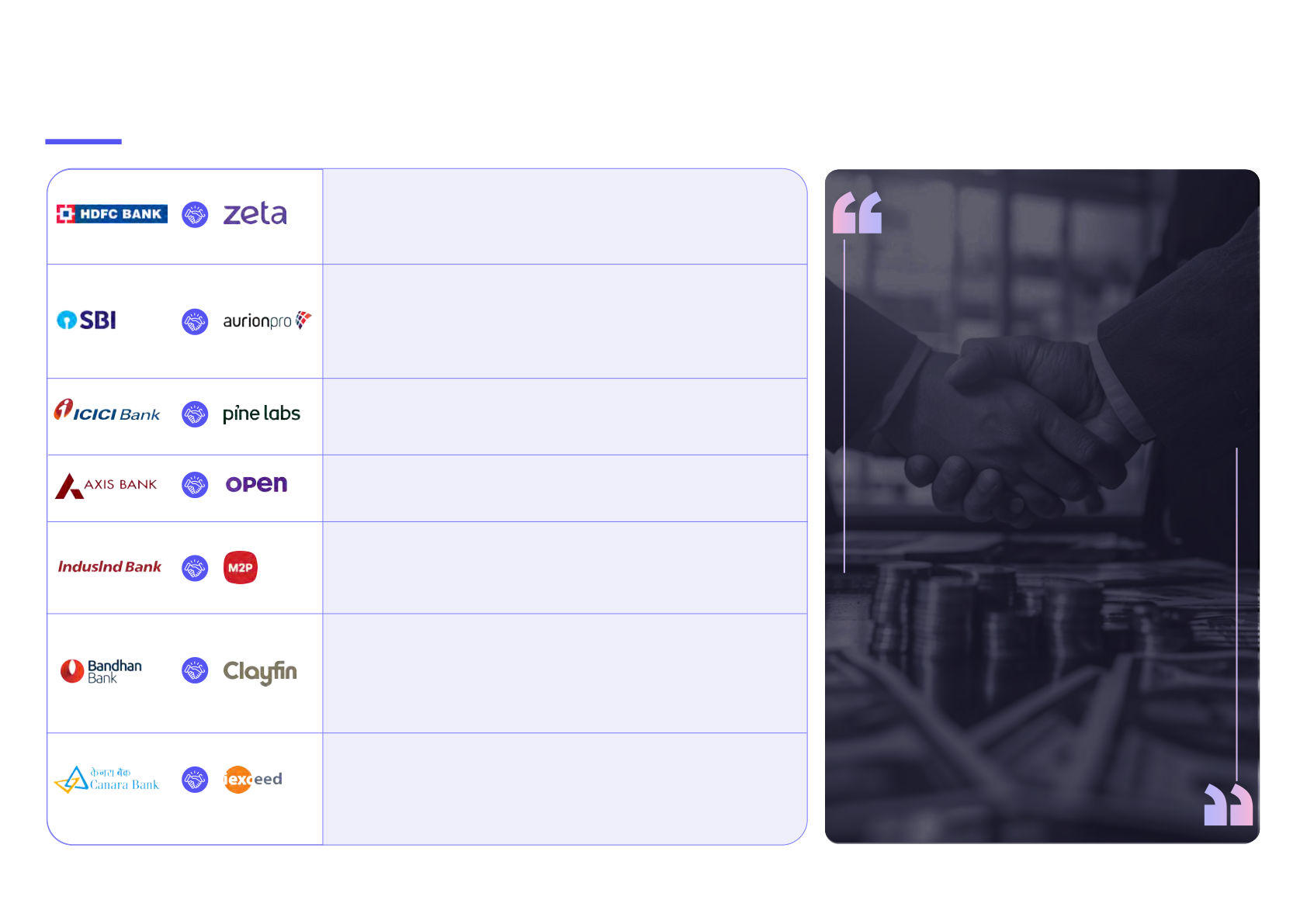
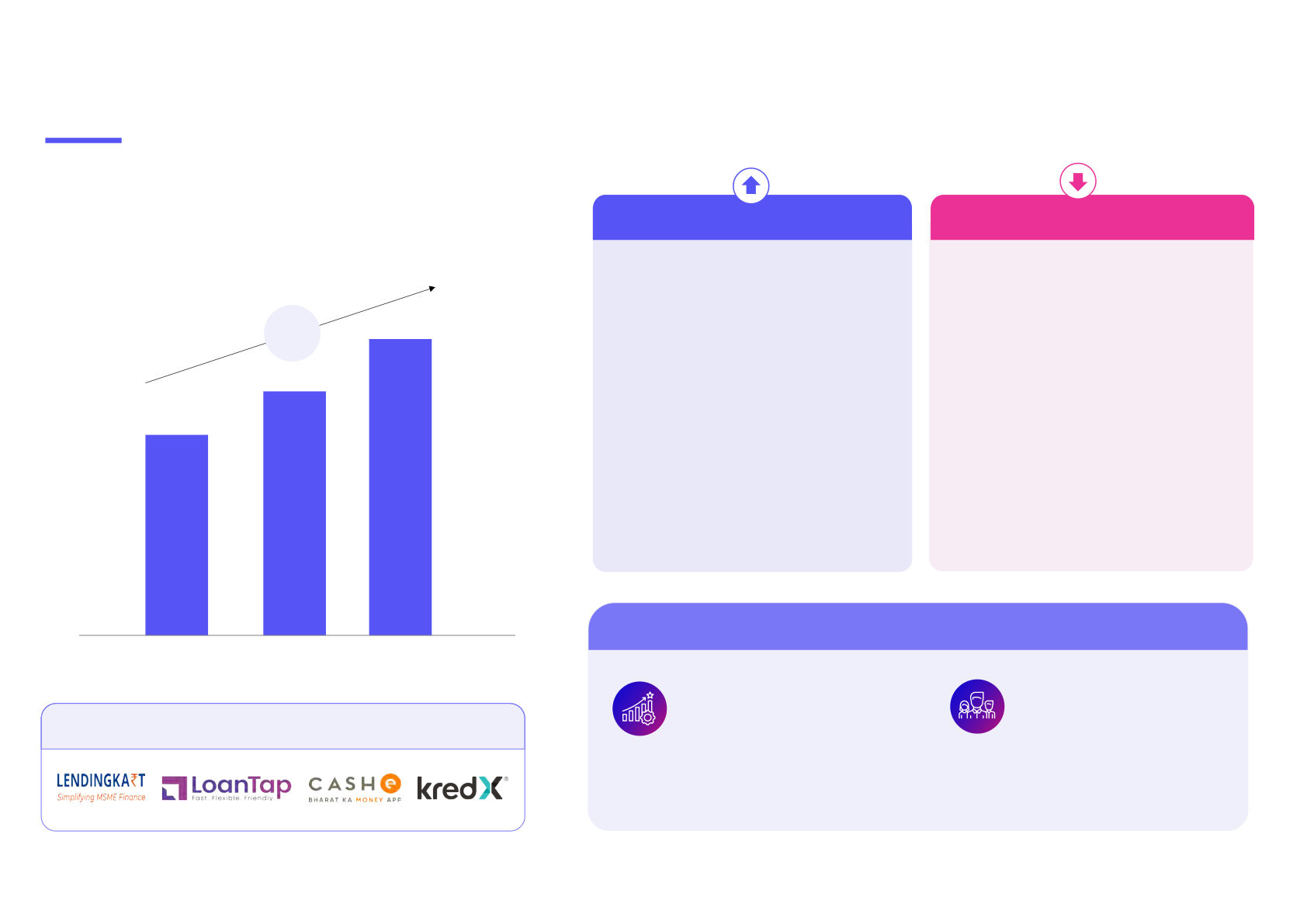
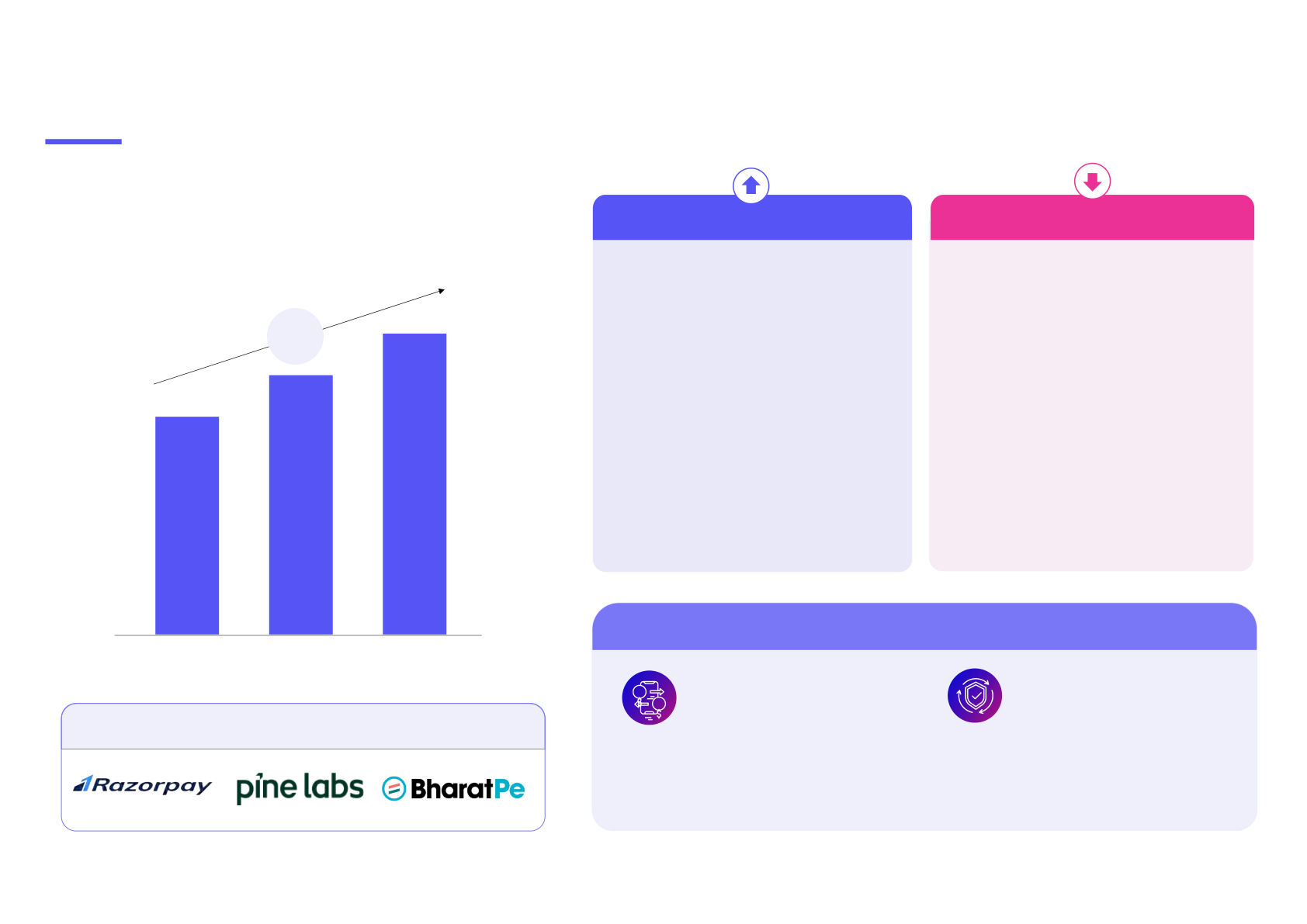
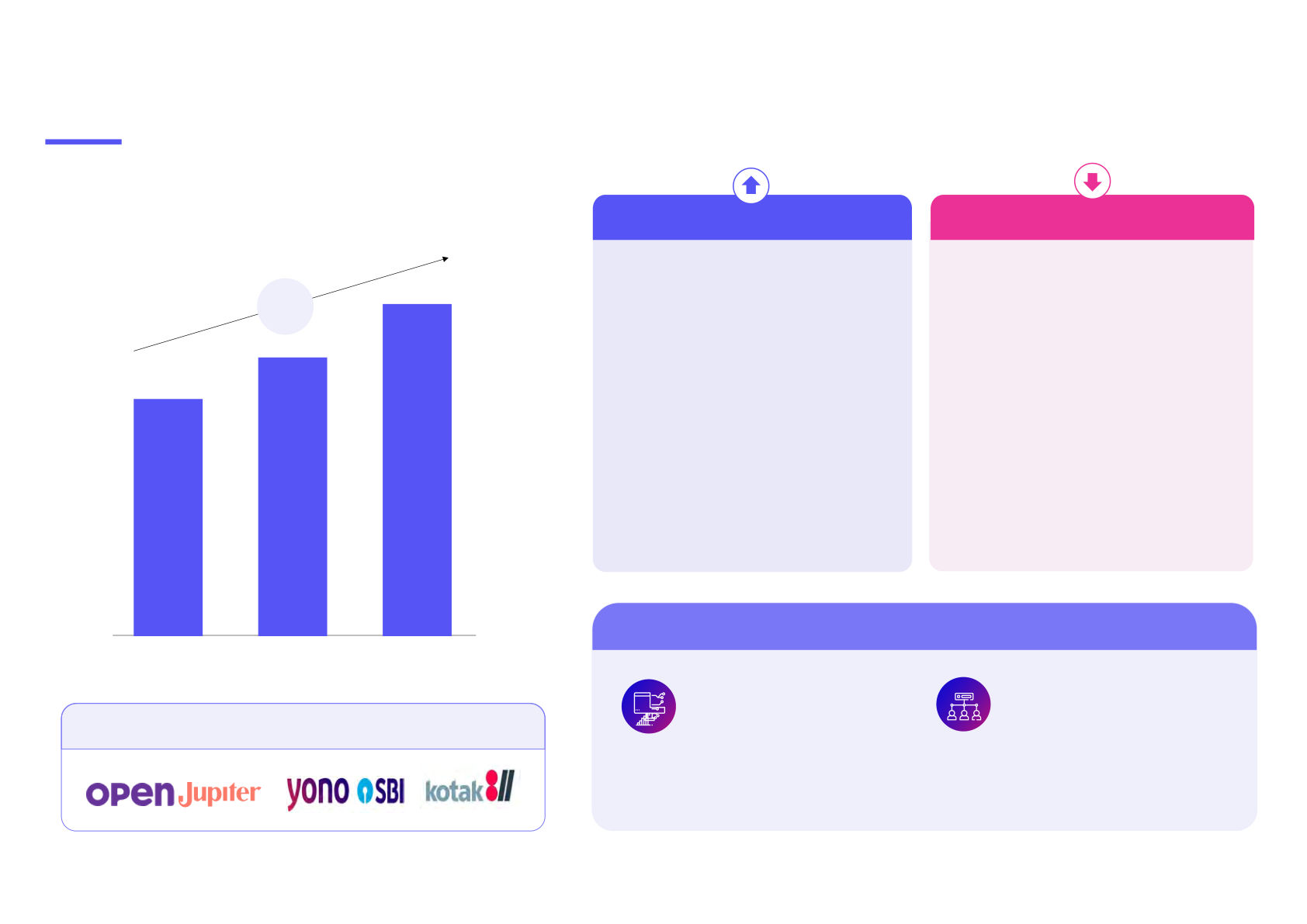
FINTECH INNOVATIONS IN BANKING Report @Lattice Technologies Pvt. Ltd. DECEMBER 2024 Foreword The banking sector is undergoing a the overall user experience. By transformative shift, driven by leveraging technologies like rapid advancements in artificial intelligence, blockchain, technology and the growing and data analytics, fintech firms are influence of fintech. In recent years, transforming payments, lending, we have seen significant changes and digital banking, offering more in the sector, particularly with the personalized and efficient solutions. rise of new digital platforms and This report provides key insights into alternative banking models. These the ongoing developments within shifts have not only changed how the banking sector, focusing on the financial services are delivered, Amar Choudhary Abhilasha Jaju broader fintech advancements but also created new opportunities Chief Executive Officer, Director, Banking, Financial shaping the industry. As the for growth and inclusivity. Services, and Insurance Intelligence and Insights landscape continues to evolve, This transformation is largely due trends will shift, and new to the increasing integration of innovations will emerge. This report technology into banking services, reflects our perspective as of along with strategic partnerships November 2024, and we look between traditional banks and forward to continuing the fintech companies. These conversation with industry leaders collaborations have been pivotal and stakeholders across sectors to in expanding customer reach, explore the future of fintech in enhancing security, and improving banking. Glossary Acronyms Definition Acronyms Definition AA Account Aggregator MUDRA Micro Units Development and Refinance Agency Ltd AML Anti-Money Laundering NPCI National Payments Corporation of India AePS Aadhaar-enabled Payment System OPGSP Online Payment Gateway Service Providers API Application Programming Interface OCEN Open Credit Enablement Network BaaS Banking as a Service PPI Prepaid Payment Instruments CoFT Card on File Tokenisation PMMY Pradhan Mantri Mudra Yojana CLSS Credit Linked Subsidy Scheme RRB Regional Rural Banks CLOU Credit Line on UPI SCBs Scheduled Commercial Banks FIP Financial Information Providers TReDS Trade Receivables Discounting System FIU Financial Information User Credit Guarantee Fund Trust for Micro CGTMSE and Small Enterprises LOS Loan Origination System LMS Loan Management System MSME Micro, Small, and Medium Enterprises [1/2] Executive summary Banking landscape • These elements collectively support the transformation of traditional banking by • Banking can be broadly categorized into enabling enhanced efficiency, customer public banks, regional rural banks (RRBs), experience, and accessibility across the private banks, cooperative banks, payments financial sector banks, small finance banks, and foreign banks • Innovations in banking Fintech role in banking - Starting with the launch of the first digital • Customer experience and personalization: payment gateway in 1999. The e-payment Fintech solutions leverage AI and data market is currently valued at US$ 10B and is analytics to deliver tailored, seamless projected to grow at a CAGR of ~12% over banking experiences, enhancing customer the next 5 years satisfaction - This was followed by NEFT, which recently • Financial Inclusion: By providing digital processed nearly 1B transactions in banking services, fintech's extend financial October’24 access to underserved populations, - IMPS and UPI have witnessed significant particularly in rural or remote areas growth, with IMPS growing at a ~80% CAGR • Cost efficiency and operational agility: over the past decade, reaching INR 6T in Fintech's streamline operations with lower transactions in October’24, and UPI overheads, offering cost-effective services surpassing a record 16,000 M transactions while adapting quickly to market changes in the same month • Fraud prevention and security: Advanced security protocols and AI-driven fraud Fintech landscape detection in fintech's strengthen trust and • The fintech ecosystem in banking includes safeguard transactions several key segments: compliance and risk management, financial data and credit analytics, core banking infrastructure, loan sourcing and collections, neobanks, payment solutions, and consumer payment [2/2] Strategic partnerships Regulatory and government initiatives • HDFC Bank & Zeta: Partnered to launch the • Digital Lending Guidelines: Ensures consumer Credit Line on UPI solution, streamlining protection and transparency credit product management from • Default Loss Guarantee: Enables fintech's to origination to processing without multiple expand lending to higher-risk borrowers integrations • Introduction of TReDS, OCEN, and CGTMSE: Has • SBI & Aurionpro: Integrated iCashpro+ into expanded lending opportunities for banks, the cash management platform as part of diversified credit portfolios, and promoted a INR 100Cr deal, enhancing efficiency and financial inclusion streamlining operations • Axis Bank & OPEN: Provided a fully native Way forward digital current account journey, improving customer experience and accessibility • Strategic Bank-Fintech Partnerships: Future growth in Indian banking will rely on strategic partnerships between traditional banks and Key opportunity areas fintech's, driving innovation in payments, lending, and customer experience • Lending Tech: Currently with a market size of INR 34T, growing at ~20% CAGR, driven • Cloud and Open Banking: The shift to by strong demand for credit solutions cloud-based and open banking systems will accelerate digital transformation, allowing • Payments Tech: Reached INR 29T, growing banks to offer faster, flexible services and at ~15% CAGR, fueled by rising transaction integrate third-party fintech solutions volumes and digital adoption seamlessly • Neobanking: Valued at INR 5,600B and growing at ~18% CAGR, is being driven by digital-first banking and shifting consumer expectations towards a more personalized and seamless experience © 1Lattice | 05 Agenda Banking overview Fintech landscape in banking Market size and key opportunities Regulatory framework and government initiatives Way forward Banking landscape Indian banking landscape Payment Foreign Public banks RRBs Private Cooperative Small finance banks (N=12) (N=43) banks banks banks banks (N= 44) (N=21) (N=1,06,770) (N=6) (N=11) • All retail and • Regional Rural • Offerings of all • It includes • Low cost • Offers • Huge asset size wholesale loan Banks focus on retail and >1,500 Urban banking services maximum • Improved products rural areas wholesale loan (UCBs) and deposit limit of • MSME and micro product provide agri products ~1,00,000 Rural INR 2L financing portfolio to win loans, etc banks (RCBs) affluent clients Note(s): This is an indicative list of banks © 1Lattice | 07 Source(s): RBI, Company websites, 1Lattice analysis Innovation over time Progressive innovations and the growing adoption of financial technology have transformed India’s banking ecosystem Year Innovation Penetration trend Launch of first • Driven by mobile penetration and affordable internet, valued at US$ 10B and projected to grow at a CAGR e-payment gateway of ~12.6% over the next 5 years, it offers significant opportunities for fintech's and banks, boosting financial 1999 inclusion, cashless adoption, and payment innovation by billdesk • NEFT recorded ~92 Cr transactions in October’24, driven by 24/7 service and faster transaction times, NEFT was introduced highlighting its growing role in the payments ecosystem, enhancing accessibility, and supporting the shift 2005 toward digital banking First digital wallet- • Digital wallets gained traction in the mid-2010s, further boosted during the demonetization drive, reaching wallet365 was launched 2006 INR 1.4T in March’19. However, as UPI gained traction, their usage has since declined by times group IMPS was launched • IMPS grew at a ~80% CAGR over 10 years, reaching INR 6T in transactions in October’24, driven by ease of 2010 use and higher limits (up to INR 5L), boosting adoption by NPCI • With UPI offering immediate money settlement and a user-friendly interface, it has significantly dominated the payments market in India, showing multifold growth to a record volume of ~16,000 M transactions in 2016 UPI was launched October’24 First Neo-bank OPEN • Neobanks have successfully established their presence in the market. Transaction values for neobanks in 2017 India are expected to exceed INR 1.2T by 2027, reflecting an impressive annual growth rate of around 20% was started • The Digital Rupee is the electronic version of Indian currency designed for seamless digital transactions. Currently, a pilot program is underway, with 13 banks providing this service to their customers Digital rupee was 2022 • It has the potential to revolutionize the financial system by cutting down the need for and cost of introduced by RBI handling physical cash Source(s): Industry reports, government websites, 1Lattice analysis © 1Lattice | 08 Agenda Banking overview Fintech landscape in banking Market size and key opportunities Regulatory framework and government initiatives Way forward Fintech landscape Banks are partnering with fintech players to improve process efficiency and enhance service delivery Compliance and risk Core banking infrastructure Payment solutions management Core banking system LOS and LMS Digital banking platform Escrow platforms KYC/ AML/ Risk management Banking as a service Cash management Payment gateways Financial data and Loan sourcing and Consumer Neo-banks collection agent payment credit analytics Account aggregator related solutions POS solutions Banking data Credit bureau Cross-border payments Alternate credit platform Note(s): This is an illustrative slide © 1Lattice | 10 Source(s): Indicative list, Secondary research, industry reports, government websites, 1Lattice analysis Fintech overview Fintechs are leveraging AI, machine learning, data analytics, and cloud-based technologies to drive scalability, flexibility, and innovation in the banking sector Fintech solution Impact Compliance and risk • AI-driven tools enhance regulatory compliance, detect fraud, and manage risk, ensuring a safer, more secure banking ecosystem while reducing operational costs and minimizing human error management • Advanced data analytics and machine learning assess creditworthiness using alternative data sources, Financial data and providing tailored lending solutions and minimizing risk for lenders, leading to more inclusive and credit analytics accessible credit for underserved segments • Mobile payments, and contactless technology streamline transactions, increasing convenience and Consumer payments customer engagement • Seamless, real-time payment systems, both domestic and cross-border, reduce costs and accelerate Payment solutions transaction speeds in a globalized market, facilitating faster international trade and improving financial inclusion in remote areas • Digital-only banks provide branchless, customer-centric, and low-cost banking services, using Neo-banks technology to grow their customer base and create cross-selling opportunities for traditional banks • Automated platforms enhance loan sourcing and recovery processes, making them faster, more Loan sourcing and efficient, and cost-effective, improving loan accessibility and reducing the risk of defaults through better collection agents tracking and management • Cloud-based core banking systems modernize backend operations, enabling scalability, flexibility, and Core banking rapid innovation, reducing infrastructure costs and enabling faster adaptation to market demands and infrastructure regulatory changes Source(s): 1Lattice analysis © 1Lattice | 11 Role in banking Fintech players are transforming the banking sector by enhancing customer experience through personalized services and seamless digital interactions Fintech role in banking • Usage of data analytics, AI, and chatbots for personalization Customer experience • Enhanced user experiences through advanced technology integration and personalization • Fintech solutions like branchless banking and digital platforms boost financial inclusion and help with offering services in remote areas Financial inclusion • Banking services are accessible via smartphones, even in remote areas • Help automate banking operations, optimizing costs and help in using Cost efficiency and manual intervention on core banking activities and customer service operational agility • Cloud computing and AI enhance scalability and efficiency • AI-driven fraud detection enhances security in real-time to mitigate Fraud prevention rising threats from fraud and cyber-attacks on digital infrastructure and security • Blockchain technology helps prevent fraud and ensures data integrity • Provides cost-effective solutions that reduce dependency on expensive legacy systems, making maintenance easier and more affordable Legacy systems and integration • Flexible solutions that integrate with replace legacy systems and optimize time, effort and cost Source(s): 1Lattice analysis © 1Lattice | 12 Strategic partnerships Partnerships with fintech players are enabling banks to enhance user experience, expand their customer base, and reach untapped markets • HDFC Bank has partnered with Zeta to power its Credit Line on UPI (CLOU) solution. Enabling seamless credit product management from origination to processing, eliminating the need for multiple integrations “We are highly optimistic about credit linked to UPI, as UPI is processing 8-9 times more • Partnered with Aurionpro to integrate their iCashpro + transactions than debit cards. We anticipate product, upgrading the cash management platform as part of an INR 100Cr deal that credit transactions through UPI will significantly exceed credit card volumes. • This integration enhances the platform’s capabilities, improves efficiency, and streamlines cash management The UPI-based credit market is projected to reach US$ 1T by 2030” - Co-Founder, Zeta • Partnered with Pine Labs to enable acceptance of Digital Rupee on its PoS terminals “Aurionpro’s iCashpro+ solution, built on cloud and microservices architecture, is • Partnered with OPEN to provide fully native digital current configurable, scalable, and agile. It integrates account journey to customers seamlessly with SBI’s core banking, Payments Hub, and platforms, enabling interoperability • Partnered with M2P Fintech to rebuild its API infrastructure with ERP solutions, fintechs, and open on the core banking system, which will help develop more banking to meet evolving customer needs innovative product offerings and personalized customer and industry standards” journeys - Press release, Aurionpro • Partnered with Clayfin to develop its corporate internet banking solution “Our corporate internet banking platform, • After launching the upgraded system in June’22, the bank upgraded by Clayfin, has greatly enhanced saw a 31.5% Y-o-Y increase in its active SME banking user the user experience for SME customers, with base in Q3 2022 favorable feedback received following the update” • i-exceed has powered CANDI, Canara Bank’s first fully digital banking branch in Bengaluru, using its Appzillon - Press release, Bandhan Bank low-code platform • Enabled rapid deployment of digital touchpoints, delivering a seamless, advanced banking experience Note(s): This is an indicative list © 1Lattice | 13 Source(s): 1Lattice analysis Agenda Banking overview Fintech landscape in banking Market size and key opportunities Regulatory framework and government initiatives Way forward Lending sector Lending tech, growing at ~22% CAGR and reaching a market size of INR 34T in FY24, offers significant opportunities fueled by a growing customer base Lending tech market size Growth drivers Barriers (FY22–24, INR T) Alternative credit scoring models Data privacy and security concerns • Expands customer base by • Concerns over the safety of CAGR using non-traditional data like personal data and potential 22% mobile and e-commerce breaches hinder consumer trust activity Credit risk and NPAs Embedded finance • High default rates and • Seamlessly integrates loans challenges in accurately into e-commerce platforms, assessing credit risk contribute 34 boosting conversion rates and to financial instability 28 loan volumes 23 Advantages of lending tech FY22 FY23 FY24 Improved efficiency Enhances financial & speed inclusion Key Players Automates loan origination, Lending tech facilitates small approval, and processing, ticket loans and microloans significantly reducing time to a broader demographic Source(s): Industry reports, government websites, 1Lattice analysis © 1Lattice | 15 Payments sector Payments tech, growing at a 17.5% CAGR and reaching INR 29T in FY24, presents significant opportunities driven by rising transaction volumes and digital adoption Payments tech market size Growth drivers Barriers (FY22–24, INR T) Increasing digital adoption Infrastructure and connectivity issues • Growth in smartphones, internet access, and digital literacy is • Poor internet connectivity and CAGR driving the shift to cashless limited access to devices in 17.5% transactions, boosting digital rural areas limit digital payment adoption payments adoption Enhanced fraud prevention systems Fraud and security risks • Leveraging CoFT and EMV 3D • Increasing cyber fraud and Secure technologies to reduce security breaches pose risks to 29 fraud, enhance security, and consumer confidence and 25 build customer trust 21 system integrity Advantages of payments tech FY22 FY23 FY24 Faster transactions Enhanced security Enables near-instantaneous Leverages advanced Key Players payments, improving the encryption, biometrics, efficiency of financial and tokenization to ensure transactions across borders secure transactions and domestically Source(s): Industry reports, government websites, 1Lattice analysis © 1Lattice | 16 Neo-banking Neo-banking, growing at ~18% CAGR and reaching INR 5,600B in FY24, offers significant growth potential driven by digital-first banking and evolving consumer expectations Neobanking market size Growth drivers Barriers (FY22–24, INR B) Increase in digital penetration Limited product offerings • Rising smartphone usage and • Neo-banks have the scope to CAGR 18% internet access are driving expand their product offerings demand for mobile-first banking to include products such as solutions, expanding the mortgages, insurance, and customer base investment options Customer trust and adoption Growing demand for • Lack of physical branches and financial inclusion 5,600 concerns over security and • Offering accessible, low-cost data privacy limit user 4,700 financial services in both urban 4,000 adoption and rural areas Advantages of Neo-banking FY22 FY23 FY24 Accelerates digital Broader customer transformation base Key Players Mobile-first and Helps traditional banks tap tech-driven solutions into the young, tech-savvy, and urban customer segments Source(s): Industry reports, government websites, 1Lattice analysis © 1Lattice | 17 Agenda Banking overview Fintech landscape in banking Market size and key opportunities Regulatory framework and government initiatives Way forward Regulatory guidelines While the regulatory guidelines aim to ensure consumer protection and data security, they help fintechs enhance compliance and strengthen trust in the industry Regulations Year Implications • The 20% foreign remittance tax (TCS) may impact cross-border financial services, potentially October’23 Foreign Remittance Tax leading to more cost-effective solutions Payment and • Fintech’s offering payment solutions will undergo stricter regulatory scrutiny, which will Settlement Systems August’23 enhance industry standards while encouraging greater compliance and accountability Act (Amendment) Bill • Reduces credit risk by securing a first loss guarantee June’23 Default Loss Guarantee • Enables fintech's to expand lending to higher-risk borrowers Digital Personal Data • Fintech’s will need to implement new frameworks for data processing and consent December’22 Protection Bill management, which can streamline business models and drive technological advancements • Ensures consumer protection and transparency Digital Lending September’22 Guidelines • Elevates compliance requirements for fintechs, promoting higher industry standards • New security protocols (e.g., CoFT, EMV 3D Secure) reduce fraud risks, bolstering consumer NPCI Circulars for Retail trust in digital payment platforms March’22 Payment Systems • Standardized processes promote smoother integration across platforms, expanding fintech’s reach and user base Prepaid Payment • Fintech's offering PPIs are required to adhere to RBI regulations on, transaction limits, and November’21 Instruments security protocols, ensuring operational integrity and consumer safety Digital Payment • Strong security frameworks reduce the risk of cyberattacks and fraud, minimizing potential January’20 financial losses for fintech's and their customers Security Controls Source(s): RBI, government websites, 1Lattice analysis © 1Lattice | 19 GOI initiatives Introduction of TReDS, OCEN, and CGTMSE has expanded lending opportunities for banks, diversified credit portfolios, and promoted financial inclusion TReDS OCEN • Allows MSMEs to auction trade receivables to banks and • OCEN enables banks and financial institutions to deliver digital financiers at competitive rates credit solutions more efficiently, inclusively, and at scale • With around ~45K MSMEs and INR 72K Cr in financing, fintech's • Streamlined, API-driven processes reduce approval time and have significant growth opportunities in offering ancillary improve operational efficiency services like credit scoring, loan processing, and receivables • Enables fintech's and banks to offer flexible, tailored credit management on the platform solutions, enhancing customer satisfaction and loyalty • Provides banks with increased lending opportunities and access to high-quality credit assets 01 02 Jan Dhan Yojna CGTMSE 03 04 • Launched in August’14 with the goal of providing • Provides guarantees to enable MSMEs access universal access to banking services for all Indians credit, reducing risk for banks • Over 20 Cr bank accounts opened, significantly reducing • Achieved milestone of approving guarantees worth financial exclusion INR 1L Cr, boosting MSME financing • Enabled direct benefit transfers (DBT), reducing leakages and • Help fintech's expand MSME lending through collaboration with corruption in government welfare scheme banks, while reducing credit risk, increasing portfolio diversity, and promoting financial inclusion • Creates cross-selling opportunities for banks and fintech's by expanding their customer base and facilitating access to additional financial products Source(s): Industry reports, government websites, 1Lattice analysis © 1Lattice | 20 Agenda Banking overview Fintech landscape in banking Market size and key opportunities Regulatory framework and government initiatives Way forward Way forward • The future of banking in India will be shaped by strategic partnerships between traditional banks and Collaborative fintech's, enabling banks to leverage innovations in payments, lending, compliance, and customer experience to drive digital transformation growth • These partnerships will improve efficiency, expand reach, enhance services, and reduce costs • With the rapid adoption of UPI and QR code-based payments, digital payments are set to remain a Growth in digital cornerstone of fintech in India. Further expansion of UPI 123Pay will provide ~300 M feature phone users with payments access to UPI services • The role of AI-driven tools and machine learning will grow in fraud detection, credit risk modeling, and customer service automation. AI and automation • These technologies can enhance decision-making, reduce manual intervention, and enable faster, more accurate lending • With government initiatives such as OCEN, TReDS, and CGTMSE, fintech's have more support to expand their credit portfolios, particularly in MSME lending Evolving regulatory landscape • The RBI regulatory sandbox provides an opportunity for banks and fintech's to test innovative products while ensuring compliance with regulations • The growth of neobanks and digital financial services presents a unique opportunity to serve underserved populations and rural areas. Financial inclusion • As fintech innovations in partnership with banks continue to lower barriers to access, more individuals and MSMEs can avail banking services • The shift to cloud-based banking and open banking will further transform the ecosystem, enabling faster, more flexible services Cloud & open banking • Through APIs, banks can seamlessly integrate third-party fintech solutions, creating a more dynamic and responsive banking environment • Disruptive fintech innovations have reshaped global banking. Plaid in the US has transformed financial data integration by enabling seamless integration of bank accounts with third-party apps Global disruptions • In the UK, digital-only challenger banks like Monzo and Revolut have reduced dependence on physical branches, offering seamless, mobile-first banking that caters to modern consumer needs Source(s): 1Lattice analysis © 1Lattice | 22 We are here for you Let us know how we can meet your business requirement? Abhilasha Jaju Amar Choudhary Director, Insights and Consulting Chief Executive Officer E: abhilasha.jaju@1lattice.com E: amar@1lattice.com For media queries, Urbashree Bayan Associate Manager – Corporate Communications please contact E: communications@1lattice.com www.1lattice.com Disclaimer: This material has been prepared by 1Lattice, which is the trade name of Lattice Technologies Private Limited (“1Lattice”, “we” or “our”) with the intent to showcase our capability and disseminate learnings to potential partners/clients. This material can be referred to by the readers on the internet but should be referenced to 1Lattice, if reused or adapted in any form, or medium and on any forum. The frameworks, approaches, tools, analysis and opinions are solely 1Lattice’s intellectual property and are a combination of the collection of the best data we could find publicly, and the 1Lattice team’s own experiences and observations. Any information provided herein is only for informational purposes and you are advised to perform an independent analysis of the same before making any decision based on such information. The information does not constitute any business advice or guidance and is to be construed as a general summary based upon the publicly available information and our interpretation of the same using our resources. For this material, we may have relied upon different sources of information which may be primary sources, publicly available information, and relevant information available with us. We make no representation or warranty, expressed or implied, that such information is accurate or complete, and nothing contained here can be construed as definitive predictions or forecasts. Before reading further, the Recipient expressly agrees that this might not address any and all risks and challenges facing the Recipient, its business, and the markets within which it operates, nor all possible market conditions. Any use of the information provided herein by the viewer shall be at the sole risk of the viewer and 1Lattice or its business partners, affiliates, agents, officers or employees shall not be liable for any unintended or adverse effect or outcome from the use of such information by the reader. 1Lattice does not have any duty to update or supplement any information in this document. 1Lattice shall not be responsible for any business or commercial loss sustained by any person who relies on any information provided herein. Any and all logos of companies used in the information provided herein have been published for information purposes only and 1Lattice does not hold any liability in connection therewith. Product in Spotlight - Pulse This report was curated using Pulse, our cutting edge product that provides an extensive understanding of industry benchmarks, operating metrics, and best practices. Pulse offers unparalleled insights into macroeconomic trends, government regulations, pricing strategies, and brand sentiment through advanced social listening and analytics. Pulse powered our experts to delve deep into the transformative shifts within India's banking sector, driven by fintech innovations. This report highlights how technology is reshaping payments, lending, and digital banking, and explores strategic partnerships between traditional banks and fintech firms that enhance customer reach and operational efficiency. This comprehensive analysis equips stakeholders with the knowledge to navigate the fintech landscape, capitalize on emerging trends, and craft strategies that exceed market expectations. Equip your organization with the intelligence of Pulse to stay ahead in a rapidly evolving financial WHAT WE DO 4 200+ Making organizations effective through Offices in India Annual data-driven insights, innovative Vision engagements products solutions and proven expertise to enable better decisions To provide technology led solutions 130+ 50+ that unlock that power of trustable Mission Team members Inhouse data, actionable research, and deep research team network of experts 1,000+ 2M+ On-ground staff B2C Panel Data + Accumulated People/ Professionals/ knowledge Service providers 500K+ 300K+ B2B Panel Experts & professionals 20% 100% Cost savings Controlled output & timeline Research +91 976 925 3702 abhilasha.jaju@1lattice.com Delhi NCR | Mumbai | Bengaluru | UAE | KSA | Singapore