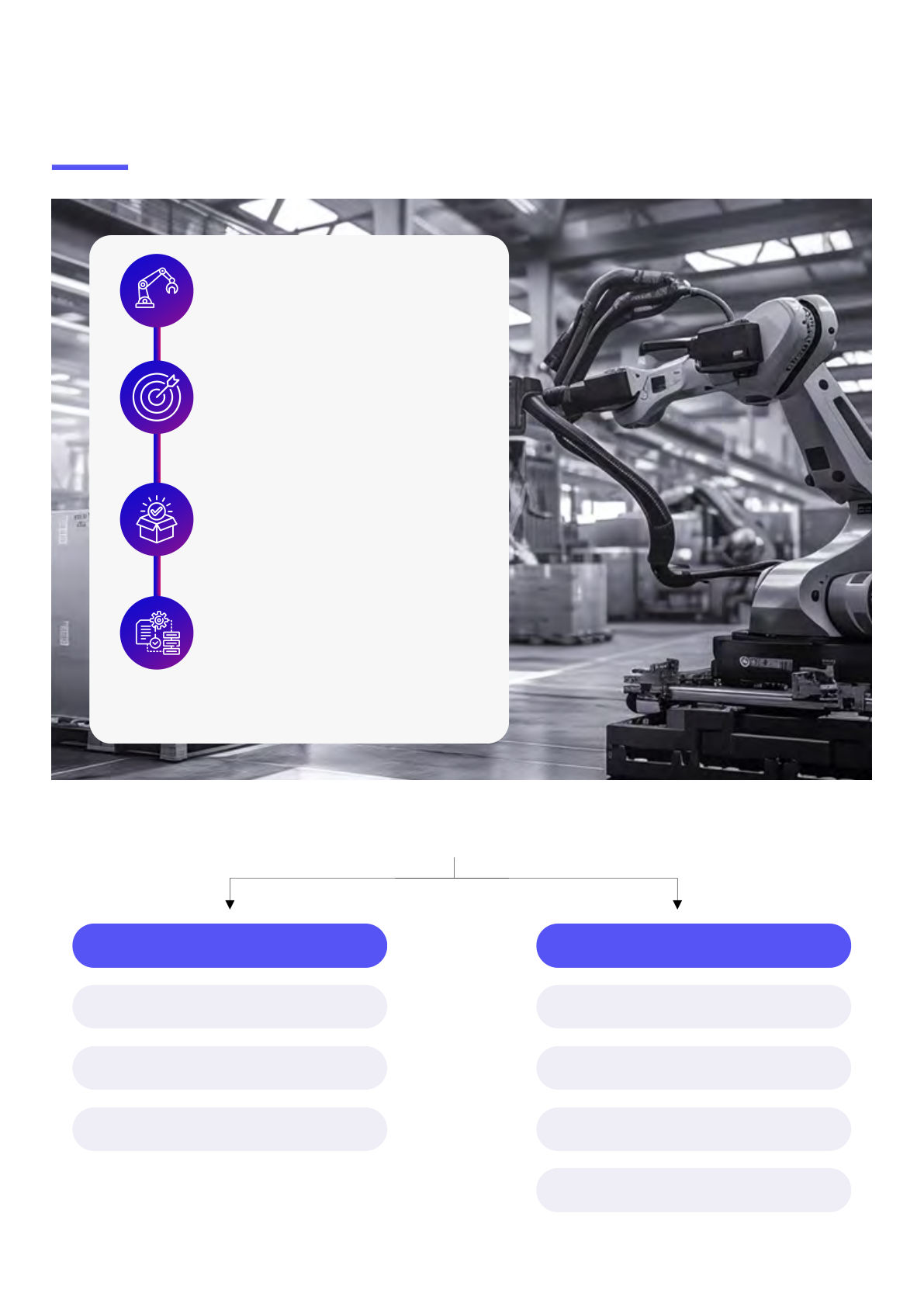
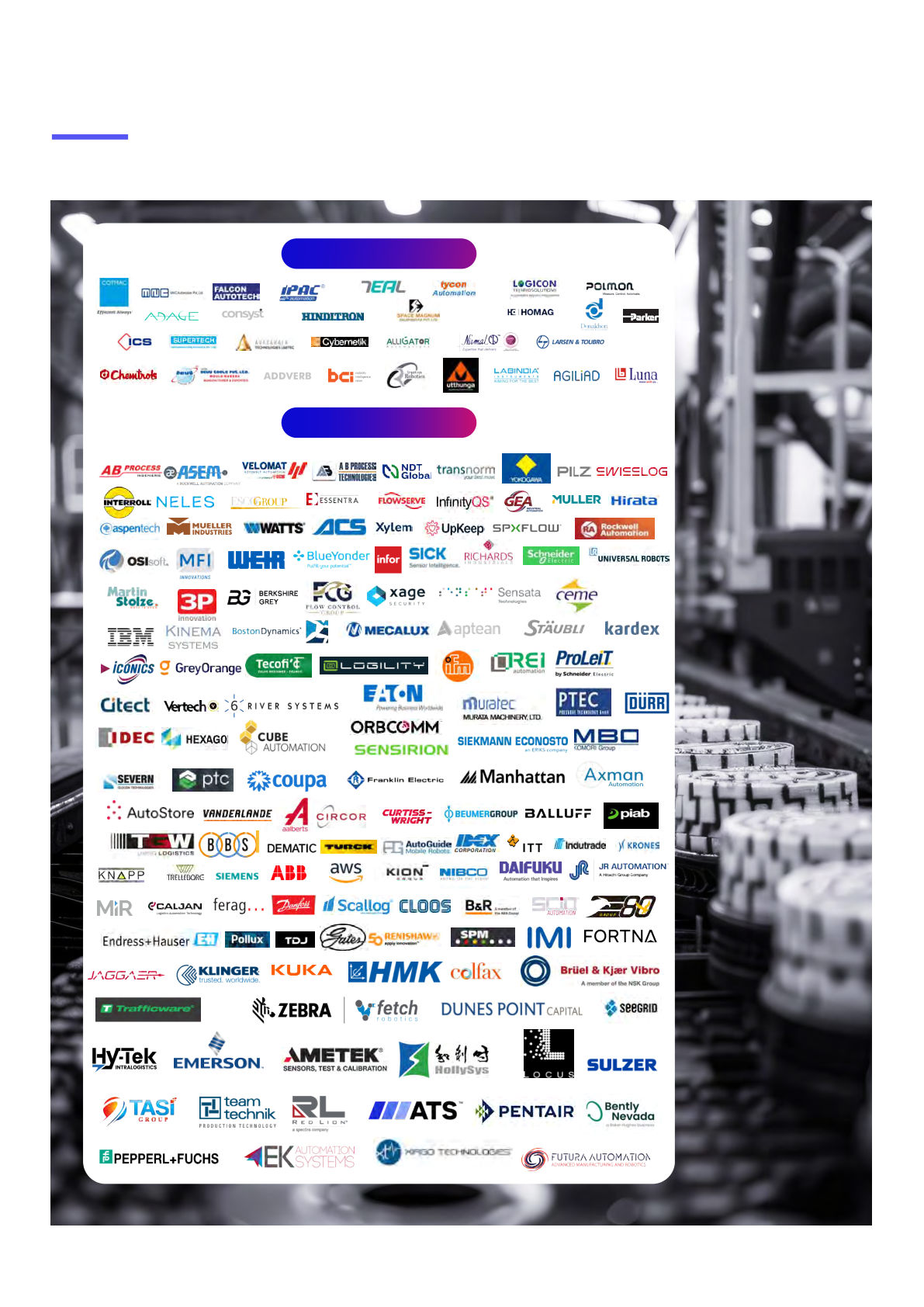
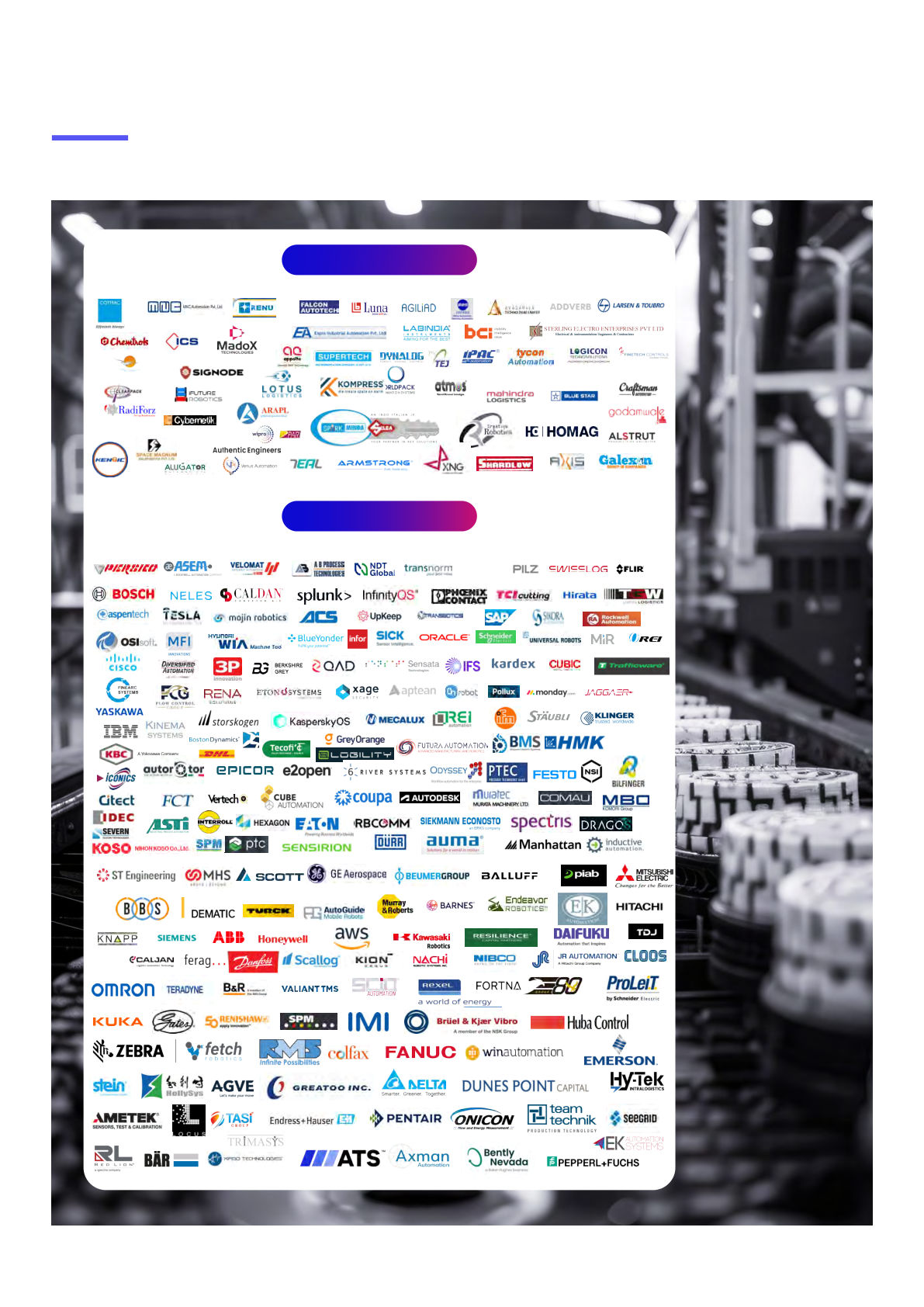
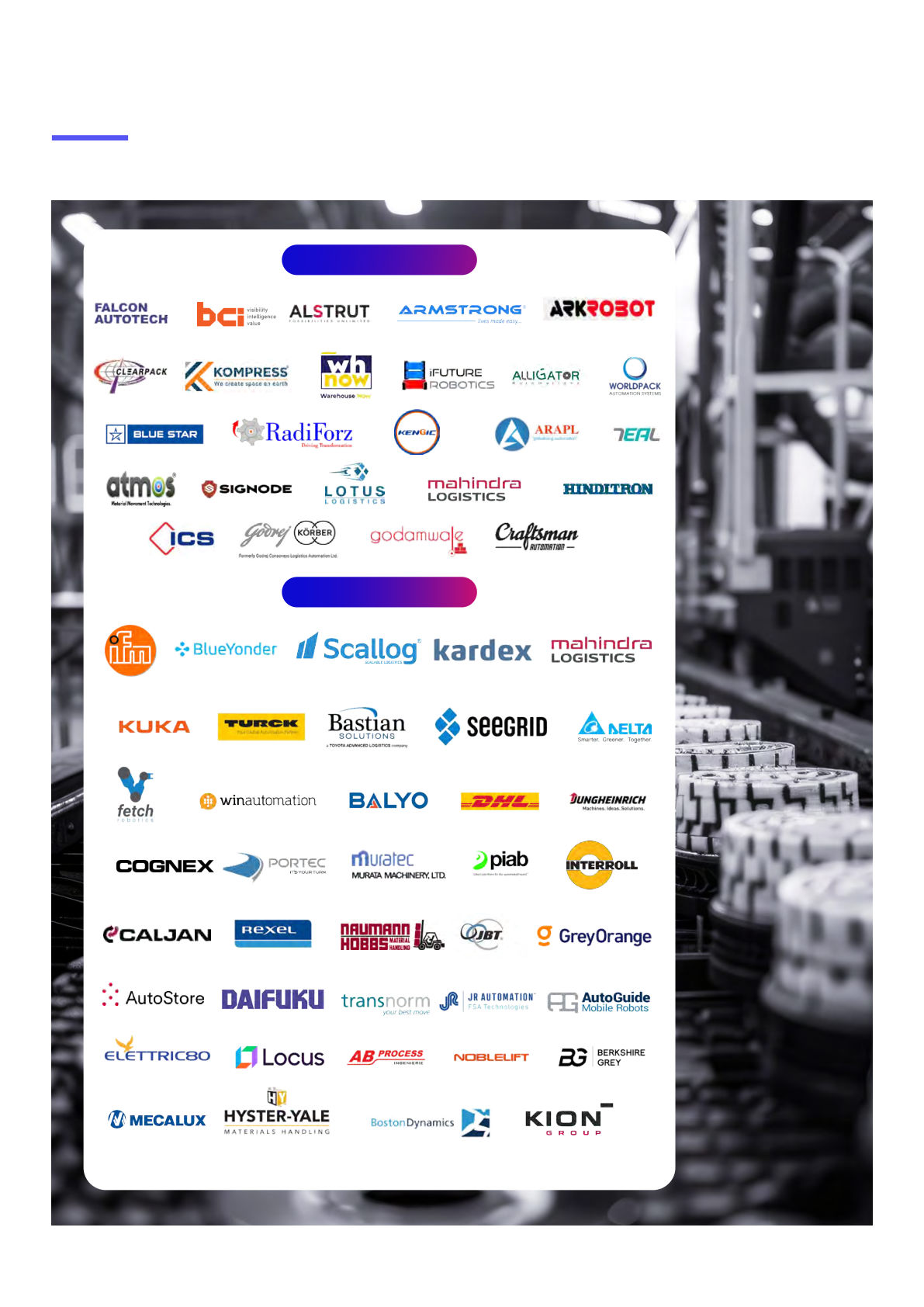
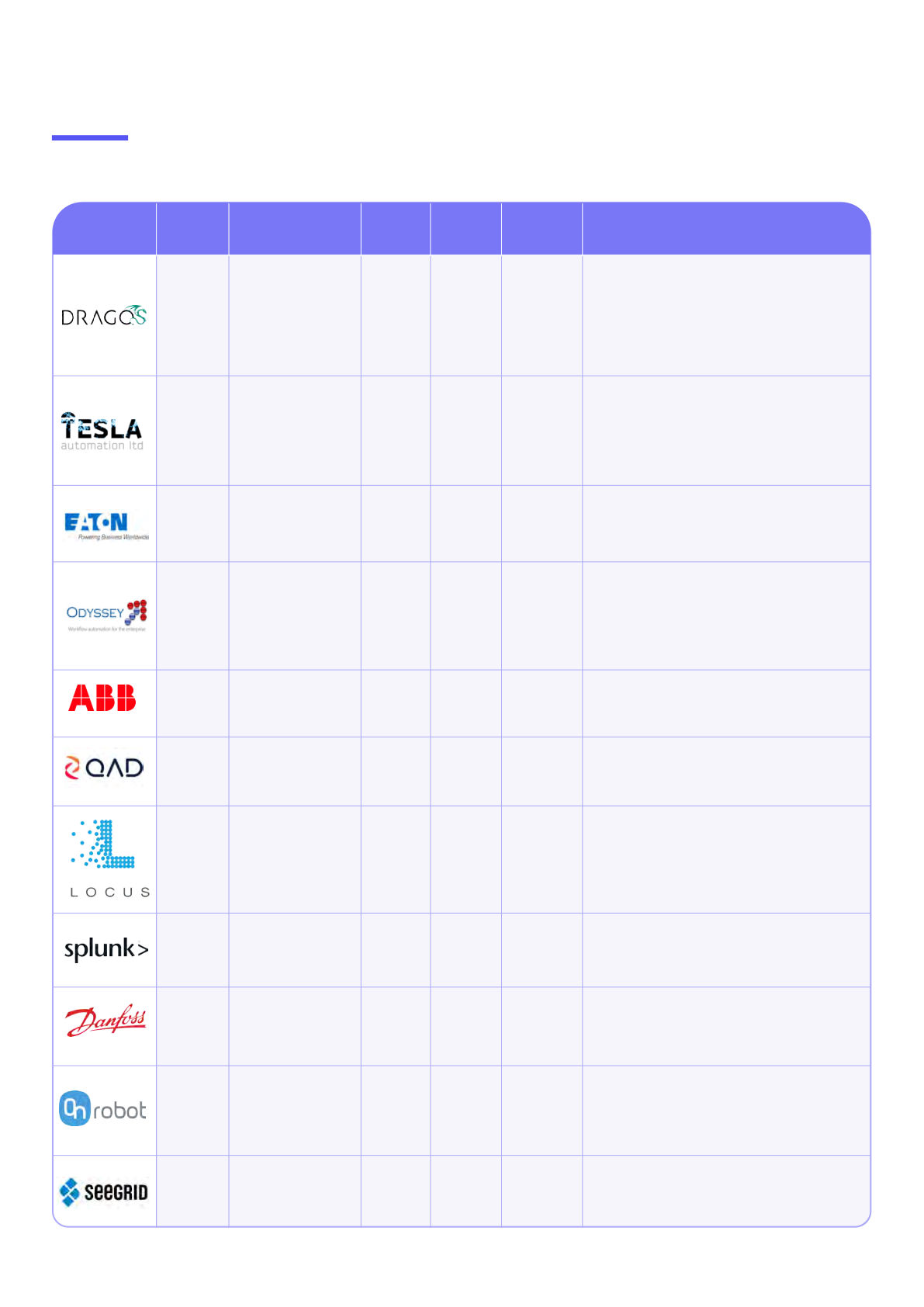
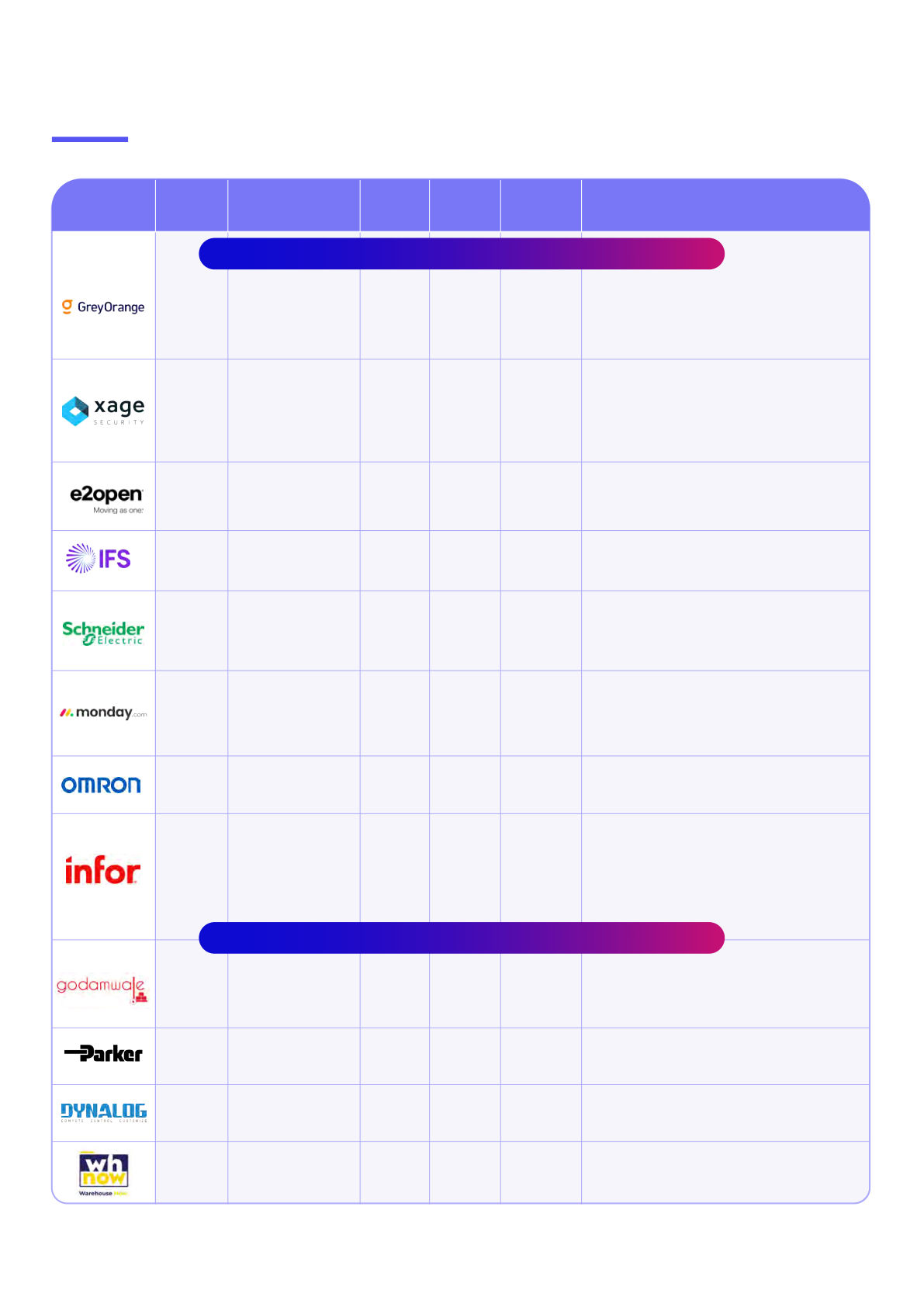
Indian and Global Outlook Powered by September, 2024 Confidential and proprietary © 1Lattice Foreword Abhishek Maiti Praneet Singhal Director, Industrial Goods & Services Director, 1Alpha and Technology & Internet In the evolving landscape of industrial automation, innovation stands at the forefront, driving unprecedented efficiencies & capabilities across various sectors. This report delves into the multifaceted domain of industrial automation, categorizing it by both application and types. From process industry automation to discrete factory and warehouse automation, and from fixed to flexible and integrated systems, we explore the breadth and depth of how these advancements are reshaping industries globally. This PoV delves into the current market scenario, & encompasses the classification & objectives of industrial automation, highlighting its various uses and providing real-world examples. Additionally, this PoV highlights the different levels of automation, offering a clear understanding of how far the industry has come and where it is headed. Investment is a critical component of the industrial automation landscape. Our second section focuses on the current investment scenario, both in India and globally. Detailed insights into private equity and venture capital investments provide a window into the financial dynamics at play. Furthermore, an analysis of the competitive landscape sheds light on the key players and the strategies that are driving innovation and market dominance. The final section offers a global and Indian market overview, presenting detailed market sizes and growth trajectories. This segment identifies the growth drivers and barriers, providing a nuanced view of the industry trends. Additionally, we examine the key initiatives of the Indian government and other top economies, showcasing the strategic efforts to foster industrial automation. This report aims to equip stakeholders with the knowledge and insights needed to navigate and leverage the ongoing innovations in industrial automation. This report showcases our perspective on the overall market as of August 2024. We, at 1Lattice, look forward to continuing the discussion with our friends across sectors and exchanging notes. Executive summary Overview • Industrial automation refers to use of robotics, during reprogram or product machines & control systems to perform tasks changeovers traditionally carried out by humans. It can be ▪ Integration: All machines connected to classified in two major types: a central computer allowing control of - By applications: all aspects of production from a single location ▪ Process industry automation: Network • The hierarchy of industrial automation system of interconnected sensors & controllers to manage, control & optimize complex can be classified at five different levels: production processes - Level 0 (Field): Production floor where ▪ Discrete (factory) automation: physical work & monitoring takes place Incorporation of automation from - Level 1 (Control): Receive information from end-to-end manufacturing processes sensors, switches & other input devices & ▪ Warehouse automation: Handling of send output to complete the programmed inventory from arrival to delivery task through robots & Automated Guided 1 - Level 2 (Supervisory): Utilize SCADA , to Vehicles (AGVs), managed & controlled access data & control systems from a by a smart warehouse system single location - By automation system: - Level 3 (Planning): Monitors the entire ▪ Fixed: Machines permanently set up to manufacturing process in a plant or perform a specific task factory from raw materials to finished ▪ Programmable: Machines programmed product to perform variety of tasks allowing - Level 4 (Enterprise): Combine various production of wider range of products computer applications to monitor all aspects of business ▪ Flexible: Extension of programmable automation with limited time loss • Growth in manufacturing, industrial shift to Competitive landscape automation, favourable government policies, • There are various companies both domestic & job creation, & AI growth are key prospects of international offering process, factory & industrial automation warehouse automation services • Some of the major Indian players include Global market Falcon Autotech, Mahindra Logistics, Hinditron, • Global industrial automation market is Supertech & others expected to grow from ~US$ 210B in CY23 at a • PE / VC firms have shown key interest in the CAGR ~9% to reach ~US$ 325B by CY28 sector investing in Indian companies like • Lead time reduction, real time analysis, & Godamwale, Parker, Dynalog & others requirement of mass manufacturing, are some of the major growth drivers India market • Some major trends include: • India industrial automation market is expected - Automobile industry being the most to grow from ~US$ 13B in CY23 at a CAGR ~14% automated industry to reach ~US$ 26B by CY28 - Industrial robots market increasing at a • Increasing adoption of Human-Machine CAGR of ~12% during CY23-28 Interfaces (HMIs), Industry 4.0 & use of IoT* are some of the emerging key trends - Walmart, Reliance Life Science, Duluth Trading, Mondou, Daifuku, & Briggs & • PLI Scheme, National Strategy for Robotics, Stratton are a few prominent companies Samarth Udyog Bharat 4.0, Skill India & Make in investing in industrial automation India initiative are key government initiatives for industrial automation - Job creation, heavy investments, industrial shift to automation, reskilling & AI growth • Adoption of industrial automation will create are key prospects of industrial automation various opportunities across different sectors including technology, education, environment & tourism Notes: *Internet of things Sources: 1Lattice analysis Product in Spotlight: 1nsights Powered by 1nsights, our report provides a comprehensive perspective on the current market scenario, encompassing the classification and objectives of industrial automation. It highlights various uses and real-world examples, offering a clear understanding of the different levels of automation and the trajectory of industry evolution. 1nsights, our cutting-edge intelligence product that drives data-driven decisions offers unparalleled access to comprehensive data, analysis, and forecasts that will guide your strategy in the industrial automation sector. Discover how 1nsights not only informs but transforms your understanding of the automation landscape, providing you with the knowledge to stay ahead of the curve. Agenda Overview Competitive landscape India market outlook Global market outlook Introduction Industrial automation is used across various industries to increase efficiency, enhance security, reduce human errors, and enhance productivity Description Use of robotics, machines, and control systems to perform tasks traditionally carried out by humans Key objectives • Enhance efficiency and productivity • Reduce human error • Improve safety Uses • Enhance security • Reduce cost • Improve product quality Examples • Automated material handling systems • Packaging machines • Paint and coating automation processes • Industrial robots, etc. Types of industrial automation By applications By automation systems Fixed Process industry automation Discrete (factory) automation Programmable Warehouse automation Flexible Integration Source(s): Media reports, news articles, 1Lattice analysis © 1Lattice | 07 Types of industrial automation by application Process industry automation, discrete (factory) automation, and warehouse automation are various types of industrial automation based on application Process industry Warehouse Discrete (factory) automation automation automation • Network of • Incorporation of • Handling of inventory interconnected sensors automation from from arrival to delivery and controllers to end-to-end through robots and manage, control, and manufacturing Automated Guided Definition optimize complex processes Vehicles (AGVs), production processes managed and controlled by a smart warehouse system • Supervisory Control and • Supervisory Control and • Barcode scanning Data Acquisition Data Acquisition • Automated Guided ( SCADA ) system ( SCADA ) system Vehicles ( AGVs ) • Distributed Control • Pneumatic and Technologies • Robotic arms (for Systems ( DCS ) hydraulic systems involved picking and packing) • Enterprise Resource • Robots • Software (for inventory Planning ( ERP ) management and • Data processing order processing) systems • Raw materials • Finished consumer • Handling and goods such as cars, managing stored • Chemicals electronics, and products and their Product type • Refined goods high-tech equipment movement within the • Other intermediate warehouse and final products Oil and gas Chemicals Automotive Electronics Intra-company logistics Applicable end industries Healthcare Minerals High-tech Packaging Fulfilment centers and pharma and mining equipment Pulp and Power Heavy Aerospace 3/4 PL E-commerce paper generation manufacturing and defence Source(s): Industry report, Press releases, 1Lattice analysis © 1Lattice | 08 Application of process industry automation Industries like oil & gas, minerals & mining, and healthcare & pharma use process industry automation for maintenance, monitoring, safety, and diagnosis [1/2] Applications of process industry automation across various industries Applications Description 1 Remote • LPWAN satellites monitor and manage rigs actively maintenance • IoT reduces need for travel to offshore oil and gas production sites 2 Seismic • AI accelerates 3D images for surveying scale of reservoir, boosts data imaging interpretation speed by 10-100 times 3 Refinery corro- • IoT monitors refinery through sensors; sensitive to corrosion, detecting faults sion reduction and preventing unforeseen events Real time • Automated pricing software uses web scraping for real-time data on factors pricing influencing oil prices, enabling data-driven pricing strategies Pipeline • IoT offers real-time pipeline monitoring with sensors across the pipelines to monitoring detect any leaks in the network during the supply process • Oil quality sensors across the mill line provide real-time continuous oil Oil condition analysis , reducing maintenance expenses monitoring 4 • Sensors and GPS technology used to navigate mining site and transport Hauling material safely Drilling and • Drilling robots like rovers, full-scale blasting rigs, etc. used in underground blasting mining operations for blasting or drilling • Fully automated control systems reduce the risk to human life, enabling Driverless trains real-time monitoring with increased reliability • Rover-type robots, drones, and submarine robots deployed to operate in Exploration remote and hazardous locations , dangerous for human exploration • Liquid dosing machines for liquid dosing, tablet compression, tracking, and Liquid dosing traceability solutions 5 • AI, ML , and computer vision robots enable autonomous or semi-autonomous Surgical robotic surgical procedures , reducing complications, patient discomfort, etc. system Scheduling 6 • EHR machines facilitate administrative tasks for data extraction process of appointments patients , resulting in improved patient management and billing • Deep learning technologies and programs offer quicker reading of complex Automated images and provide better diagnosis of diseases image diagnosis • Berg, an AI-driven biotech platform, accelerates medicine and vaccine Treatment of development by mapping diseases rare diseases 7 • Cognitive computing, AR and audio gestures simplify virtual patient Virtual health interactions through telehealth platforms assistants 1 2 3 4 5 Notes: Low-power Wide Area Network , Artificial Intelligence, Internet of Things, Global Positioning System, Machine Learning, 6 7 Electronic Health Record, Augmented Reality Source(s): Media articles, company websites, reports, 1Lattice analysis © 1Lattice | 09 Application of process industry automation Industries like pulp & paper, chemicals, and power generation use process industry automation for manufacturing, packing, prediction, and monitoring [2/2] Applications of process industry automation across various industries Applications Description Packaging and • Robotic systems, high-speed printing, and vision systems in packaging boost finishing efficiency, product quality, and finishing speed • Integrates embedded systems with sensors and communication devices into Smart paper traditional print materials, creates interactive tools for education, medicine, etc. Design • Immersive technologies create virtual prototypes of new paper products, optimization allowing engineers to test, and optimize designs before production 1 Smart • Data analytics and IoT optimize chemical manufacturing processes, improve manufacturing efficiency, quality, and safety by reducing costs & downtime 2 3 Drug design • Robotics, high-throughput screening systems, AI , ML , and advanced data tools analytics accelerate drug discovery & design processes Medical • Lab-on-a-chip devices, AI, and robotic systems enhance disease diagnosis and diagnosis and treatment personalization, improving efficiency & accessibility to healthcare treatment Toxicity • AI, ML algorithms used to analyze toxicity data and chemical features, enabling prediction faster, and safer compound selection in drug discovery 4 • AEMS optimize power plant dispatch using real-time market conditions and Energy grid constraints integrating wind farms, PV injection, battery storage, etc. management 5 • Web-based condition monitoring technology integrated into IIoT solutions Smart condition enables power plant operators to identify equipment problems monitoring • Solenoid valves provide remote-controlled fuel flow regulation through Fuel electrical current-based mechanisms, facilitating automation, and precise management control • Grids integrated with sensors, analytics, and energy storage collect data from Smart grids all devices, aiding in customer energy efficiency projects • Emissions trading systems accelerate clean energy transition, waste Emission incineration, and other combustion processes monitoring 6 Predictive • APM software monitors health & performance of equipment to schedule maintenance maintenance proactively, minimize downtime, and extend asset life 1 2 3 4 Notes: Internet of Things, Artificial Intelligence, Machine Learning, Advanced Energy Management Systems, 5 6 Industrial Internet of Things, Application Performance Monitoring Source(s): Media articles, company websites, reports, 1Lattice analysis © 1Lattice | 10 Application of discrete automation Industries like automotive, high-tech equipment manufacturing, and electronics use discrete automation for manufacturing, material handling, and quality control [1/2] Applications of discrete (factory) automation across various industries Applications Description • Automated stations with robotic arms and machinery perform specific Manufacturing assembly tasks , such as installing seats, attaching doors, fitting engines, etc. and assembling to increase efficiency and precision of vehicle production • Use of automatic spot welders and automatic contact welding machines for quick welding in manufacturing lines of connectors and other electrical Welding components 1 2 • AGVs , AHMS and robotic arms ensure efficient transport of material and Material components within the manufacturing facility handling 3 • Robotics inspection systems, AOI , machine vision systems, automated Quality control leak testing systems, etc. used for quality control to improve accuracy and efficiency 4 Design and • CAD and simulation for designing and simulating vehicle models, optimizing prototyping designs and reducing development time 5 • Automated SMT machines place and solder surface-mount components Manufacturing 6 onto PCBs • Automated 3D printers used for rapid prototyping and production of intricate Prototyping high-tech components and structures • Automated machines precisely assemble high-tech components such as Assembly microchips and electric circuits • Automated vision systems inspect and identify defects in high-tech products, ensuring quality, and reliability Testing and 7 • NDT techniques like ultrasound, X-ray, and ‘eddy current’ testing detect flaws quality control or inconsistencies in materials without causing damage • Sensors and other technologies used to pick and precisely place components, Handling build subassemblies, connectors, display screens, etc. delicate • Automated robots support miniaturization to safely and precisely place small components components Assembling 5 6 electronics • SMT efficiently assembles electronic components on PCB boards 3 Automated • AOI systems inspect solder joints, component placement, and inspection and overall PCB quality testing • Robotic arms, and pick-and-place systems used to efficiently pick and place products Packing • Automated cartoning systems load products into cartons or boxes and seal them securely 1 2 3 4 Note(s): Automated Guided Vehicles, Automated Material Handling Systems, Automated Optical Inspection, Computer-Aided Design, 5 6 7 8 Surface Mount Technology, Printed Circuit Boards, Non-Destructive Testing, Automated Optical Inspection Source(s): Media articles, company websites, 1Lattice analysis © 1Lattice | 11 Application of discrete automation Aerospace & defense, and packaging industry utilize discrete automation in processes like inspection, maintenance, pick & place, and palletizing [2/2] Applications of discrete (factory) automation across various industries Applications Description Replace large monument • Vision systems move around large aerospace assemblies assemblies • Computer vision automatically examines aircraft components, reducing Inspection and time and labor required for manual inspection maintenance • Machine vision predicts failures and alerts maintenance as needed 1 • CNC machines used for drilling, cutting, and milling during manufacturing • Metrology and vision-guided drilling & fastening systems boost robot Drilling and accuracy and repeatability, enabling precise drilling cutting • Waterjet and laser cutting machines used to cut through metal and other materials used in aerospace components • Robotic arms equipped with specialized end-effectors used for automated riveting and component assembly Riveting and deburring • Automated deburring machines r emove sharp edges, burrs, and other imperfections from aerospace components • Automated spray painting and electrostatic painting robots equipped with specialized spray guns and nozzles to apply paint or coatings Painting and coating • Multi-axis robots use multiple flexible arms to reach various angles and areas of aerospace components, ensuring precise coating • Robots like Cartesian, Collaborative and Delta are used for assembly, Pick and place packaging, bin picking, and inspection Palletizing • Palletizing robots handle pallets, slip sheets, and tier sheets • Robotic depanners use robotic arms equipped with specialized end-effectors Depanning (grippers or suction cups) to pick up and depan products from any surface • Denesting machines automatically separate nested products, such as trays, Denesting containers, or cups • Cartoning machines automatically form, fill, and close cartons or boxes • Case packers automatically place products into pre-formed cases or boxes Boxing • Automatic box erectors form and shape flat cardboard blanks into boxes • Automated conveyor systems transport products from the production line to boxing area 1 Note (s): Computer Numerical Control Source(s): Media articles, company websites, 1Lattice analysis © 1Lattice | 12 Application of warehouse automation Industries like logistics and e-commerce use warehouse automation for material handling, inventory management, picking & packing, and process management Applications of warehouse automation across various industries Applications Description 1 2 Material • AGV s, robotic arms and AHMS collectively streamline materials & component handling movement within manufacturing facilities, enhancing overall efficiency 3 • RFID technology tracks raw materials and finished products in real-time, Inventory streamlining inventory management and reducing risk of stockouts or management overstocking • Stationary scanners equipped with sensors for decoding barcodes , ensures Barcode real-time tracking, and goods management scanning • Mobile devices with cameras are used for scanning in warehouse operations • Return procedures automated through sorting systems and conveyors that Returns sort products and place in designated storage locations • Third-party warehousing firms use drones for faster delivery, r educing Last-mile warehouse congestion, and aiding delivery companies in environmental package delivery sustainability • Telematics, fleet management software, etc. offer efficient control and Fleet optimization of a fleet of vehicles or robots used management 4 Back-office • ERP systems replace manual operations, workflows & tasks with automated operations processes, enhancing productivity, and minimizing errors 5 • AS/RS combines mini-load stacker cranes for depositing and removing Storage and goods from their locations, accelerating the picking process retrieval 6 • WMS oversees warehouse operations , enables real-time inventory Process management monitoring, enhances order accuracy, and dispatches on-time deliveries • Automated conveyors to deliver items directly to operators at their pick Picking and stations, increasing order picking throughput packing • Automated packaging and carton systems optimize packaging and reduce waste 7 8 • AI -equipped AMRs make autonomous decisions and navigate obstacles , Moving goods ensuring efficient material transport in real-time 1 2 3 4 Notes: Automated Guided Vehicles, Automated Material Handling Systems, Radio Frequency Identification, Enterprise Resource Planning, 5 6 7 8 Automated Storage and Retrieval systems, Warehouse Management System, Artificial Intelligence, Autonomous Mobile Robots Source(s): Media articles, company websites, reports, 1Lattice analysis © 1Lattice | 13 Evolution of industrial automation Industrial automation began with textile industry in 18th century, evolved in 20th century with introduction of PLCs, and is developing in 21st century with Industry 4.0 Steam engine built by Richard Arkwright and new manufacturing 1765 techniques paved way for the first automated textile machines Power loom (mechanized loom) reduced the need for humans to 1785 overlook weaving process Charles Babbage’s Analytical Engine (first mechanical Advancements in electrical computer) was designed, never engineering facilitated automation 1882 built due to insufficient funding in manufacturing through electric motors and control systems Mechanized conveyor belts revolutionized automotive First electric motor is used to industries by enhancing efficiency 1890 automate production of locks and productivity on assembly lines Ford Motor Company opens the first assembly line , to automate 1922 production of 4W George Devol patents the first programmable robotic arm, laid 1954 the foundation for modern robotics industry 1 First PLC , developed by General Motors and Westinghouse 1968 controlled various manufacturing processes IBM launched first advanced industrial robots (7565 and 7535) 1982 with pioneering control language Use of robots increased due to Microsoft introduced Windows with their high precision and efficiency various industrial applications : 1985 alongside digital technologies databases, production tracking, etc. Internet's emergence drove the 1995 development of web-based industrial automation 2 CPS emerged to integrate physical systems with computing 2006 software for real- world control 3 IoT gained rapid prominence to Advent of new technologies such 4 5 3 2010 s boost operational efficiency for as AI , ML and IoT evolved with industry 4.0 real-time process and control 5G transforms industrial automation 6 with AI-driven maintenance , AR , 2020 s 7 and VR applications, etc. 1 2 3 4 Note(s): Programmable Logic Controller, Cyber-Physical Systems, Internet of Things, Artificial Intelligence, 5 6 7 Machine Learning, Augmented Reality, Virtual Reality © 1Lattice | 14 Source(s): Research articles, reports, company websites, 1Lattice analysis Types of industrial automation system Fixed industrial automation systems are suitable for repetitive tasks, programmable, and flexible for product variations and integrated for continuous manufacturing Parameters Types of industrial automation systems Fixed Programmable Flexible Integrated • Extension of • All machines • Machines • Machines programmable connected to a permanently programmed to automation with central computer set up to perform variety of Definition limited time loss allowing control of perform a tasks allowing during reprogram all aspects of specific task production of or product production from a wider range of changeovers single location products • Product • Rapid, and flexible • Repetitive • Tasks varied from variations production lines tasks one batch to Suitable for another • High • Extensive • Low • Moderate Customization customization options • Limited loss of • Can be used with • High level of • Greater flexibility time for product batch and production to change Advantage changeovers continuous- products or deal • Low process with a variety of • Suitable for batch maintenance manufacturing designs, if needed production • High cost per unit • Requires skilled • Specialized • Time consuming labor for machines are during product • High monitoring inflexible and changeovers maintenance Disadvantage require • High initial cost • Lower production replacement rate when tasks change • Computer • Computer-Aided • Automatic • Logistics Numerical Control Design (CAD) conveyor belts programming Applications (CNC) machines • Computer-Aided • Automated • Industrial robots • Material handling Manufacturing assembly lines systems (CAM) Low customization High customization Source(s): Media articles, company websites, 1Lattice analysis © 1Lattice | 15 Components of industrial automation PLCs are programmed to perform specific tasks, while SCADA oversees the complex processes used in industrial automation Components Description • Includes sensors like temperature, pressure, flow meters, and level sensors Sensors • Used to monitor and measure various process variables • Turns electric current flow into mechanical rotation Electric motors • Powered by direct current (DC) sources, like batteries, or by alternating current (AC) sources like inverters, generators, etc. • Device used to change the fluid’s pressure energy into mechanical to move machinery Hydraulic actuators • Includes a cylinder or a fluid motor that works through hydraulic power for mechanical operation • Sensors that provide non-contact detection of target objects present in their close vicinity Switches • Includes proximity sensors, photoelectric sensors, temperature sensors, pressure sensors , etc. • Controls and automates the machinery processes PLCs (Programmable • Programmed to perform specific tasks based on input signals from Logic Controllers) sensors and user-defined logic • Used to regulate temperature, flow, pressure, speed, and other process variables in industrial control system PID (Proportional integral derivative) • PID control is typically integrated into PLCs to maintain variables within predefined parameters • Provides a centralized interface for overseeing complex processes , SCADA (Supervisory making decisions, and generating reports Control and Data • Consists of computers, networked data transfers, and graphical Acquisition) user interfaces • Used in large-scale industrial processes like chemical plants and power generation plants DCS (Distributed Control Systems) • Provides centralized control and monitoring capabilities across multiple sub-systems • Allows operators and engineers to interact with monitor automation systems HMI (Human Machine Interface) • Consists of touchscreen displays and software applications that provide real-time data visualization • Software system that monitors, tracks, documents, and controls MES (Manufacturing the process of manufacturing goods from raw materials to Execution System) finished products • Software that organizations use to manage day-to-day business ERP (Enterprise activities such as accounting, procurement, project management, Resource Planning) risk management & compliance, and supply chain operations Source(s): Media articles, company websites,1Lattice analysis © 1Lattice | 16 Levels of industrial automation Each level of process operates by using various systems such as PLCs and PIDs, SCADA, MES, and ERP for its efficiency and transparency Level 0 Level 1 Level 2 Level 3 Level 4 Field Control Supervisory Planning Enterprise Switches Industrial equipment Hydraulic actuators Components Electric PLC and PID MES ERP SCADA System / DCS motors Sensors HMI • Production • Receive • Utilize • Monitors the • Combine 3 floor where information SCADA , to entire various physical work from sensors, access data manufacturing computer and monitoring switches, and and control process in a applications takes place other input systems from plant or factory to monitor all devices & a single from raw aspects of • Includes: send output to location materials to business - Electric complete the 4 finished 6 • Adds HMI • Includes ERP , motors programmed product (graphical an integrated task, using - Hydraulic and user • Utilizes system, which 1 pneumatic PLC interface), to computer enhances actuators (to 2 • PID control is control management efficiency and Hierarchy of move 5 typically functions system / MES transparency industrial machinery) integrated into remotely within the automation • Enables PLCs to company - Proximity system management switches and maintain to monitor the variables photoelectric process, make switches (to within informed predefined detect decisions, and parameters movement of adjust raw certain material materials) orders & - Sensors shipment plans based on real-time data from the system 1 2 3 Note(s): Programming Logic Controllers, Proportional Integral Derivative Supervisory Control and Data Acquisition, 4 5 6 Human-Machine Interface, Manufacturing Execution System, Enterprise Resource Planning © 1Lattice Source(s): Industry report, Media articles, 1Lattice analysis | 17 Technological trends Artificial intelligence, IoT, vision systems, Cobots, VR & AR, additive manufacturing, AMR, and big data are emerging technologies in the industrial automation sector Artificial Intelligence and IoT • AI is revolutionizing industrial automation by providing solutions preventing anomalies and optimizing production • Manufacturers are leveraging IIoT (Industrial Internet of Things), edge and cloud computing, and 5G to improve connectivity between devices and machines Vision systems • Used for inspecting and identifying parts, accurately measuring dimensions, guiding robots, etc. during pick-and-place and other operations to improve productivity, reduce scrap, cut cost, decrease downtime, and improve workplace safety Collaborative robots (Cobots) • Designed to safely work with humans on repetitive and monotonous tasks to improve productivity and reduce risk of injury • Brings significant advancement for automation in new industries, due to their smaller scale, cost, and flexibility Virtual Reality (VR) and Augmented Reality (AR) • Startups are developing AR software to support industrial equipment maintenance, utilizing immersive reality technology • AR & VR bring increased precision to every aspect of industrial manufacturing process, ensuring better quality of goods in less time Additive manufacturing • Also known as 3D printing, used to create parts and components more quickly and efficiently • Startups are focusing on additive manufacturing to reduce costs and improve production efficiency Autonomous Mobile Robots (AMR) • Used to automate material handling and transportation tasks • AMR is gaining popularity in packaging companies to maximize efficiency Big data • Monitors and adjusts the manufacturing process , leading to increased operational efficiency • Process automation relies heavily on big data to drive production processes while improving overall quality standards and increasing customer experience and satisfaction Source(s): News article, media reports, 1Lattice analysis © 1Lattice | 18 Agenda Overview Competitive landscape India market outlook Global market outlook Competitive landscape - process automation Competitive landscape of process automation categorized by domestic and global players Process automation Domestic players Global Players Source(s): Company websites, 1Lattice analysis © 1Lattice | 20 Competitive landscape - factory automation Competitive landscape of factory automation categorized by domestic and global players Factory automation Domestic players Horizon Microtech Pvt. Ltd. Global Players Source(s): Company websites, 1Lattice analysis © 1Lattice | 21 Competitive landscape - warehouse automation Competitive landscape of warehouse automation categorized by domestic and global players Warehouse automation Domestic players Global Players Source(s): Company websites, 1Lattice analysis © 1Lattice | 22 Global investments PE/VC investments of industrial automation [1/2] players globally Global players Amount Latest Headquarter Funding Founded raised funding Company Key institutional investors year round (US$ M) year WestCap, Koch Disruptive Technologies, BlackRock, AllegisCyber Capital, Energy Impact 2016 Washington, USA ~74 Series D Sep 2023 Partners, Canaan, National Grid Partners, Emerson, DataTribe, and Rockwell Automation Larry Ellison, Silver Lake, California Energy Commission, California 2003 Prum, Germnay - Grant Sep 2023 Energy Commission, Fjord Capital Partners, DFJ, and Technology Partners MEDC, DOE, Goldfinger, Brown 1911 Dublin, Ireland ~0.60 Grant Jun 2023 Gibbons Lang and Company, and Kolektor Union Square Ventures, Equal Ventures, Twelve Below, Equator, 2017 Kildare, Ireland ~15 Series A May 2023 MCJ Collective, Founder Collective, Climate Capital, Transition, and Abstract Zurich, BeyondNetZero, Just Climate, 1988 ~355 Post-IPO Feb 2023 Switzerland Porsche, GIC, DOE, and IFU Summit Partners and Perella 1979 California, USA - Post-IPO Dec 2022 Weinberg Partners Stack Capital Group, G2VP, Goldman Massachusetts, Sachs Investment Partners, Bond 2014 ~117 Series F Nov 2022 USA Capital, Scale Venture Partners, Hercules Capital, GCCP, and SVB Starboard Value, Hellman and San Francisco, 2003 - Post-IPO Oct 2022 Friedman, Silver Lake, Battery USA Ventures, and Ignition Partners Nordborg, Gov.uk, Emerald Technology 1977 ~0.45 Grant Oct 2022 Denmark Ventures, SinituoteIlmarinen, and LahiTapiola Vaekstfonden, European Investment Odense, Bank, Summit Partners, VF Venture, 2015 ~6 Series C Sep 2022 Day One Capital, and Los Angeles Denmark Cleantech Incubator G2VP, UBS, Giant Eagle, Capstone 2003 Pittsburgh, USA ~30 Series C Jun 2022 Partners, Innovation Works, and Leaders Fund Source(s): Tracxn, 1Lattice analysis © 1Lattice | 23 Global investments PE/VC investments of industrial automation players [2/2] globally Amount Latest Founded Headquarter Funding Company raised funding Key institutional investors year round (US$ M) year Global players BlackRock, Mithril, Blume, PAV 2012 Metro Atlanta, - Conven- May 2022 Management, FaktoryVentures, Tiger USA tional Global Management, and Alok Debt Ranavat Overture, SCF Partners, Piva Capital, Valor Equity Partners, March Capital, Palo Alto, USA ~ 6 Series B May 2022 2017 City Light Capital, Saints Capital, Aramco Ventures, Momenta, and OurCrowd Golub Capital, Crosspoint Venture Conven- 2000 Austin, Texas ~190 Apr 2022 Partners, Morgan Stanley, Acer, IBM, tional Nortel, and Cross Creek Debt Hg, Fisher lynch capital, Advent 1983 Linköping, - PE Mar 2022 International, and SVB Sweden Rueil- 1843 - Grant Dec 2021 DOE Malmaison, France Salesforce Ventures, Zoom, Sapphire Tel Aviv-Yafo, Ventures, HarbourVest Partners, 2012 ~150 Post-IPO Jun 2021 Israel Vintage Investment Partners, Hamilton Lane, and ION 1933 Kyoto, Japan ~0.29 Post-IPO Jun 2021 - DB Schenker, Lycamobile, LC Waikiki, Koch Equity Development, Golden 2002 New York, USA - Series B Apr 2021 Gate Capital, Ibnsina Pharma, Electrocomponents, and Laidlaw & Company Domestic players Anand Aryamane, Ravi Tiwari, Mumbai, India ~0.43 Angel Nov 2022 2017 YeeraHemal Shah, Parul Dharmendra Vakharia, Urvi Patel, and Khaitan Walker Asset Management, 1917 Mumbai, India - Post-IPO Oct 2022 Huntington Ventures, and Grow Utah 1983 Mumbai, India ~2.40 Seed Apr 2022 IDBI Captial 2019 Bengaluru, India ~1 Seed Jan 2022 Season Two Ventures Source(s): Tracxn, 1Lattice analysis © 1Lattice | 24 Agenda Overview Competitive landscape India market outlook Global market outlook India industrial automation market size India industrial automation market is expected to grow from ~US$ 13B in CY23 at a CAGR ~14% to reach ~US$ 26B by CY28 India industrial automation market size (US$ B, CY23-28P) 26 13 CY23E CY28P India market trends Rising demand for automobiles fueling the need for industrial automation to enhance precision and efficiency in manufacturing processes Increasing adoption of Human-Machine Interfaces (HMIs) across various industries for enhanced monitoring, control, and optimization of processes Offers efficiency, zero waste production, and delivering optimum performance, etc. leading to increased demand ~55% Indian enterprises show willingness to implement Robotic Process Automation (RPA) by CY24 Industry 4.0 and use of IoT* enables cost reduction, optimizing operations, and real - time monitoring of industry processes Industry 4.0 refers to integration of digital technologies like automation, robotics, big data, etc. into manufacturing processes Note(s): *Internet of Things © 1Lattice | 26 Source(s): Industry report, Media articles, company websites, 1Lattice analysis Growth drivers and barriers Increased demand and improved productivity & safety are the major growth drivers; Resistance to change and high upfront cost are the major barriers to growth Barriers Growth drivers Increasing demand Resistance to change • Increase in demand as it offers • Employees may resist automation due real-time analysis, increased to fear of job displacement or efficiency, reduced lead time, and concerns about their ability to adapt to scope of error new technologies • Automotive, construction, healthcare, • ~50% job displaced in manufacturing electronics are few prominent sectors sector in India in FY21 and ~63M overall with increasing use case jobs predicted to be displaced by FY41 Improved productivity and safety High upfront cost • Automation systems can work 24/7 • Automation technologies require without breaks, leading to increased significant investment for purchase of productivity and ability to scale up hardware, software, sensors, and production as required control systems 6 • Automation allows operators to • SMEs face difficulty in adoption of control and monitor machines from a automation system owing to high cost safe distance reducing the need to be of implementation , expansion, and present in hazardous areas employee training Technological advancements Lack of skilled workers • Rapid advancements in automation • Implementing and maintaining 1 technologies such as robotics , IoT , automation technologies requires etc. making automation more skilled workforce with expertise in accessible and affordable robotics, programming, etc. 2 3 • Technologies such as AI and ML are • ~50% of current workforce requires used to improve automation system’s re-skilling in areas of emerging ability to learn, make predictions and technologies optimize processes Government initiatives Cybersecurity concerns • Centre of Excellence established by • Implementing automation 4 NPC to digitally train 47 lakhs youth technologies can introduce new for Industry 4.0 technologies such as security risks , including unauthorized 2 3 1 AI , ML , IoT , etc. access, software / hardware errors. and data breaches 5 • PLI scheme supports enterprises towards adoption and expansion of automation solutions 1 2 3 4 5 Note(s): Internet of Things, Artificial Intelligence, Machine Learning, National Productivity Council, Production Linked 6 Incentives, Small and Medium-Sized Enterprises © 1Lattice Source(s): Media articles, company websites, reports, 1Lattice analysis | 27 Government initiatives PLI Scheme, National Strategy for Robotics, Samarth Udyog Bharat 4.0, Skill India, and Make in India are key government initiatives for industrial automation Production Linked Initiative (PLI) scheme • Encourages domestic and global companies to manufacture goods in India by providing financial incentives • Offers incentives to companies that make significant investments in manufacturing facilities and adopt advanced technologies like robotics and automation • Aimed to attract large investments in mobile phone manufacturing and specified electronic components National Strategy for Robotics (NSR) • Aims to position India as a global leader in robotics by 2030 by promoting robotics across various sectors • Identifies four core sectors for prioritizing robotics automation: manufacturing, agriculture, healthcare and national security • Boosts India's global competitiveness and attracts investments in manufacturing sector by promoting robotics development and adoption Samarth Udyog Bharat 4.0 initiative 1 • Establish the Industry CoE on Industry 4.0 to train 47 lakh youth digitally on 2 3 Industry 4.0 technologies like AI , IoT , etc. • Aims to create an ecosystem for the propagation of Industry 4.0 technologies in every Indian manufacturing unit by 2025 Skill India initiative • Provide training and development opportunities for workers in advanced manufacturing and other sectors • Partnered with industry leaders like SAP, Adobe, IBM to create skill development programs aligned with the needs of Industry 4.0 4 • Tata Indian Institute of Skills (in a joint initiative with the MSDE ) launched factory automation and smart manufacturing courses, helping ~5,000 students annually gain valuable skills Make in India initiative • Promotes R&D in advanced manufacturing technologies • Focuses on attracting foreign investment in manufacturing sector , facilitating the adoption of advanced manufacturing technologies 1 2 3 4 Note(s): Centers of Excellence, Artificial Intelligence, Internet of Things, Ministry of Skill Development and Entrepreneurship Source(s): Government of India website, Samarth Udyog website, media reports, 1Lattice analysis © 1Lattice | 28 Opportunities for India Adoption of industrial automation creates various opportunities across different sectors including technology, education, environment, and tourism Global growth Job potential opportunity Create new job Automation helps reduce opportunities in areas like labor and operational costs, robotics maintenance, making Indian industries software development, and more competitive in global data analytics market Export Innovation and Skill potential economic growth development Improved production Adoption of automation Automation demands skilled capabilities due to requires innovation and workforce in areas like automation can boost investment in R&D stimulating robotics, AI, and data analysis, exports, positively impacting technological advancements leading to growth in education India's trade balance and economic growth and training sectors Infrastructure Foreign Entrepreneurship development investment Automation requires Automation can create Strong automation ecosystem infrastructure upgrades , such opportunities for entrepreneurs can attract foreign direct as reliable power supply, to develop and market investment (FDI) from high-speed internet, and automation-related products companies looking to leverage efficient transportation, that will and services India's automation potential drive economic development Tourism and Sustainability hospitality Automation can improve the Automation in hotels, resorts efficiency and reliability of and travel services can renewable energy sources, enhance the tourism helping India achieve its clean experience and attract more energy goals visitors Source(s): Media reports, 1Lattice analysis © 1Lattice | 29 Future outlook: India Growth in manufacturing, industrial shift to automation, favourable government policies, job creation, and AI growth are key prospects of industrial automation Future outlook: India Growth in manufacturing sector • Share of manufacturing sector in India’s GDP expected to double from ~15% to ~25-30% by CY30 with adoption of automation being one of the key reasons Industrial shift to automation • Industrial automation expected to account for ~75% of internet-connected devices for automation tasks, i.e., monitoring, data gathering, processing, etc. by CY25 Favourable government policies • National Strategy for Robotics 1 (NSR) introduced by MeitY to position India as a global leader in robotics by CY30 2 • PLI and Samarth Udyog Bharat 4.0 initiative aims to increase the adoption of automation technologies in manufacturing sector by CY25 Job creation • Automation expected to displace certain roles, as well as create ~170M new jobs by CY40 in sectors such as software development, R&D, data analysis, etc. AI growth • AI is predicted to uplift India’s GDP growth rate by ~1.3% till CY35 , fostering wider automation adoption and enabling the export of social sector products to other emerging markets 1 2 3 Note(s): Ministry of Electronics and Information Technology, Production Linked Initiative, National Strategy for Artificial Intelligence Source(s): Media articles, 1Lattice analysis © 1Lattice | 30 Agenda Overview Competitive landscape India market outlook Global market outlook Global industrial automation market size Global industrial automation market is expected to grow from ~US$ 210B in CY23 at a CAGR ~9% to reach ~US$ 325B by CY28 Global industrial automation market size (US$ B, CY23-28P) 323 212 CY23E CY28P Global market trends Automotive industry is the most automated sector globally with ~30% industry automated Industrial robots are expected to grow at a CAGR of ~12% from CY23-32 offering efficiency and increased productivity Industrial automation expanding rapidly with growing use of technologies, requirement of mass manufacturing, etc. SCADA manages automated industrial operations and is expected to grow at a CAGR of ~11% from CY23-CY30 Adoption of industrial automation is rising owing to lead timer eduction and real time analysis of industrial processes Note(s): *Supervisory Control and Data Acquisition © 1Lattice | 32 Source(s): Industry report, media articles, company websites, 1Lattice analysis Recent global investment in automation Walmart, Reliance Life Science, Duluth Trading, Mondou, Daifuku, and Briggs & Stratton are a few prominent companies investing in industrial automation • Description: Retail corporation that operates several chains of discount department and warehouse stores • Description: Diverse and integrated biotechnology initiative of the Reliance • Investment: ~US$ 14B in FY22 for supply chain Group of Companies automation Objectives: Objectives: - Overall cost reduction associated with - Enhance long-term sales growth downtime, software or hardware - Increase profitability and efficiency updates, etc. - Market share gains - Ensure operational efficiency and quality consistency • Description: Online store selling apparel like shirts, pants, footwear, accessories, etc. • Description: Producer of air-cooled gasoline • Investment: ~US$ 53M for facility engines for outdoor power equipment automation operational in FY23 • Investment: ~US$ 6M for automating Objective: manufacturing facility - Optimize and modernize distribution Objective: operation - Improve safety, efficiency, and production - Support sales growth plan of capacity achieving US$ 1B by CY25 - Streamline and strengthen production capacity • Description: Distributor of products, services and accessories for pets • Description: Provider of material handling • Investment: ~US$ 90M for automated systems, that provide a full range of warehouse and distribution center to be automation and logistics solutions operational by CY25 • Investment: ~US$ 56M for automating Objective: equipment facility in CY22 - Robust operational infrastructure Objective: - Automated order process for effective - Optimize and modernize manufacturing and quick customer response operations - Improve efficiency Source(s): Media articles, company websites, 1Lattice analysis © 1Lattice | 33 Future outlook: Global Job creation, heavy investments, industrial shift to automation, reskilling and AI growth are key prospects of industrial automation Future outlook: Global Job creation • Automation expected to create ~12M more new jobs than it displaces by CY25 indicating a net positive impact for society Heavy investments • Rising investments in automation by companies for benefits like efficiency, quality improvement, cost reduction, etc. • Automated systems expected to account for ~25% CapEx by CY27 for many companies Industrial shift to automation • Automation in manufacturing industries to become common by CY30 owing to need for quality enhancement • ~65% manufacturing companies show willingness to automate ~80% of its manufacturing processes by CY30 Reskilling • Need for reskilling to rise as workforce need to adapt to use of new automation technologies • Requirement of automated skills like programming, operating automated machines, robotics, etc. expected to rise AI growth • AI is predicted to uplift global GDP growth rate by ~7% by CY33, fostering wider automation adoption, innovation, job creation and economic growth, etc. Source(s): Industry report, media articles, company websites, 1Lattice analysis © 1Lattice | 34 We are here for you Let us know how we can meet your business requirement? Abhishek Maiti Praneet Singhal Director, Industrial Goods Director, 1Alpha and and Services, 1Lattice Technology & Internet, 1Lattice E: abhishek.maiti@1lattice.com E: praneet.singhal@1lattice.com Fanindra Tibrewal Project Manager E: fanindra.tibrewal@1lattice.com For media queries, Vaishnav Kumar Rai Manager – Corporate Communications please contact E: communications@1lattice.com M: +91 782 794 4925 www.1lattice.com Disclaimer: This material has been prepared by 1Lattice, which is the trade name of Lattice Technologies Private Limited (“1Lattice”, “we” or “our”) with the intent to showcase our capability and disseminate learnings to potential partners/clients. This material can be referred to by the readers on the internet but should be referenced to 1Lattice, if reused or adapted in any form, or medium and on any forum. The frameworks, approaches, tools, analysis and opinions are solely 1Lattice’s intellectual property and are a combination of the collection of the best data we could find publicly, and the 1Lattice team’s own experiences and observations. Any information provided herein is only for informational purposes and you are advised to perform an independent analysis of the same before making any decision based on such information. The information does not constitute any business advice or guidance and is to be construed as a general summary based upon the publicly available information and our interpretation of the same using our resources. For this material, we may have relied upon different sources of information which may be primary sources, publicly available information, and relevant information available with us. We make no representation or warranty, expressed or implied, that such information is accurate or complete, and nothing contained here can be construed as definitive predictions or forecasts. Before reading further, the Recipient expressly agrees that this might not address any and all risks and challenges facing the Recipient, its business, and the markets within which it operates, nor all possible market conditions. Any use of the information provided herein by the viewer shall be at the sole risk of the viewer and 1Lattice or its business partners, affiliates, agents, officers or employees shall not be liable for any unintended or adverse effect or outcome from the use of such information by the reader. 1Lattice does not have any duty to update or supplement any information in this document. 1Lattice shall not be responsible for any business or commercial loss sustained by any person who relies on any information provided herein. Any and all logos of companies used in the information provided herein have been published for information purposes only and 1Lattice does not hold any liability in connection therewith. 4 200+ Offices in India Annual engagements 130+ 50+ Team members Inhouse research team 1,000+ 2M+ On-ground staff B2C Panel 500K+ 300K+ B2B Panel Experts & professionals 20% 100% Cost savings Controlled output & timeline What We Do Making organizations effective through data-driven insights, Vision innovative products solutions and proven expertise to enable better decisions To provide technology led solutions that unlock that power of trustable data, actionable research, and deep network Mission of experts Technology Data + People/ Accumulated Professionals/ knowledge Service providers Research +91 962 522 6702 abhishek.maiti@1lattice.com Delhi NCR | Mumbai | Bengaluru | UAE | KSA | Singapore