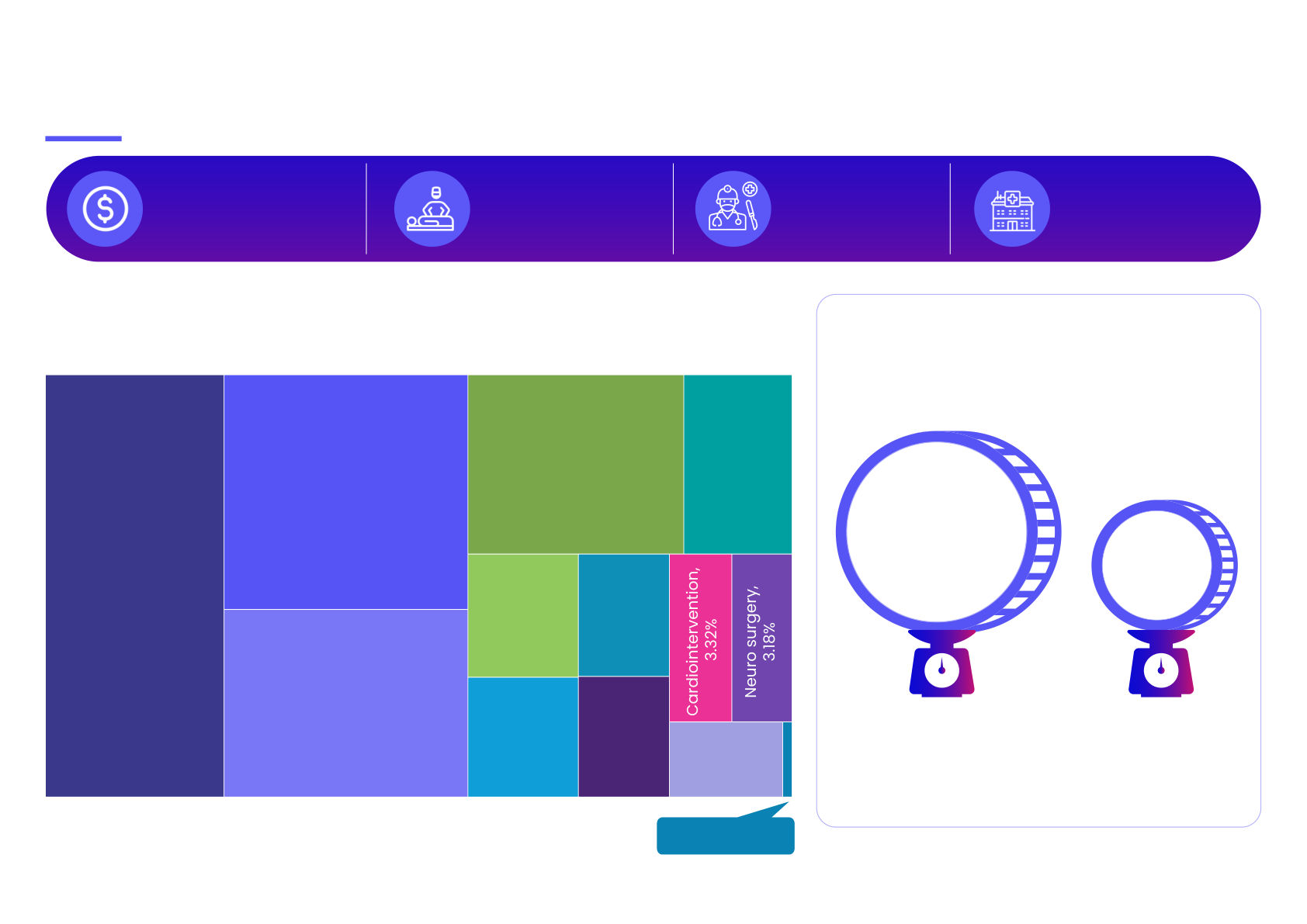
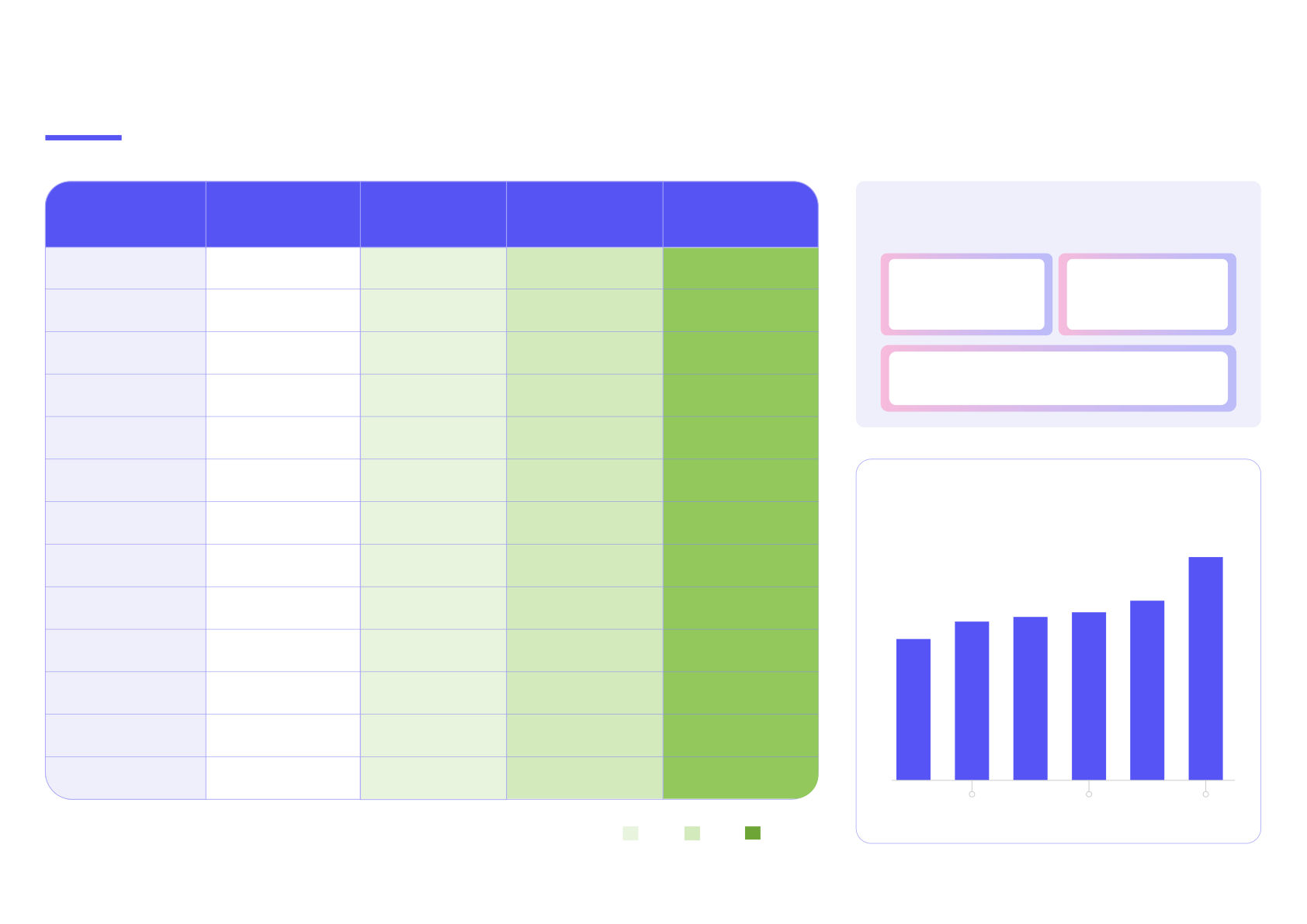
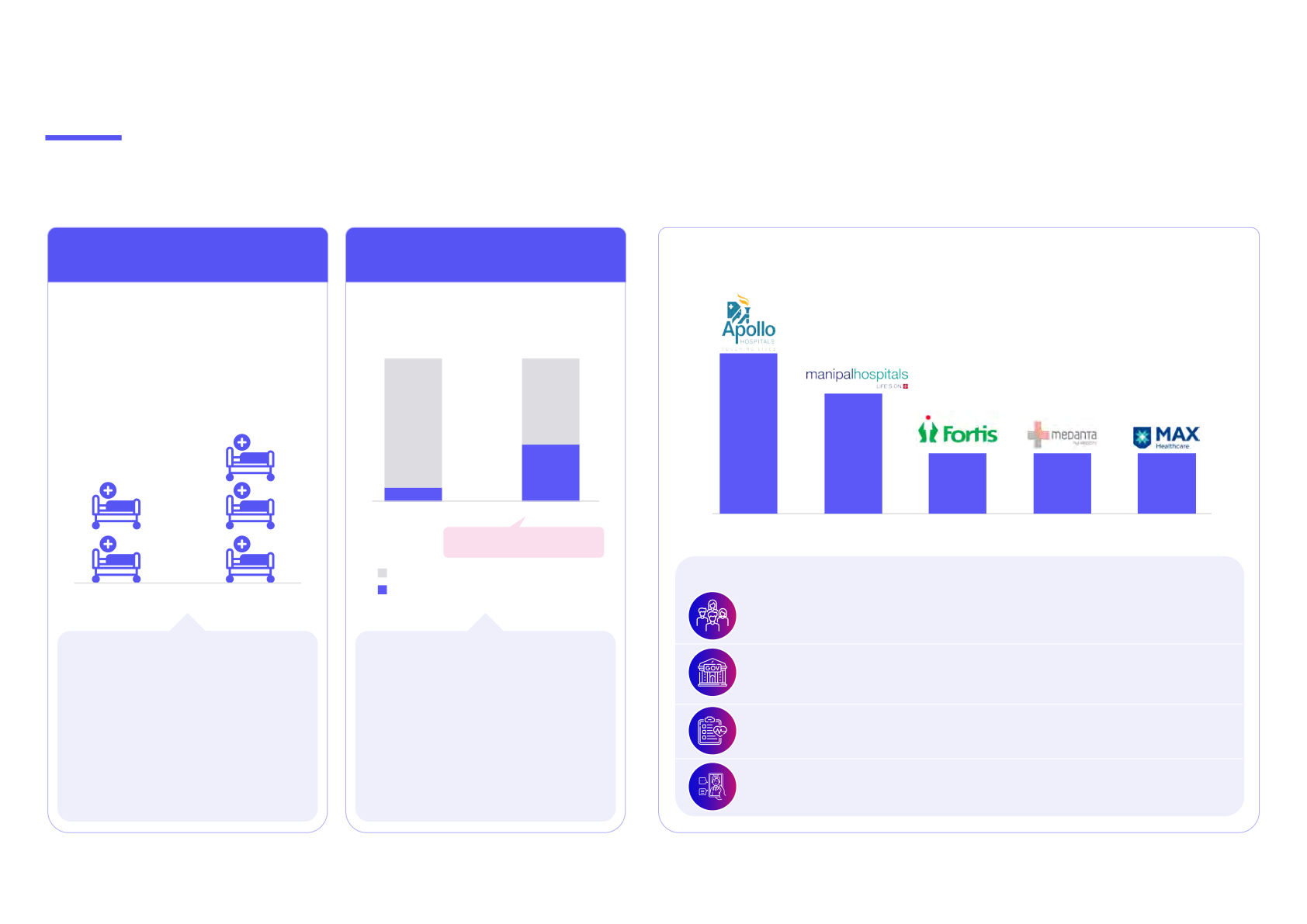
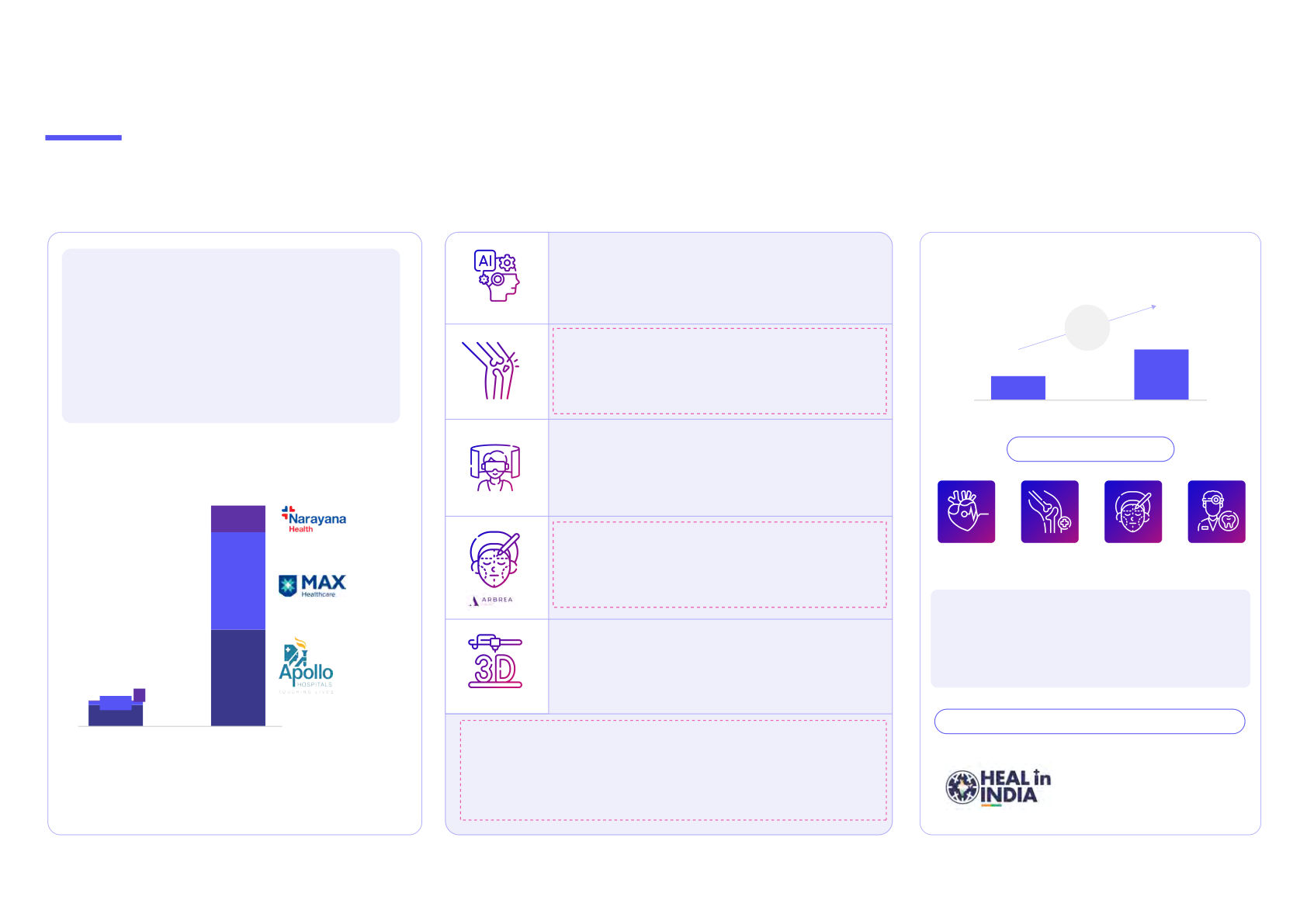
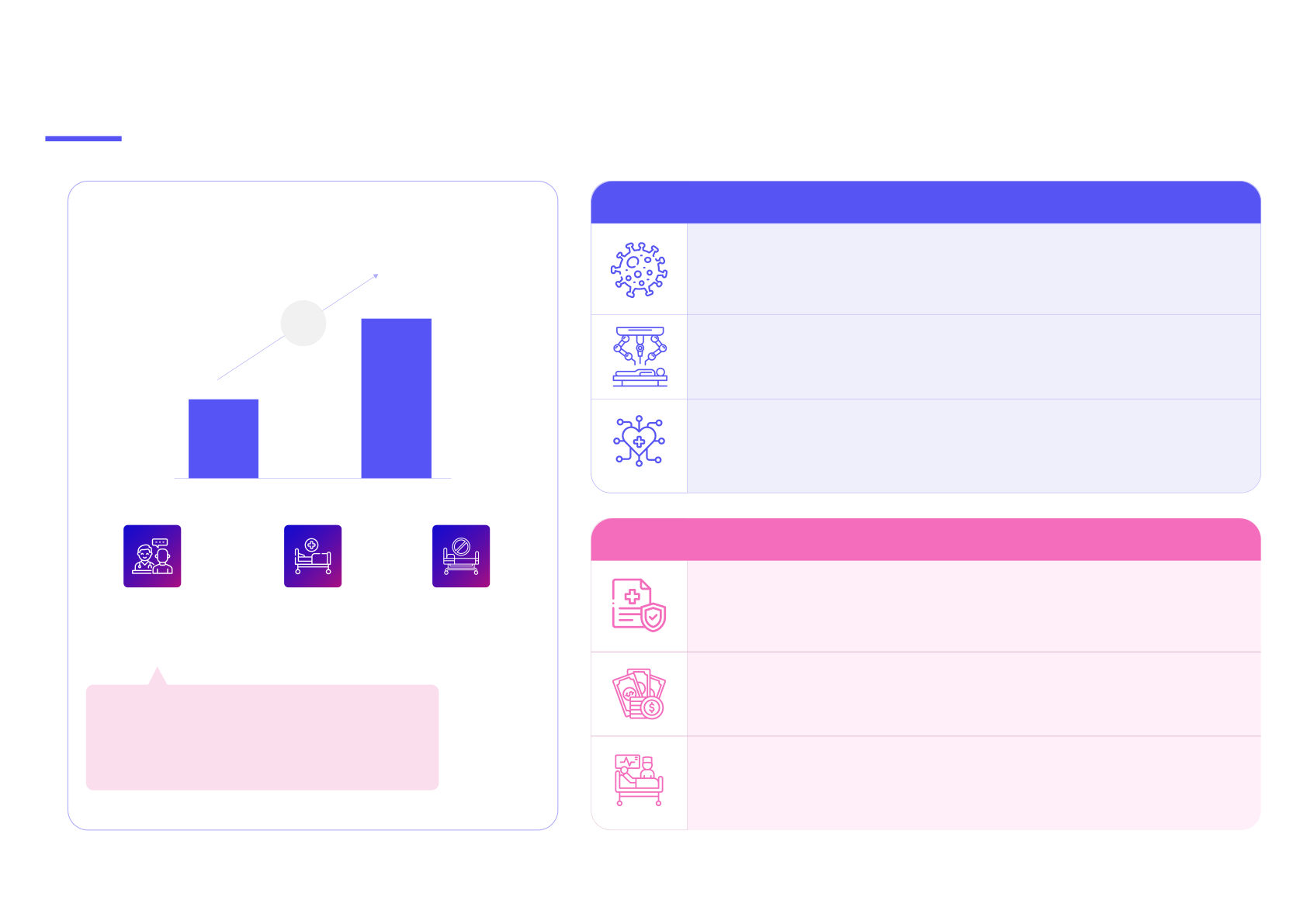
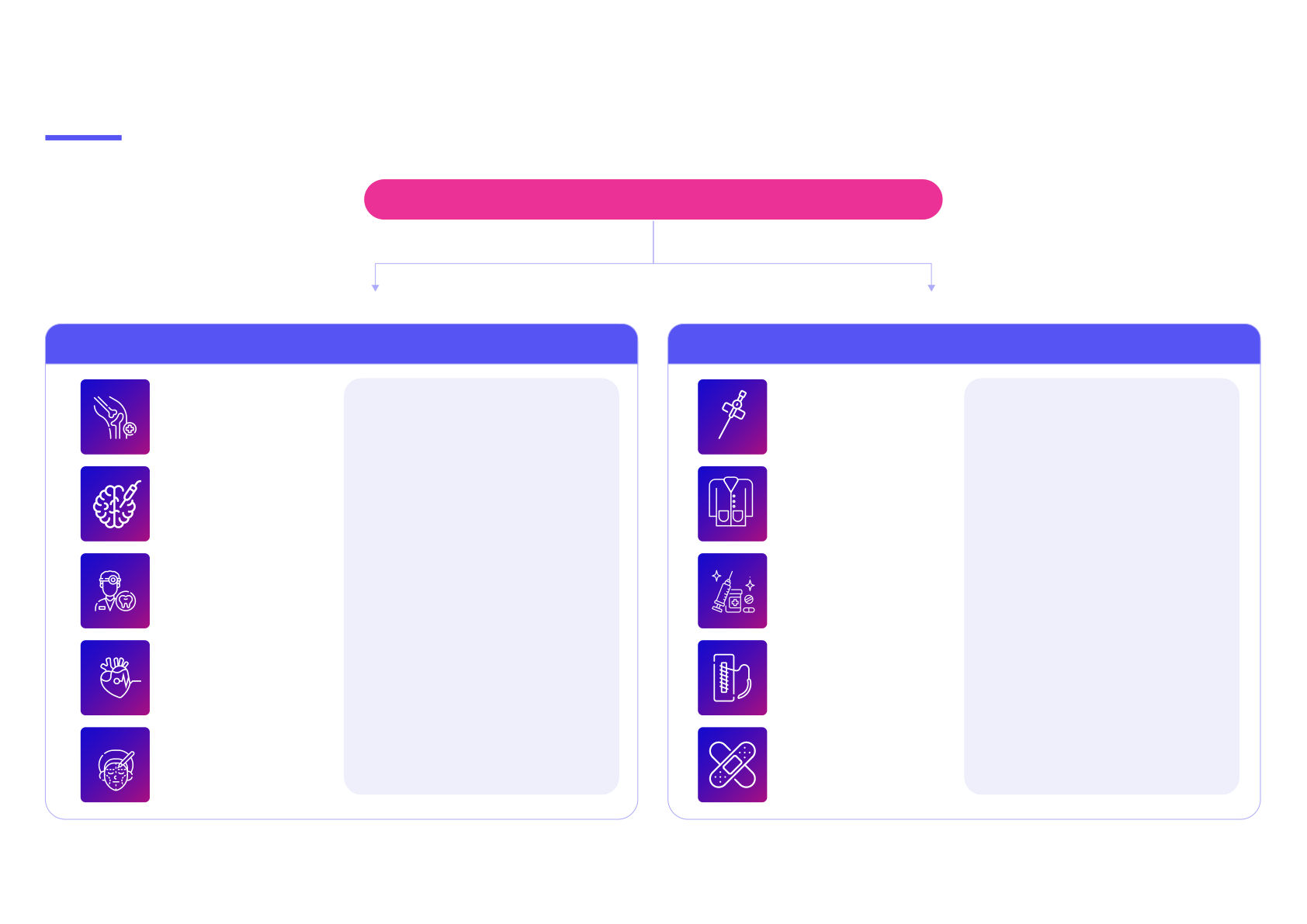
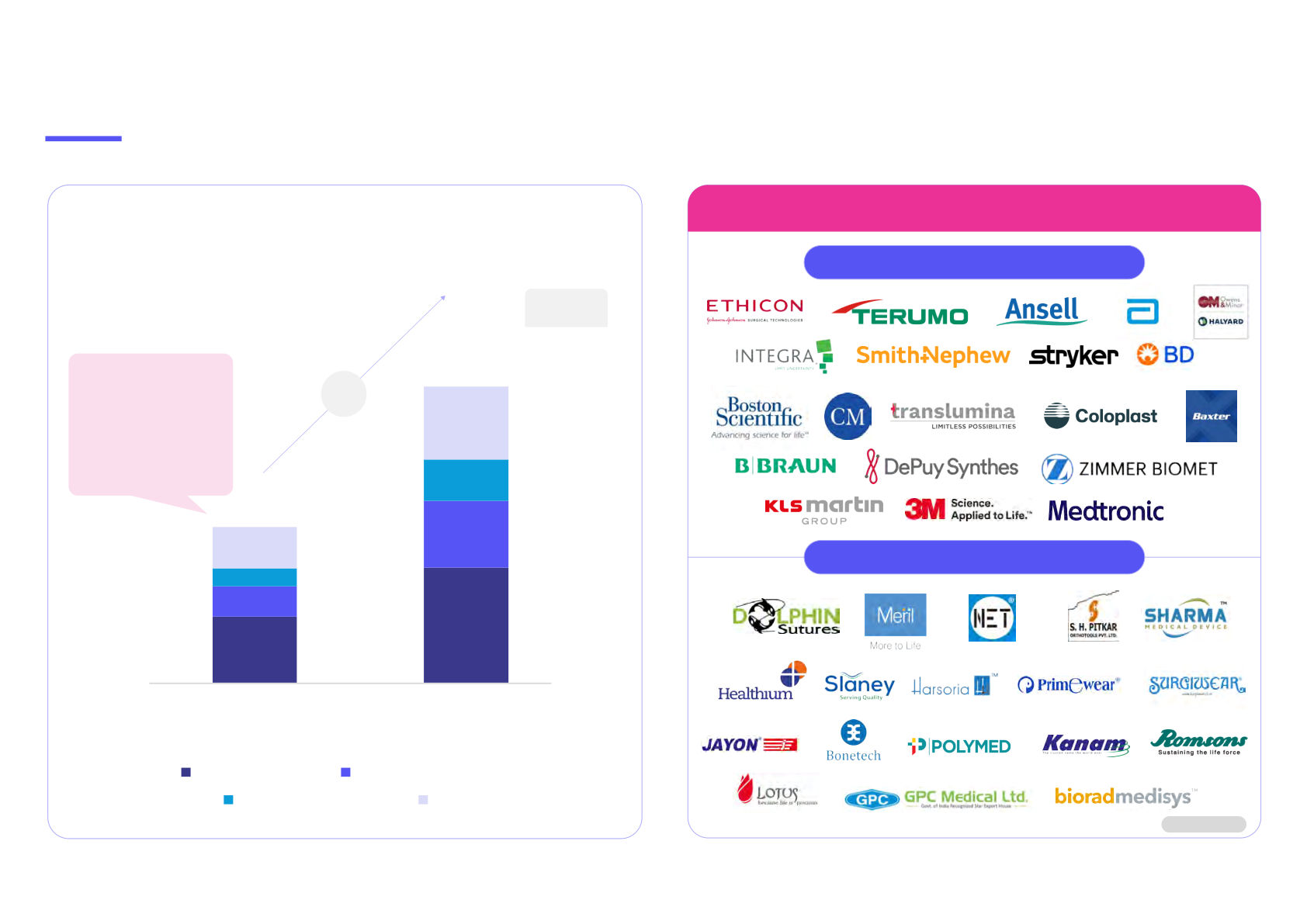
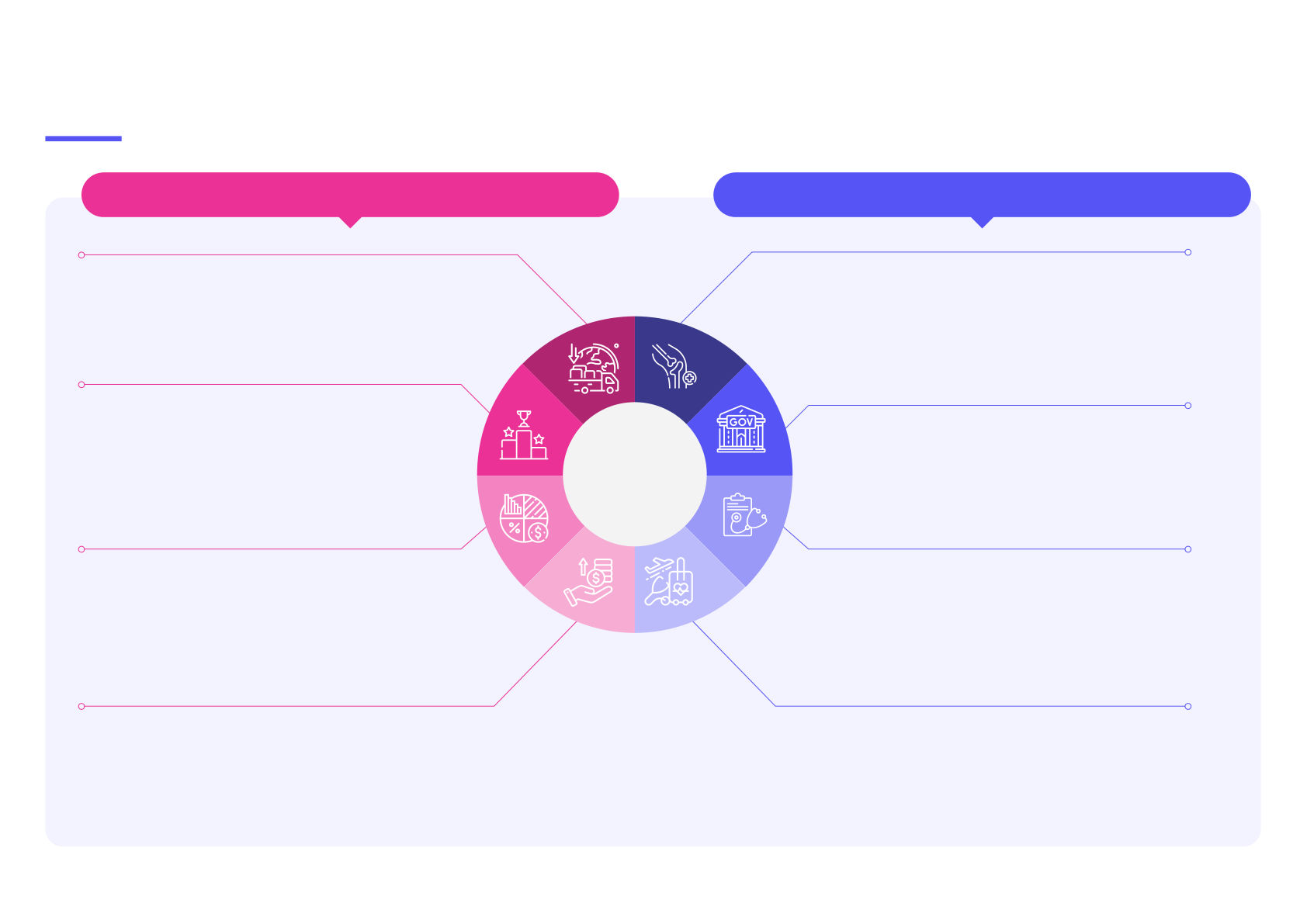
FEB, 2025 Foreword India’s healthcare sector, particularly the surgical landscape, has grown remarkably in recent years, driven by an expanding patient population, rising awareness, and technological advancements. As the world’s most populous country with diverse healthcare needs, India is emerging as a key player in the global surgical market, with increasing demand for high-quality and cost-effective solutions. India’s surgical landscape is diverse, encompassing various procedures from basic to complex interventions. Factors such as the rising prevalence of non-communicable diseases, medical tourism, and an aging population have driven a surge in surgeries. Innovations like robotic and minimally invasive techniques transform care, delivering better outcomes and faster recovery. Investments in advanced infrastructure and training by both public and private providers are further enhancing access to surgical services across urban and rural regions. The Indian surgical consumables market encompasses a wide range of products, including surgical Sanjay Sachdeva implants and surgical disposables, which are integral to various medical procedures. The growing Director, Healthcare prevalence of chronic diseases, trauma cases, and a rise in aging population are key factors fueling and Lifesciences the demand for these consumables. Advanced products, such as minimally invasive surgery (MIS) consumables, are seeing increased adoption, along with a preference for eco-friendly and biodegradable alternatives. As the market expands, there is a notable shift toward more sophisticated and premium consumables, driven by the demand for improved healthcare standards, better surgical outcomes, and heightened patient safety. Technological innovations like robotic surgeries and laparoscopy are further influencing the design and development of specialized consumables tailored to these advanced procedures. However, the sector faces challenges, including rising healthcare costs, pricing pressures, regulatory complexities, and the need for consistent quality assurance. Manufacturers and stakeholders must invest in R&D, supply chain optimization, and compliance with stringent regulations to navigate these obstacles. Despite these challenges, India’s surgical consumables market presents significant opportunities, especially as the country positions itself as a global hub Devmalya Mukherjee for medical device manufacturing and surgical care. Director, Financial Investors Looking ahead, India’s surgical consumables market is poised for continued growth, underpinned by expanding healthcare infrastructure, a focus on patient safety, and increasing demand for high-quality products. Product in Spotlight: MediQ Powered by MedIQ, our latest report, "Indian Surgical Landscape And Surgical Consumables Market" unpacks the evolving dynamics of India’s surgical sector. As the country cements its position as a global hub for medical innovation, the demand for high-quality surgical consumables is on the rise. This report provides a deep dive into key trends such as the increasing adoption of robotic-assisted surgeries (RAS) , the shift towards minimally invasive procedures, and the growing role of AI-driven surgical planning . It explores the challenges of accessibility, regulatory complexities, and the expansion of surgical services into Tier-2+ cities. With MedIQ , our advanced healthcare intelligence platform, stakeholders can access comprehensive market insights, specialty-driven surgery volumes, and trend analysis to navigate this high-potential sector. From mapping hospital infrastructure to understanding the demand for surgical consumables , MedIQ equips healthcare providers, investors, and policymakers with actionable intelligence to make informed, data-backed decisions. - Agenda INDIAN 01 SURGICAL LANDSCAPE Overview of Indian surgical market Expansion of healthcare services to Tier 2+ cities Emerging trends in Indian surgical market Rise in day care surgeries Surgical landscape overview An estimated 3Cr surgeries are conducted in India annually with General surgery, Obstetrics and Gynaecology surgeries being the top specialties US$ 55B 24% ~100K 82% estimated market of all the surgeries estimated number surgeries are value for all surgeries performed are General of surgeons performed in small and in India as of FY24 surgeries in India medium hospitals % split of surgeries/procedures in India by specialty The Lancet Commission for Global Surgery (LCoGS) (# surgeries per year, %) estimated that 5000 surgeries per 100,000 people are required to meet the surgical burden in LMICs Medical GI Ortho surgery, Obstetrics and procedures, 12.30% Gynaecology 6.18% related surgery, 18.20% 5.1Cr 3.0 Cr General Surgery, 23.96% Onco Surgical GI, surgery, 3.54% 4.29% Urosurgery, 14.44% Surgeries required Surgeries ENT, CTVS, Plastic to meet surgery performed annually 3.47% 4.20% surgery, burden per year** in India 2.69% Neurointervention, 0.22% Note(s): **Excluding Dental surgeries, Fracture and Ophthalmic surgeries © 1Lattice | Source(s): MedIQ, Secondary research, 1Lattice analysis 05 Surgery overview 18% of total surgeries in India are performed in metro cities; General surgery procedures are the most common while Cardio and Neuro surgeries are the most expensive Indicative price Low-end Medium range High-end Most common surgeries Surgeries range(INR L) surgeries surgeries surgeries (% surgery in TA) Head and neck Onco Surgery 0.5-5 Colectomy Lobectomy cancer 10-20% 5-25% Deep brain Gall bladder surgery Hernia Neuro Intervention Brain stenting Coil Embolization 2-16 stimulation Atrial Septal PCI TAVR Cardio Intervention 1.5-15 Defect Closure 15-25% Heart Valve Hemorrhoidectomy (surgery for piles) Pericardiectomy CABG/Bypass CTVS 1.4-5 Replacement Gall bladder Colorectal surgery Pancreatic surgery 0.40-7 Surgical GI surgery Piles Hydrocele Bariatric General Surgery 0.08-6 Surgery count in the metros of India (# surgeries per year in lakhs) ACL Ortho Surgery Hip replacement Joint replacement 0.75-4 reconstruction 13.6 Epilepsy surgery Craniotomy Spinal Fusion Neuro Surgery 2.5-4 9.6 8.6 8.2 Skin Grafting Rhinoplasty Breast implant Plastic Surgery 0.45-2 7.8 6.2 Kidney stone Testicular surgery TURP Uro Surgery 0.15-1 removal Sinus surgery Septoplasty Laryngectomy ENT 0.35-8 Polypectomy Myomectomy Hysterectomy Gynaec Surgery 0.3-2 Upper Sigmoidoscopy ERCP Medical GE 0.08-0.5 GI Endoscopy Kolkata Mumbai Hyderabad Chennai Bangalore Delhi NCR Indicative price range Low Med High Note(s): Surgeries excluding C-section, Ophthalmic, Fracture, and Dental surgeries, TA – Treatment area Source(s): MedIQ, Secondary research, 1Lattice analysis © 1Lattice | 06 Expansion of healthcare services Indian healthcare services have been highly skewed in metros and Tier 1 cities; however key private healthcare providers are planning expansions to Tier 2+ cities in coming years Gaps in delivery of surgery care in India Expansion to tier 2+ cities Healthcare infrastructure Shortage of skilled # hospitals planned for tier 2+ cities in next 3 years limitations professionals Hospital beds Distribution of surgeons per 1,000 people across India 3.3 Global average* 8 1.6 6 India 40% 3 3 3 10% Population Surgeons Surgeons in Medium and Large hospitals only Rest of India Reasons for expansion Top 20 Metro and T1 cities • Population growth of 2.6% expected in Tier 2+ cities compared to the national average of 0.7% • Hospitals in both urban and • Distribution of specialist • Ayushman Bharat, PMJAY etc. encouraging investment and rural areas do not have surgeons is skewed towards development of healthcare facilitates in Tier 2+ cities sufficient infrastructure to metros and large cities cater to the surgery • Rural India experiences • Growing PoC diagnostics target quicker test results and demand ~80% shortage of surgeons medical interventions at PHCs in Tier 2 cities • Public hospitals are as of 2022 generally overcrowded and • Significant improvement in access to quality under-resourced healthcare in smaller cities with telehealth services Note(s): *WHO data last updated in 2020, India average as of 2021 © 1Lattice | 07 Source(s): MedIQ, Secondary research, 1Lattice analysis Emerging trends Cutting-edge technology like RAS and AI are transforming the Indian surgical landscape cementing its position as the top medical tourism destination Increased adoption of Robotic Innovative technology and its Growth and promotion of Assisted Surgeries use in surgery care medical tourism in India Medical tourists visiting India • Artificial intelligence to improve • India’s Robotic Assisted Surgery (RAS) (# visitors, M) surgical planning, real-time decision market is one of the fastest-growing making and post operative care globally, driven by private hospitals' adoption for minimally invasive 20% 7.3 surgeries • Doctors at Medica Hospital conducted an AI-powered HoloLens Surgery on a • Valued at US$ 300M , the market is 6.1 50-year-old woman that needed knee projected to grow at a 18% CAGR, replacement surgery reaching US$ 680M by FY29 2023 2024 • Augmented Reality (AR) and Virtual Top specialties Number of robotic procedures Reality (VR) for surgery simulations, training, and visualization of complex anatomies 1000 • Arbrea breast and Arbrea face allows plastic surgeons to create models of Cardiac Ortho Cosmetic Dental patients face and breasts, serving as a 3700 virtual plastic surgery simulator The Heal in India Initiative is a government campaign to promote • 3D printing patient-specific implants medical tourism and establish the and prosthetics, bio-printing tissues & country as a global leader in health 3650 scaffolds for reconstructive surgery & 9 organ transplants 165 800 Why India attracts health travelers? FY 21 FY24 • The National Strategy on Additive Manufacturing • Affordability aims to add US$ 2 –3B to India’s GDP by 2025 • Top quality service • Likely to boost the nascent healthcare 3D printing Note: Count of robotic surgeries is not exhaustive. ecosystem in India • India’s healthcare Hospitals selected to display growing trend of RAS heritage © 1Lattice | 08 Source(s): Tracxn, Secondary research, 1Lattice analysis Rise in day care surgeries Shortage of hospital beds and the low doctor-to-patient ratio in India is making day care surgeries an attractive solution Day care surgeries –India Market Size Growth Drivers (INR K Cr, FY23-31P) • Post-COVID-19, day care surgeries have seen accelerated adoption. Approximately 25-30% of surgeries are now performed on a d aycare basis across various specialties • Patients prefer shorter hospital stays and lower risk of infections 9.1% • Shorter hospital stays reduce the need for antibiotics and medications • Growing adoption of robotic surgery is expected to lower costs over time, making it more accessible 28.9 • Technological advancements like minimally invasive surgeries, 14.4 robotic surgery , and AI have boosted short duration outpatient surgeries in India FY23 FY31P Growth Barriers • Limited Healthcare Infrastructure & Financial Constraints are a major concern in developing & maintaining a separate day care unit. 1:1800 1:1500 42K Many regions, lack sufficient primary healthcare facilities to support Doctor to Bed to Bed post-discharge care patient ratio patient ratio shortages • Older patients, those with comorbid conditions, or individuals from rural areas are often apprehensive about early discharge due to fear of With a population of over 1.42 billion and a inadequate follow-up care and complications shortage of 42,000 beds in government hospitals, the healthcare system struggles to meet the demand for traditional • Issues such as cancelled operations, late starts, and excessive delays inpatient surgeries contribute to underutilization of day surgery theatres Source(s): Secondary research, 1Lattice analysis © 1Lattice | 09 Agenda INDIAN SURGICAL 02 CONSUMABLES MARKET Market segmentation by therapy area and product type Market size and competitive landscape Industry Headwinds and Tailwinds Key trends in consumables market Market Segments The growing surgical landscape in India is fueling the demand for surgical consumables; majorly segmented into surgical implants and surgical disposables Indian Surgical Consumables Market Surgical Implants (by therapy area) Surgical Disposables (by product type) Orthopaedic • Orthopaedic implants Catheters and • Catheters and Implants have the highest market Cannula Cannula have the share among all surgical highest market share implants and are among all surgical expected to grow at a disposables Neurosurgery Apparels (drapes, CAGR of ~8% for the next 7 • India showed Implants gowns and gloves) years immense growth in • The dental implants exporting needles, market is expected to syringes, sutures, Needles and Dental grow at a CAGR of ~13% for catheters, and syringes Implants the next 7 years, showing cannula as exports the highest growth among have been rising at a all surgical implants CAGR of ~10% over the past 5 years Sutures, sealants, • India demonstrated Cardiovascular hemostats superior growth in • The wound care Implants exporting surgical market is expected to implants as exports have grow fastest at a been rising at a CAGR of CAGR of ~13% for the Others (ophthalmic, Wound ~25% over the past 5 next 7 years dressings silicone, etc.) years © 1Lattice | 11 Source(s): Secondary research, 1Lattice analysis Surgical Consumables Market Indian surgical consumables market is expected to grow at a CAGR of ~9.6% to reach INR 88.7K Cr by CY30; wound management is the fastest growing segment among all Indian Competitive Landscape Indian Market - Surgical Consumables (INR K Cr , CY23-30P) Key International Players CAGR CY23-30P 88.7 Disposable syringes, surgical gloves, drapes, 9.6% gowns, CPAP and BiPAP 8.3% tubes, sutures, surgical 21.7 sealants, hemostats adhesives, suction tubes, etc. 12.7% 12.5 46.8 19.8 11.9% 12.4 Key Domestic Players 5.4 9 34.7 8.2% 20.0 2023 2030 Surgical Implant Catheters and Cannula Wound management Others Not exhaustive Source(s): MedIQ, Secondary research, 1Lattice analysis © 1Lattice | 12 Headwinds and Tailwinds – Indian surgical consumable market With increasing healthcare penetration, the surgical consumables market has significant growth potential in Tier-2+ cities; addressing innovation & investment gaps are key drivers Headwinds Tailwinds Rise in geriatric population and surgical procedure High import dependency • Increasing demand for Orthopedic implants is fueled by an aging population, incidence of • The import of implants rose by 11% in 2023-24 trauma cases, and chronic diseases • The imports of consumables grew by 8.37%, • Insurance coverage for high-cost surgeries and totaling INR 7,430Cr strong PE investor interest in national and regional chains of hospitals Competition and pricing pressures • High market fragmentation with both Government initiatives Indian organized and unorganized players. • Key programs like Make in India (Public procurement surgical Unorganized players provide cheaper policy), PLI scheme, NMD policy, Ayushman Bharat consumables alternatives (PMJAY), etc. help to increase the usage of market • Import from low-cost products from domestically produced implants markets such as China Insufficient CapEx investments Expanding healthcare infrastructure • Lack of investments by domestic players in • Hospital chains are expanding aggressively into Tier 2 software, machines, manpower and facilities and Tier 3 cities; Apollo Hospitals alone plans to add over 2,000+ beds over the next 3 years • Dependence on low-tech manufacturing • Focus on infection control post-pandemic awareness and less investment in automation and is pushing high-quality disposable products quality control Lack of significant R&D effort Growth in medical tourism • Indian medical device and consumables • India is a leading medical tourism destination , manufacturers invest less than 1% of revenue in R&D attracting ~7.3 million visitors in CY24 with its affordable, high-quality healthcare offerings. • Majority of the market revenue comes from • e-Medical Visa / e-medical Attendant visa facility low-complexity consumables to nationals of 167 countries Note(s): CapEx – Capital investment © 1Lattice | Source(s): Secondary research, 1Lattice analysis 13 Key Trends Increasing insurance penetration, customizable solutions and rise in remote surgeries are prominent emerging trends in the Indian surgical consumables market Industry trends • Increased awareness of infection control has spiked demand for disposable surgical consumables Rising demand for like gloves, masks, and drapes disposables • As India becomes a key destination for medical tourism , international patient’s high infection control expectations are prompting hospitals to invest in sterile, single-use product • Indian RAS (Robot Assisted Surgeries) market is growing at a CAGR of ~20% to reach INR 5.7K Cr by FY29 Robotic Surgeries • The shift towards minimally invasive procedures, is increasing the demand for specialized surgical consumables like precision tools, disposable instruments, and advanced sutures • AR/VR technologies offer immersive environments that allow aspiring surgeons to practice complex Remote surgeries procedures remotely, improving training accessibility and safety before working on patients using AR/VR • The demand for minimally invasive tools is driving advancements in surgical consumables, focusing on disposables suited for AR/VR environments • Biocompatible 3D implants are transforming surgeries by enabling customized, patient-specific Customizable applications in orthopedics, maxillofacial, and reconstructive procedures solutions • Advances in materials like titanium alloys and PEEK , along with increased local manufacturing , are driving the use of 3D implants • Health insurance in India is growing, with gross direct premium income reaching INR 90.6K Cr Increasing penetration (US$ 10.86 B) in FY23 • Increased health insurance coverage makes surgeries more accessible, driving higher demand of health insurance for surgical consumables • MoHFW, launched ' MedTech Mitra ' to support MedTech innovators and advance healthcare solutions in India Government Initiatives • The Universal Immunization Programme annually vaccinates 2.67 crore children and 2.9 crore pregnant women against 12 diseases, free of cost Source(s): Secondary research, 1Lattice analysis © 1Lattice | 14 Agenda Our Solution - 04 MedIQ Challenges in Indian Healthcare Landscape MedIQ's offerings and data spectrum Challenges in Indian Healthcare Landscape Comprehensive healthcare intelligence and insights are not easily available and accessible; MedIQ is one such solution designed to address this gap Challenges in healthcare Comprehensive Market Insights infrastructure mapping Detailed analysis of hospitals across major cities, including data on beds, OTs, and surgery volumes Limited data on hospital infrastructure and surgery volumes Specialty Expertise Inadequate access to comprehensive data hampers effective In-depth knowledge of top surgical decision-making and planning specialties and sub-specialties to align with market needs Insufficient specialty-specific surgical solutions Customized Strategies A lack of tailored offerings for diverse surgical requirements Solutions for metro, Tier 1, and Tier 2+ cities, limits market adaptability and competitiveness addressing hospital types and ownership WHAT models WE Uneven healthcare infrastructure in tier 2 and beyond Growth Projections Fragmented information about healthcare facilities in smaller OFFER Data-driven insights into the surgical cities restricts strategic planning and market entry consumables market, with growth forecasts to maximize ROI Lack of insights on market growth and opportunities insufficient data on the evolving healthcare landscape Actionable Intelligence creates challenges in identifying growth areas and Clear understanding of consumable demand, emerging trends equipment usage patterns, and 1 hospital-specific needs High market competition Intense competition in the healthcare industry demands One Stop Solution innovative strategies & actionable insights to maintain a Expertise in identifying market gaps, building competitive edge go-to-market strategies, and driving success © 1Lattice | 16 Our solution MedIQ by 1Lattice revolutionizes the way healthcare professionals and organizations understand the hospitals landscape in India Indian Competitive MedIQ offerings Landscape Mapping of hospitals, number of Surgical specialty and beds and OTs subspecialty • >1600 medium & large hospitals mapped from the top 45 cities of India • City selection based on market potential value & population Hospital size Medium / Large Count of surgeries and surgeons by specialty and sub-specialties • Count of surgeries available for 13 major Hospital type specialties and ~60 major sub-specialties Standalone / Regional / National Surgical consumables by volume City tier and by value Metro / Tier 1/ Tier 2+ • List of consumables & equipment as per surgery • Surgical consumables by volume and value across hospitals Ownership Private / Public Medium hospitals (100-250 beds), large hospitals (>250 beds) © 1Lattice | 17 What We Do Making organizations effective through data-driven insights, innovative products solutions Vision 4 200+ and proven expertise to enable better decisions Offices in Annual India engagements To provide technology led solutions that unlock Mission that power of trustable data, actionable research, and deep network of experts 130+ 50+ Team Inhouse members research team Technology 1,000+ 2M+ On-ground staff B2C Panel People/ Professionals/ Data + Accumulated knowledge Service providers 500K+ 300K+ B2B Panel Experts & professionals 20% 100% Cost savings Controlled output & timeline Research Authors Sanjay Sachdeva Devmalya Mukherjee Director, Healthcare and Lifesciences Director, Financial Investors E: sanjay.sachdeva@1lattice.com E: devmalya.mukherjee@1lattice.com For media queries, Urbashree Bayan Associate Manager – Corporate Communications please contact E: communications@1lattice.com www.1lattice.com Disclaimer: This material has been prepared by 1Lattice, which is the trade name of Lattice Technologies Private Limited (“1Lattice”, “we” or “our”) with the intent to showcase our capability and disseminate learnings to potential partners/clients. This material can be referred to by the readers on the internet but should be referenced to 1Lattice, if reused or adapted in any form, or medium and on any forum. The frameworks, approaches, tools, analysis and opinions are solely 1Lattice’s intellectual property and are a combination of the collection of the best data we could find publicly, and the 1Lattice team’s own experiences and observations. Any information provided herein is only for informational purposes and you are advised to perform an independent analysis of the same before making any decision based on such information. The information does not constitute any business advice or guidance and is to be construed as a general summary based upon the publicly available information and our interpretation of the same using our resources. For this material, we may have relied upon different sources of information which may be primary sources, publicly available information, and relevant information available with us. We make no representation or warranty, expressed or implied, that such information is accurate or complete, and nothing contained here can be construed as definitive predictions or forecasts. Before reading further, the Recipient expressly agrees that this might not address any and all risks and challenges facing the Recipient, its business, and the markets within which it operates, nor all possible market conditions. Any use of the information provided herein by the viewer shall be at the sole risk of the viewer and 1Lattice or its business partners, affiliates, agents, officers or employees shall not be liable for any unintended or adverse effect or outcome from the use of such information by the reader. 1Lattice does not have any duty to update or supplement any information in this document. 1Lattice shall not be responsible for any business or commercial loss sustained by any person who relies on any information provided herein. Any and all logos of companies used in the information provided herein have been published for information purposes only and 1Lattice does not hold any liability in connection therewith. +91 981 802 7595 sanjay.sachdeva@1lattice.com Delhi NCR | Mumbai | Bengaluru | UAE | KSA | Singapore