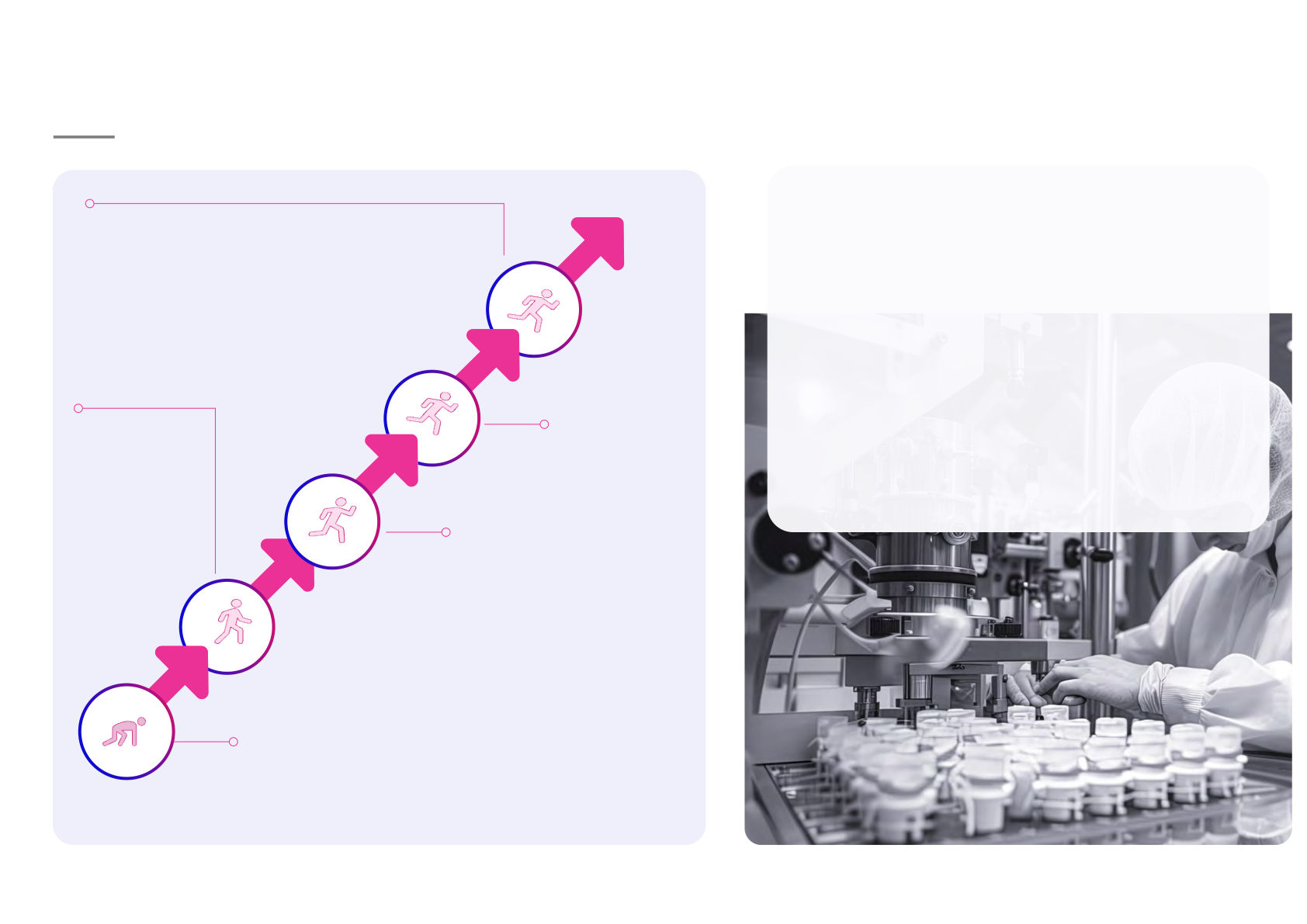
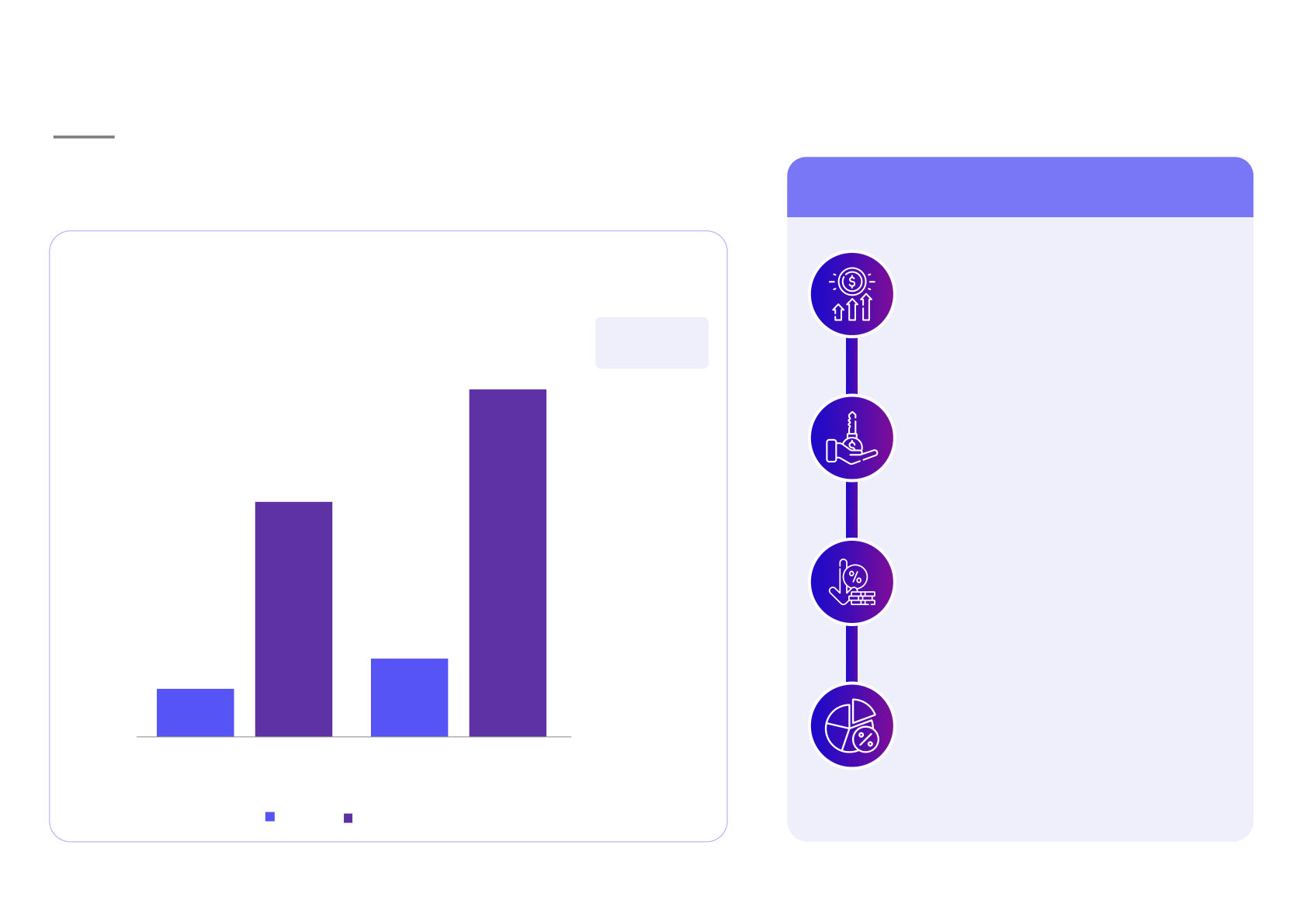
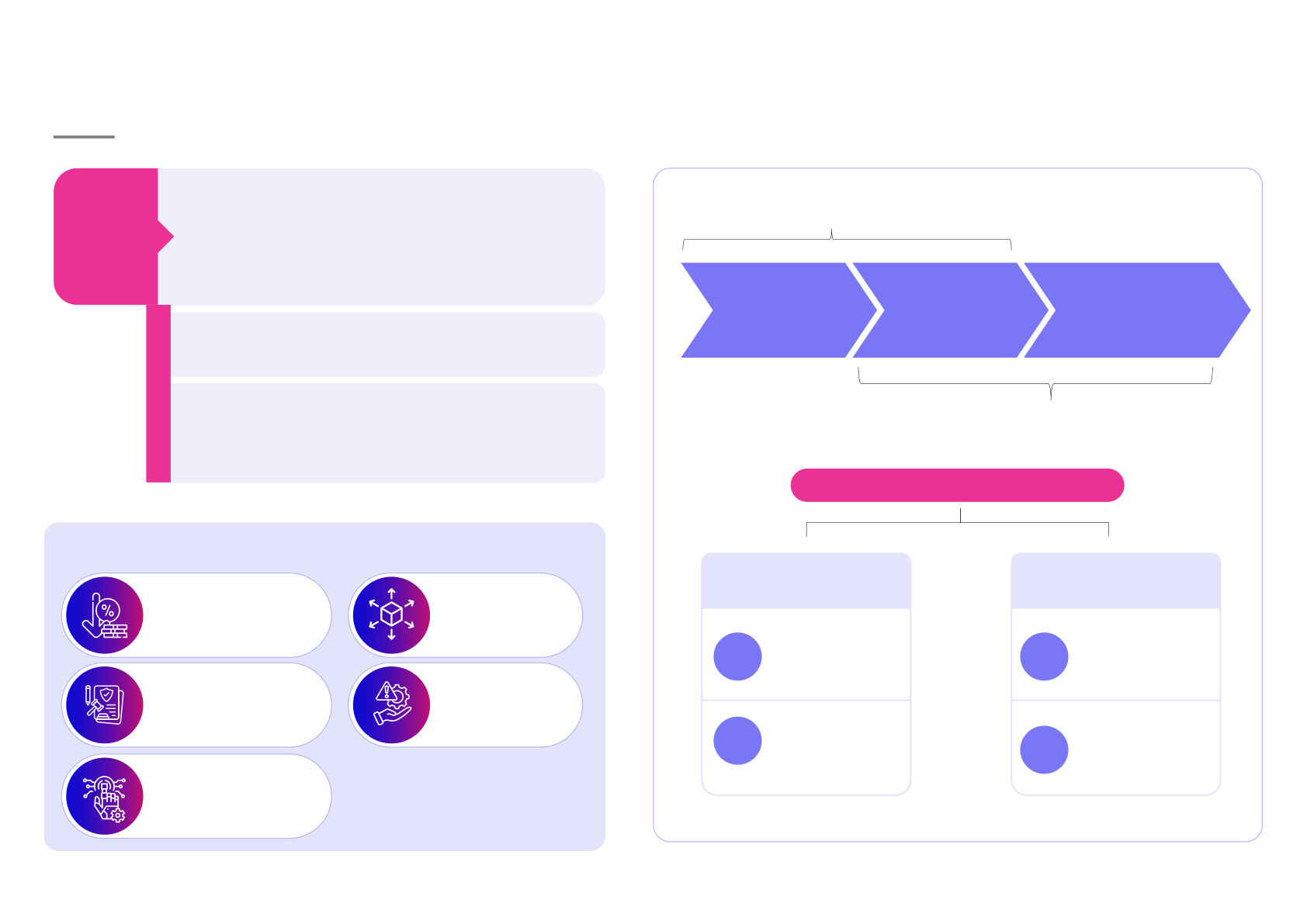
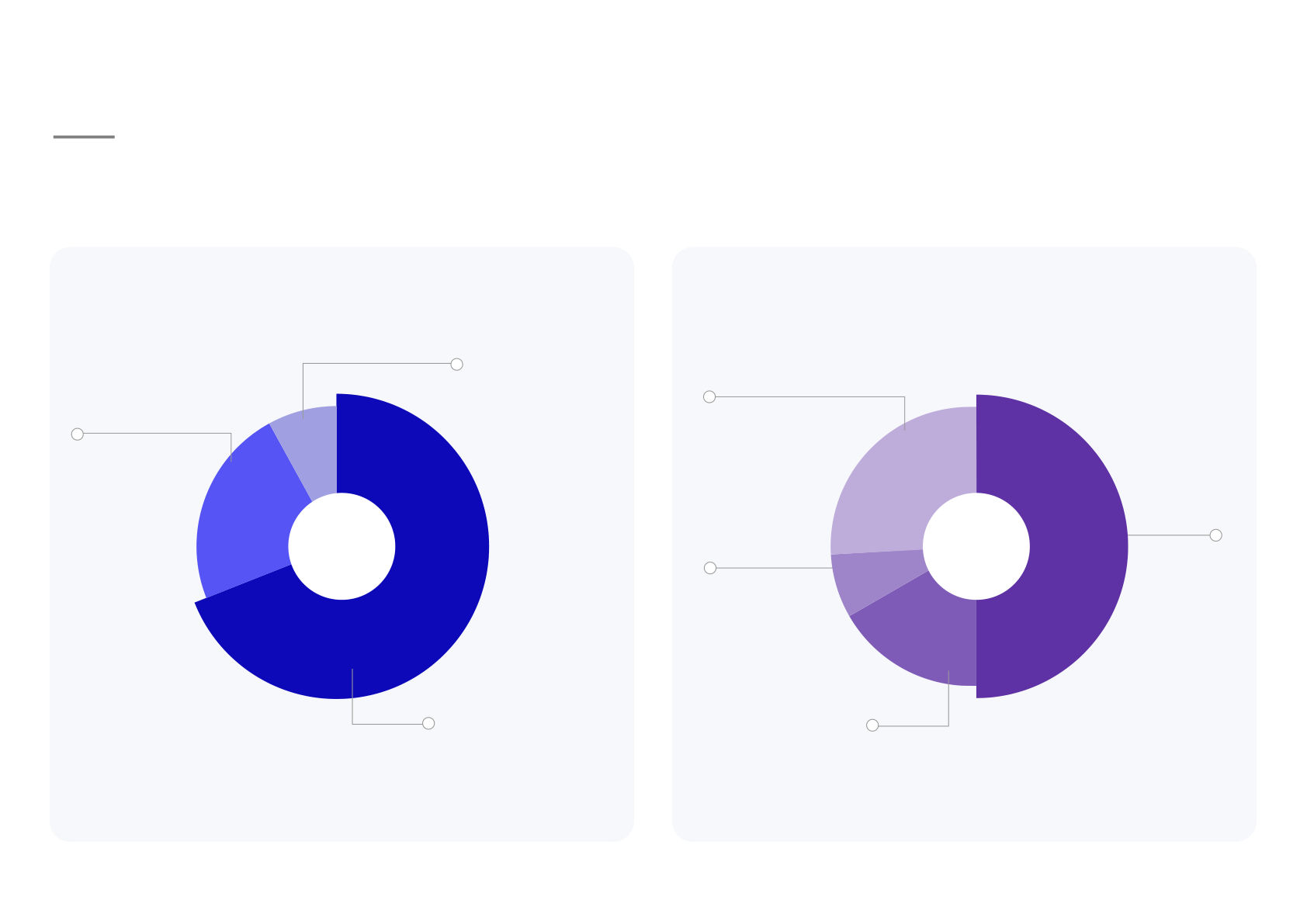
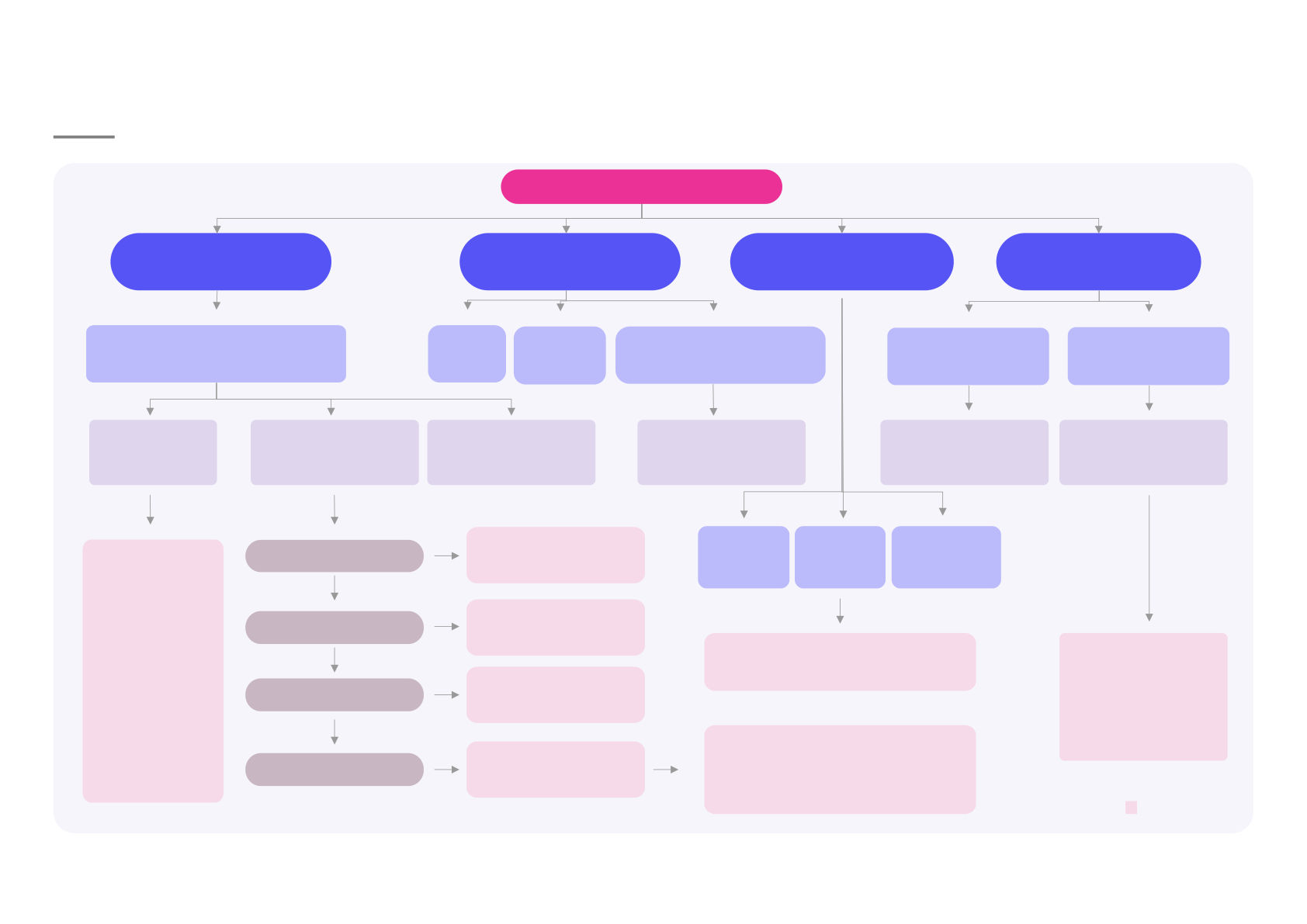
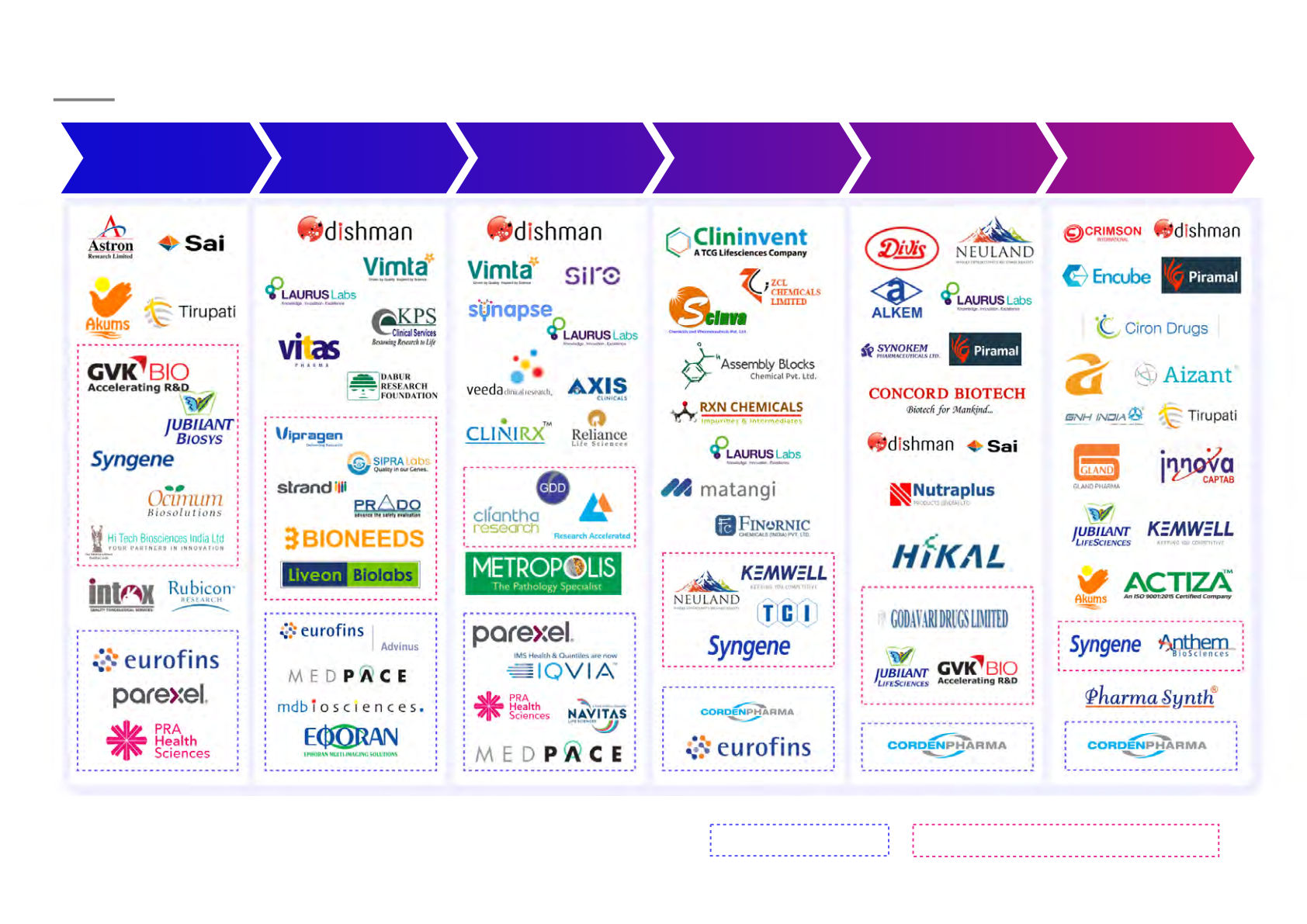
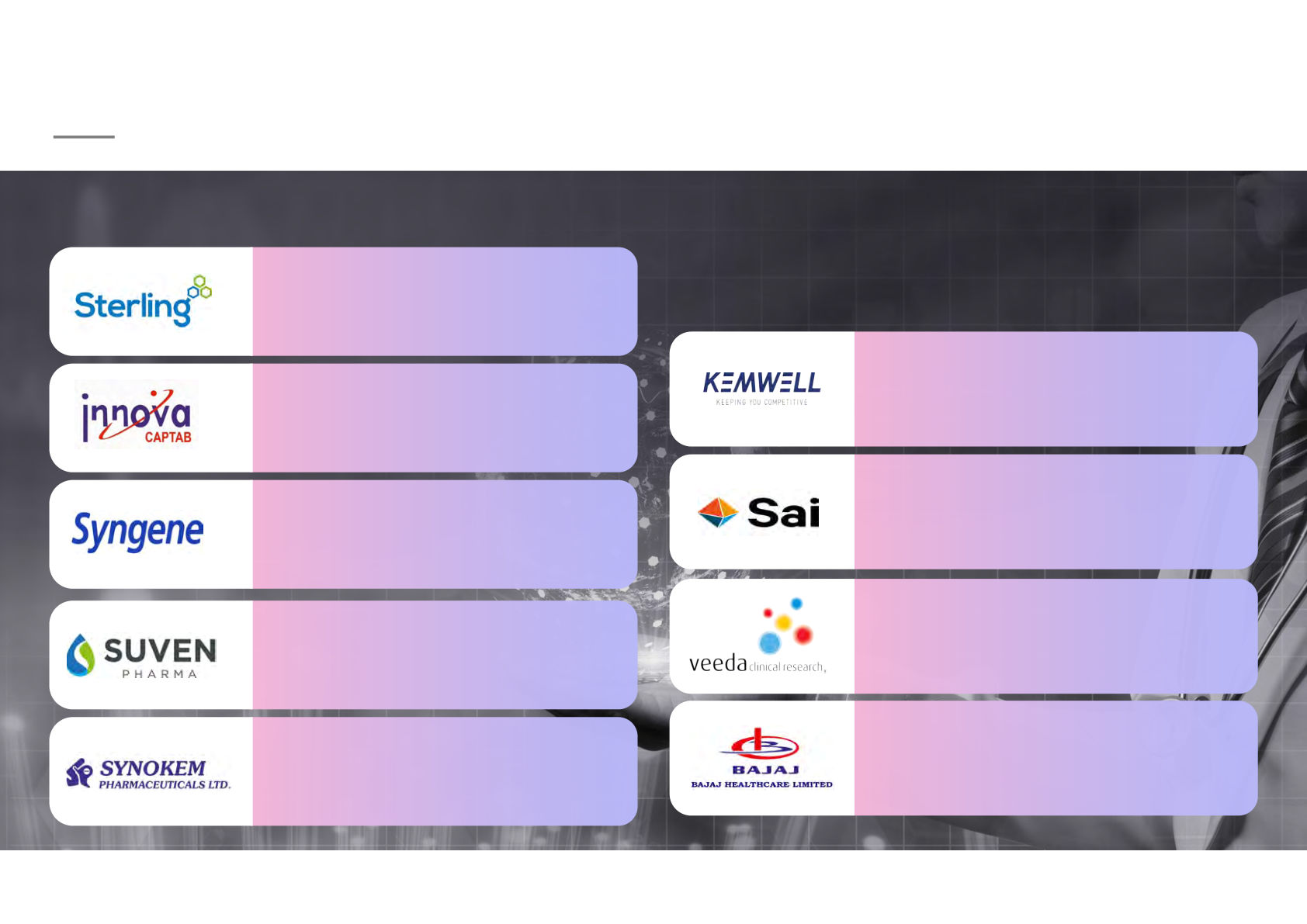
Contract Research and Manufacturing Services in India A Pharmaceutical Sector Report June, 2024 @Lattice Technologies Pvt. Ltd. Foreword pharmaceutical companies, growing investments in research and development, and a shift towards specialized and niche services. Innovation lies at the heart of CRAMS industry's ability to thrive in an ever-evolving landscape. CRAMS services have embraced innovation across all facets of its operations, from research and development to manufacturing, quality assurance, and regulatory compliance. By harnessing the latest advances in science, technology, and digitalization, CRAMS services have accelerated the pace of discovery, developed breakthrough therapies, and delivered value-added solutions that meet the evolving needs of our customers and patients. Despite its growth trajectory, the Sanjay Sachdeva Praneet Singhal Indian CRAMS industry faces several challenges, including Director, Director, Financial Investors increasing competition from emerging markets, evolving Healthcare and Lifesciences and 1Alpha regulatory requirements, talent retention, and the need for continuous investment in infrastructure and technology. However, the industry also presents significant opportunities for innovation, collaboration, and market expansion, particularly in high-growth India's journey in the CRAMS industry dates back to the early 1980s therapeutic areas such as oncology, biologics, and specialty when the country began attracting multinational pharmaceutical pharmaceuticals. companies seeking cost-effective research and manufacturing solutions. Over the decades, India has emerged as a leading The future of the Indian CRAMS industry looks promising, driven by destination for outsourced pharmaceutical services, offering a factors such as the increasing outsourcing trend among wide range of capabilities across the drug development and pharmaceutical companies, the rise of complex and specialized manufacturing value chain. drug development programs, and the growing demand for cost-effective manufacturing solutions. To capitalize on these India's CRAMS industry benefits from several key advantages, opportunities, Indian CRAMS companies are focusing on including a large pool of skilled scientific talent, a robust regulatory enhancing their capabilities, investing in innovation, and framework, cost competitiveness, and a favorable business strengthening their global presence to maintain a competitive environment. The industry has witnessed steady growth driven by edge in the evolving pharmaceutical landscape. increasing demand for outsourcing services from global Agenda Market Overview Growth Drivers & Barriers Trends & Opportunities Supply Landscape Recent Developments Introduction Contract Research & Manufacturing Services (CRAMS) across the pharma value chain has made significant strides globally Key takeaways • Pharmaceutical companies are increasingly 2023 leveraging external expertise and capabilities to streamline operations, reduce costs, and accelerate • Biologics and biosimilars innovation discovery and commercialization • From drug discovery and development to manufacturing and distribution, outsourcing allows companies to focus on their core competencies while tapping into specialized skills and resources • This strategic shift towards outsourcing is driven by several factors such as: - growing complexity of drug development 1990 2010 - the need for faster time-to-market • Proprietary • New Chemical Entity drugs and - cost pressures (NCE) discovery customized chemistry services 2000 outsourcing • Specialty products, drug delivery technologies outsourcing • Biocon established the first Indian Contract Research Organization (CRO) 1990 • Generics manufacturing outsourcing Source(s): Secondary research, 1Lattice analysis © 1Lattice | 04 Market Size The Indian CRAMS market is valued at ~US$ 21B in 2023, covering ~20% of the overall APAC market The Indian CRAMS market is expected to grow Key insights at a CAGR of ~10% from 2023-2028 CRAMS market size (India & APAC) Rising geopolitical tension between the US and China has also been a reason (in US$ B, 2023-28) for the rising momentum in the Indian CRAMS market CAGR 155.0 As per the industry experts, due to limited number of players (supply) and high demand, there is a huge potential in the contract research services space ~10% 105.0 India & China were key CDMO hubs in 2023 due to low labor rates compared to Europe and the US. In 2022, manufacturing labor ~8% costs in India were 35% of that in China 35.0 21.4 India holds approximately 20% share of the total CRAMS market in the APAC region 2023 2028 (F) India APAC Note(s): F: Forecasted © 1Lattice | 05 Source(s): Secondary research, 1Lattice analysis Segmentation Indian CRAMS market comprises two major segments - CRO & CDMO; ~75% of the CDMO market belongs to contract manufacturing services Contract Research and Manufacturing Services CRO services (CRAMS) refers to the outsourcing of research, CRAMS development, and manufacturing activities by pharmaceutical and biotechnology companies to Commercial the specialized firms Specimen Drug discovery production, packaging, development and pre-clinical and supply chain and clinical trials Contract Research Organization (CRO) provides trials services support in the form of research services Contract Development and Manufacturing CDMO services Organizations (CDMO) provide services such as drug development, manufacturing, packaging, analytical & quality control services, etc. CDMO Benefits Segmentation by Segmentation by Service Type End-User Cost- Scalability & effectiveness flexibility Big Contract Pharmaceutical ~70% ~75% Manufacturing Companies Regulatory Risk mitigation compliance Small & Research & Medium Sized ~25% Development ~30% Pharmaceutical Companies Access to advanced technologies Source(s): Secondary research, 1Lattice analysis © 1Lattice | 06 Segments API manufacturing and clinical trials are the largest segments of contract manufacturing and research, respectively API manufacturing has the largest share (~70%) Clinical trials account for more than 50% of the in contract manufacturing services market contract research market Manufacturing (by service type) Research (by service type) % % Secondary packaging Integrated drug discovery and 8% development Formulation manufacturing 20% 23% 54% Clinical trials 8% Pre-clinical 69% studies 18% Clinical BA/ API manufacturing BE studies Note(s): BA / BE – Bioavailability & Bioequivalence © 1Lattice | 07 Source(s): Department of Pharmaceuticals, Industry reports, Secondary research, 1Lattice analysis Regulatory Framework Regulatory framework for CRAMS in India: A CRAMS player deals with several bodies depending on its product portfolio Central Government Ministry of Science Ministry of Environment Ministry of Commerce Ministry of Health and and Technology and Forest and Industry Family Welfare Central Drugs Standard Indian Council of Medical Department of BARC CSIR Patent Office Control Organization (CDSCO) Commerce Research (ICMR) Drug Comptroller Drugs Technical Department of Pharmaceutical Controller HQ General of India Advisory Board Biotechnology Export Council General of (DCGI) (DTAB) (DBT) (Pharmexcil) Patents • GMP Audits R-DNA • Coordination RCGM GEAC Zonal offices (4) Advisory with states • New Drug Committee Applications (NDA) • GMP Audits • National List of • Coordination with Sub-zonal offices (2) Essential cities Advisory body for genetic Medicines Controls the issue engineering, molecular biology, (NLEM) of patents as per and clinical trials • Central • Import Patents Act 1970, Post offices (7) Designs Act 2000 • Export Licensing And Trademarks Approval Act 1999 Authority (CLAA) • CDL –Kolkata • Testing of drug samples • CIPL –Ghaziabad • Validation of test • Imports Laboratory (6) • CDTL –Mumbai protocol • CDTL –Chennai Responsibilities Note(s): GMP - Good Manufacturing Practice, DCP - Department of Chemicals and Petrochemicals, CIPL - Central Indian Pharmacopoeia Laboratory, CDTL – Central Drugs Testing Laboratory, CDL - Central Drugs Laboratory, BARC – Bhabha Atomic Research Institute, RCGM – Review Committee for Genetic Manipulation Source(s): CDSCO, 1Lattice analysis © 1Lattice | 08 Agenda Market Overview Growth Drivers & Barriers Trends & Opportunities Supply Landscape Recent Developments Growth drivers Rising demand for generics, exports, industry consolidation are some of the factors likely to propel the growth of the CRAMS market 02 01 Technological Advancements Consolidation in the Industry The adoption of advanced technologies and The Indian CDMO industry consolidation has automation in drug discovery, formulation been partly driven by the desire to diversify development, and manufacturing processes by the capabilities, effectively providing customers with Indian CRAMS providers has enhanced efficiency, comprehensive end-to-end drug services with reduced time-to-market, and improved quality limited costs 03 04 Government Initiatives Rising Exports Growth Policies such as PLI schemes, The growth in formulation export markets Drivers GMP adherence, PRIP scheme will aid the growth of the CDMO segment in support CRO-CDMO sector, India as many companies outsource their especially where innovative development and manufacturing activities research is conducted to CDMO players to meet export demands 05 06 Healthy Demand-Supply Gap Provision of End-to-End Services CDMOs continue to expand their capabilities across Rising demand for generics, increasing all phases of development and commercialization. healthcare awareness, rising consumer incomes One of the key growth drivers for companies in the and a large base of patients in the acute and CDMO space is their ability to offer reliable chronic disease segments, huge population are integrated services across the product lifecycle likely to drive growth Note(s): PLI – Production Linked Incentive, GMP – Good Manufacturing Practices, PRIP – Promote Research In Pharma © 1Lattice | 10 Source(s): Secondary research, 1Lattice analysis Market barriers Government regulations, tough competition, and constant technological advancements are some of the key barriers to the CRAMS market Regulatory Challenges Rising Competition Among Small Players • CRAMS players are exposed to various regulatory risks such as price ceiling • The bargaining power of small players is imposed by the government lowered owing to high competition • CDMO players must continuously remain • In addition, smaller players often set price compliant with ever changing rules and references in the market which will lead to regulations competition on account of pricing Data Integrity Concerns Infrastructure and Technological Limitations • Concerns regarding leakage of sensitive information to competitors have remained • Only a few players in the highly the top concern for pharma companies fragmented Indian CDMO industry possess the requisite drug research and • The reluctance of pharmaceutical development capabilities companies to outsource research and manufacturing processes • Further, in the Indian market, very few to external agencies stems CDMOs have the required specialized from concerns surrounding teams and rapid prototyping data security capabilities. Source(s): Secondary research, 1Lattice analysis © 1Lattice | 11 Agenda Market Overview Growth Drivers & Barriers Trends & Opportunities Supply Landscape Recent Developments Key trends Industry consolidation, use of AI, rising biopharma outsourcing are the key trends in the CRAMS market in India Market trends & innovations Description Consolidation in the CDMO fragmented space is expected to gain traction because of the need to provide better and wider portfolio of services. For example: Industry • Akums acquired one of Ankur Drugs’ production plants to boost production capacities of oral tablets and liquids Consolidation • Syngene International acquired a production plant from Stelis Biopharma Many CDMOs are making strategic investments for expansion of manufacturing and R&D facilities. For example: Expansion • Aurigene Pharmaceutical Services, a CDMO unit of Dr Reddy’s Laboratories, is setting up a production facility in and Capacity Genome Valley, Hyderabad with an investment of US$ 40M Building • Laurus Labs invested INR 1.6K Cr during 2020–2021 and plans to invest INR 2.4K Cr over 2023 and 2024 to expand its footprint across the country CDMO players are investing to enhance their operational capabilities to cater to the emerging products with the latest Operational technologies. For example: Enhancement • Nano technology for drug delivery is one of the emerging technologies which has become a new solution to overcome the bottleneck of cardiovascular disease treatment Large CROs have begun to leverage AI tools to assist in virtual screening, lead optimization, prediction of drug-target AI in Drug interactions, and identification of novel drug candidates. Some of the examples include: Discovery and • IQVIA’s AI-based NextGen smart trial platform to streamline and track clinical trial communications Development • Syngene International’s proprietary solutions for AI-based drug discovery programs There is a rising demand for specialized preclinical services, such as toxicology studies, safety assessment studies, Specialized multi-drug and metabolite-based bioanalysis and complex pharmacokinetic studies. There has also been a growing Service CROs for demand for tailored clinical trial solutions that cater to specific therapeutic areas or patient populations Niche Areas Indian CDMOs are expanding their capabilities to meet the growing demand from biopharma companies. For example: Emergence of • Enzene Biosciences, a biopharma company that offers integrated CDMO services for biologics, recently inaugurated Biopharma an R&D facility in Pune Outsourcing • Aragen is constructing a biologics manufacturing plant in Bengaluru, involving an investment of US$ 30M Note(s): CROs – Contract Research Organisations © 1Lattice | 13 Source(s): Secondary research, 1Lattice analysis Market opportunity Biopharma presents interesting opportunity for CRAMS companies due to very low tendency to switch in biopharma clients Key Points of Difference Chemical Drugs Biopharmaceuticals Strengths • India is one the key players in API Molecular Size Small (~150 Da*) Large (~15,000 Da) CDMO services due to their cost-effective manufacturing Simple and Complex with probable Structure capabilities well-defined structural variations • About 20% of the global exports in generic drugs are met by India Characterization Easy Difficult • Availability of low-cost production More stable for storage Less stable, very sensitive facilities, a sizeable labor pool of Stability and handling to its surroundings highly trained scientific and technical professionals makes India Usually ease to High extent of care Overall Product Nature a booming market for biosimilars manage required Production Usually predictable Highly specialized Opportunities Frequency of Quality Tests <50 >250 • Generic versions of respective off-patent drugs can be developed Cost of Production Low-Medium High-Very High using generic APIs Stringent in regulated Extremely stringent • Development of API manufacturing markets across regulated also enables the growth of CDMO markets players that caters to this segment Regulatory Framework • The India Biosimilars market size was Relatively lax in semi- Often unclear valued at US$ 349M in 2022 and is regulated markets regulations across estimated to grow at a CAGR of ~25% semi-regulated markets to reach US$ 2.1B 2030 Overall Tendency Medium-High Low-Very Low to Switch Source(s): Secondary research, 1Lattice analysis © 1Lattice | 14 Agenda Market Overview Growth Drivers & Barriers Trends & Opportunities Supply Landscape Recent Developments Supply landscape There are multiple CRAMS players present across the pharma value chain Not exhaustive Research Pre-clinical API & Custom Clinical trials Formulations chemistry & trials intermediates synthesis biology Global players Players offering biopharma services Source(s): Secondary research, 1Lattice analysis © 1Lattice | 16 Agenda Market Overview Growth Drivers & Barriers Trends & Opportunities Supply Landscape Recent Developments Recent developments The Indian CRAMS industry has witnessed a strong wave of international collaborations, funding, and M&A activity in recent years Not exhaustive Recent Investments / M&A in CRAMS Industry Global Healthcare Opportunities(GHO) invested an undisclosed amount in Sterling Pharma, a Recent Collaborations in CRAMS Industry CDMO specializing in early-stage development of anti-body drug conjugates (ADCs) Kemwell Biopharma entered into a strategic collaboration with Cipla (EU) Limited, and Manipal Innova Captab catering to Indian Education & Medical Group to incorporate a joint pharmaceutical firms, domestic and venture in the United States to develop and international branded generics market commercialize novel cell therapy products launched its IPO in December 2023 Sai Life Sciences has partnered with Dassault Systemes, a global player in 3D design, engineering, and software solutions to enhance Syngene acquired a multi-modal biologics productivity, data quality, and collaboration manufacturing facility from Stelis Biopharma within Sai Life Sciences laboratories for ~US$ 75M Veeda Clinical Research, a contract research organization (CRO), and Somru BioScience Inc., a Canadian biotechnology company, Advent International, a PE firm, acquired 50.01% partnered to establish an innovation-centric stake in Suven Pharmaceuticals bioanalytical laboratory in Ahmedabad, India Bajaj Healthcare (BHL) entered into a definitive CDMO agreement with esteemed UK/EU based TA Associates, a private equity firm, acquired a customers for the supply of 15 Active significant stake in Synokem Pharmaceuticals Pharmaceutical Ingredient (APIs) in a deal US$ 125M © 1Lattice | Source(s): Secondary research, 1Lattice analysis 18 Product In Spotlight The report was curated using our flagship product, 1nsights. Consistently taking the center stage in our partnerships, it helps us gather strategic and insightful knowledge in this dynamic industry. 1nsights is a robust suite of tools and data which equips you to excel and outperform in your respective markets, through in-depth market assessments, granular competitive benchmarking, and precise price benchmarking. We ensure that your product or service stands out in the competitive landscape and your strategies are rooted in market realities. With 1nsights, you gain a significant advantage in navigating the complex and ever-changing landscape. In this report, we have highlighted valuable insights and key trends emerging in the current India's CRAMS industry, compiled using 1nsights © 1Lattice | 19 Authors Sanjay Sachdeva Praneet Singhal Sandeep Singh Director, Healthcare and Lifesciences Director, Financial Investors and 1Alpha Project Manager sanjay.sachdeva@1lattice.com praneet.singhal@1lattice.com sandeep.singh@1lattice.com For media queries, Vaishnav Kumar Rai please contact Manager, Corporate Communications E: communications@1lattice.com M: +91 782 794 4925 www.1lattice.com Disclaimer: This material has been prepared by 1Lattice, which is the trade name of Lattice Technologies Private Limited (“1Lattice”, “we” or “our”) with the intent to showcase our capability and disseminate learnings to potential partners/clients. This material can be referred to by the readers on the internet but should be referenced to 1Lattice, if reused or adapted in any form, or medium and on any forum. The frameworks, approaches, tools, analysis and opinions are solely 1Lattice’s intellectual property and are a combination of the collection of the best data we could find publicly, and the 1Lattice team’s own experiences and observations. Any information provided herein is only for informational purposes and you are advised to perform an independent analysis of the same before making any decision based on such information. The information does not constitute any business advice or guidance and is to be construed as a general summary based upon the publicly available information and our interpretation of the same using our resources. For this material, we may have relied upon different sources of information which may be primary sources, publicly available information, and relevant information available with us. We make no representation or warranty, expressed or implied, that such information is accurate or complete, and nothing contained here can be construed as definitive predictions or forecasts. Before reading further, the Recipient expressly agrees that this might not address any and all risks and challenges facing the Recipient, its business, and the markets within which it operates, nor all possible market conditions. Any use of the information provided herein by the viewer shall be at the sole risk of the viewer and 1Lattice or its business partners, affiliates, agents, officers or employees shall not be liable for any unintended or adverse effect or outcome from the use of such information by the reader. 1Lattice does not have any duty to update or supplement any information in this document. 1Lattice shall not be responsible for any business or commercial loss sustained by any person who relies on any information provided herein. Any and all logos of companies used in the information provided herein have been published for information purposes only and 1Lattice does not hold any liability in connection therewith. 200+ 30% Technology-backed business annual engagements faster to outcomes support that helps you ENABLE BETTER 8 600+ practices years domain expertise DECISIONS Deep on-ground insights that you can act on 130+ 98%+ team members accuracy 4 offices, deep experience across geographies – India, the USA, Europe, MEA, and SEA regions One-ness of data and people networks to 100+ 2.5M harness the collective power of data, network, towns & cities panel members and technology Multi-faceted teams offering a stack of consulting, advisory, and research services 15+ 40:60 languages covered she/he ratio +91 981 802 7595 sanjay.sachdeva@1lattice.com Delhi NCR | Mumbai | Bengaluru | UAE | KSA | Singapore