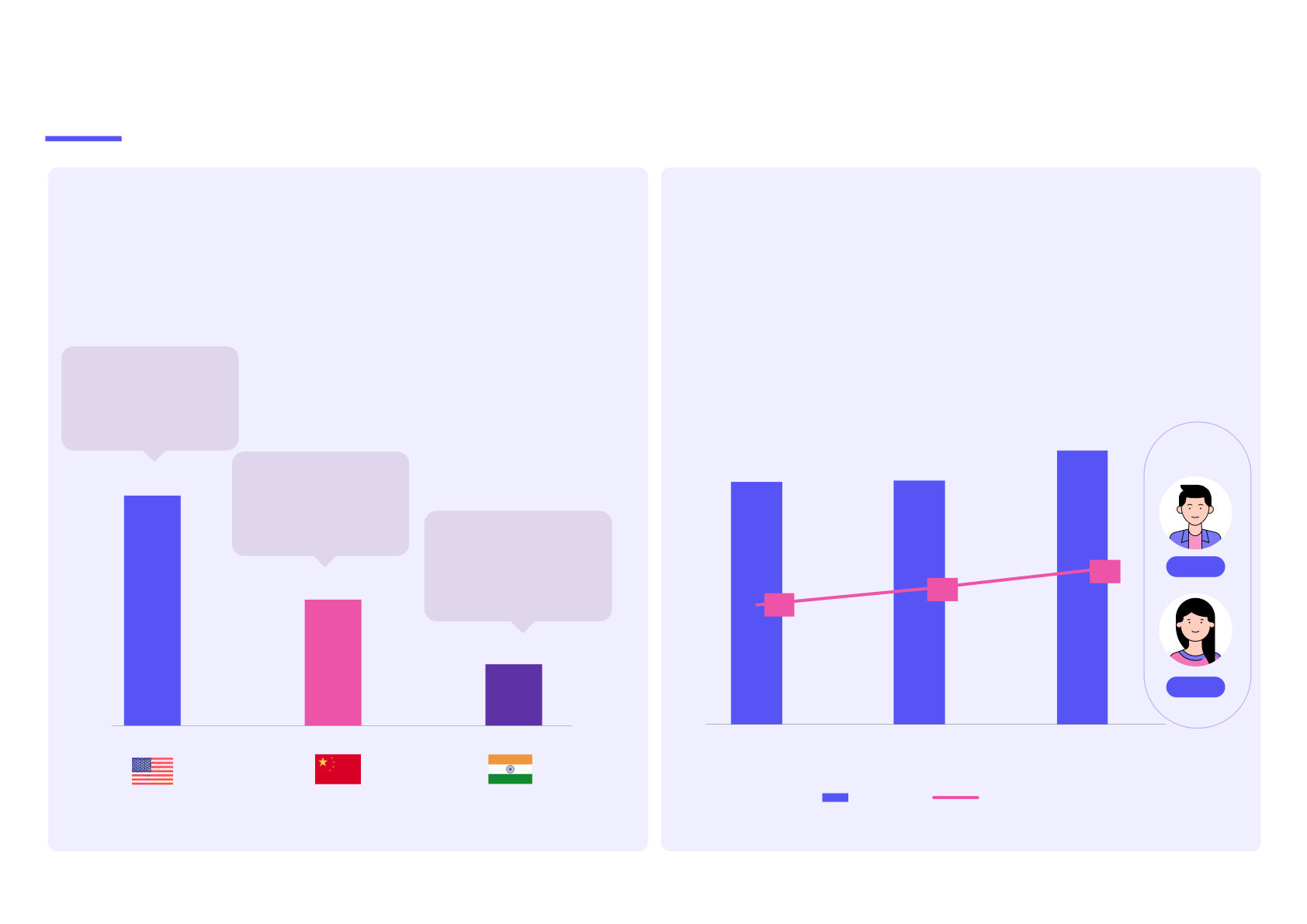
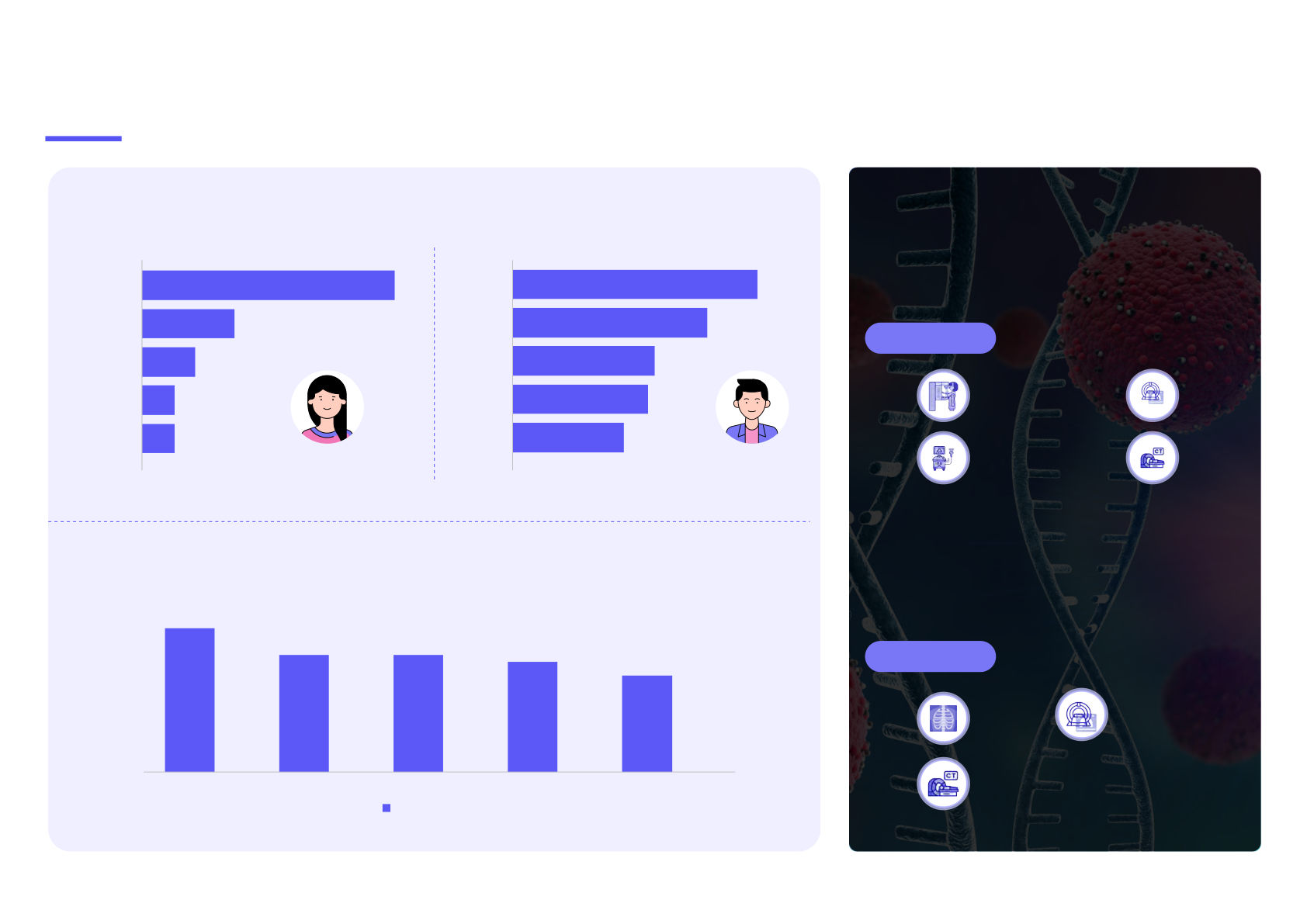
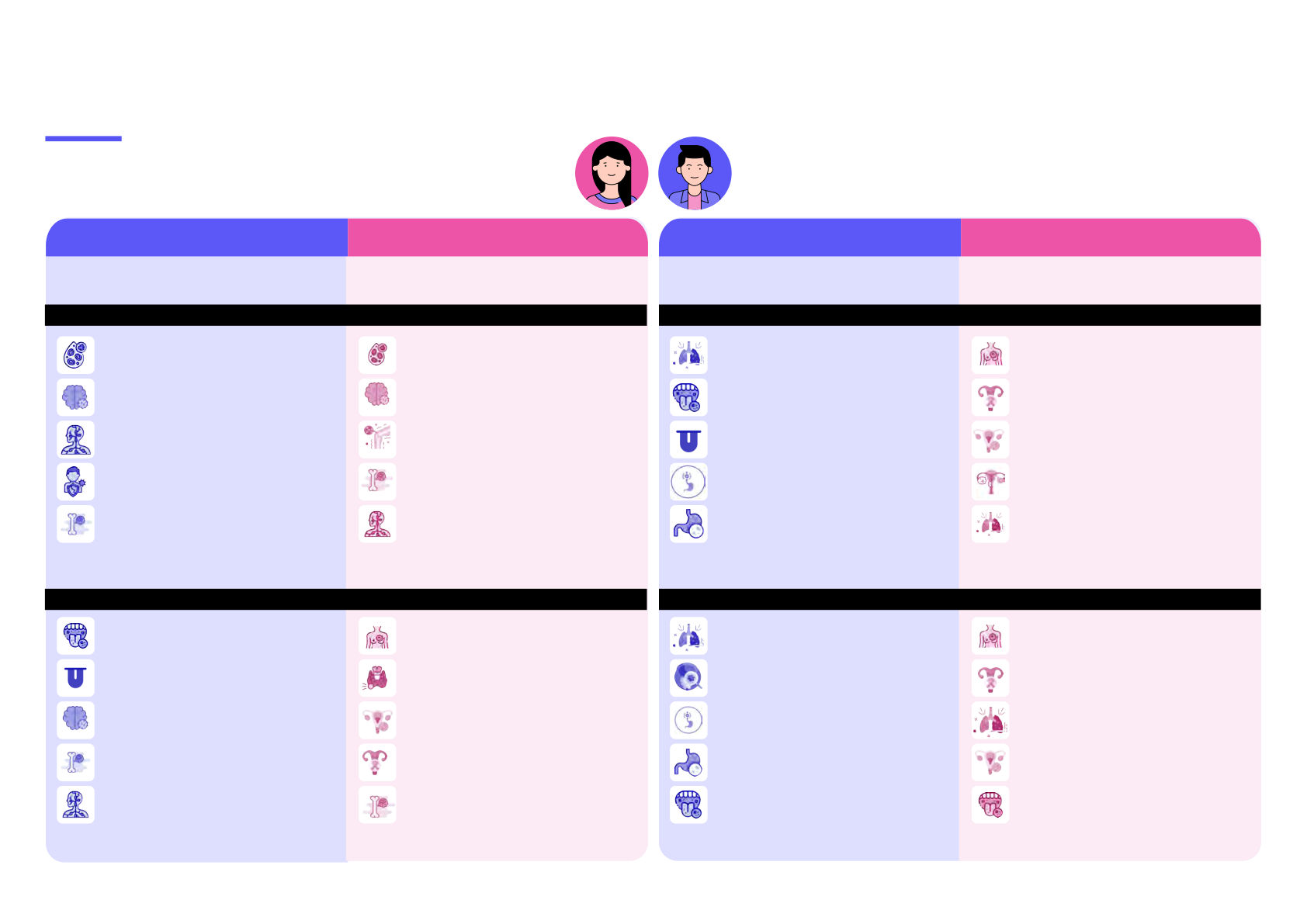
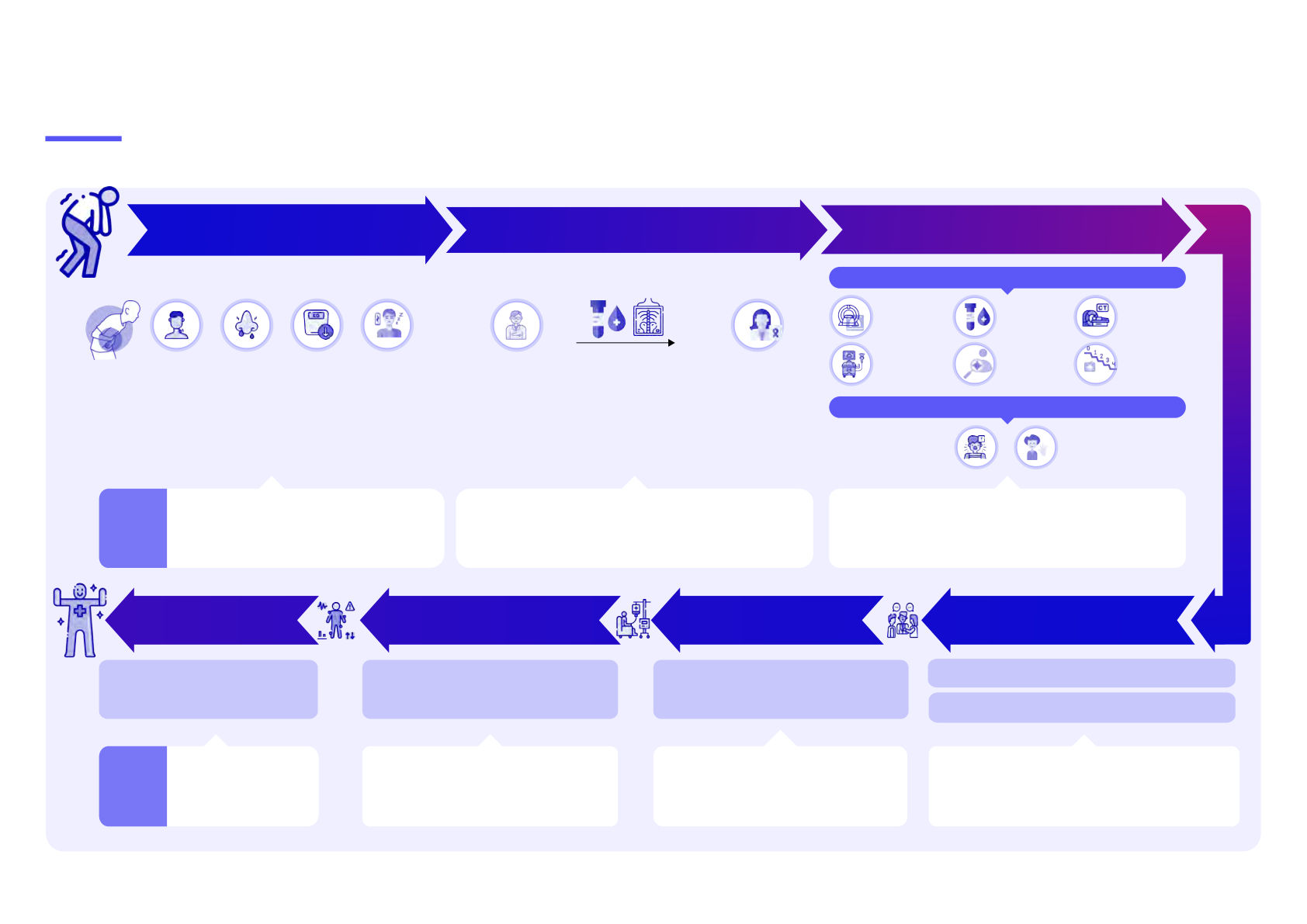
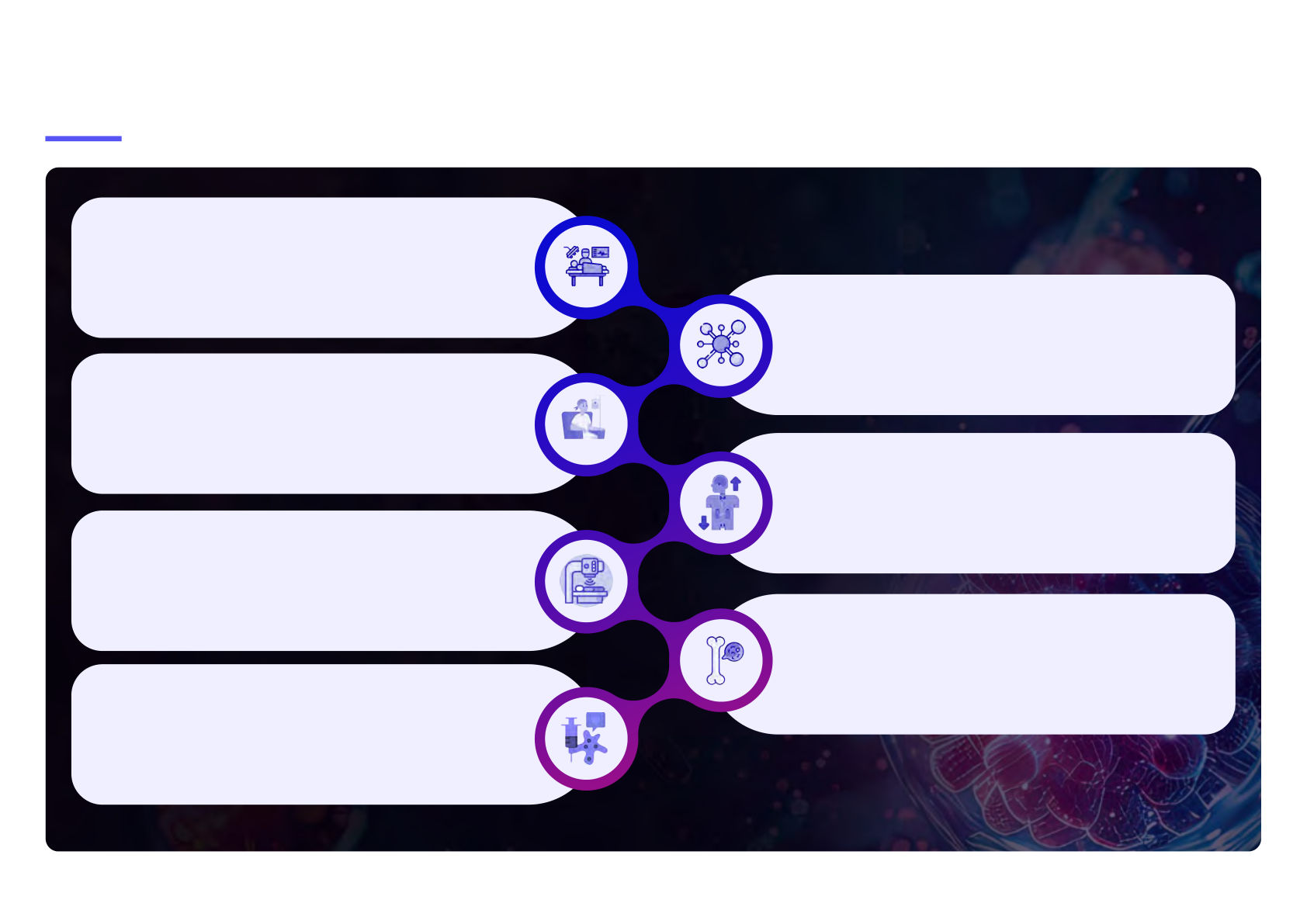
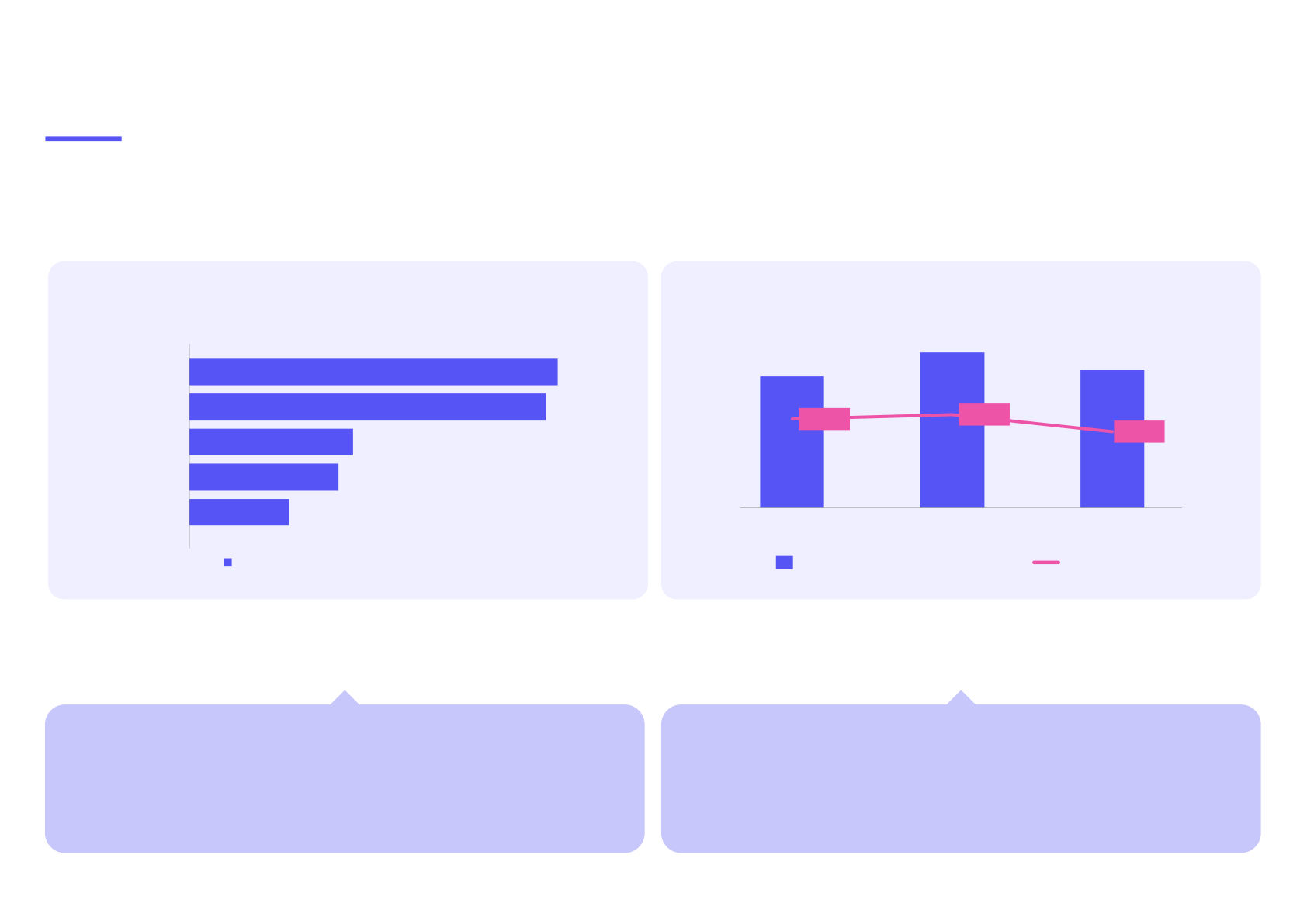
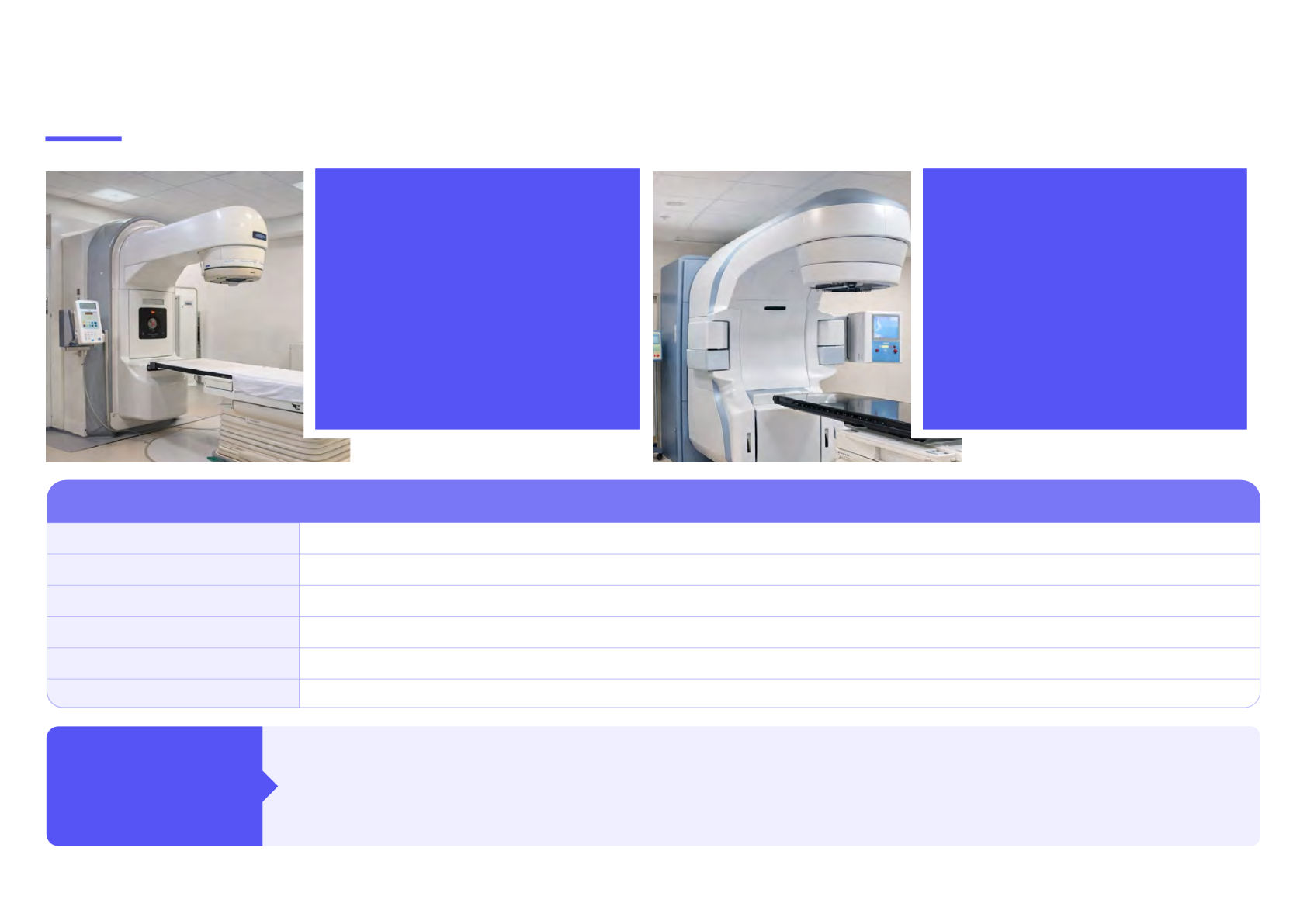
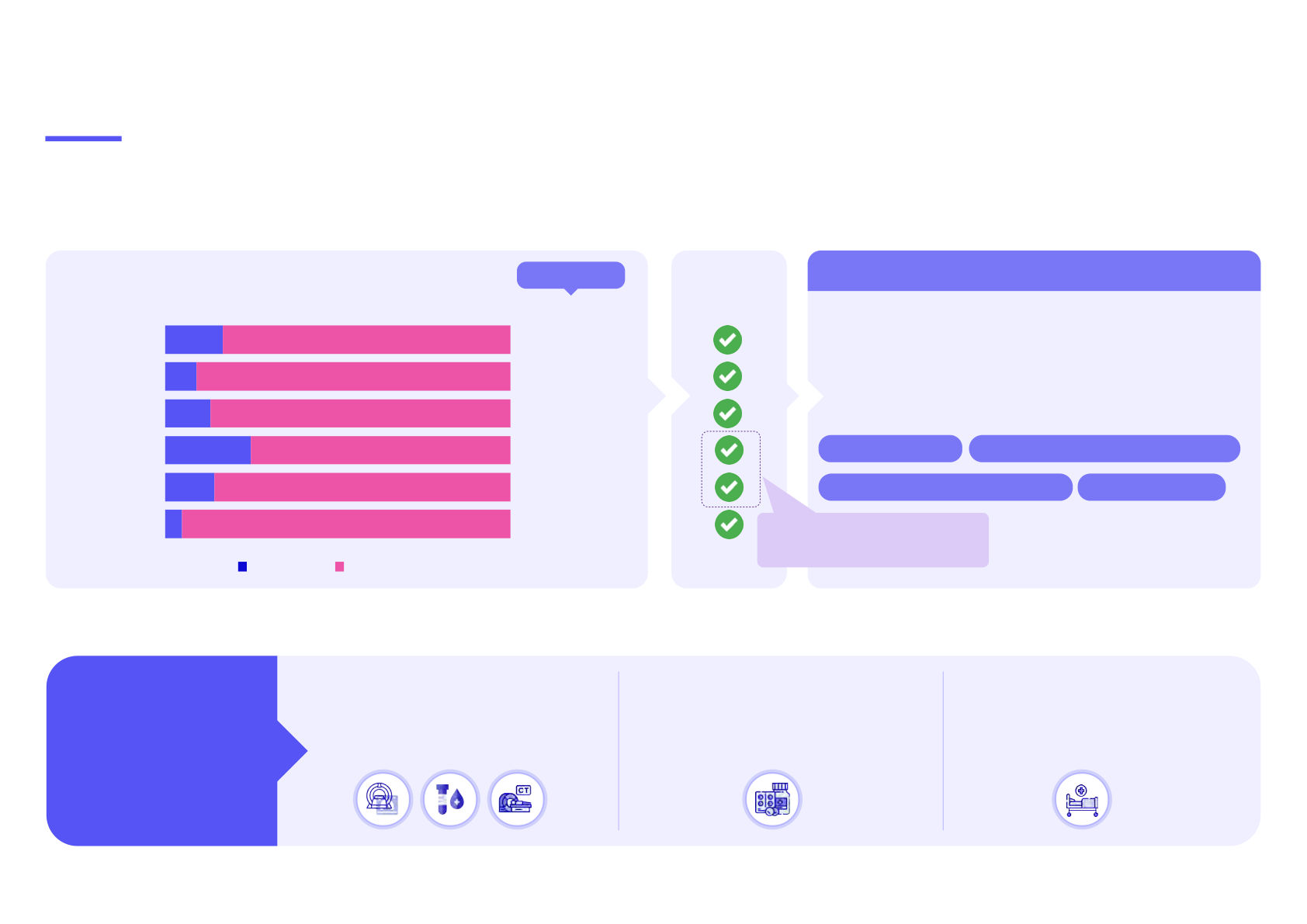
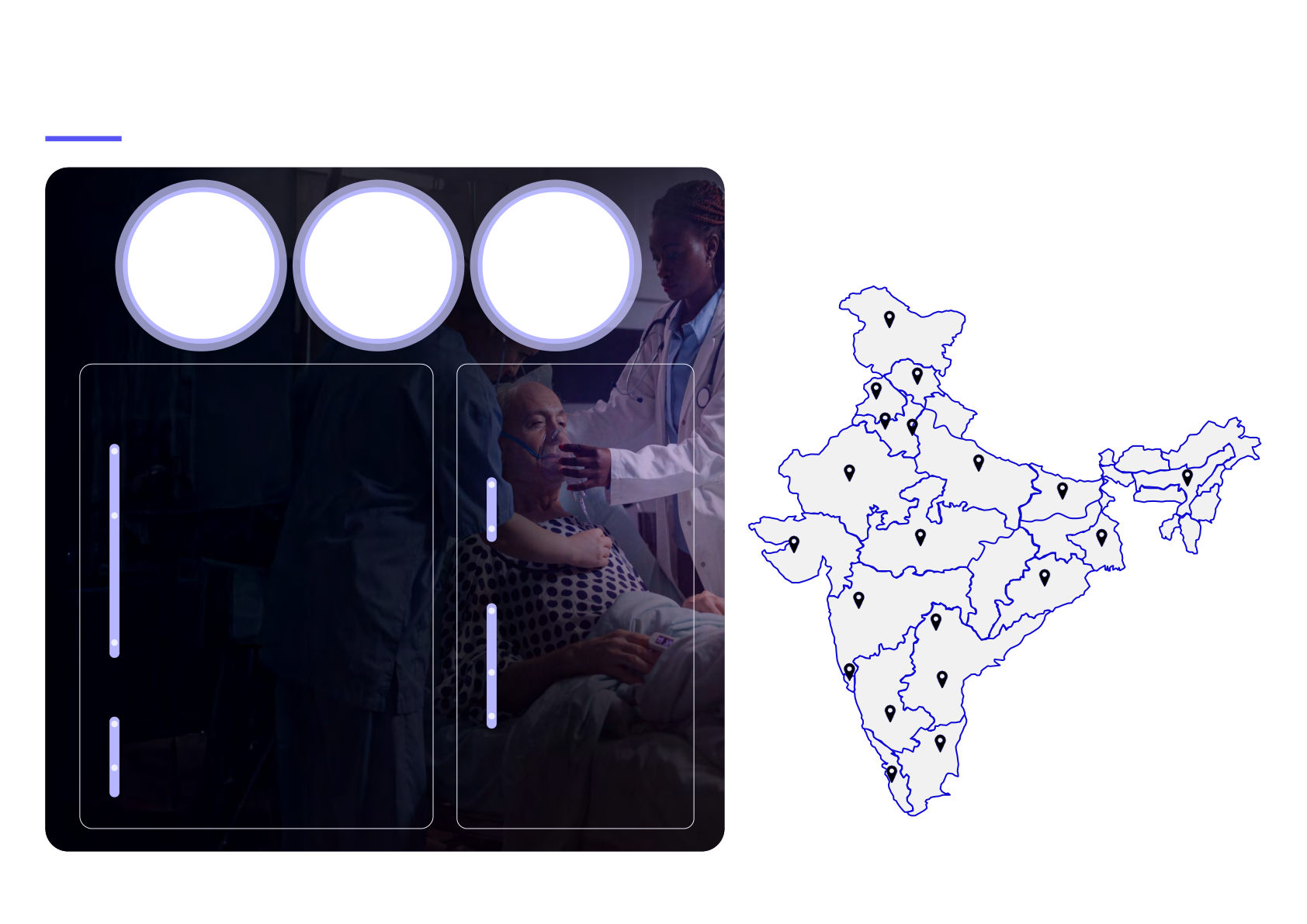
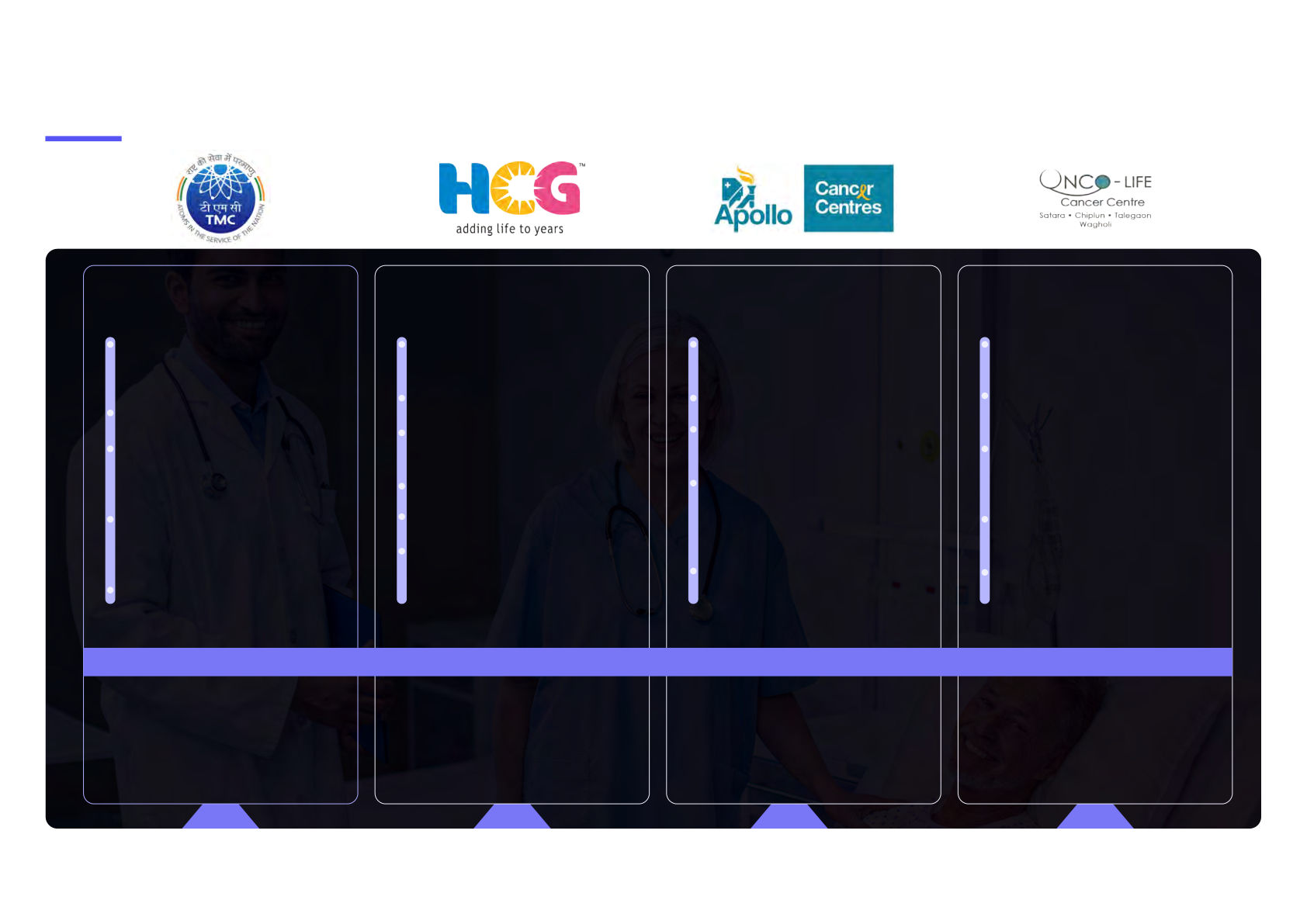
CANCER care IN INDIA Understanding the burden and opportunities across care continuum FEB, 2026 Confidential and proprietary © 1Lattice Foreword Cancer is emerging as one of the most significant healthcare challenges facing India today. Although age-standardized incidence remains lower than in many developed countries, India’s large and ageing population, lifestyle transitions, and persistent gaps in early detection have led to a rapidly rising absolute cancer burden. Most patients continue to be diagnosed at advanced stages, where treatment becomes more complex, outcomes are poorer, and costs rise sharply. At the same time, India’s oncology ecosystem is undergoing an important transformation. Strong policy focus, expanding cancer infrastructure, decentralization of services to district levels, and financial protection under Ayushman Bharat–PMJAY are improving access to care. Advances in diagnostics, radiotherapy, precision oncology, and indigenous technology development are further reshaping how cancer is detected and treated. This report examines India’s cancer landscape through a care-continuum Sanjay Sachdeva lens-from prevention and screening to diagnosis, treatment, and Director, Healthcare survivorship. It connects patient journeys and disease burden with system and Lifesciences readiness, policy evolution, and emerging opportunities across diagnostics, hospitals, MedTech, and pharmaceuticals. A key theme that emerges is the gap between clinical need and system capacity, particularly in early screening, advanced diagnostics, radiotherapy access, and coordinated referral pathways. Addressing these gaps presents significant opportunities to improve patient outcomes while enabling sustainable growth across the oncology ecosystem. We hope this report serves as a strategic reference for policymakers, healthcare providers, investors, and industry stakeholders shaping the next phase of cancer care in India. Product in Spotlight This report has been curated using MedIQ, 1Lattice’s healthcare intelligence platform designed to decode India’s hospital and provider landscape. Powered by structured hospital, doctor, and procedure-level data, MedIQ enables a care-continuum view of India’s oncology ecosystem connecting disease burden with infrastructure readiness, treatment capacity, and market opportunities. By mapping healthcare infrastructure across city tiers and specialties, MedIQ helps identify critical care gaps, capacity constraints, and growth pockets, supporting data-backed decision-making for healthcare providers, policymakers, and industry stakeholders. Executive summary Rising cancer burden in India • India’s cancer incidence is estimated to have increased from 13.8 lakh (2015) to 15.6 lakh (2025), with mortality rising in parallel Leading cancer types & demographic patterns • Breast cancer is the largest contributor to overall incidence and mortality among women • Lung, oral, and stomach cancers dominate male incidence • Childhood cancers are primarily hematologic, led by lymphoid leukemia Cancer patient journey & care gaps • Delays driven by low awareness, stigma , and non-standard referral pathways • Diagnosis slowed by limited access to advanced imaging (PET-CT, molecular tests) • Over 70% of cases diagnosed at advanced stages , reducing survival outcomes Cancer treatment modalities in India • Treatment spans surgery, chemotherapy, radiotherapy, immunotherapy, targeted therapy, and BMT • High treatment costs , especially for immunotherapy/targeted therapy with low insurance coverage • Nearly 60% need radiotherapy, but actual access is only 46–57% Government policies & infrastructure expansion • FY26-27 budget allocated INR 106K Cr to health with major focus on cancer drug affordability and biopharma innovation push • Expansion includes 200+ new day care cancer centres , SCIs , TCCCs , and strengthened district-level services • Ayushman Bharat–PMJAY enables an INR 5 lakh family coverage and expanded insurance for senior citizens Market opportunities • Strong opportunities across Diagnostics, Hospitals, MedTech and Pharma as demand accelerates Introduction India’s cancer burden, defined by rising incidence, high mortality, and economic strain, demands focused analysis to identify care gaps and emerging opportunities What is Why focus cancer burden? on India? Objectives “ Cancer burden ” refers Population Size to the overall impact of India is the world’s most cancer on: of the report populous country, making cancer a major public health challenge Analyze the current cancer Incidence burden in India (incidence, Rising Incidence mortality, trends). Lifestyle changes, urbanization, and aging population are Identify key drivers and driving cancer cases upward challenges in cancer care. Mortality Government support in Healthcare Gaps eliminating cancer Limited infrastructure, late diagnosis, and affordability Explore market opportunities in: Economic costs issues worsen outcomes. • Diagnostics and screening Economic Impact • Oncology drugs and Cancer treatment costs are therapies increasing, creating pressure • Insurance and on families and healthcare telemedicine solutions systems © 1Lattice | Source(s): Secondary research, 1Lattice analysis 05 Incidence and mortality Annual cancer incidence in India increased from 13.8L cases in 2015 to 15.6L cases in 2025, with males accounting for 51.3% of all cases Cancer incidence rates vary across countries, with Cancer has become a major contributor to India’s US and China showing the highest incidence rate, NCD burden, with incidence and mortality rising followed by India steadily over time World-Incidence rate (GLOBOCAN-2022) India-Incidence and mortality (MOHFW-2025) (per L population) (# L) Incidence rate (367.0) is nearly 1.9x the global average 15.6 2025 Incidence (Male and Female) 13.9 13.8 Incidence closely mirrors 367.0 the global average, but its large population drives the highest absolute Half the global average, burden yet 1.4M new cases, underscoring cancer challenge is volume-driven 51.3% 8.7 and likely to intensify with 201.6 7.7 ageing and improved 6.8 diagnosis 98.5 48.7% USA China India 2015 2020 2025 Incidence Mortality © 1Lattice | Source(s): MedIQ, Secondary research, 1Lattice analysis 06 Incidence by sites With incidence of 2.3L cases (FY25) and ~10.7% (FY22) of mortality rate, breast cancer is India’s largest cancer burden; among the males, lung and oral cancer have the highest incidence Breast cancer: The unseen threat Incidence cases by types of cancer (Top 5) (# L, FY25) Breast cancer is the most common cancer among Indian women across age groups, accounting for the largest share of female cancers; rare cases also occur in men Lung Breast 0.8 2.3 Mouth Cervix Uteri 0.9 0.6 Diagnosis Ovary Prostate 0.5 0.5 Mammography MRI Tongue Corpus Uteri 0.4 0.3 Stomach Lung 0.4 0.3 Ultrasonography PET CT Lung Cancer: The silent killer Top 5 leading cancers by death Lung cancer is a leading cause of cancer (%, GLOBOCAN estimates -2022) deaths in India, driven by tobacco and pollution, and diagnosed through imaging and biopsy-based tests 10.7% 8.7% 8.7% 8.2% Diagnosis 7.2% MRI X-Ray PET CT Breast Lip, oral cavity Cervix uteri Lung Oesophagus % of death © 1Lattice | 07 Source(s): Secondary research, 1Lattice analysis Gender & Age - wise distribution India’s cancer incidence reflects a strong age and gender gradient-hematologic cancers dominate childhood, while solid organ cancers prevail in adulthood Males Females Males Females Cases Cases Cases Cases Cancer site Cancer site Cancer site Cancer site (FY25) (FY25) (FY25) (FY25) 0-14 yrs 40-64 yrs Lymphoid leukaemia Lymphoid leukaemia Lung cancer Breast cancer 1,50,894 6,700 3,577 40,174 Brain & nervous Brain & nervous Mouth cancer Cervical cancer 2,841 39,842 56,495 2,102 system system Non-Hodgkin Tongue cancer Ovarian cancer 29,625 1,805 26,819 Bone cancer 1,225 lymphoma 19,464 Cancer of corpus Myeloid leukaemia Oesophageal cancer 19,767 Hodgkin’s disease 1,181 1,626 uteri Non-Hodgkin Stomach cancer 19,069 Lung cancer 15,415 Myeloid leukaemia 1,610 842 lymphoma All cancers 22,903 All cancers 14,735 All cancers 3,66,776 All cancers 4,57,804 65+ yrs 15-39 yrs Breast cancer 27,635 Lung cancer 38,709 Breast cancer 53,685 Mouth cancer 9,688 Thyroid cancer 12,310 Prostate cancer 36,218 Cervical cancer 21,297 Tongue cancer 7,091 Ovarian cancer 7,392 Oesophageal cancer 15,766 Lung cancer 12,676 Brain & nervous system 5,622 Myeloid leukaemia 5,246 Cervical cancer 7,217 Stomach cancer 15,516 Ovarian cancer 12,026 Non-Hodgkin Myeloid leukaemia Mouth cancer 15,086 Mouth cancer 9,738 4,777 3,765 lymphoma All cancers 80,477 All cancers 1,01,216 All cancers 2,95,336 All cancers 2,31,588 © 1Lattice | 08 Source(s): Secondary research, 1Lattice analysis patient journey mapping The cancer patient journey is not a linear medical pathway. It is an emotional, clinical, logistical, and financial journey that spans from first symptom to survivorship or palliation Cancer patient journey mappingnand unmet needs Symptom onset & awareness First medical contact & referral First medical contact & referral Clinical steps MRI Blood test CT Scan General (Referred after Oncology Ultrasound Screening Staging Lump Bleeding Weight loss Fatigue physician investigations) specialist Emotional journey Shock Denial • Low awareness of cancer signs • Non-standard referral pathways • Long TAT for investigations, Limited Unmet • Social stigma & fear of diagnosis • Multiple visits before specialist access access to PET CT, and molecular needs • Limited access to screening • Limited oncology training at primary level diagnostics Survivorship / Monitoring & Treatment planning Active treatment (Multidisciplinary Decision) Recurrence response assessment Tumour board Long-term follow-up Follow-up scans & blood tests Surgery Chemotherapy Recurrence monitoring Response evaluation Radiation therapy Return to daily life Therapy continuation or change Decision on treatment type • Inconsistent availability of MDTs across • Lack of structured • Delayed or infrequent follow-ups • High cost of treatment Unmet hospitals survivorship • Limited real-time response • Inadequate side-effect & needs • Poor communication on outcomes, programs tracking symptom management side effects & costs Source(s): Secondary research, 1Lattice analysis © 1Lattice | 09 Levels of cancer prevention India’s high cancer burden is driven by late-stage diagnoses due to underinvestment in prevention & early screening, despite expanding treatment capacity 70% ~33% 25% Cancer cases in India are diagnosed Cancers in India are caused Cancers are caused by at advanced stages, which critically by tobacco use, with men pathogenic infections such compromises clinical prognosis and being the most affected. as HPV and Hepatitis B/C. patient survival. Reflects gaps in screening High-impact opportunity Largely preventable and early detection for risk-factor control through vaccination Prevention levels Primordial prevention Primary prevention Secondary prevention Tertiary prevention (Upstream risk reduction) (Risk factor control) (Early detection & screening) (Treatment & survivorship care) • Addresses upstream risk • Tobacco cessation reduces • Early detection is decisive : breast • Late-stage therapies extend drivers (pollution, nutrition, lung cancer risk by 30–50% cancer survival falls from >90% survival, not cure , with high occupational exposure) to within 10 years (Stage I) to ~20–25% (Stage IV) toxicity and QoL trade-offs lower lifetime cancer risk at • Without early diagnosis, • HPV vaccination prevents • Screening gap costs lives : scale outcomes plateau and ~90% of cervical cancers cervical and oral cancers are long-term care costs rise • Delivers durable, irreversible detectable early; organized • Hepatitis-B vaccination benefit , but limited screening cuts mortality by dramatically lowers short-term measurability 30–50% , but low coverage in hepatocellular carcinoma leads to underprioritization India erodes survival gains incidence Source(s): MedIQ, Secondary research, 1Lattice analysis © 1Lattice | 10 Types of cancer treatment Cancer treatment has shifted from anatomy-based, broadly toxic therapies to biology-driven, precision-targeted interventions Surgery Surgery removes cancer from the body and is the primary treatment for most solid tumors. Advances include minimally invasive techniques and local methods like cryosurgery (freezing) and laser/photodynamic Targeted & precision medicines therapies , which precisely destroy tumor tissue while Targeted therapy blocks specific molecules that make sparing healthy cells cancer cells grow or spread. These include small molecule inhibitors and monoclonal antibodies , which are central to precision oncology, matching treatments Chemotherapy to tumor biomarkers for higher effectiveness and fewer Chemotherapy uses systemic drugs to kill or stop growth off-target effects of fast-dividing cancer cells throughout the body. Advances include refined drug combinations, timing strategies (before/after surgery), and supportive care Hormone & molecular modulation that boost effectiveness while reducing side effects Hormone therapy slows or blocks hormones that fuel certain cancers like breast and prostate. It’s a form of targeted treatment that interferes with hormonal Radiation therapy signals to control growth, often with long-term disease suppression Radiation uses high-energy rays to damage cancer DNA. Modern techniques like external beam precision targeting, brachytherapy (internal radiation), and systemic radiopharmaceuticals allow higher impact on Stem cell / Bone marrow transplant tumorswith less harm to normal tissue Blood stem cell transplant restores healthy bone-forming cells after very high-dose chemo/radiation, mainly for blood cancers. Allogeneic Immunotherapy transplants can also boost immune attack on residual Immunotherapy helps the immune system recognize and disease through graft-versus-tumor effects destroy cancer from checkpoint inhibitors that unleash immune cells to engineered T-cell therapies that target cancer specifically. This approach is rapidly expanding across many cancer types with ongoing research to reduce resistance © 1Lattice | 11 Source(s): Secondary research, 1Lattice analysis Radiotherapy overview in India Radiotherapy is a key cancer treatment in India, used in ~50–60% of patients for curative, adjuvant, or palliative care—especially in head & neck, breast, cervix, lung, and prostate cancers At present, only about 28.5% of cancer patients in India receive radiotherapy, while the ideal proportion should be 58.4%. Meeting this requirement would need roughly 1,585-2,545 radiotherapy machines. Specifically, for cancers like lung, lymphoma, esophagus, rectum, and breast, an additional 40-60% of patients would need access to radiotherapy compared to current levels Contribution of top 5 cancer types to overall radiotherapy demand Optimal vs. actual radiotherapy utilization (%, FY25) (%, FY25) 94.5% 83.9% 80.0% Head & neck 12.6% Breast 12.2% 56.8% 54.1% 46.2% Lung 5.6% Cervix 5.1% Oesophagus 3.4% Brain Cervix Head & neck % of cancers requiring radiotherapy Optimal radiotherapy utilization rate Actual usage Nearly 60% of cancer patients in India should ideally receive radiotherapy, Radiotherapy utilization remains well below optimal levels across all with just five cancer types driving almost 40% of total demand cancer sites. For brain, cervix, and head & neck cancers, actual rates exceed 40% but still fall short of the recommended 80-95% optimal rates Some cancers have the largest number of patients needing High patient volumes for cancer types such as brain (29,526), radiotherapy in India. Head & Neck (236,240 patients) and Breast cervix (89,138), head & neck (254,997) face critical radiotherapy (238,908 patients) are at the top because they are common and gaps risking delayed treatment and suboptimal outcomes. many patients need RT. This shows where the biggest demand for Essentially, the system is under strain, and capacity constraints machines and treatment lies directly impact patient care quality Source(s): Secondary research, 1Lattice analysis © 1Lattice | 12 LINAC vs cobalt-60 The Ministry of Health and Family Welfare identifies LINACs as a future-ready radiotherapy option due to better outcomes, scalability & lower long-term costs COBALT-60 LINEAR TELETHERAPY ACCELERATORS MACHINES (LINACs) Cobalt-60 units use gamma rays LINACs deliver high-energy X-ray from a radioactive source and are radiotherapy with high precision traditionally used for external beam and can produce both photon radiotherapy, mainly for superficial and electron beams, allowing tumors. They were widely adopted treatment of a wide range of earlier but are now being gradually cancers. They are considered the replaced by LINACs modern standard for external beam radiotherapy Parameter LINACs Cobalt-60 machines Radiation source High-energy X-rays (no radioactive source) Gamma rays from radioactive Cobalt-60 Beam precision High precision; better healthy tissue sparing Lower precision Tumour coverage Suitable for superficial and deep-seated cancers Mainly superficial cancers Dose rate & stability ~600 MU/min, stable over time ~200 R/min, decreases with source decay Operational efficiency Shorter treatment time; higher patient throughput Longer sessions; lower throughput Long-term system cost Higher upfront, lower long-term burden Lower upfront, higher lifecycle costs • SAMEER is India’s only government R&D body developing indigenous medical LINACs , delivering 4-6 MeV systems Indigenous LINAC priced ~25–30% lower than imports , improving access for public cancer centers development in • The 6 MV “SIDDHARTH” LINAC , compliant with WHO and AERB standards , is already operational in government hospitals; ongoing 15 MeV development strengthens long-term radiotherapy self-reliance and complex cancer treatment India (SAMEER) capability Note(s): MU - Monitor Unit, R - Roentgen MeV - Mega Electron Volt, WHO - World Health Organization, AERB - Atomic Energy Regulatory Board © 1Lattice | Source(s): Secondary research, 1Lattice analysis 13 Treatment Cost breakdown Cancer imposes a multidimensional cost burden in India, combining high medical expenses, significant non-medical & income losses, & long-term social impacts Cancer treatment costs in India vary significantly by cancer type and stage, treatment approach, hospital setting, and location, ranging from relatively affordable early-stage care to high costs for advanced or prolonged treatment, highlighting the need for personalized cost planning before therapy begins Covered by Factors affecting range Cost of cancer treatment by type Remarks insurance (Cost range in INR) Cancer Type & Treatment Complexity Bone marrow • Autologous (patient’s own cells, 8L 40L One-time cost transplant cheaper) vs allogenic transplant (donor cells, more expensive Surgery 1L 10L One-time cost • Robotic surgery/ Laparoscopic Radiation 1.5L 10L • Conventional vs IMRT vs Proton therapy Full course therapy Stage of cancer Complexity and co-morbidities Immunotherapy 1.5L 4.5L Single session Targeted 50K 3L Hospital setting and location Type of therapy Per cycle cost therapy Chemotherapy 10K 2L Per cycle cost Only covered in comprehensive plans and targeted therapy is only partially covered Lower range Upper range • Insurances pay only up to 70% costs because of sub-limits, exclusions, and drug restrictions • Many policies cover hospitalization & chemo, but modern drugs and targeted therapies may not be fully covered Pre-procedure tests cost Medicines & post-treatment Daycare cost/ 2-6 days Other factors that affect the INR 15-40K INR 10-50K INR 10-25K cost of cancer treatment in India Note(s): IMRT- Intensity-Modulated Radiation Therapy © 1Lattice | 14 Source(s): Secondary research, 1Lattice analysis Cancer infrastructure India has strengthened cancer care through expanded SCIs/TCCCs, district-level services, and financial coverage under Ayushman Bharat–PMJAY Government strengthening cancer infrastructure (Cancer care centers under 39 372 534 new approved list) SCIs & TCCCs District day care District hospitals Across cancer centers with palliative care 20 states Across Across 18 states 20 states Health coverage under Cancer care Ayushman Bharat –PM-JAY infrastructure: SCIs & TCCCs Coverage: INR 5L per family annually for 19 State Cancer secondary & tertiary care Institutes (SCIs) Recent extension: 20 Tertiary Cancer All senior citizens aged 70+ covered Care Centres (TCCCs) regardless of income Health Benefit Package (HBP): Decentralization 1.9K procedures across 27 specialties, 372 District Day Care including cancer Centres providing Treatment access: achemotherapy Available at 30K empaneled hospitals 534 District Hospitals offering palliative care Other financial support 297 new Day Care State Cancer Institutes (SCI): Cancer Centres Up to INR 120Cr one-time grant approved in 2025-26 Tertiary Cancer Care (union budget Centres (TCCC): announcement) Up to INR 45Cr one-time grant Note(s): SCIs - State Cancer Institutes, TCCCs - Tertiary Care Cancer Centres © 1Lattice | 15 Source(s): Secondary research, 1Lattice analysis Single specialty hospitals infrastructure India’s oncology ecosystem combines public scale, premium technology, network expansion, and regional depth to meet accelerating cancer demand India’s cancer Network scale Proton therapy Oncology leader in care anchor across India leadership Maharashtra Multi-location national India’s first & only proton Largest oncology network 22 oncology centresin 19 network (treats 1.25L therapy centre in Maharashtra cities patients/year) ~1k+ beds ~400+ beds across ~1.5k+ beds ~3.4K beds by FY26 all units First JCI-accredited cancer ~41 LINACs (IMRT, IGRT, VMAT, Proton Therapy (IMPT, pencil hospital PET-CT imaging & nuclear SBRT) with ~60% utilisation beam) at ACTREC -majority medicine units for precise Proton therapy (IMPT) for 19 PET-CT scanners subsidised/free diagnostics and staging complex & paediatric 8 robotic systems, ~98 OTs Robotic surgery expansion cancers. Tomotherapy Tomotherapy installed (~13 robotic OTs) for installed (outside metros) Molecular diagnostics & precision oncology genomics-led precision care Integrated multimodal Multidisciplinary care with AI imaging & diagnostics oncology (PET-CT, MRI, 3 NABH accreditations partnership with GE surgery, etc) HealthCare Advancements • ICICI-funded radiation • Hub-and-spoke expansion • Technology partnership with • Cluster (hub-and-spoke) block (INR 625Cr) beyond metros IBA (Proteus One) expansion within Maharashtra • Large BMT facility (INR • Acquisition of Mahatma • INR 250Cr expansion to add • Screening-led patient 380Cr NSE-funded; 60 beds Gandhi Cancer Hospital, Vizag capacity for ~350+ additional acquisition and strong and ~600 transplants /year) to strengthen regional scale patients/year , funded Ayushman Bharat & state internally insurance empanelment Note(s): LINAC: Linear Accelerator; IMRT: Intensity-Modulated Radiation Therapy; IGRT – Image-Guided Radiation Therapy; VMAT: Volumetric Modulated Arc Therapy; SBRT: Stereotactic Body Radiation Therapy; PET-CT: Positron Emission Tomography–Computed Tomography; JCI: Joint Commission International; IMPT: Intensity-Modulated Proton Therapy; BMT: Bone Marrow Transplant; NABH: National Accreditation Board for Hospitals & Healthcare Providers; IBA: Ion Beam Applications; NSE: National Stock Exchange; ACTREC: Advanced Centre for Treatment, Research and Education in Cancer © 1Lattice | 16 Source(s): Secondary research, 1Lattice analysis Union budget 26-27 FY26-27 union budget allocates INR 106K Cr (+10% YoY) towards healthcare and waives customs on 17 rare cancer drugs expanding access to life-saving treatment Union budget FY26-27: Scaling Indian policies supporting cancer care cancer care & reducing treatment costs Early detection Health budget allocation (FY26-27) Under NPCDCS, cancer screening (oral, breast, The Budget allocates INR 106K Cr to MoHFW (+10% cervical) is delivered through 770 district YoY), marking 194% growth over 12 years, alongside Non-Communicable Diseases (NCD) clinics and INR 4.8K Cr for health research and ICMR receiving 6,410 community clinics provide INR 4K Cr (+27% YoY) nationwide cancer screening Healthcare education & workforce INR 980Cr phased plan to expand allied and healthcare District-level treatment professional training, more MBBS, postgraduate, super- 372 Day Care centres bring chemotherapy specialty, and nursing seats closer, reducing hospital dependence Infrastructure boost (PM-ABHIM) Integrated cancer care Non-Communicable Diseases (NCD) clinics INR 4.7K Cr (+68%) for hospitals, labs, critical care, and cardiac units create a unified chronic and and district health facilities; NHM gets ~INR 39.4K Cr cancer care platform (+6%) for primary care and disease control Advanced oncology access Biopharma & research (Bio Pharma Shakti) 19 State Cancer Institutes + 20 Tertiary INR 10K Cr over 5 years, 3 new National Institutes of Cancer Centres address regional Pharmaceutical Education and Research (NIPERs) + 7 treatment gaps upgrades, 1K clinical trial sites, fostering innovation and skilled manpower Affordability & financial protection Cancer & rare disease relief Ayushman Bharat HMCFP (up to INR 5L) and Full customs duty exemption on 17 life-saving cancer 287-member National Cancer Grid covers 60%+ drugs; 7 more rare diseases added, reducing of cancer patients treatment costs and financial burden Note(s): NPCDCS: National Programme for Prevention and Control of Cancer, Diabetes, Cardiovascular Diseases and Stroke, MoHFW: Ministry of Health and Family Welfare, PM-ABHIM: Pradhan Mantri Ayushman Bharat Health Infrastructure Mission, NHM: National Health Mission, NIPERs: National Institutes of Pharmaceutical Education and Research, HMCPF: Health Minister’s Cancer Patient Fund, ICMR: Indian Council of Medical Research Source(s): Secondary research, 1Lattice analysis © 1Lattice | 17 Advancements in cancer research India is rapidly advancing cancer research and treatment through indigenous innovations like CAR-T therapy, quad cancer moonshot, and expansion of ACTREC Advancing cancer research and treatment India’s first indigenous CAR-T cell Quad cancer Expansion of therapy: Nexcar19 –A break- moonshot initiative ACTREC through in cancer treatment • US, Australia, India, and Japan • ACTREC (Tata Memorial Centre collaborate to end preventable arm) is expanding to accelerate • India has successfully developed CD19-directed cancers , starting with cervical clinical breakthroughs and CAR T-cell therapy which is effective against a cancer, through screening and strengthen cancer treatment, type of blood cancer called B Acute vaccination programs research, and patient care. Lymphoblastic Leukemia (B-ALL), and • Promotes research and global • State-of-the-art therapeutic and B-Non-Hodgkin Lymphoma (B-NHL). collaboration for early research facilities will enhance • This cutting-edge innovation offers a highly detection, effective treatment, advanced oncology capabilities effective, next-generation treatment for blood and improved survival rates and reinforce India’s leadership in cancer s, bringing hope to thousands of patients biotechnology innovation Key highlights 40M vaccine doses 60% US$ 7.5M Nearly 60% cancer India has committed to supplying 40M India announced US$ 7.5M for patients treated free or at vaccine doses of cervical cancer cancer testing and diagnostics nominal cost at Tata through GAVI and quad programs to Memorial Centre Indo-Pacific countries Note(s): CAR-T: Chimeric Antigen Receptor T-cell, ACTREC: Advanced Centre for Treatment, Research and Education in Cancer, GAVI: Global Alliance for Vaccines and Immunization © 1Lattice | 18 Source(s): Secondary research, 1Lattice analysis Implications for healthcare stakeholders Government cancer priorities are translating into clear, system-wide implications across hospitals, diagnostics, drugs, and MedTech Hospitals & cancer centers Expand infrastructure: 200 Day Care Cancer Centres by 2025–26; Strengthen SCIs & TCCCs; Integrate with NPCDCS referral, screening, Implications treatment; Build oncology workforce System-wide capacity expansion enabling Diagnostics & imaging decentralized cancer care, Mandatory screening (oral, breast, cervical); reduced tertiary burden, and Delivered via HWCs & Ayushman Bharat; faster patient throughput Referral-driven demand from HWCs; Diagnostics as core early detection pillar Government-led screening programs drive sustained demand for imaging and Pharma & oncology drugs pathology services Customs duty exemption for lifesaving cancer medicines-; PM-JAY covers chemotherapy & Improved affordability and oncology drugs; Focus on affordable oncology availability of advanced drugs; Integration into national cancer programs therapies , supporting faster market access and export competitiveness Medtech, policymakers & investors INR 900 Cr budget allocation (2025–26); 200 Day Strong government backing Care Cancer Centres planned, 18 operational; Clear enables predictable, longterm policy frameworks via NPCDCS & PM-JAY; Public investment in cancer care procurement drives demand for devices infrastructure Note(s): NPCDCS - National Programme for Prevention and Control of Cancer, Diabetes, Cardiovascular Diseases and Stroke, NHM - National Health Mission,, PM-JAY - Pradhan Mantri Jan Arogya Yojana © 1Lattice | 19 Source(s): Secondary research, 1Lattice analysis Market opportunities Diagnostics India's diagnostic oncology sector presents growth through innovative screening, infrastructure expansion in underserved areas, and community awareness Key unconventional players Emerging opportunities in India’s oncology market Diagnostics Opportunities • Provides technology-driven solutions for the Early detection & screening demand early detection, diagnosis, and management • Rising incidence and late-stage diagnosis are driving of cancer demand for large-scale cancer screening • Reliance recently acquired Karkinosfor INR • Strong need for affordable, high-throughput diagnostics 375Cr to strengthen oncology presence and across breast, cervical, and oral cancers scale technology-driven and cost-efficient cancer networks • Significant headroom in non-metro and underserved regions Precision & advanced cancer diagnostics • Increasing adoption of targeted therapies is boosting demand for molecular, genomic, and companion • Offers genomic tests that predict the risk of diagnostics recurrence in breast cancer patients, enabling • Growth in advanced imaging (CT, MRI, PET-CT) and tailored therapies AI-assisted interpretation • Liquid biopsies enable treatment monitoring and recurrence detection • Leverages next-generation sequencing Enabling role of government technologies to provide advanced diagnostic & ecosystem support tools that enhance cancer detection • Government-led cancer screening programs increase early detection, patient inflow, and diagnostic volumes (oral, breast, cervical cancers) • PPP models and national digital health initiatives enable private diagnostics to scale across public • Provides advanced genomic testing and hospitals and underserved regions AI-driven insights to enable personalized cancer treatment, particularly in solid tumors Note(s)- PPP- Public-private partnerships © 1Lattice | 20 Source(s): Secondary research, 1Lattice analysis Companion diagnostics Companion diagnostics enable precision cancer care but remain under-penetrated in India due to access and affordability barriers Companion Why Current Strategic implications diagnostics companion gaps and diagnostics? challenges Companion diagnostic (CDx) tests are used alongside specific therapies to identify Improves clinical Limited testing access patients most likely to benefit outcomes Molecular diagnostics Hospitals from targeted treatments or Ensures the right patient concentrated in metros Need for integrated immunotherapies and to receives the right therapy and large private hospitals testing-treatment assess potential safety risk. at the right time workflows For instance, High cost & Reduces unnecessary affordability issues Tests for treatment costs Out-of-pocket testing breast cancer Avoids use of high-cost limits uptake, especially • HER2 tests targeted therapies in in Tier 2/3 cities. • Therascreen non-responders Fragmented testing pathways Pharma PIK3CA RGQ PCR Enables adoption of Lack of standardized testing Critical for therapy • FoundationOne advanced therapies algorithms and referral uptake and market CDx pathways. access CDxis essential for scaling Tests for targeted therapy and Turnaround time & lung cancer immuno-oncology in India quality variability • EGFR, ALK, ROS1 Inconsistent lab quality Addresses heterogeneity • Oncomine Dx affects treatment timelines in cancer biology Target Test Diagnostics Low awareness & adoption • xTCDx High genetic and clinical Opportunity in variability across Indian Uneven clinician and • VENTANA MET decentralized, cost-efficient patients makes biomarker patient awareness outside (SP44) molecular testing tertiary centers RxDxAssay Source(s): Secondary research, 1Lattice analysis © 1Lattice | 21 Market opportunities in Hospital sector India's oncology treatment sector grows through specialized hospitals, hub-spoke care model, and Make in India equipment incentives Key players Emerging opportunities in India’s oncology market Hospital Opportunities Single-Specialty cancer hospitals • Global best practices highlights the need for single-specialty hospitals • A specialized chain of hospitals dedicated to cancer care dedicated to cancer care with multiple • Single-specialty cancer hospitals enhance care by concentrating centers across India, offering oncology expertise, disease-specific teams, and standardized treatment advanced technologies like CyberKnife pathways, while improving efficiency through focused infrastructure, and TrueBeam streamlined workflows, and higher asset utilization Hub-and-Spoke model for comprehensive care • The “hub” should be a state-of-the-art comprehensive cancer care facility, incorporating radiology, medical, surgical, and diagnostic oncology services, and equipped with high-end diagnostic tools • A leading single-specialty oncology • The “spokes” can be smaller, district-based daycare centers offering facility equipped to handle all aspects screenings, lab tests, biopsies, and basic diagnostic services of cancer treatment, including prevention and rehabilitation • This model allows for extensive reach, making cancer care more accessible while ensuring effective resource utilization, as demonstrated by HCG Oncology’s Bangalore hub and its Tier 2/3 city centers Day-Care Oncology services • Day-care oncology enables high-volume chemotherapy delivery, improving patient convenience while reducing inpatient burden and treatment costs • The largest chain of oncology hospitals in Maharashtra, providing personalized • Hospitals like Manipal and CK Birla leverage day-care oncology to cancer diagnostics and treatments boost chemotherapy volumes, improve patient experience, and optimize inpatient bed capacity © 1Lattice | 22 Source(s): Secondary research, 1Lattice analysis Market opportunities MedTech India oncology MedTech opportunities span across local manufacturing, radiotherapy platforms, personalized treatment, and expanding portable diagnostics Key players Emerging opportunities in India’s oncology market MedTech Opportunities Local manufacturing ecosystem & MedTech parks • The Make in India initiative, supported by the government’s Production-Linked • Specializes in advanced radiotherapy Incentive (PLI) scheme, presents an attractive business opportunity in the platforms including TrueBeam and oncology space adaptive therapy solutions for precise • The Government of India’s “Promotion of Medical Device Parks” scheme will and personalized cancer treatment provide common testing and laboratory facilities at a single location, enabling shared infrastructure and significantly reducing manufacturing cost. MPIDC has allocated land at the Ujjain Medical Devices Park to 36 MedTech companies, including Sheba Industries, Clinisupplies, and SPM Medicare Next-gen radiotherapy and personalized treatment platforms • A global leader in radiotherapy and • The radiotherapy market is shifting from cobalt to IGRT, SBRT, and radiosurgery systems, offering AI-guided systems, driving demand for advanced LINACs with IGRT/SBRT advanced solutions such as linear from Varian, Elekta, and Accuray accelerators and treatment planning software • Adaptive planning software such as Varian’s Eclipse, Elekta’s Monaco, and RaySearch’s RayStation enables personalized dosing and improved tumor targeting Portable & mobile oncology diagnostics • Mobile diagnostic platforms and portable imaging systems are increasing access, complementing screenings outside established healthcare facilities • Specializes in robotic radiosurgery and • Adoption of compact PET-CT, mammography, and ultrasound units in tier-2 precision radiotherapy systems such and tier-3 cities reflects demand for decentralized oncology diagnostics as CyberKnife, enabling high-accuracy tumor targeting with minimal invasiveness Note(s): LINACs - Linear Accelerators, IGRT - Image-Guided Radiation Therapy, SBRT - Stereotactic Body Radiation Therapy © 1Lattice | 23 Source(s): Secondary research, 1Lattice analysis Market opportunities in Pharma sector India’s oncology market is shifting to biologics, biosimilars, and high-potency APIs, enabling precision therapies and CDMO-led manufacturing Key players Emerging opportunities in India’s oncology market Pharma opportunities Shift toward complex & precision oncology therapies • Rapid move from generics to biologics, biosimilars, targeted therapies • India’s largest pharma with extensive • Growth of precision and personalized medicine requiring customized, oncology generics, targeted therapies, small-batch manufacturing and immuno-oncology expansion potential • Rising complexity (example: Antibody drug conjugate, high-potency drugs) increasing demand for specialized CDMO capabilities Digitalisation & global supply chain integration • AI-driven process optimization and digital quality systems improving efficiency, yield, and regulatory compliance across oncology manufacturing • Strong in oncology biosimilars and • End-to-end digital traceability, including blockchain-enabled supply chains, injectable biologics, partnering ensuring product integrity for biologics, and ADCs (Antibody Drug Conjugates) globally to scale advanced cancer • Multi-site, globally compliant manufacturing networks (US-EU-Asia) enabling treatments scalable production, faster tech transfer, and resilient oncology drug supply Global manufacturing scale with sustainable & outsourced models • Rising outsourcing by innovation-led biotech firms lacking in-house oncology manufacturing • Oncology CDMOs are majorly focused on reducing • Oncology-focused pharma company with waste, energy-efficient facilities, greener drug production a strong portfolio of complex generics and process, sustainable packaging and more specialty products, particularly in oral • optimize inpatient bed capacity solid and limited-competition oncology therapies Note(s): API: Active Pharmaceutical Ingredients CDMO - Contract Development and Manufacturing Organization © 1Lattice | 24 Source(s): Secondary research, 1Lattice analysis Recent development in pharma Biosimilars, immuno-oncology, and global partnerships drive Indian pharma to innovate, expand globally and move beyond traditional generics • Acquisition of Checkpoint • Dr. Reddy’s is partnering with Alvotech to • Biocon announced plans to Therapeutics (U.S.) in 2025 for US$ develop a Keytruda (pembrolizumab) expand its oncology portfolio 355M strategic purchase to bolster biosimilar , tapping into a multibillion-dollar with proposed biosimilars of India its oncology & immunotherapy global oncology immunotherapy Herceptin HYLECTA portfolio , including an market(2025) (trastuzumab/hyaluronidase) FDA-approved checkpoint inhibitor and two checkpoint inhibitors • Licensing & launch of Toripalimab (Zytorvi, ( Unloxcyt/ cosibelimab) (nivolumab, pembrolizumab), a PD-1 immuno-oncology therapy licensed targeting major markets and • Fibromun Licensing (2024): from Shanghai Junshi Biosciences; first of its price-sensitive demand Licensing deal with Philogen class launched in India for certain cancer (anti-cancer peptide) types (2024) • First Pfizer–Cipla India • Novartis received CDSCO panel • Roche partnered with 10 partnership: Cipla gets approval to conduct a Phase “IIIb” government hospitals under the Global exclusive rights to market and study of Asciminib for chronic “AIR programme” to expand India’s distribute four Pfizer brands myeloid leukemia in India oncology clinical trial capacity such as Corex Dx, Corex LS, • Novartis is expanding India’s role in • Roche gained approval for Dolonex, and Neksium while global late-stage oncology subcutaneous Atezolizumab Pfizer continues developmentand complex (Tecentriq) in India, with a phase IV manufacturing and supply molecule analytics study requirement Note(s): USFDA - United States Food and Drug Administration, PD-1 - Programmed Death-1 (a checkpoint protein targeted in immuno-oncology), HER2+ - Human Epidermal Growth Factor Receptor 2 Positive, AIR: Advanced Inclusive Research Source(s): Secondary research, 1Lattice analysis © 1Lattice | 25 Our solution MedIQ by 1Lattice revolutionizes the way healthcare professionals and organizations understand the hospitals landscape in India Indian Competitive MedIQ offerings Landscape Mapping of hospitals, number of beds and OTs Surgical specialty • >2000 medium & large hospitals mapped from and subspecialty the top 65 cities of India • City selection based on market potential value & population Hospital size Medium / Large Count of surgeries and surgeons by specialty and sub-specialties • Specializing in oncology surgeries including head Hospital type & neck, mastectomy, colectomy, prostatectomy, Standalone / Regional and lobectomy, with broader expertise spanning / National 13 major specialties and ~60 sub-specialties • City tier Surgical consumables by value Metro / Tier 1/ Tier 2+ • List of consumables & equipment as per surgery • Surgical consumables by value across hospitals Ownership Private / Public Detailed database of doctors Location detail • List of surgeons across all 65 cities Website, address, • Surgeon details, avg. fee per visit, location of contact details, geo consultation, etc. locations, etc. Medium hospitals (100-250 beds), large hospitals (>250 beds) © 1Lattice | 26 What We Do Making organizations effective through data-driven insights, innovative products solutions Vision and proven expertise to enable better decisions 4 200+ Offices in Annual To provide technology led solutions that unlock India engagements Mission that power of trustable data, actionable research, and deep network of experts 130+ 50+ Team Inhouse members research team Technology 1,000+ 2M+ On-ground staff B2C Panel People/ Professionals/ Data + Accumulated knowledge Service providers 300K+ 100K+ B2B Panel Experts & professionals 20% 100% Cost savings Controlled output & timeline Research We are here for you Let us know how we can meet your business requirement? Sanjay Sachdeva Pooja Sanger Director, Healthcare and Lifesciences Project Manager, Healthcare and Lifesciences E: sachdeva.sanjay@1lattice.com E: pooja.sanger@1lattice.com For media queries, Corporate Communications E: communications@1lattice.com please contact www.1lattice.com Disclaimer: This material has been prepared by 1Lattice, which is the trade name of Lattice Technologies Private Limited (“1Lattice”, “we” or “our”) with the intent to showcase our capability and disseminate learnings to potential partners/clients. This material can be referred to by the readers on the internet but should be referenced to 1Lattice, if reused or adapted in any form, or medium and on any forum. The frameworks, approaches, tools, analysis and opinions are solely 1Lattice’s intellectual property and are a combination of the collection of the best data we could find publicly, and the 1Lattice team’s own experiences and observations. Any information provided herein is only for informational purposes and you are advised to perform an independent analysis of the same before making any decision based on such information. The information does not constitute any business advice or guidance and is to be construed as a general summary based upon the publicly available information and our interpretation of the same using our resources. For this material, we may have relied upon different sources of information which may be primary sources, publicly available information, and relevant information available with us. We make no representation or warranty, expressed or implied, that such information is accurate or complete, and nothing contained here can be construed as definitive predictions or forecasts. Before reading further, the Recipient expressly agrees that this might not address any and all risks and challenges facing the Recipient, its business, and the markets within which it operates, nor all possible market conditions. Any use of the information provided herein by the viewer shall be at the sole risk of the viewer and 1Lattice or its business partners, affiliates, agents, officers or employees shall not be liable for any unintended or adverse effect or outcome from the use of such information by the reader. 1Lattice does not have any duty to update or supplement any information in this document. 1Lattice shall not be responsible for any business or commercial loss sustained by any person who relies on any information provided herein. Any and all logos of companies used in the information provided herein have been published for information purposes only and 1Lattice does not hold any liability in connection therewith. +91 981 802 7595 sachdeva.sanjay@1lattice.com Delhi NCR | Mumbai | Bengaluru | UAE | KSA | Singapore