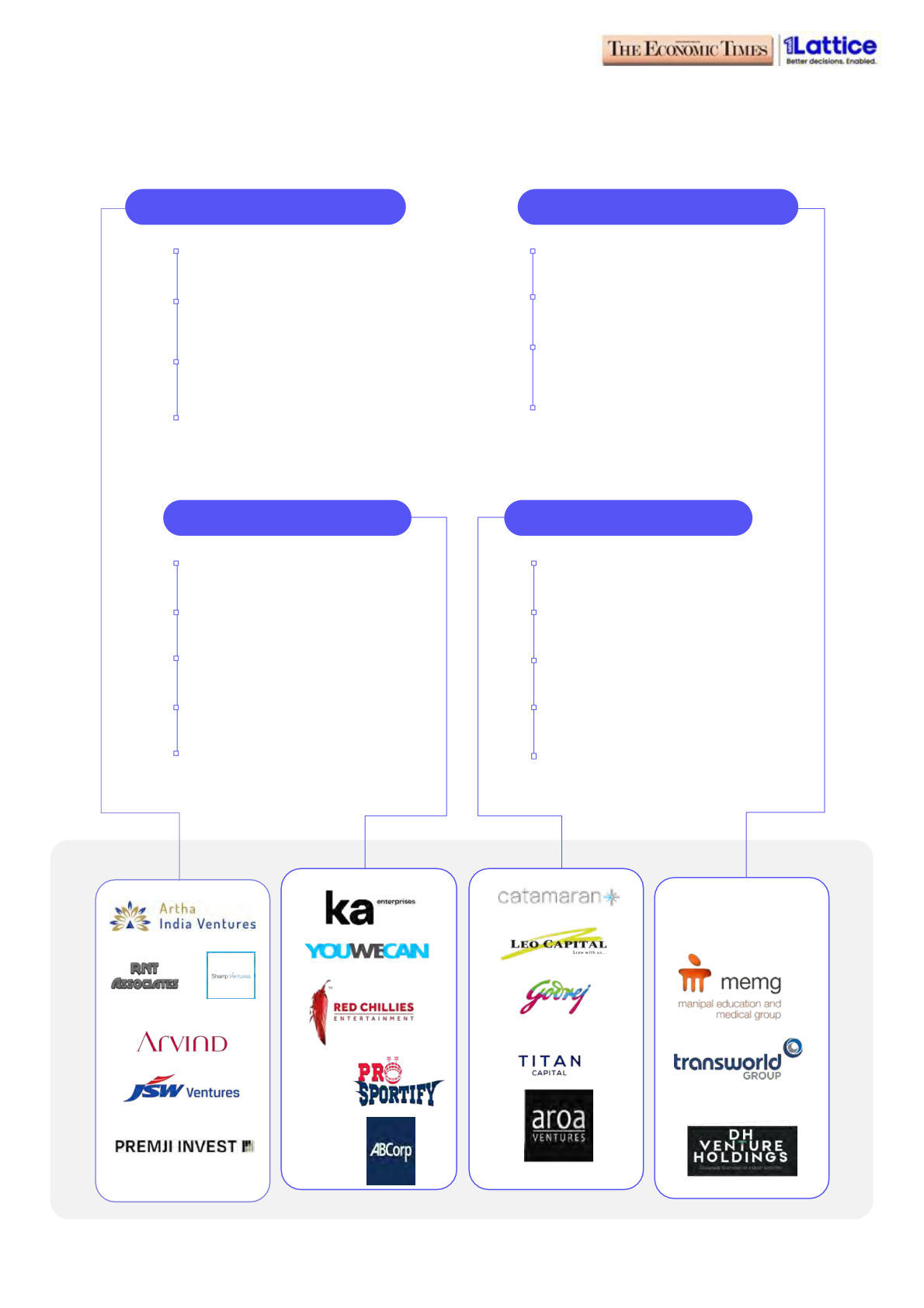
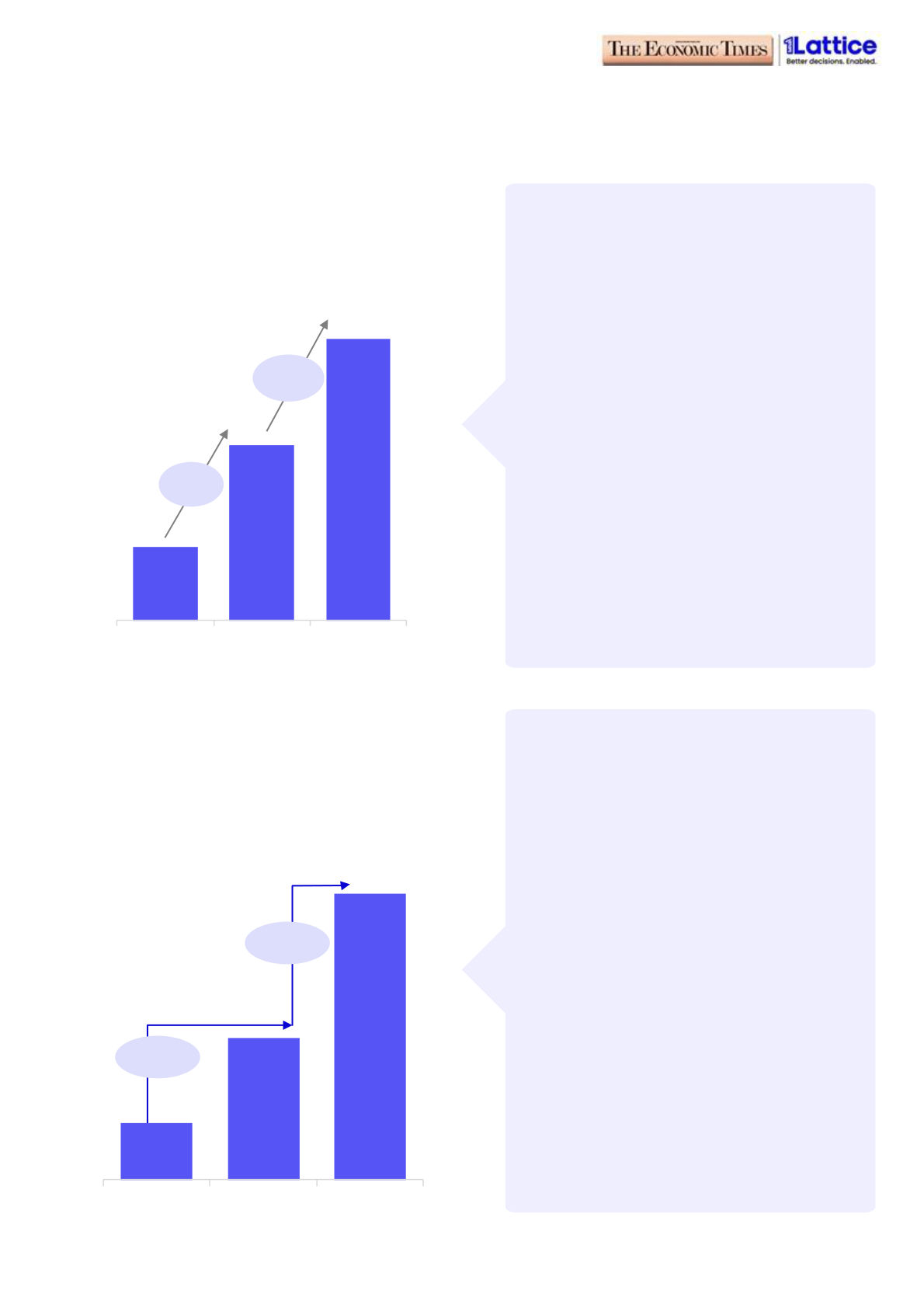
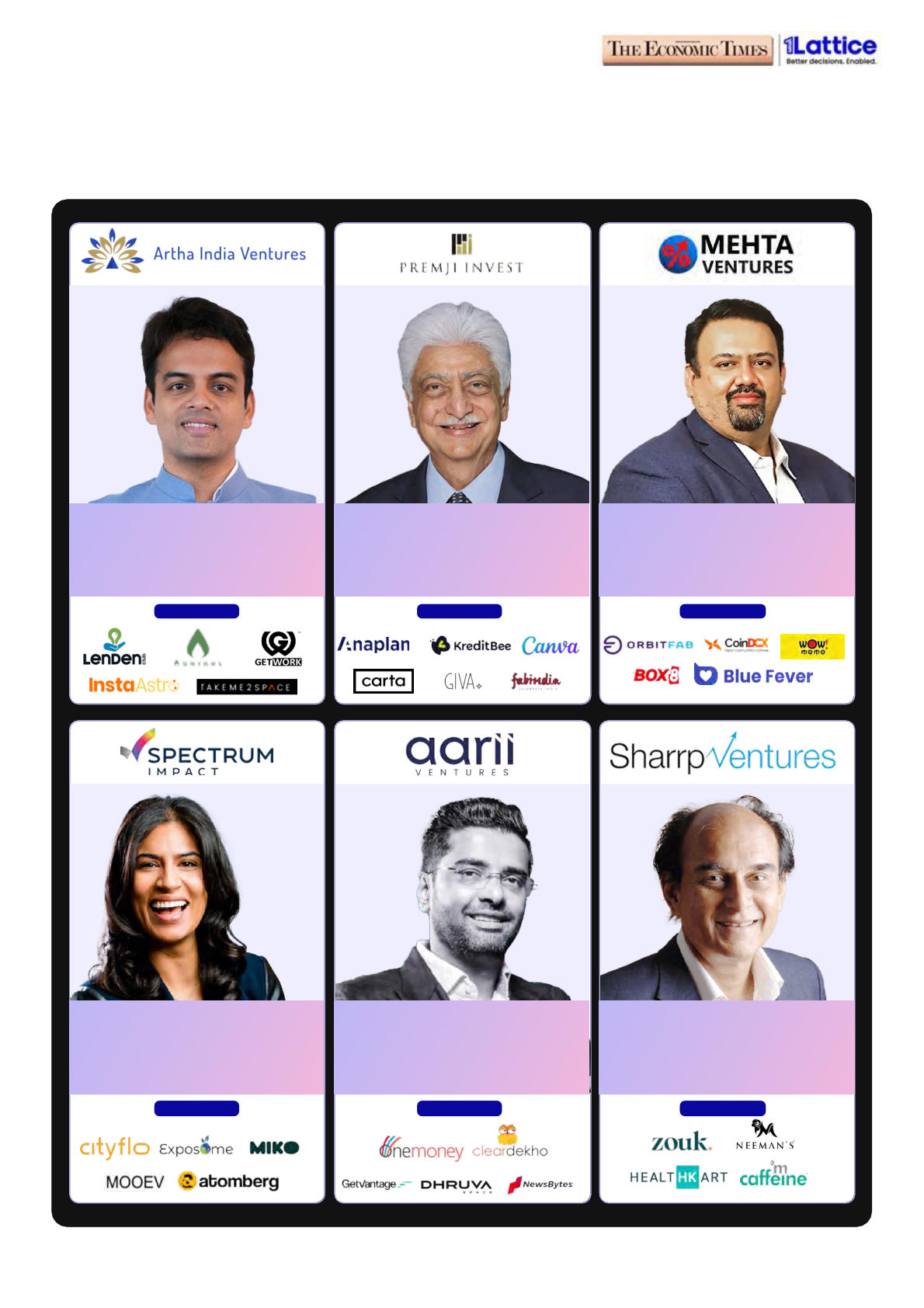
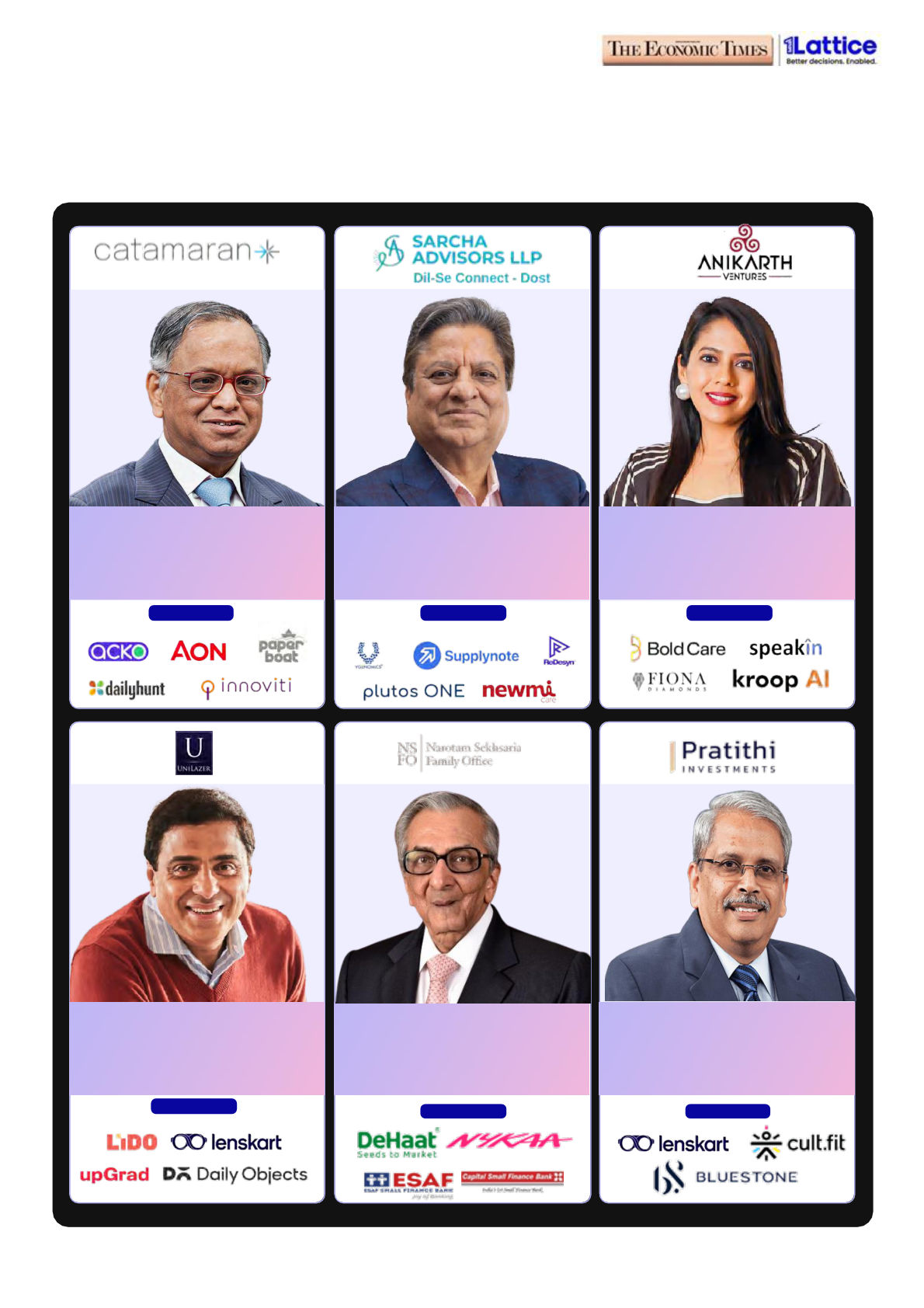
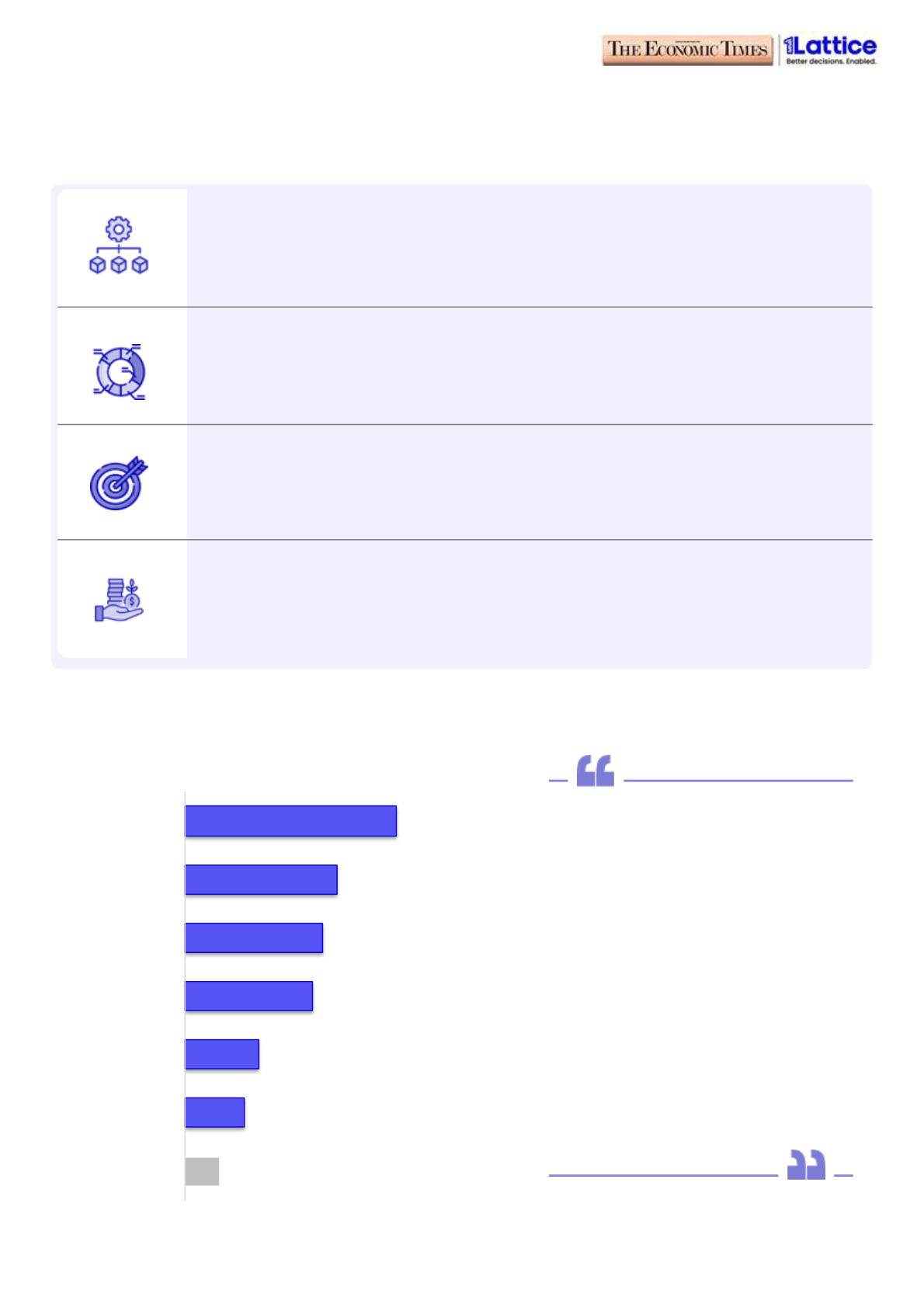
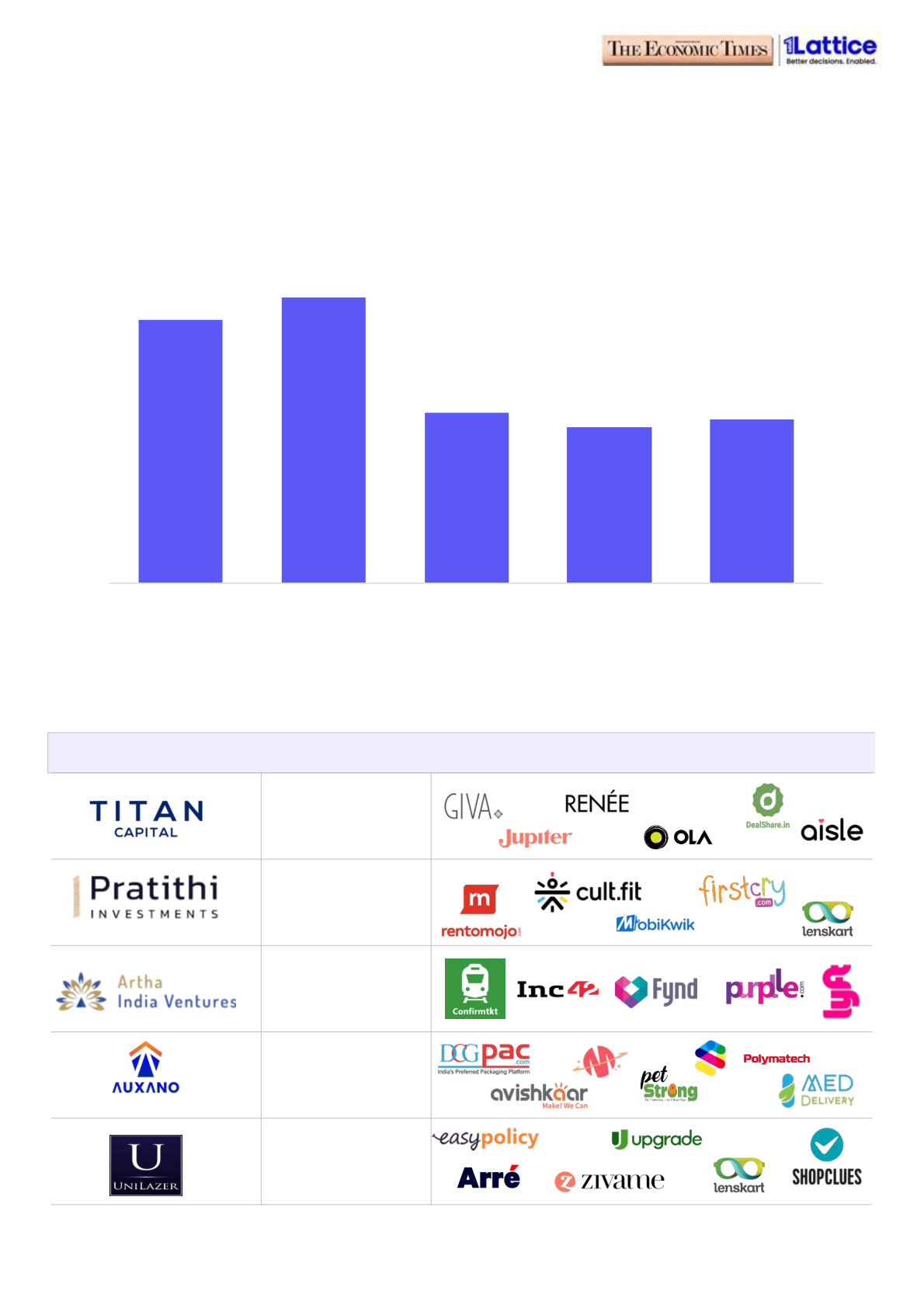
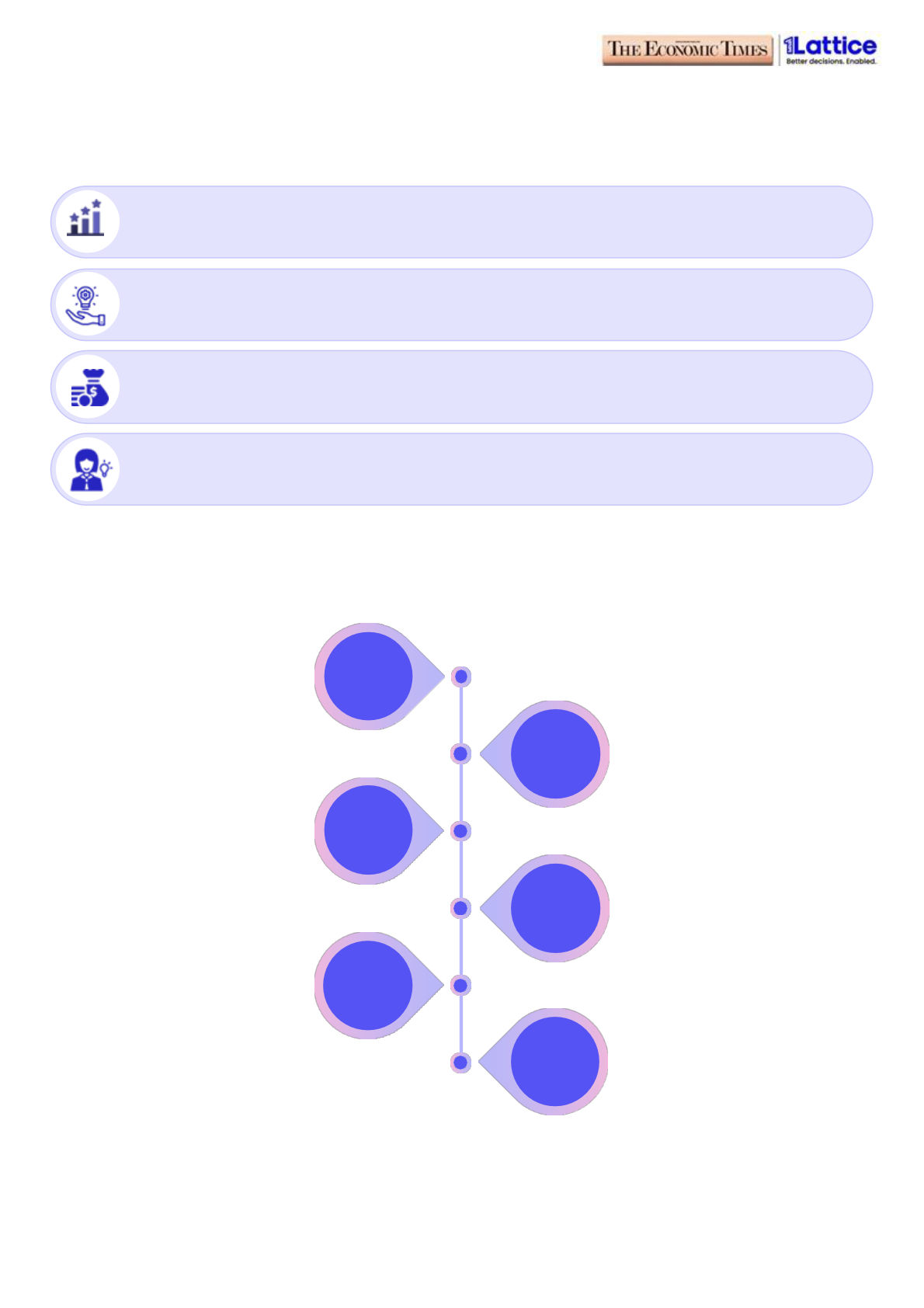
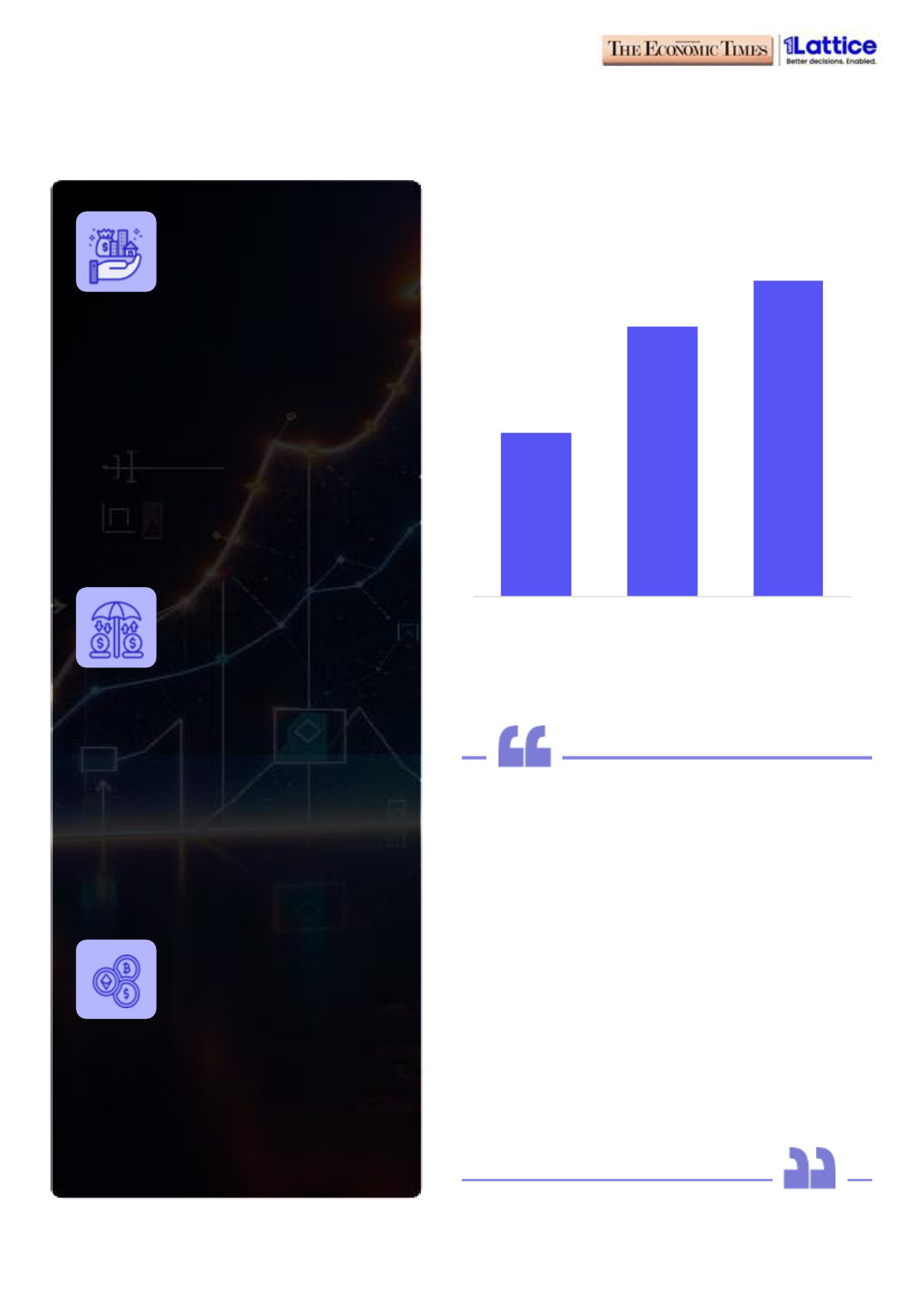
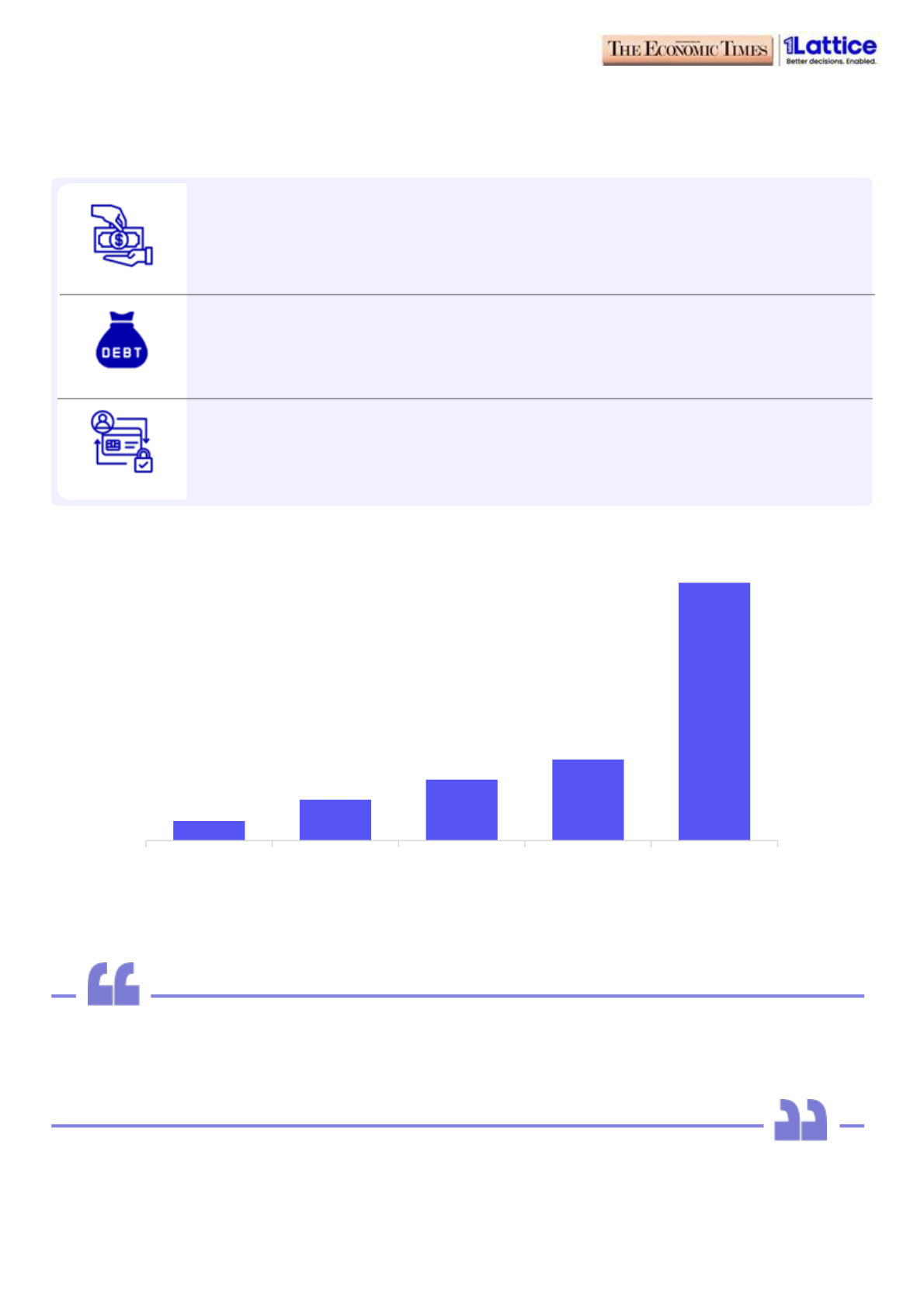
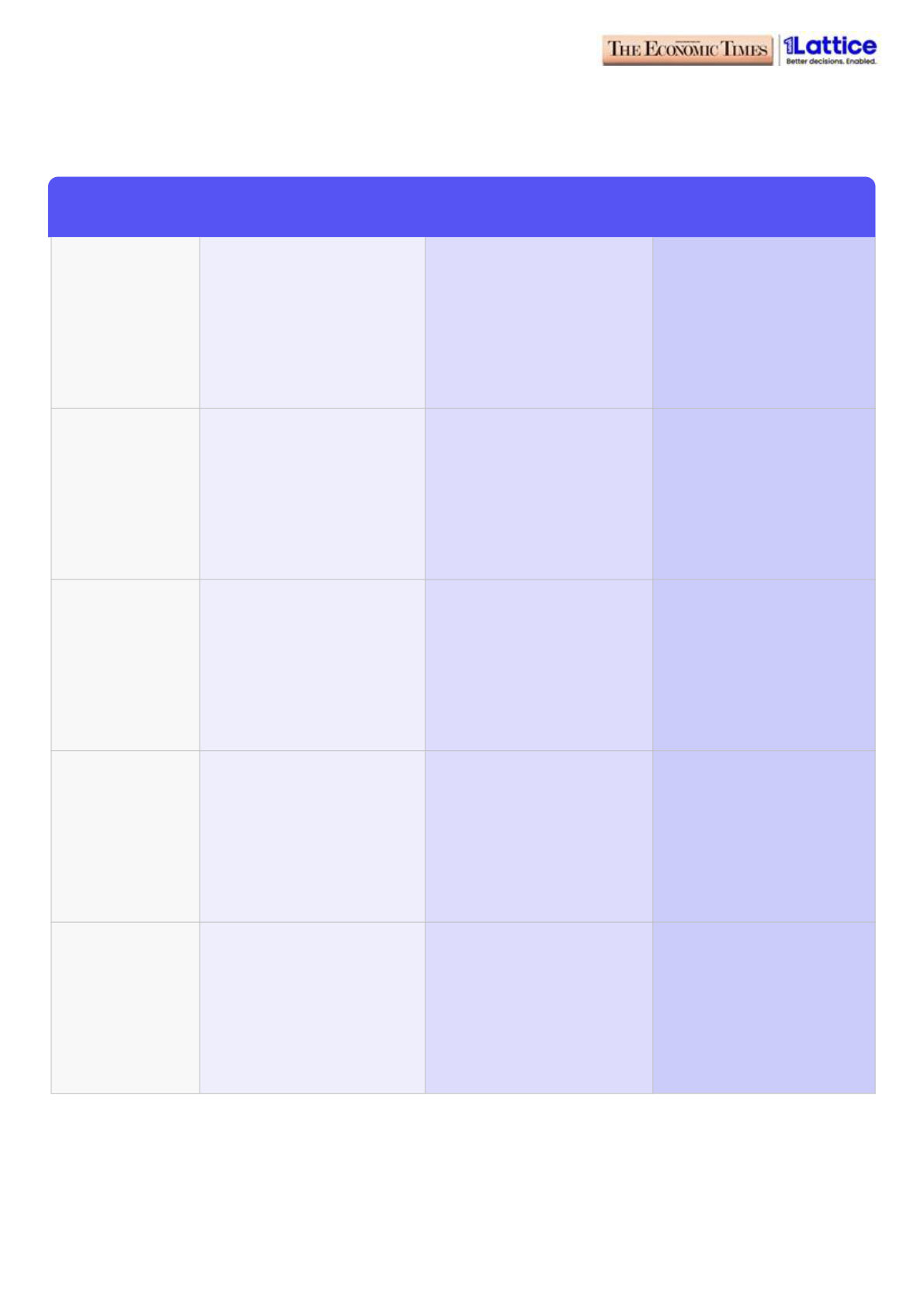
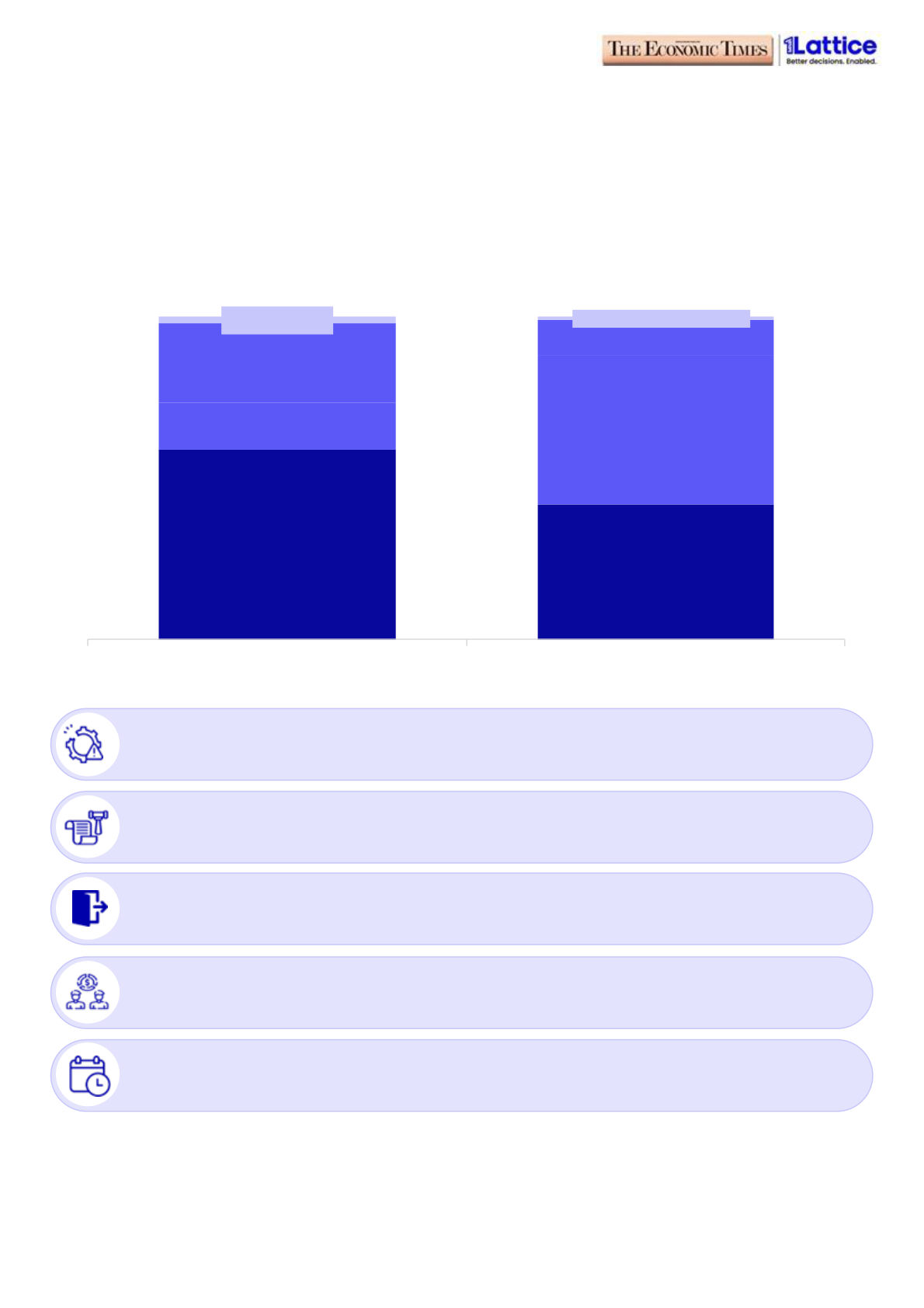
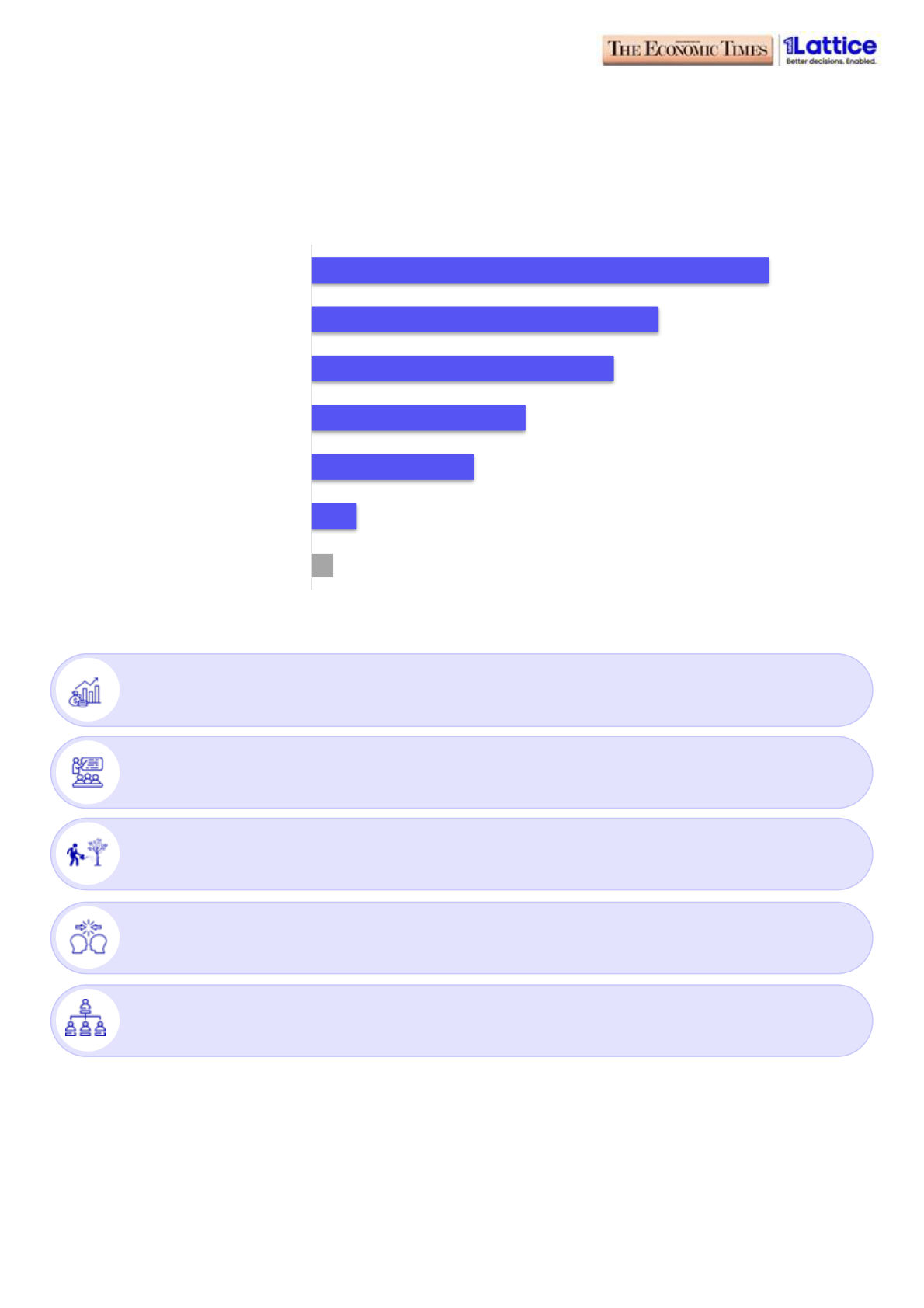
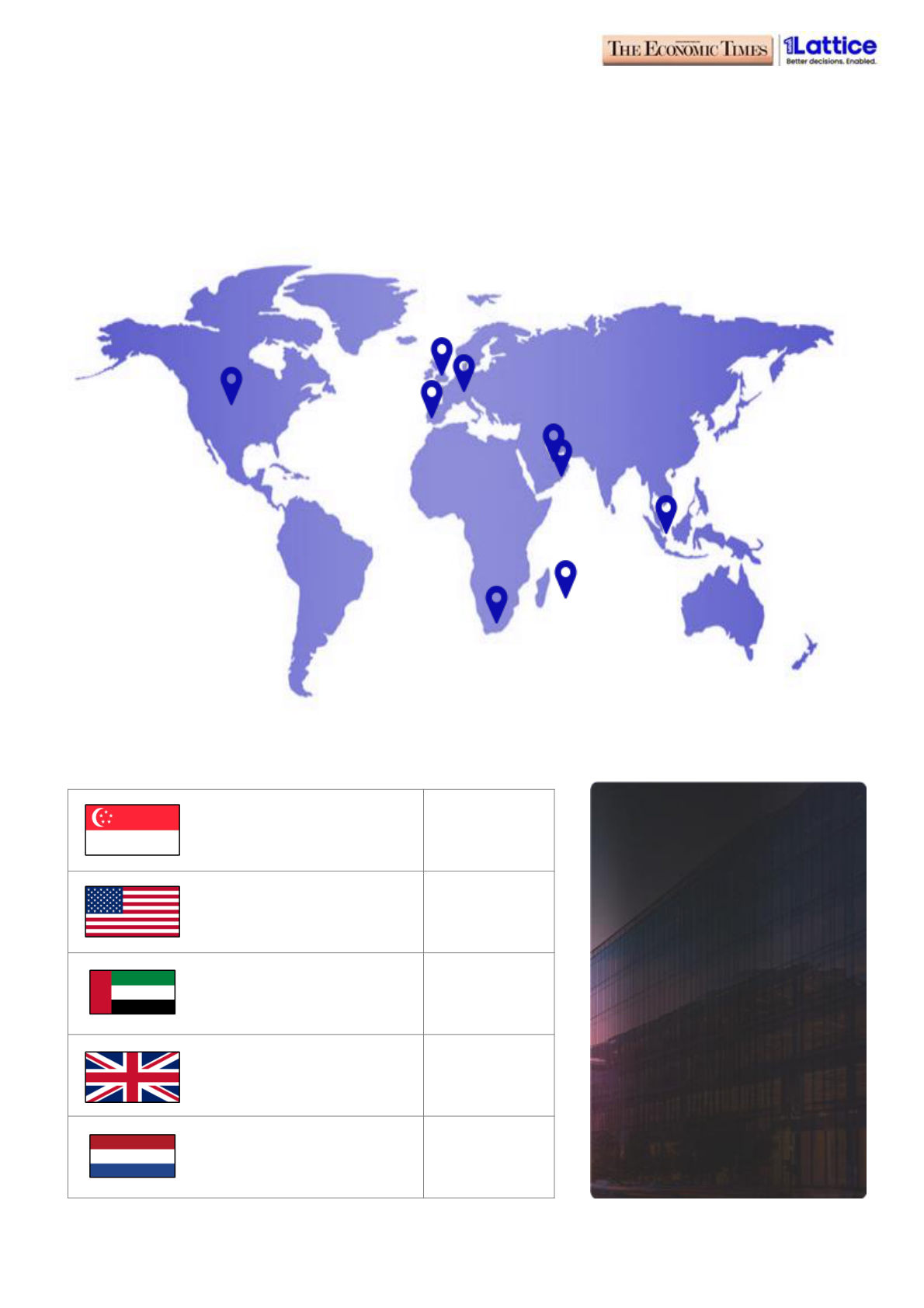
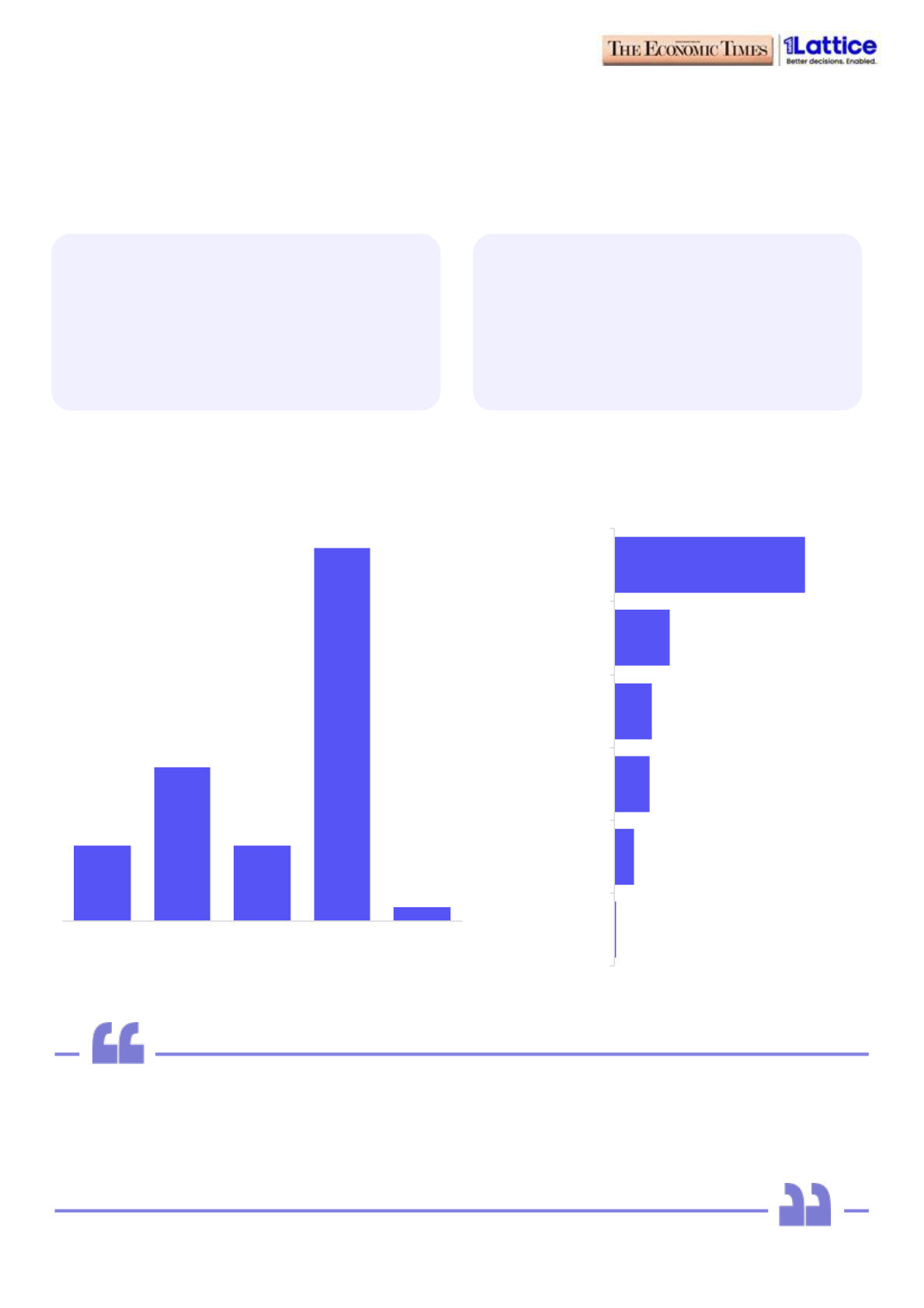
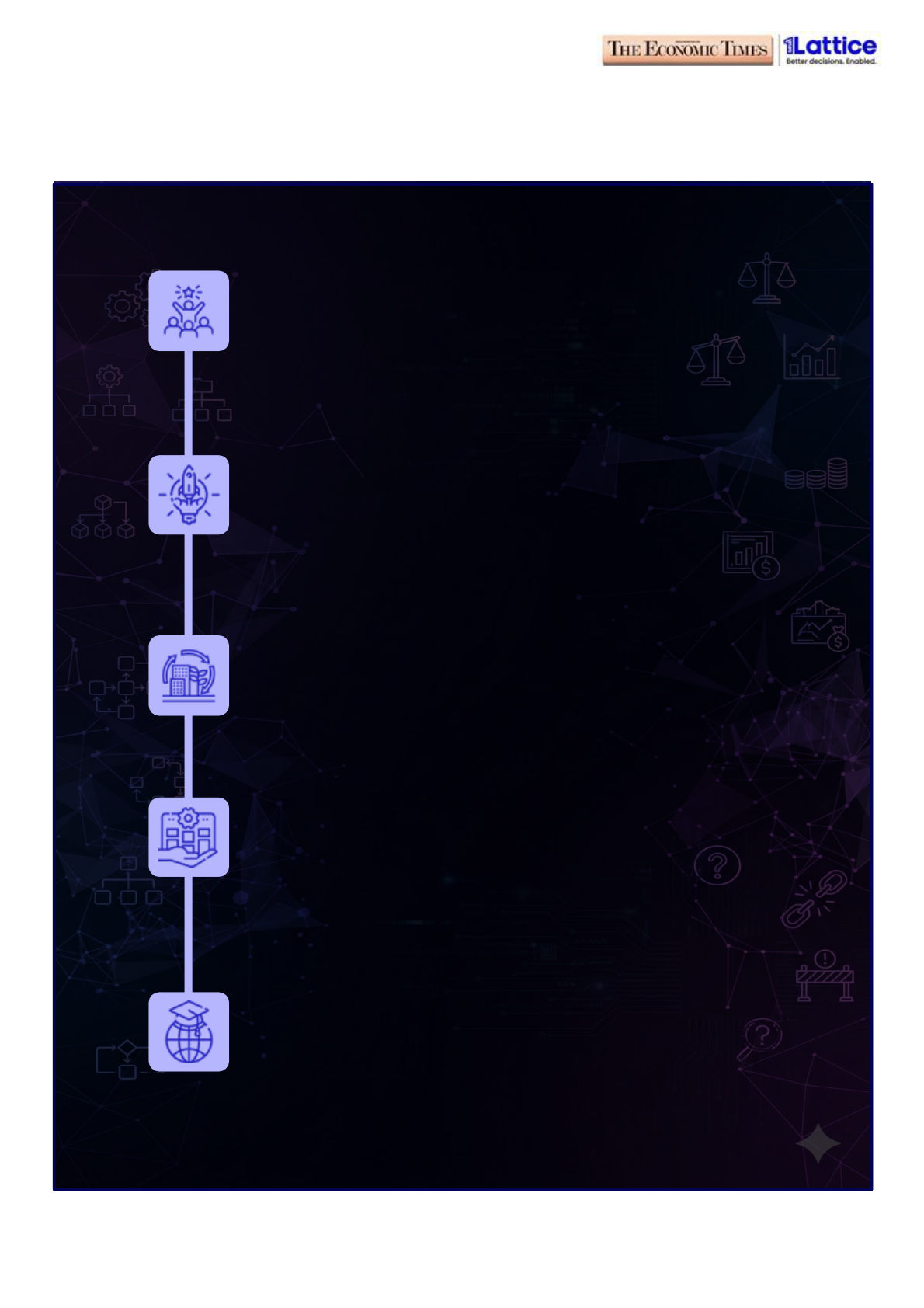
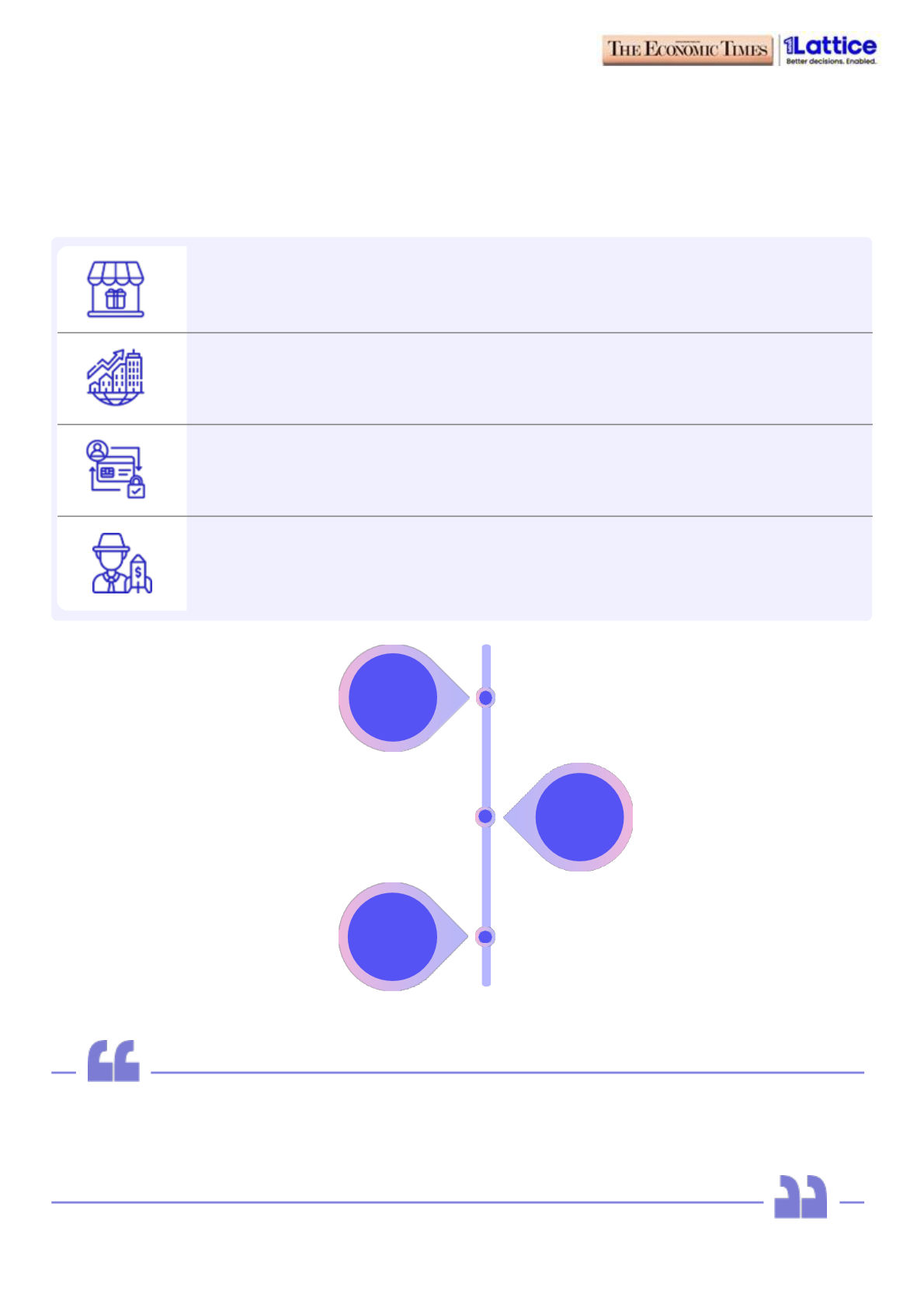
The Indian Family Offices Report '26 June 2026 Foreword India’s family offices are no longer quiet extensions of family balance sheets. They are becoming discerning pools of domestic capital, bringing conviction, continuity, and sectoral intelligence to some of the most important investment choices India will make over the coming decade. For The Economic Times, this shift is especially significant. For decades, we have chronicled the ambitions of Indian enterprise and engaged with the families, founders, investors, advisers, and institutions that shape business sentiment. From boardrooms and capital markets to policy forums and entrepreneurial platforms, we have seen how family - led capital is acquiring a more active voice in decisions around ownership, risk, succession, philanthropy, and global opportunity. The contours of this space are changing quickly. Families are professionalising their investment teams, widening their exposure beyond conventional assets, building sharper governance frameworks, and bringing fresh perspectives from younger members who are as comfortable discussing impact and technology as they are discussing returns. Their choices increasingly influence private markets, public equities, real assets, operating companies, and emerging sectors that need patient, informed backing. That makes the need for a rigorous, independent view more urgent. The Economic Times Indian Family Offices Report 2026 seeks to map the priorities, ambitions, and investment behaviour of this influential community with the depth and credibility the subject deserves. We hope this report helps family offices, entrepreneurs, fund managers, advisers, and institutions understand where Indian private capital is headed and how it can contribute to the country’s next chapter of enterprise creation. Sivakumar Sundaram CEO, The Times of India 07 Foreword India’s family office ecosystem is entering a defining phase. What was once a relatively private pool of capital is now evolving into a more structured, influential, and sophisticated part of India’s investment landscape. Family offices today are doing far more than preserving generational wealth – they are increasingly shaping entrepreneurship, innovation, and long - term value creation across the country. This evolution comes at a pivotal moment. India continues to stand out as one of the world’s most attractive growth markets, supported by strong macro fundamentals, a vibrant startup ecosystem, expanding capital markets, and rising opportunities across both traditional and emerging sectors. In this context, family offices are uniquely positioned. Their patient capital, long - term orientation, and entrepreneurial mindset enable them to participate meaningfully across public markets, private equity, venture capital, real assets, and operating businesses. At the same time, the ecosystem itself is maturing. Greater institutionalization, sharper governance, the rise of next - generation leaders, and increasing appetite for alternative and thematic investments are reshaping how family offices approach capital allocation and partnerships. This report comes at a timely juncture. As the family office landscape in India grows in scale and complexity, the need for stronger insights, better data, and more informed dialogue has never been greater. We hope this report contributes meaningfully to that conversation. At 1Lattice, we have had the opportunity to work closely with a wide range of investors and businesses, giving us a close view of how capital is evolving and where new opportunities are emerging. We believe family offices will play an increasingly important role in backing the sectors, enterprises, and ideas that will define India’s next decade of growth. We hope this report serves as a useful lens for family offices, fund managers, founders, and the broader investment ecosystem. Devmalaya Mukherjee Director, Financial Investors TABLE OF CONTENTS Context and 01 Executive summary Family Office 02 Landscape in India Operating Models & 03 Allocation Preferences Pain Points & Structural 04 Challenges Trends Shaping the 05 Ecosystem Opportunities for 06 Family Offices Context Over the past decade, India’s family offices have moved from being quiet, Why now? back - office structures to becoming Generational transitions are no longer visible, professional investors and theoretical: Many first - gen founders are ecosystem builders. What began as handing over the reins; governance, wealth preservation vehicles for education, and decision rights matter more than ever first - generation founders has matured into a diverse network of Single - Family Capital is more sophisticated: Direct and co - investments, private credit, secondaries, Offices (SFOs), Multi - Family Offices and real assets now sit alongside public (MFOs), and virtual models that markets and real estate orchestrate best - in - class advisors. Global linkages are real: Families are We now see investment committees diversifying across geographies, with independent members, CIOs with currencies, and vehicles while keeping India as a core growth engine global mandates, documented Technology and data are moving from “nice policies for governance and to have” to “table stakes”: From PMS/AIF succession, and operating playbooks visibility to consolidated reporting and risk that would be at home in any dashboards, the ops stack is being rebuilt institutional allocator. This report sits at that inflection point. How has the network It is written for principals and next - gen evolved? leaders, CIOs and COOs, and the broader network – GPs, banks, Founder - led & relationship - driven (pre - 2015): Opportunistic deals, bank - led custodians, trustees, advisors, and wealth, limited policy or process policymakers – who collectively Professionalization (2016 – 2022): CIO/COO shape outcomes for Indian families. hires, documented IPS, manager selection Our goal is not to market any single frameworks, emerging co - invest clubs firm or strategy, but to provide a clear Platform mindset (2023 – present): view of how the network operates Syndication, shared diligence, secondaries platforms, specialist service providers, and today and how it can compound education for next - gen and operating teams advantages over the next decade What makes India distinctive? Entrepreneurial flywheel: A large and active pipeline of founder liquidity events creates natural deal flow and knowledge sharing Alternatives appetite with prudence: Families balance growth investing with capital preservation, often favoring control of risk factors over headline returns Operating DNA: Many families bring sector expertise and operating networks that add real value in deals an edge versus purely financial capital 05 Executive summary Overview of India’s Family Key Structural and Office Landscape Operational Challenges • Bandwidth, succession, • India hosts over 300 family and talent gaps hinder offices managing assets continuity and decision - exceeding US$ 30B making • Family Offices offer • Misaligned investment centralized, discreet decision - priorities and limited making and cross - border expertise in high - risk or expertise, providing tailored global opportunities create wealth solutions to preserve portfolio friction and grow wealth across generations • Fragmented data systems and regulatory • Family Offices provide constraints restrict comprehensive wealth, tax, transparency and succession, and lifestyle agility management services under one roof, ensuring seamless coordination and long - term preservation of family legacy Strategic Asset Allocation Strategic Growth Framework Opportunities • Close critical operational • Target megatrend - driven gaps through geographic public equities with diversification, alternative diversification and tactical asset adoption, and reserves technology integration to • Allocate 25% to private match global peers investments through SPVs • Build sustainable legacies and co - investments by implementing formal • Invest in real estate, hedge succession planning, funds, and crypto for yield purpose - driven impact and portfolio diversification investing strategies, and • Family offices leverage empathetic governance passion assets and fractional frameworks models for diversification and flexible exits 06 Source(s): Secondary research, 1Lattice analysis 02 02 Family Office Landscape in India Types of family offices Single Family Office • Full control over investment, Multi Family Office estate, and philanthropic decisions • Shared resources and • Staffed with in - house expertise, lowers individual professionals like CIOs, tax costs advisors, and legal experts • Offers investment • Suited for families with $100M+ advisory, succession net worth planning, and reporting • Personalized strategies for • Structured as a fee based family values, legacy, and financial advisory platform long - term generational • Suited for $25M – $100M wealth goals of the family families needing top services with no setup costs Virtual Family Office • No physical office; Leverages Embedded Family Office cloud - based collaboration • Embedded Family Offices • Flexible, scalable, and cost - manage family wealth effective; ideal for from within the family - globally distributed families owned business structure • Services outsourced (legal, • Integrated within business accounting, VC scouting, etc.) rather than operating to specialists independently • Prioritizes data security and • Leverages existing real - time access for smarter corporate infrastructure and remote decision - making • Aligns business growth with family legacy and long - term wealth goals 08 Source(s): Secondary research, 1Lattice analysis Types of family offices Family Offices are set up by UHNIs from diverse backgrounds Industry leaders NRIs Ashok Goel (Essel Group) Ranjan Pai (Manipal Group) Arth India Ventures MEMG Family Office Ashish Dash (Singapore) Azim Premji (Wipro) DH Venture Holdings Premji Invest S. Ramakrishnan Sanjay Lalbhai (Arvind Group) Transworld Group Family Arvind Limited Family Office Office (UAE) Divesh Makan (San Francisco) Sajjan Jindal (JSW Group) Makan Family Trust JSW Ventures Public figures Entrepreneurs Shah Rukh Khan Narayan Murthy (Infosys) Red Chillies Family Office Catamaran Ventures Yuvraj Singh Vijay S Sharma (Paytm) YouWeCan ventures VSS Holdings and VSS Investco Zaheer Khan Ritesh Agarwal (OYO Rooms) ProSportify Ventures Aroa Ventures Deepika Padukone Kunal Bahl (Snapdeal) KA Enterprises Titan Capital Vivek Oberoi Pirojsha Godrej Oberoi Family Office Godrej Family Office Makan Family Trust Oberoi Family Office 09 Source(s): Secondary research , 1Lattice analysis Key statistics of family offices in India Indian UHNI count will climb ~10% a year, while their wealth will compound at ~15% ~ 60 % increase in # of UHNIs in India between 2025 and 2030P • Rapid Post - 2025 Surge : The ~60% increase in UHNI numbers from 2025 (16, 427 ) to 2030 (26,457) No. of UHNIs in India signals a sharp acceleration, likely driven by maturing business cycles 2020 - 2030P and rising entrepreneurship creating more ultra - wealthy individuals after initial 2020 - 25 buildup from 6,884. 10 % CAGR • Overall 4x Population Jump : Total count quadruples from 6,884 (2020) to 26,457 (2030), reflecting India's economic rebound where sectors like tech and real estate propel 19 % more people into UHNI status through 26,457 CAGR scaling enterprises. 16,427 • Momentum Building Effect : Steady climb to 16,427 by 2025 sets stage for the bigger 2025 - 30 leap, 6,884 indicating early wealth creators from pandemic recovery now crossing UHNI thresholds en masse. 2020 2025 2030P Indian UHNI’s wealth to grow at 15% CAGR b/w 2025 and 2030 • Wealth Outpaces Numbers : Aggregate wealth rises from US$856M (2020) to $4,284M (2030) a UHNIs Wealth in India 4.7x jump faster than population growth, as established UHNIs (US$ M) 2020 - 2030P leverage compounding assets like equities and private investments. • Acceleration in Later Years : 15 % Wealth hits $2,130M by 2025 before CAGR surging further, showing initial recovery builds base while 2025 - 30 benefits from market maturity and concentrated elite gains. 4,284 20 % • Concentration Among Elite : CAGR The disproportionate wealth escalation (vs. headcount) highlights how top UHNIs capture outsized 2,130 returns from M&A, IPOs, and high - yield opportunities unavailable to 8 … broader affluent groups. 2020 2025 2030P Note(s): *Middle East & North Africa 10 Source(s): Secondary research , 1Lattice analysis India’s most active family offices Azim Premji Anirudh A. Daman i Sanjay Mehta Director, Artha India Ventures Founder, Mehta Ventures & Investor Founder , Premji Invest and P artner, 100X.VC PORTFOLIO PORTFOLIO PORTFOLIO Rehana Nathoo Ketan Kothari Harsh Mariwala Founder and CEO , Spectrum Founder , Aarii Ventures Founder , Sharrp Ventures Impact PORTFOLIO PORTFOLIO PORTFOLIO 11 India’s most active family offices Narayan Murthy Aarti Gupta Rohit Chanana Partner , Founder , Founder & Managing Anikarth Ventures Catamaran Ventures Partner , Sarcha Advisors PORTFOLIO PORTFOLIO PORTFOLIO Kris Narotam Sekhsarai Ronnie Screwvala Founder, Narotam Gopalakrishnan Founder , Sekhsarai Family Office Unilazer Ventures Founder, Pratithi Investments PORTFOLIO PORTFOLIO PORTFOLIO Key statistics of family offices in India India hosts over 300 family offices managing assets exceeding US$ 30B Number of AUM of family family offices offices GLOBALLY GLOBALLY Fast - paced 10,500+ US$ 6T+ Billionaire growth • High net worth families* in India to increase from ~16K in 2025 to ~26K by 2030. • Indian billionaires' collective INDIA I N DIA wealth has increased by ~10%. US$ 30B+ 300+ India is at number three, just behind US and China in terms of new people HNWIs & Billionaire being added to the ultra high net worth individual (UHNI) list. wealth • In 2025 wealth reached to ~US$ 2.1B; expected to reach Mumbai, Delhi - NCR, and Bangalore account for ~70% of all Indian FOs, with ~US$ 4.2B by 2030. GIFT city emerging as an offshore booking • India has ~285 billionaires centre . holding nearly ~US$ 1 trillion in total assets. AUM of key family offices in India US$ US$ 10 B+ 1 BN+ Growing affluence Sharp Narotam Ventures Sekhsaria nationwide • India’s intergenerational wealth Premji Catamaran transfer to reach ~US$ 1.3 - 1.5 Invest Ventures trillion over the next decade. • Share of Family Offices in US$ US$ private deals grew 2X from 30B+ 55 in 2023 to ~115 in 2024. 1M+ Notes: *High net worth families (Families with wealth > US$ 30M) **HNWI (Individuals with net worth > US$ 10M) 13 Source(s): Secondary research, 1Lattice analysis Reasons to set up a Family Office A Family Office provides centralized and discreet decision making with cross - border expertise • A family office streamlines decision making by bringing wealth, business, and Wealth & risk management philanthropy under one roof ensuring alignment and long - term efficiency. • A formal FO adds “institutional grade” discipline comparable to that of endowment or pension funds. Customized • A family office tailors strategies to match the family’s vision be it legacy, solutions philanthropy, or business ensuring every decision reflects shared values. • A FO ensures higher after - fee IRR, lower blind - spot risks and decisions aligned with family values rather than product pushes. Discreet setup • It offers a private space to manage succession, inheritance, and family dynamics minimizing conflict while preserving legacy. • Centralizing data within a Family Office enhances confidentiality, reduces leakage risk, and strengthens information governance. Active wealth • It creates long - term plans for asset protection, succession, and education creation helping families transfer wealth seamlessly and sustainably. • India will witness an estimated ~US$1.3 - 1.5 trillion wealth transition this decade, with FO acting as the permanent “home base” that survives. Cross - border • With global holdings, a family office ensures expert handling of taxes and investments regulations protecting wealth across jurisdictions. • A FO helps in global diversification with controlled risk, materially better post - tax returns, and faster execution when investing globally. INDUSTRY SPEAK A dedicated family office lets us run the money Consolidating everything brokerage, art with the same discipline that a sovereign fund insurance, philanthropy under one roof cuts would expect one investment policy, leakage. One encrypted dashboard is safer consolidated reporting, and no hidden than ten service providers with partial data. concentration risks. – CIO, Family Office, Lucknow – Partner, Family Office, Mumbai We deploy almost a fifth of fresh capital Founders and funds take you far more seriously overseas. A FO gives us the in - house legal and when there’s an in - house team that can FX muscle to navigate FEMA, double - tax evaluate and close a cheque in three weeks. treaties, and KYC across jurisdictions without The FO has become our calling card for scrambling each time a dollar deal pops up. proprietary deals we’d never see as passive LPs. – Partner, Family Office, Delhi – CIO, Family Office, Bengaluru Source(s): Secondary research, 1Lattice analysis 14 Functions of Family Offices A Family Office delivers holistic wealth, tax, succession, and lifestyle services under one roof Functions of Family Offices Wealth & Investment Management • Align portfolios with individual financial goals, timelines, and risk tolerance. • Diversify across asset classes and geographies to preserve and grow long - term wealth. Philanthropy & Impact Investing • Develop and execute philanthropic strategies through structured vehicles such as private. • Invest in ESG* focused ventures to drive measurable social impact . Estate & Succession Planning • Draft wills, irrevocable trusts, and family charters to define inheritance structures and prevent future conflicts. • Enable tax efficient generational wealth transfer. Risk Management & Governance • Structure insurance portfolios to protect assets, including property, business interest, & reputation. • Establish family governance frameworks to enhance transparency and accountability. Tax Advisory & Regulatory Compliance • Ensure compliance with complex regulatory frameworks such as 1 2 3 FEMA , RBI , and SEBI , to avoid legal and financial penalties. • Maintain audit readiness and accurate financial reporting. Lifestyle & Concierge Services • Facilitate private healthcare, education, and wellness solutions • Oversee global travel and mobility needs. • Advise on acquisition of art, collectibles, and luxury assets. Note(s): 1. Foreign Exchange Management Act 2. Reserve Bank of India 3. Securities Exchange Board of India 15 Source(s): Secondary research, 1Lattice analysis 03 Operating Models & Allocation Preferences Investment portfolio strategy of Family Offices A Family Office delivers holistic wealth, tax, succession, and lifestyle services under one roof Public Equity Allocations Family offices allocate ~15 - 25% to listed equities primarily for long - term capital appreciation As of 2024 – 25, majority invest in public markets, mainly via mutual funds and PMS. Sectoral Diversification Over 40% of Indian family offices now prioritize multi - sector diversification and a growth value stock mix. The mindset has shifted from safeguarding wealth to actively growing it through strategic, higher risk - investments. Target Megatrends “Invest in what’s next” Indian family offices are prioritizing AI, green energy, and healthcare, healthtech attracted >US$ 800M in 2025, becoming the 2nd most funded vertical, family offices invest in AI and green energy to capture growth. Opportunistic Investing Indian family offices maintain strategic liquidity reserves and dry powder to seize market opportunities. With US$ 3.2B raised by India - focused growth funds, this allows quick deployment into undervalued assets during volatile periods. INDUSTRY SPEAK Public Equity Allocations across sectors Technology 43% A large chunk of our tech exposure today is SaaS and enterprise software. But we’re now actively Healthcare 31% evaluating applied AI, particularly in healthcare and logistics. BFSI 28% – CIO Family Office, Lucknow Earlier, our focus was on the FMCG 26% consumption sector. Recently we have been focusing on precision Energy & manufacturing. For example, 15% component manufacturers for renewables companies like Apple etc are a focus. Industrials 12% – Chairman, FO, Bengaluru Others 7% 10 Source(s): Secondary research, Primary conversations (N=41), 1Lattice analysis Asset Allocation – Private Investment Family Offices allocate ~20 - 25% to private investments through SPVs and co - investments Key Trends Shaping the private investment market Private Investment Allocation ~20 - 25% of portfolios are allocated to PE, VC, and venture debt reflecting growing confidence in India’s private markets, which saw ~US$36.8B in PE - VC deals in 2025. Private debt also grew from ~US$ 9.3B (2024) to ~US$ 12.4B (2025), signaling rising appetite for high - return. Special Purpose Vehicle(SPV) ~15% of Indian family offices are using SPVs to invest in sectors like AI, deep - tech, and climate tech offering greater control, targeted exposure, and efficient risk and tax structuring versus traditional pooled funds. Direct Co - Investment Family offices are increasingly co - investing directly with VC and PE firms in startups, bypassing traditional funds for greater control and 25 – 30% IRRs in tech deals. Secondary Market Allocations ~25% of Indian family offices plan to over - allocate to secondaries, leveraging discounted valuations and quicker exit timelines to mitigate liquidity risk and diversify across vintages and strategies. INDUSTRY SPEAK We keep a ~quarter of our Discipline beats narrative. Discipline beats narrative. portfolio in private markets to We avoid momentum We avoid momentum capture illiquidity premium, pricing in AI/EV/climate pricing in AI/EV/climate underwriting every deal with tech by insisting on unit - tech by insisting on unit - an exit lens on day one. If we economics milestones. If economics milestones. If can’t map a credible DPI governance or reporting is governance or reporting is path, we pass. weak, we price it. weak, we price it. – Partner, Family Office, – MD, Family Office, – MD, Family Office, Mumbai Bangalore Bangalore Source(s): Secondary research, Primary conversations (N=41), 1Lattice analysis 18 Asset Allocation – Private Investment Family Offices invest in startups aplenty Family Offices make ~50+ deals yearly # of deals participated 132 122 79 76 72 2021 2022 2023 2024 2025 Investments made by some notable Indian family office Illustrative Family Offices # of investments Portfolio Companies 200+ 89 82 32 31 Note(s): Mentioned portfolio companies reflect the family office’s overall investments 19 Source(s): Secondary research, 1Lattice analysis Asset Allocation – Private Investment Startup Ecosystem of India In the first half of 2025, India ranked as the third - largest country in the world for tech startup funding. Over 85% of unicorns are tech startups, primarily in fintech (≈23 unicorns), e - commerce (≈18), and enterprise/SaaS (≈15). 45% recognized startups have at least one - woman director as of Dec 2025. Indian startups raised ~US$4.8B in total investment. Startup Ecosystem in India: Key statistics Largest Startup Ecosystem 3rd (after USA & China) DPIIT - Recognized Startups (as of Dec 2024) 157.7K Unicorns as of 121 mid - 2025 Combined Indian Unicorn ~ Valuation as of July 2025 $0.4 T ~ Raised across 1,337 deals $14.4 B Total Deal 1,337 Count (2024) Source(s): Secondary research, 1Lattice analysis 20 Asset Allocation – Alternatives Family offices tap real estate, hedge funds, and crypto for yield and portfolio diversification Institutional Real Estate Investment (US$ B, 2023 - 25) Real Estate Real estate remains a core asset for Indian family offices, with rising allocations to REITs delivering 6 – 7% annual yields and SPVs used for succession and tax efficiency. In 2025, ~US$ 8.4B was invested in commercial 10.4 and warehousing assets, with a clear shift 8.9 toward Tier 1 city income - generating developments. FO’s involvement in Real Estate is expected to grow at a CAGR of 5.4 ~15% over next 5 years. 2023 2024 2025 Hedge Fund INDUSTRY SPEAK Hedge funds, routed through Category III AIFs, saw their AUM grow to ~US$ 27 B by September 2025 , reflecting rising demand from family offices for alpha in volatile markets. Their allocation by FO Across alternatives, liquidity planning is is expected to grow at a CAGR of ~20% non - negotiable; real estate distributions over next 5 years. GIFT City and offshore fund family needs, CAT III provides feeder structures are gaining traction, tactical flexibility. We maintain 24 - 30 enabling access to global strategies months of runway in treasuries so we’re and enhancing portfolio diversification. never forced sellers. – CIO, Family Office, New Delhi We target predictable cash yields from RIETs and Grade - A income assets, with modest annual escalations/ We avoid greenfield risk, prefer warehousing and Crypto office, and keep leverage conservative so Family offices cautiously allocate 2 – 5% rental stress or cap - rate moves don’t of assets to crypto as a high - risk, high - force sales. reward diversifier. Their allocation is expected to grow at a CAGR of ~25% – MD, Family Office, Mumbai over next 5 years driven by improved on - shore compliance and infrastructure. Source(s): Secondary research, Primary conversations (N=41), 1Lattice analysis 21 Asset Allocation – Private credit Family offices invest in direct, distressed, and venture debt for high returns with lower risk Direct Lending Boom Family offices are backing mid - market firms through senior and structured debt, earning 12 – 16% returns with lower risk and steady cash flow making it a strong alternative to equity. Distressed Debt Opportunity With IBC reforms, buying stressed assets at big discounts is offering 18 – 25% returns. Risk - taking family offices are jumping in through AIFs and ARC routes. Venture Debt on the Rise With IBC reforms, buying stressed assets at big discounts is offering 18 – 25% returns. Risk - taking family offices are jumping in through AIFs and ARC routes. Private credit AUM as a % of GDP 3.80% 1.20% 0.90% 0.60% 0.30% China India Brazil South Korea US INDUSTRY SPEAK Venture debt complements our growth equity. We lend to post - PMF companies with strong sponsors and 12+ months runway, first - lien security, information rights, and modest warrant coverage. – Partner, Family Office, Mumbai Source(s): Secondary research, Primary conversations (N=41), 1Lattice analysis 22 Asset Allocation - Luxury Family offices leverage passion assets and fractional models for diversification and flexible exits Key Trends Shaping the private investment market Diversification with Passion Assets • Allocate 5 – 10% in luxury assets to hedge inflation & market swings • Align investments with family interests for both utility and diversification. Fractionalisation • Access high - value assets like art or jets via fractional platforms (e.g., Storii, JetSetGo ). • Reduce concentration risk and enhance liquidity in niche investments. Dynamic exit • Capitalize on 70% of art resales happening privately for better pricing. • Use buyback clauses to manage downside and enable flexible exits. Sustainable Impact Investing • Passion assets with environmental/social benefits (e.g., regenerative estates). • Aligns family values with legacy and societal impact. Tech - Enabled Personalization • AI/data analytics for tailoring luxury portfolios to family tastes. • Bespoke insights for niche market opportunities. INDUSTRY SPEAK Wealth management is largely disciplined and One of the Family Office I advise to has frankly dull. We keep ~95% in compounding, rule - bought a piece of land on Moon. based allocations. The remaining 5% is a joy They’ve parked it under ‘experiential sleeve – assets and experience that make one collectibles’ sleeve. Zero DPI and IRR happy. No return targets, just passion. assumed. – Partner, Family Office, Mumbai – Advisor to Family Offices, Hyderabad Source(s): Secondary research, Primary conversations (N=41), 1Lattice analysis 23 Allocation and returns Allocations in PE/VC funds generate maximum returns followed by listed equities % Average portfolio allocation • Conservative Core with Growth Tilt : (2021 - 2025) Heavy 40% public equity weighting provides liquidity and broad market beta exposure, while 20% PE/VC allocation acts as a high - conviction Luxury bet on India's private market alpha 2% balancing stability against asymmetric upside from startup exits and growth Alternatives equity. 8% • Diversification Discipline : Debt Real estate (15%) and debt (15%) 15% allocations serve as inflation hedges and yield stabilizers, preventing over - Real Estate reliance on volatile equities during 15% India's post - pandemic market swings. PE / VC • Tactical Lifestyle Play : 20% Minimal 2% luxury spend reflects disciplined wealth preservation, Public Equity treating collectibles as passion 40% investments rather than core portfolio drivers. % Return (2021 - 2025) • PE/VC Outperformance Logic : Alternatives 8% 25% returns on 20% allocation (vs. 18% on 40% public equity) stem from India's unicorn boom PE/VC captured IPO windfalls and secondary sales Real Estate 8% that public markets couldn't match, proving smaller bets yield disproportionate gains. Private Credit 9% • Equity Efficiency Gap : Public equity's solid 18% reflects Nifty/BSE rallies, but lower returns - Luxury per - unit highlight beta saturation 10% UHNIs need private markets for true alpha as public valuations compress. Public Equity • Stable Asset Consistency : 16% Real estate (8%) and alternatives (8%) deliver reliable mid - single digits by buffering equity volatility, enabling PE / VC aggressive PE/VC bets without 25% portfolio drawdowns. Source(s): Secondary research, 1Lattice analysis 24 Risk & return matrix Cost, Risk & Return Across All Investment Options Investment Return Risk Cost Options Typically, lower than Lower transaction and Liquid and regulated but private markets, but more management fees than Public Equity subject to market volatility stable and accessible private markets Can deliver strong long - Illiquid and subject to Illiquid and subject to term appreciation, valuation fluctuations; valuation fluctuations; Luxury especially for rare, but depends on market depends on market less predictable trends trends Higher returns than public Higher risk due to High minimum markets, especially with illiquidity, long holding investment; due Private Investment early - stage or growth - periods, and business diligence and legal costs focused deals failure potential may apply. Moderate to high entry Higher, non - correlated Higher than traditional barriers with returns especially in assets; includes liquidity management fees, lock - Alternatives private equity, venture risk, valuation uncertainty, in periods, or legal capital, and hedge funds. and longer time horizons structuring costs Moderate due diligence, Attractive, stable yields Lower than equity but not structuring, and legal with downside protection, risk - free; includes fees may apply, making it popular in borrower default risk and Private Credit especially for direct deals volatile markets illiquidity or through AIFs Source(s): Secondary research, 1Lattice analysis 25 04 Pain Points & Structural Challenges Challenges – Bandwidth & talent Bandwidth, not capital, is the binding constraint for Indian family offices Key Trends Shaping the private investment market Lean headcount and retention risks • Most Indian family offices operate with ≤ 5 - 10 members, yet handle investment sourcing, due diligence, treasury, compliance, tax, governance, and philanthropy. Small size means critical functions compete for attention. • Talented hires leave for larger platforms. High churn destabilizes investment process and erodes institutional money. Lack of specialists and comp. pressure • Senior professionals with both institutional investment experience and India - specific regulatory/ tax knowledge are scarce. • Experienced CIOs or senior investment heads demand compensation at par with PE/VC firms, often including large performance bonuses, straining OPEX budgets. Next - gen enablement • Grooming successors requires time - intensive mentorship which often gets overlooked with high day - to - day workload. • Only ~20% Family Offices in India have set up a trust/LLP structure showcasing the lack of a proper succession plan. Operations fragility • Managing calculations of different asset classes gets overwhelming for small teams. • Without in - house depth most FOs are forced to outsource certain processes and activities that reduces control and causes delays. Compliance load • Regulatory requirements (e.g., SEBI’s key personnel rules for AIFs) require trained, certified staff. Without them, the FO risks penalties or being locked out of certain structures. INDUSTRY SPEAK Next - gen Most FOs don’t We can’t compete Our team lacks the have in - house enablement takes with PE funds on bandwidth to evaluate time we rarely have. comp or carry. The bandwidth to deals thoroughly. We Drafting an IPS, drive post - analysts we train get make 2 – 3 investments running teach - ins, poached, and senior investment annually, but to do that and aligning on operators won’t join governance, so we need to assess philanthropy vs. their influence on without a full team ~100+ companies. As a venture vs. passion around them. Result: outcomes is lower small team, we’ve assets gets deferred, than their we outsource missed 2 – 3 deals in the leading to ad - hoc ownership. piecemeal and lose last couple of years decisions and continuity deal to simply due to lack of friction at IC. – Advisor to deal. capacity. Family Offices, – MD, Family Office, – Partner, Family Delhi – CIO, Family Office, Ahmedabad Office, Delhi Mumbai Source(s): Secondary research, Primary conversations (N=41), 1Lattice analysis 27 Challenges - Regulatory ambiguity Fragmented rules turn regulatory ambiguity into biggest friction cost for Indian family offices Key Trends Shaping the private investment market The absence of a unified “family office” regulatory definition in India means different structures (trusts, LLPs, FIFs, AIFs) face different compliance requirements, increasing legal complexity and raising costs (229 bps for small & 21 bps for larger ones Under India’s LRS, family offices can remit up to US $250,000 annually, but routing via a FIF requires choosing between ODI burdened with approvals, lock - ins, and pricing rules or the more flexible OPI, limiting speed and agility in overseas investments From April 2025, LRS remittances above ~US$ 11K face TCS 5% for education/medical and 20% for other purposes driving a 16% drop in property remittances and adding cost and cash - flow pressure for Indian family offices SFOs in GIFT City’s IFSC face regulatory uncertainty on whether overseas investments qualify as OPI or ODI. Funds sent from India to GIFT City are treated as ODI, but global asset investments by family offices are generally classified as OPI SEBI now mandates Category III AIFs used by Indian family offices to cap leverage at 2 × NAV, publish fortnightly NAVs, file monthly reports, appoint a NISM - certified senior professional by July 2025, dematerialize new investments by October 2025, and face penalties up to ~US$ 5K per breach INDUSTRY SPEAK Overseas investing is a maze. FEMA/ODI rules read one way, banks interpret them three different ways, and the same remittance gets approved by one bank and flagged by another. Timelines slip and good allocations pass us by – Partner, Family Office, Mumbai Source(s): Secondary research, Primary conversations (N=41), 1Lattice analysis 28 Challenges - Due Diligence and Exits Limited information on private companies make diligence harder and exit timing unpredictable PE / VC exit type US$B, 2024 - 25 $33 B $29.5 B Buybacks, 1% Buybacks, 2% Secondary sales, 11% Secondary sales, 25% Strategic Sales, 15% Strategic Sales, 46% Public Market, 60% Public Market, 42% 2024 2025* India’s 90% startup failure rate forces family offices to depend on external due diligence and cap PE/VC allocations at ~20% of AUM, limiting diversification and growth potential. Outside top - tier IPO - bound companies, Indian mid - market deal data rooms often have incomplete litigation, ESOP, or tax histories, increasing diligence burden. As India leads APAC in exit volumes, fluctuations in IPO activity and block trades create irregular exit opportunities, complicating liquidity planning for family offices. Sponsor - to - sponsor secondary market transactions declined by 8% in 2024 versus last year, narrowing alternative exit pathways and potentially increasing holding periods. In India, private investments typically have long holding periods, with few older deals exiting within five years, resulting in prolonged liquidity cycles and persistent capital lock - up for family offices. Note(s): 2025* - Considers January to November 2025 29 Source(s): Secondary research, Primary conversations (N=41), 1Lattice analysis Challenges - Deal Information Lack of authentic information makes deal comparison unreliable and time - consuming Despite 200+ family offices in India, access to high - quality proprietary deals remains confined to closed networks, while limited operational data on private companies' further challenges sourcing and evaluation. Lack of standardized valuation norms for unlisted and private assets complicates deal assessment, often leading to prolonged negotiations and dependence on third - party valuation specialists. Secondary transactions in India are negotiated privately, and clearing prices are rarely disclosed, creating the risk of overpaying or underselling positions. AIF and PMS managers still use fragmented, manual reporting via PDFs and Excel, lacking standardized templates and integration. This creates inefficiencies, hinders portfolio analysis, and delays decision - making for family offices. INDUSTRY SPEAK While there is a lot of High quality data is Price discovery is information for equities unavailable in real - time. opaque. Private (listed stocks), there is Most of the data available is comps are whisper lack of standardized either outdated or unreliable. numbers, and we lack data across startups. Definitions of ARR/EBITDA reliable datasets on Curated information to change between decks unit economics by benchmark startups in making apple - to - apples sector so narratives terms of revenue, impossible. Half of our overpower numbers. valuation, PMF, diligence is forensic clean up founder’s pedigree, etc. before we can even value – Partner, Family will be valuable. the business. Office, Delhi – Partner, Multi Family – CIO, Family Office, Office, Mumbai Bangalore Source(s): Secondary research, Primary conversations (N=41), 1Lattice analysis 30 Challenges - Succession issues India’s wealth transfer is imminent, but most Family Offices are underprepared Common challenges in succession planning Conflicting vision 62% Unclear roles 47% Capability & experience gaps 41% Loss of control 29% Cultural shift 22% Stakeholder perception 6% Others 3% India is expected to see an intergenerational wealth transfer of ~US$ 1.3T over the next decade, yet many families have not formalized transition plans. Less than 10% of Indian heirs inclined to manage the family business, robust family office governance and investment education are imperative. More than half of next - gen heirs want to move out of the legacy business into tech and philanthropic investments. Family offices face friction as older generations focus on preserving wealth through traditional assets, while younger members push for ESG and tech - led investments, creating strategic tensions. A major challenge for Indian family offices is the absence of structured succession planning. Only ~20% have formal plans; ~95% lack family constitutions, and just ~60% maintain formal governance frameworks. Source(s): Secondary research, Primary conversations (N=41), 1Lattice analysis 31 Challenges - Technology, data aggregation & reporting Fragmented systems and non - standard data make reporting a spreadsheet slog Platforms like MProfit , Asora , and Masttro offer multi - asset aggregation and reporting for family offices, but gaps in data standardization, custodian connectivity, and real - time accuracy limit their full reliability for complex portfolios. Global platforms like Addepar are entering India but remain costly, while India - first tools often lack full alternatives integration. The surge in AIF commitments to ~US$ 150B means more alternative asset data capital calls, NAVs, carry waterfalls that must be reconciled without industry - wide standards. Indian FO portfolios span PMS, AIFs, LP stakes, public equities, real estate SPVs, and loans, but each uses different reporting formats, requiring manual consolidation. INDUSTRY SPEAK Right now, we track exits in spreadsheets We already run an in - house team of and WhatsApp groups. A single pane wealth managers, bankers and lawyers; showing fair - value marks, buyer interest, Our challenge is bespoke structuring and and projected IRRs, as soon as a streamlined reporting. We’d be more company hits a revenue milestone would interested in a platform that helps to transform how we manage risk, sizing, ensure proper reporting of our and exits. transactions. – CIO, Family Office, Lucknow – Partner, Family Office, Bangalore Source(s): Secondary research, Primary conversations (N=41), 1Lattice analysis 32 05 Trends Shaping the Ecosystem Trends – Cross border investments Indian FOs are stepping up cross - border allocations for diversification and efficient returns • Indian family offices are rapidly increasing offshore investments, underscoring a strategic pivot to global diversification. • LRS outflows rose from US$ 27B in FY23 to US$ 32B in FY24 (~17% rise), moderated to about US$ 30B in FY25, and stand at approximately US$ 22B in FY26*. Drivers of cross border investment Geopolitical Risk Diversification Tax Optimization Opportunities Cross - border structures help Family offices diversify globally to reduce tax liabilities and reduce exposure to regional enhance returns. Family offices instability. Tools like PRI and use expert advisors and treaties consortium deals offer protection to navigate complex tax against conflict & expropriation. regimes. Outward remittances under LRS Sector - wise LRS outflow for FY26* (US$ B, FY23 - 26*) (US$ B) Medical & Immovable Property 2% Equity and Debt Investments , 8% Overseas Education , 8% Other Remittances , 24% 32 30 27 22 International Travel , 56% FY 23 FY 24 FY 25 FY 26* • Overseas equity and debt investments recorded a robust increase of >10% YoY, reaching approximately ~US$ 1.7B (8% of total LRS outflow) in FY 2026*. • Investments in overseas immovable property rose >30% YoY to ~US$ 0.3B, highlighting family offices’ strong interest in stable, long - term real estate assets. Note(s): FY 26* - Considers April – December 2025 34 Source( s): Secondary research, Primary conversations (N=41), 1Lattice analysis Trends – Cross border investments US$ 20.5B ODI in FY26* - financial sector leads with equity and guarantees driving the surge ODI Investment by Sector (%) FY26* 40% 18% 12% 10% 6% Agriculture & Financial sector Transport, Manufacturing Trade and mining sector storage and Hospitality communicati sector on sector ODI Financial Commitment In Q3 of FY 2025 - 26, Overseas Direct Breakdown by Instrument Investment (ODI) stood FY26* at ~US$ 5.3B. Of this, Guarantees Loans Equity investments through equity and loans amounted to around ~US$ 2.9B. US$ US$ US$ 14.1 B 18.8 B 6.3 B India’s Investment via ODI grew sharply from ~US$ 17B in FY24 to ~US$ 28B in FY25, reflecting a robust CAGR of 75.3%. Sector - wise ODI Distribution (FY26* ) Investment Sectors (US$ B) • Overseas direct investment is Financial sector 8.2 concentrated in the financial sector, which accounts for ~40% (~US$ 8.2B), highlighting Manufacturing sector 3.7 Indian investors’ strong global presence in financial Transport, storage and 2.4 services. communication sector • Of the total investment Trade and Hospitality amounting to ~US$ 20.5B, 2.1 sector ~US$ 1B representing around ~5% is allocated to Agriculture & mining 1.3 community social and personal services sector. Note(s): FY 26* - Considers April – December 2025 35 Source( s): Secondary research, Primary conversations (N=41), 1Lattice analysis Trends – Cross - border investing Singapore leads in India’s ODI in FY26 followed by US top 5 destinations absorb ~70% Countries receiving ODI from India in Q3 FY26 United Kingdom Switzerland UAE United State America Spain Oman Singapore South Africa Mauritius Top countries receiving ODI from India in Q3 FY26 US$ 1.4B Singapore • The largest share of ODI was directed to Singapore, amounting to US$ 1.4B, followed by the USA and UAE with investments of United State of America US$ 0.7B US$ 0.7B and US$ 0.5B, respectively. • In Q3 FY26, Indian United Arab Emirates US$ 0.5B investors allocated ~80% of their Overseas Direct Investment (ODI), summing to ~US$ 4.5B, to countries including United Kingdom US$ 0.4B Singapore, UAE, USA, UK, South Africa, Mauritius, Spain, Oman, and the Netherlands. Netherlands US$ 0.3B Source(s): Secondary research, Primary conversations (N=41), 1Lattice analysis 36 Trends – Impact investing Impact investing supports climate & healthcare, driven by purpose, ESG demand, & policy support Impact Investing • Impact investing helps family offices align • While India’s impact investment market wealth with purpose while accessing high - attracted nearly ~US$ 5B in 2025, family growth, future - ready sectors. It offices are increasingly aligning their strengthens legacy, appeals to next - gen portfolios with this trend, channeling values, and mitigates long - term risks. capital into opportunities that balance Backed by policy support and rising ESG financial returns with measurable social demand, it offers both meaningful impact outcomes. and solid returns. Amount invested in 2025 by stage Amount invested in 2025 by sector (US$ M) (US$ M) 2735 Climate tech 2940 Financial Inclusion 841 Healthcare 565 1124 Tech for 537 development 550 553 Agriculture 299 103 Education 5 Seed Series A Series B Later stages Post IPO INDUSTRY SPEAK We use blended structures to crowd in capital – our philanthropic trust provides a first - loss layer, the FO comes in senior, and we invite co - investors once unit economics are clear. It’s worked for distributed solar, affordable diagnostics, and agri - supply chains without compromising governance or recovery rights. – MD, Family Office, Bangalore Source(s): Secondary research, Primary conversations (N=41), 1Lattice analysis Trends – GIFT city adoption GIFT city is India’s ‘onshore - offshore’ gateway for family offices Introduction to GIFT City • GIFT City (Gujarat International Finance Tec - City) is India’s first operational smart city and IFSC Designed to be a global financial hub, offering seamless access to international markets from India. • Regulated by IFSCA – a unified authority for all financial services within the zone. Relevance for Family Offices • Enables cross - border investment and asset diversification with regulatory ease. • Attracting UHNWIs looking to consolidate and expand their wealth management footprint. • Offers tax - neutral structures & access to global investment opportunities. Key Stats & Growth Indicators • Over 25 family office structures already registered (as of 2025). • Home to ~500 financial institutions, including banks, funds, and insurers. • Targeting US$ 1T AUM in the next 8 – 10 years. Key Advantages of Establishing a Family Office in GIFT City Investment Diversity Global Market Exposure • GIFT City offers family offices a • It enables geographic and asset range of global investment class diversification, reducing risk options, supported by expert and enhancing returns across wealth management and equities, real estate, PE, and strategic planning. more. Tax Exemptions Supportive Regulations • Family offices benefit from tax • IFSCA provides a flexible, exemptions, lower rates, and updated regulatory environment indirect tax relief supporting with relaxed norms, digitized better returns and long - term processes, and innovation - wealth preservation. friendly policies. Source(s): Secondary research, Primary conversations (N=41), 1Lattice analysis 38 Trends – Tokenisation of digital assets Tokenization is unlocking liquidity for Indian FOs, easing succession as regulation firms up The ~US$ 2T global asset tokenization market, led India’s tokenization market size showed by rapid Asia - Pacific adoption, is influencing CAGR of 8.9% from year 2025 to 2032 and Indian family offices to adopt tokenized real estate, generated approximately ~US$ 122M in private equity and alternatives, offering liquidity, revenue in 2025 and is forecast to expand efficiency, transparency and seamless wealth to around ~US$ 222M by 2032. transfer. India Tokenization Market Size (US$ M) Key Drivers 222 Unlocking Liquidity CAGR Tokenization of assets such as real 8.9 % estate, private equity, art and collectibles enables fractional 122 ownership, lowering entry barriers and supporting flexible portfolio rebalancing. 2025 2032P Streamlined Succession Blockchain - based tokenized assets simplify intergenerational transfers, Indian regulatory authorities are actively reducing administrative complexity developing frameworks to ensure tokenization and counterparty risks for family aligns with securities and tax regulations, a offices. move anticipated to significantly boost adoption among family offices by 2026 - 27. Key Tokenization Platforms Source(s): Secondary research, Primary conversations (N=41), 1Lattice analysis 39 Trends – Next gen. wealth priorities Next gen heirs are driving the decision wheel, focusing on startups, ESG and digital assets Younger Leadership is Taking Charge • Over 50% of Indian family offices now involve millennial or Gen Z family members in investment decisions. This shift also reflects in governance, with more family offices setting up formal structures, investment committees, and tech - backed reporting. Tech - Driven & Startup - Centric Investments • ~30% of next - gen Indian investors prefer to allocate toward startups, particularly in health tech, fintech, and AI. There’s a visible pivot toward early - stage ventures, especially in sectors aligned with future disruption like climate tech, SaaS, deep tech, and wellness. Sustainability & ESG is Non - Negotiable • ~25% of investment preferences among young family office leaders go to ESG or sustainable funds. Next - gen leaders are pushing for portfolios aligned with net - zero goals, biodiversity preservation, and social impact metrics. Digital Assets & Web3 Curiosity • ~20% of allocations are now directed toward digital assets (including Web3 startups, tokenized funds, and NFTs), though cautiously due to regulatory ambiguity. Regulatory uncertainty (especially in India) makes direct crypto exposure limited, but interest in regulated alternatives like tokenized securities and digital asset funds is growing. Global Education and Exposure • Next - gen family members are increasingly pursuing specialized MBAs, wealth management programs (e.g., Wharton, INSEAD), and attending global family office summits (e.g., in Dubai, London). . Exposure to global best practices is shaping how the next generation thinks about asset allocation, risk, and governance. Source(s): Secondary research, Primary conversations (N=41), 1Lattice analysis 40 06 Opportunities for Family Offices Opportunities Seizing Growth Opportunities in Emerging Indian Cities and Sectors Geographic & sector diversification Family offices are increasingly setting up in Tier 2 and 3 cities, which now make up 10 – 15% of new offices, driven by the fact that 45% of DPIIT - recognized startups come from these cities. Family offices are prioritizing tech - led sectors, with fintech leading at ~ US$ 900M in 2025 and strong interest in D2C, healthtech , and agritech . Investments split between ~45% direct startups and ~ 30% via VC/PE funds. Family offices are investing in industrial corridors like DMIC and Hyderabad Chennai, and in Tier 2 city real estate, driven by manufacturing, logistics, and data center growth part of the ~ US$ 2.5T urban infrastructure demand projected by 2050. By mid - 2025, GIFT IFSC hosted ~177 fund management entities operating 272 schemes, with collective commitments of ~US$ 22.1 billion, ~US$ 10.5 billion raised &~US$ 11.3 billion already invested reflecting rapid growth of India’s fund ecosystem under relaxed SEBI/IFSCA rules. INDUSTRY SPEAK To scale nationally, we run Our diversification barbell We’ve created ‘regional pods’ a 50/30/20 approach: 50% pairs tech - led themes in Ahmedabad, Indore, and via specialist domestic (fintech rails, healthtech Coimbatore and mandate at AIFs for origination depth, workflows, AI - enabled least 30% of new early - stage 30% direct/co - invests SaaS) with hard - asset exposure from these markets. where we can add enablers (warehousing, The aim is to capture lower governance muscle, and cold chain, data - center entry valuations, founder 20% yield - oriented real infra, and C&I proximity, and sector variety assets (REITs, pre - leased renewables). This reduces (D2C, agritech , SaaS). We co - warehousing). This keeps correlation: when risk invest with local AIFs, insist on vintage/sector balance capital cools, rental yields audited MIS from day one, without stretching internal and contracted PPAs keep and put a board - observer to bandwidth. cash flows steady. professionalize quickly. – Partner, Family Office, – CIO, Family Office, – CIO, Family Office, Mumbai Bangalore Ahmedabad Source(s): Secondary research, Primary conversations (N=41), 1Lattice analysis 42 Opportunities Family offices invest in direct, distressed, and venture debt for high returns with lower risk Adoption of alternative assets & co - investing Set up or partner with Category II AIFs in India, including GIFT City, to access ~US$ 130B in AIF asset, In just 9 months of 2025. ~US$ 85B went into real estate AIFs this shows massive interest in property investments through funds. Indian FOs now provide 35 - 40% of all startup funding in India with annual contributions exceeding ~US$ 9B . This positions FOs as the largest source of startup capital in India, demonstrating their critical role in the alternative investment ecosystem and co - investment strategies. India’s private credit market surpassed ~US$ 9B in H1 2025, with AUM exceeding ~US$ 25B and expanding 25 – 30% annually; allocating 10 – 15% of AUM to this asset class, in line with global benchmarks, can deliver stable, uncorrelated returns. PE - VC investments rose from ~US$ 22B 2024 to ~US$ 34B in 2025 (>1,700 deals), along with an increase in average deal size from US$ 34.4M (2024) to US$ 41.6M (2025). India’s expected AIF US$ 1.2T commitment by 2030 Domestic funds’ share 37% of total Indian real estate investments CoinDCX’s trading volume driven by UHNIs, ~50% FOs, and institutions in H1 2025 INDUSTRY SPEAK “ With public markets driving most exits, we actively participate in secondary blocks and GP - led continuation funds for our best assets. Co - investing into these processes gives us price transparency and faster DPI without waiting for an all - or - nothing IPO. – Partner, Family Office, Mumbai Source(s): Secondary research, Primary conversations (N=41), 1Lattice analysis 43 Opportunities Leverage Technology and AI to Drive Strategic Family Office Transformation Technology and AI as strategic enablers Family offices report <10% being well protected from cybersecurity threats In 2025, Indian tech startups secured ~US$ 10.5B in funding, positioning India as the world’s third - largest tech investment hub. Family offices should seize this momentum to Family offices are using enhance returns by increasing allocations to customized software; tech ventures. most rely on multi - tool ~15% setups INDUSTRY SPEAK With <45% developing tech strategies and <30% using advanced portfolio tools, accelerating digital transformation is critical to boost performance and efficiency while ensuring effective ROI measurement. “ We run an India - focused ‘deal graph’: MCA filings, charge creations, board changes, hiring spikes, and fund disclosures flow into a watchlist. When a round No. of Indian FOs actively use generative AI is forms, we already have price below 10%, but ~50% are piloting it for anchors, comparable terms, and investment research, risk analytics, due a pre - baked view on value diligence, and faster decision - making, with AI creation. increasingly shaping startup evaluations. – Partner, Family Office, Delhi A large chunk of our tech exposure today is SaaS and enterprise software. But we’re now actively evaluating applied AI, particularly in healthcare and Indian family offices must adopt digital logistics. platforms to enhance education, strengthen succession planning, and actively engage the – CIO, Family Office, Lucknow next generation to secure long - term family legacy and governance. Source(s): Secondary research, Primary conversations (N=41), 1Lattice analysis 44 Opportunities Drive measurable goals with clear social outcomes through impact investing Purpose driven impact investing India’s impact investing market is set to grow from ~US$ 3B in 2025 to ~US$ 9B by 2030 (25% CAGR) , Allocate resources to SDG - aligned projects to address the ~US$ 4T annual financing gap in developing markets, delivering measurable impact and competitive returns. In 2025, climate tech led impact investing with ~US$ 3B , driven by climate goals, policy support, and future - proofing strategies. Financial inclusion followed with ~US$ 841M , offering stable returns and direct social impact. Indian family offices are bullish on ESG, with majority aligning investments to family identity and purpose. Next - gen influence is strong, with over half emphasizing impact alongside returns and embedding ESG into governance frameworks. Healthcare has emerged as one of the top sectors from “18 - SDG* aligned Investment Opportunity Areas,” with total market projected to grow to ~US$ 372B by 2030. For Indian FOs this is an excellent engagement space to combine real assets with clear social outcomes. Global investment using impact criteria US$715B with FOs accounting for ~5% of this pool INDUSTRY SPEAK “ The formal impact - investing market in India is still emerging outside a few themes; pipeline and measurement aren’t mature yet. So smaller family offices like often partner with specialist impact funds for governance and reporting, while the very large offices can run direct programs. Either way, the aim is simple: measurable change in places they know well. – Advisor to Family Office, Bangalore Social responsibility has become part of our mandate. We now set aside capital for our home communities scholarships, school upgrades, basic healthcare, etc. because it’s tangible and trusted. – Investment Manager, Family Office, Chennai Source(s): Secondary research, Primary conversations (N=41), 1Lattice analysis 45 Opportunities Indian family offices are moving from mere asset - transfer to empathy - led continuity Fostering legacy with empathy With upcoming ~US$ 1.3 – 1.5T wealth transfer in the next decade, and 300+ family offices alongside 13,000+ UHNI families in 2025. The focus is moving from asset transfer to preserving values, unity, and emotional intelligence in succession. Approx half of Indian family offices now have formal succession plans, while 47 - 53% risk disputes due to gaps. Leading offices adopting living constitutions that define values, roles, and conflict - resolution frameworks. Indian FOs are prioritizing leadership development, mentorship, and external education for NextGen to ensure they are emotionally equipped, not just legally prepared, for succession. Approx. half of FOs now entrust leadership, often after external experience. Legacy planning, now goes beyond asset transfer, focusing equally on family relationships, wellbeing, reputation, and harmony across generations. It’s also becoming inclusive, with women and underrepresented voices actively involved in decision - making. INDUSTRY SPEAK Before joining IC, each We recommend next For us, fostering legacy with next - gen spends 6 – 12 gen - heirs to enroll for a empathy means three simple months embedded with PG Diploma in Family tests for every rupee we one NGO and/or one Dispute Resolution from deploy: does it protect the portfolio company’s on - reputed colleges, as this family’s future, does it the - ground program. That area has vast scope in strengthen society’s year changes the the future dispute resilience, and would our conversation – risk, resolution is a critical grandchildren be proud to returns, and stakeholder success factor in family say we made this choice? If impact are debated with businesses. an investment doesn’t clear lived context, not just all three, it simply doesn’t spreadsheet. – Advisor to Family make it into the portfolio. Office, Hyderabad – CIO, Multi Family Office, – Partner, Family Office, Mumbai Delhi Source(s): Secondary research, Primary conversations (N=41), 1Lattice analysis 46 Opportunities Accelerate India's Family Office Evolution Through International Benchmarking Learning from international peers Singapore expanded its SFOs by ~40% to over 2,000 through faster tax approvals and schemes like 13O, 13U, and 13OA; Dubai’s DIFC saw 25% yearly growth, driven by zero taxes and sector - specific free zones. Global family offices allocate ~40 – 50% to alternatives versus India’s 20 – 30%. Switzerland’s ~20% real estate allocation reflects advanced diversification via REITs, private funds, and global assets. International peers keep staffing cost at 0.1 – 1.0% of AUM vs India’s 0.5 – 1.5%, and India's higher outsourcing tendency (vs global~80% partial outsourcing) reflects efficiency, scale, and in - house capability development gaps. More than half global family offices formalize succession plans with Swiss and Singapore peers leading in multigenerational frameworks, and achieve 50 - 55% ESG integration. Key Advantages of Establishing a Family Office in GIFT City 36% 41% 45% 49% 51% 55% 60% 64% USA Europe Middle East India INDUSTRY SPEAK Venture debt complements our growth equity. We lend to post - PMF companies with strong sponsors and 12+ months runway, first - lien security, information rights, and modest warrant coverage. – Partner, Family Office, Mumbai Notes: *Alternative asset classes includes PE/VC, real estate, hedge funds, crypto, art, etc.; Traditional asset classes include equities, fixed income, cash 47 Source(s): Secondary research, Primary conversations (N=41), 1Lattice analysis Acknowledgements Aditya Gadge Anirudh A Damani Apurva Shah Founder Director Investments Priwexus Artha India Ventures B2V Ventures Gaurang Mehta Jay Desai Mohit Handa Chief Investments Officer Partner Partner Kartouche Holdings MGA Ventures Auxano Capital Natasha Adnani Nikhil Chandak Pranshu Mittal VP – Investments Chief Investments Officer Chief Investments Officer Ex JM Financial Nadathur Estates Kemfin Family Office Ravi Machani Sachin Jain Suraj Malik Managing Director EVP – Lead – Family Office Family Office Advisor Machani Family Office TriGen Wealth - Swapna reddy Tinaz Mistry Vishesh Narang Managing Partner Chief Investments Officer Co - founder & Partner Mylktree Family Office Mistry Family Office VNAM Advisors Yash Gupta Fund Manager Asit Koticha Family Office The above list is not exhaustive. We would like to thank all the 35+ contributors who shared their valuable insights and experiences to enrich this report and bring it to its current form, including those who contributed anonymously and are not listed above. 48 Thank you! To learn more visit To learn more visit Economictimes.Indiatimes.com www.1lattice.com Get in touch Get in touch Economic.times@timesofindia.com info@1lattice.com