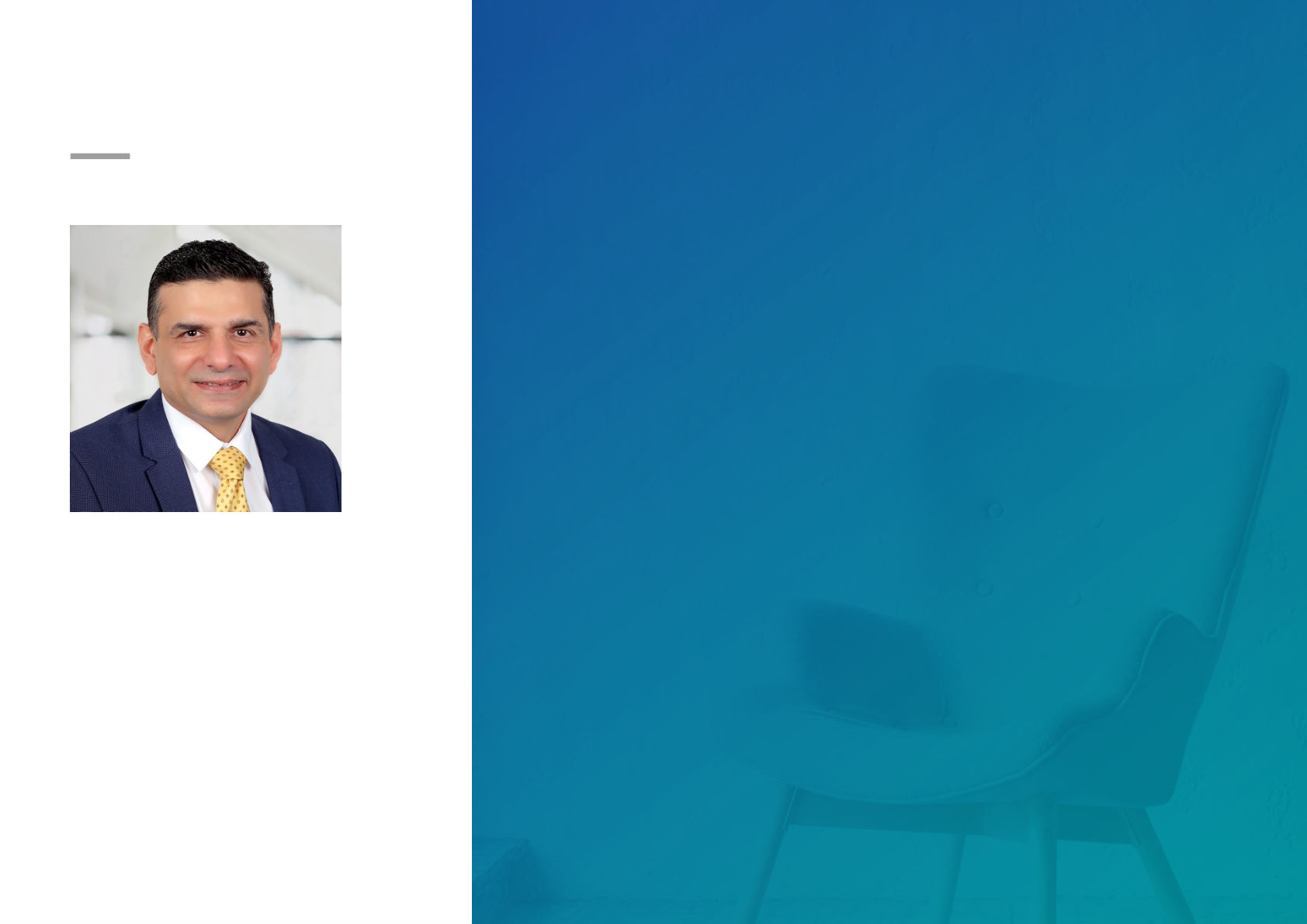
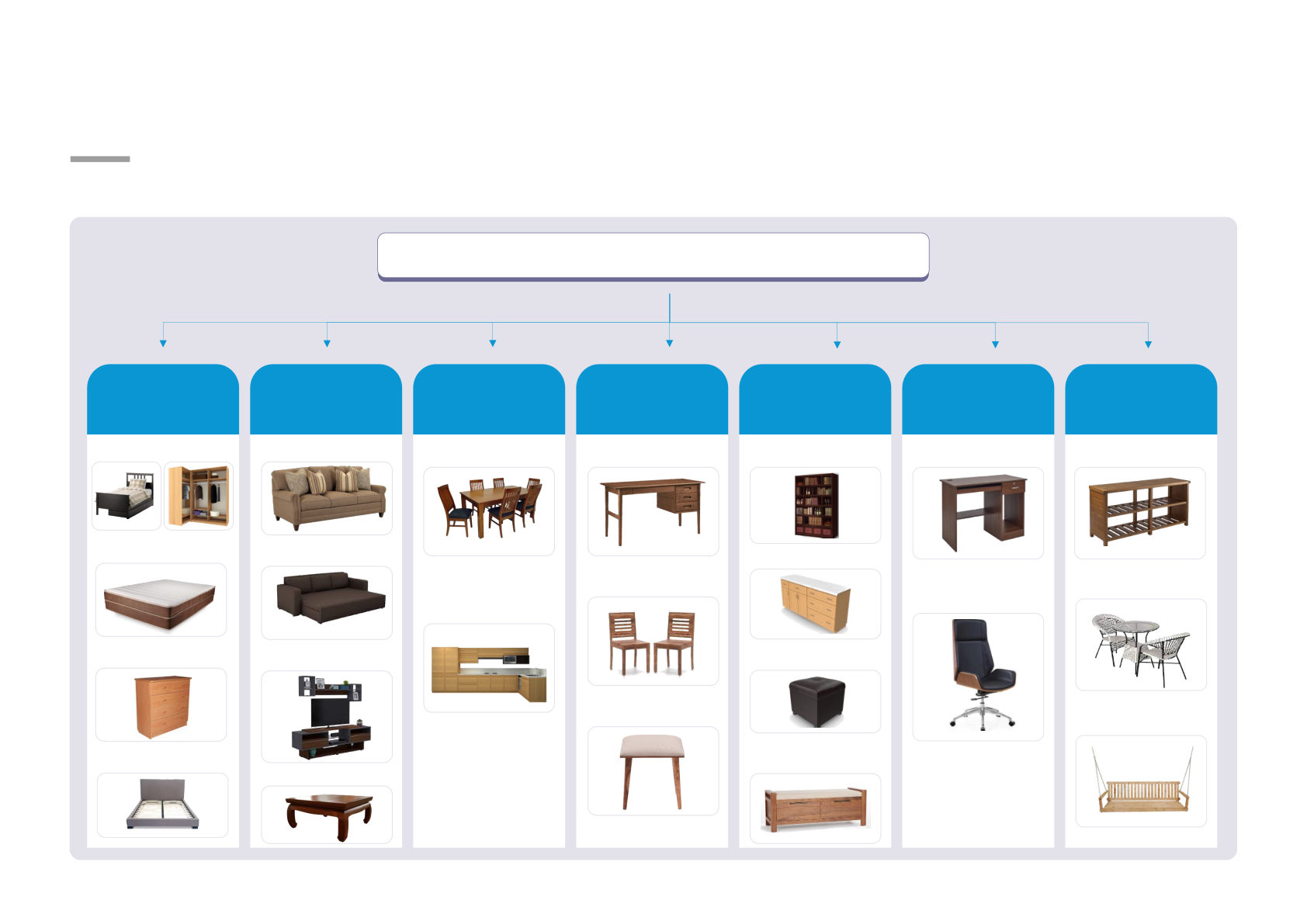
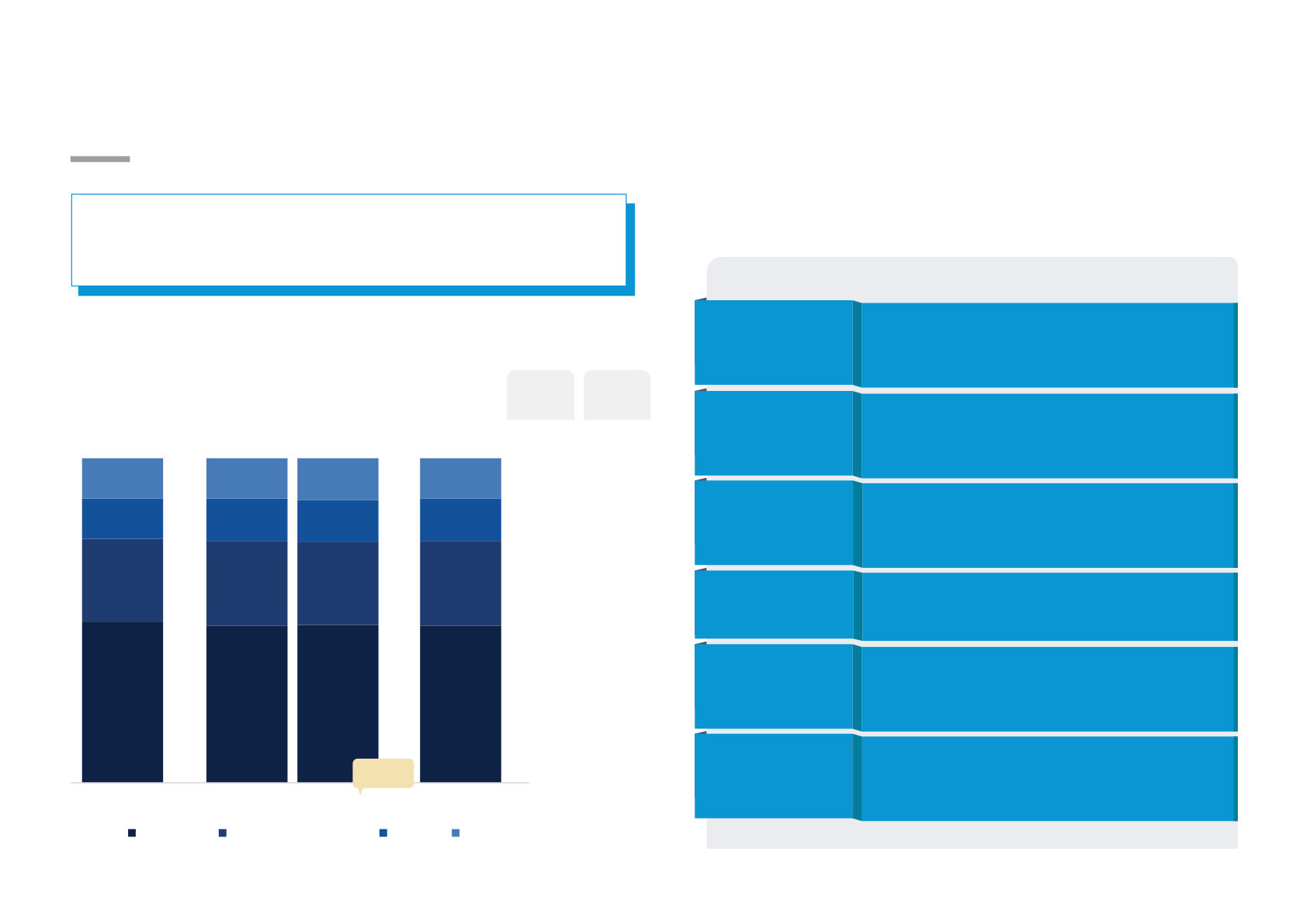
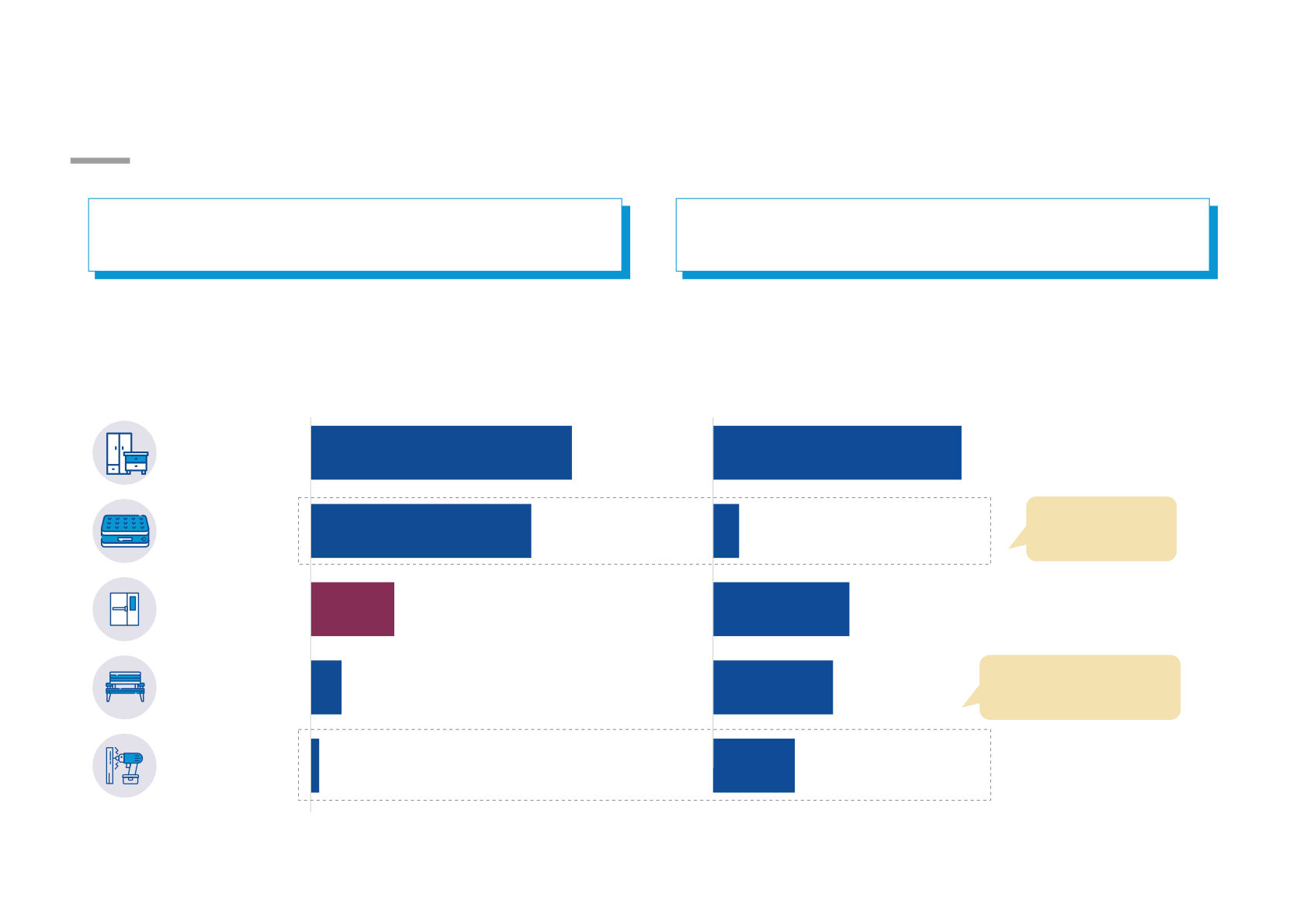
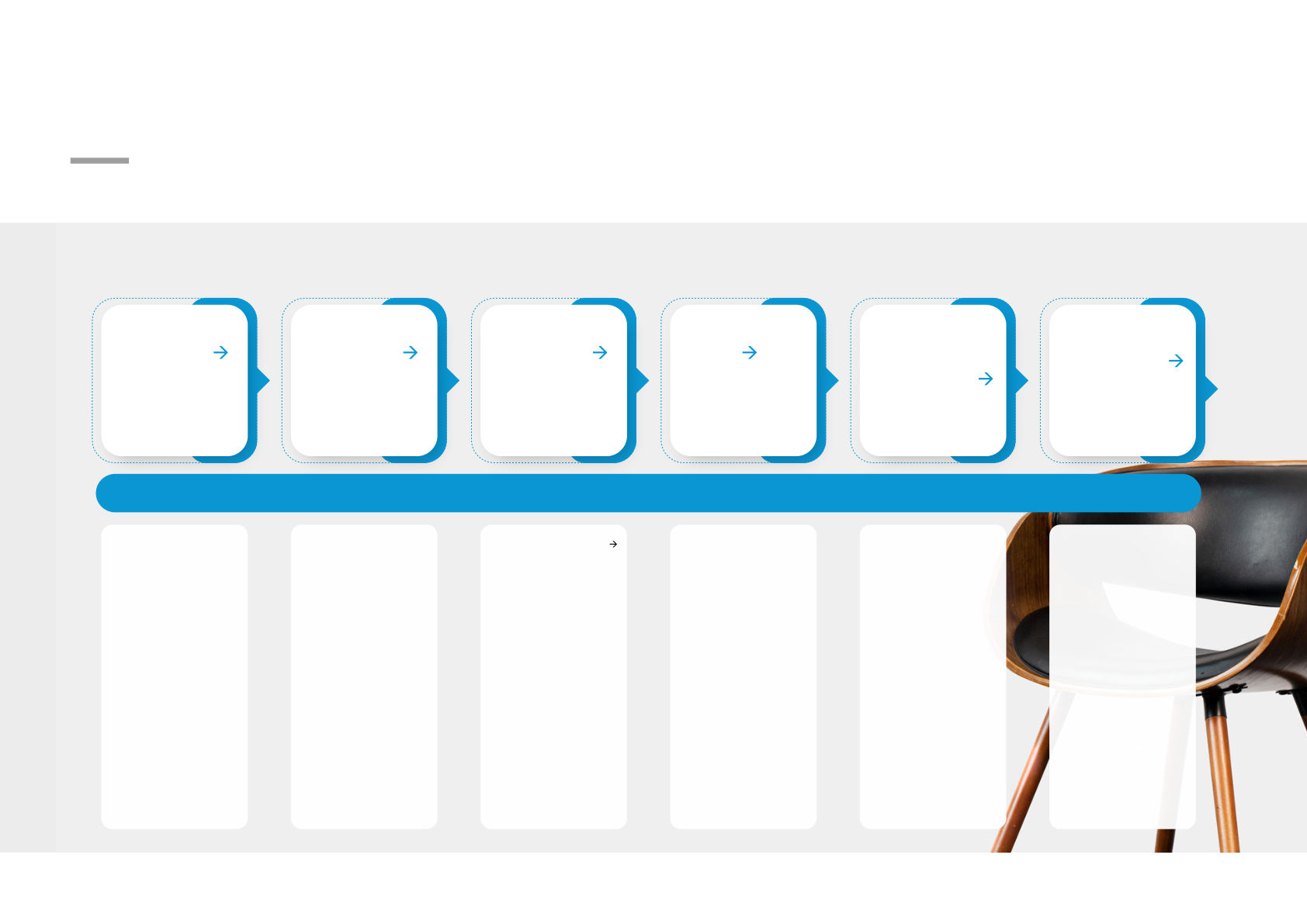
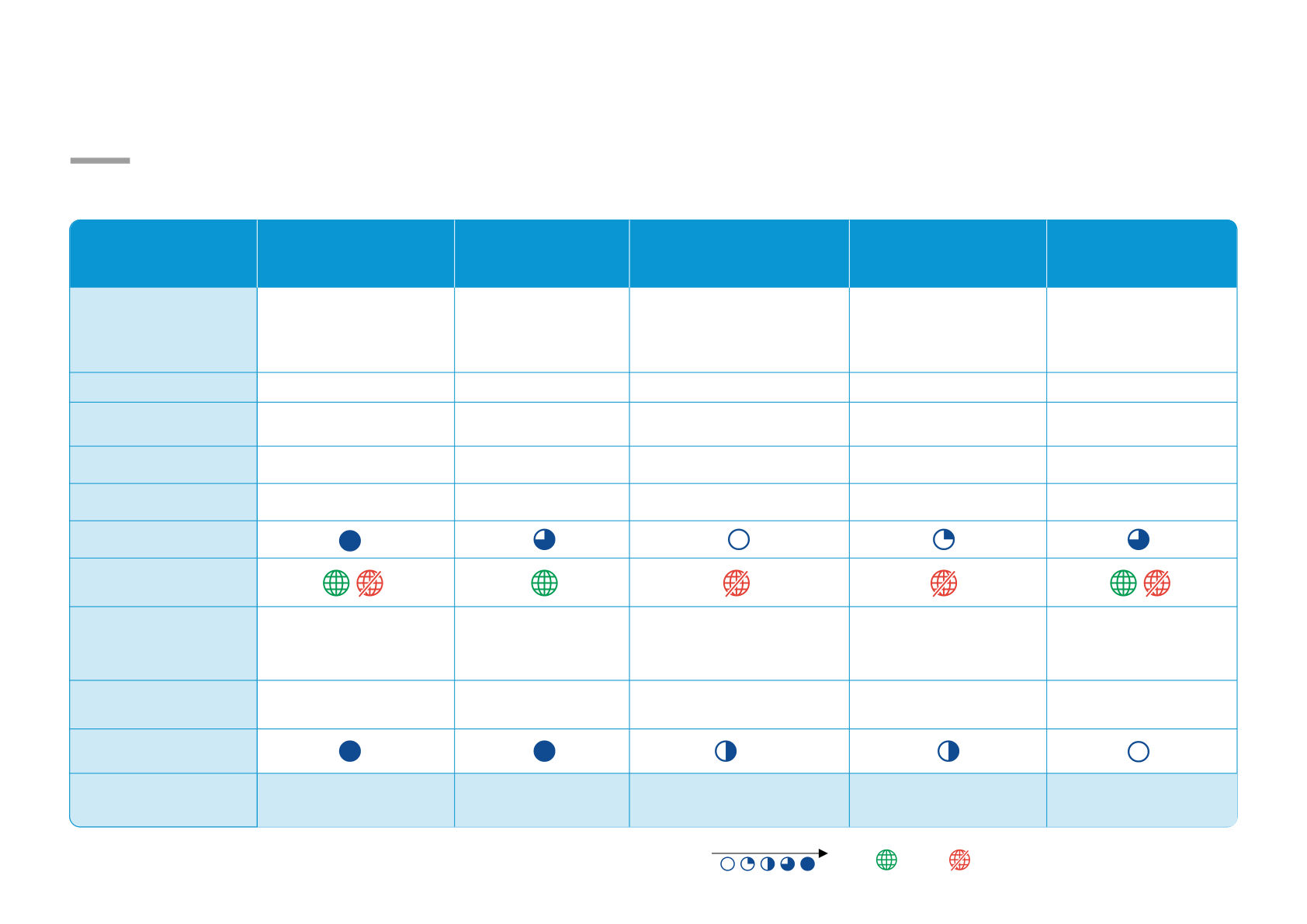
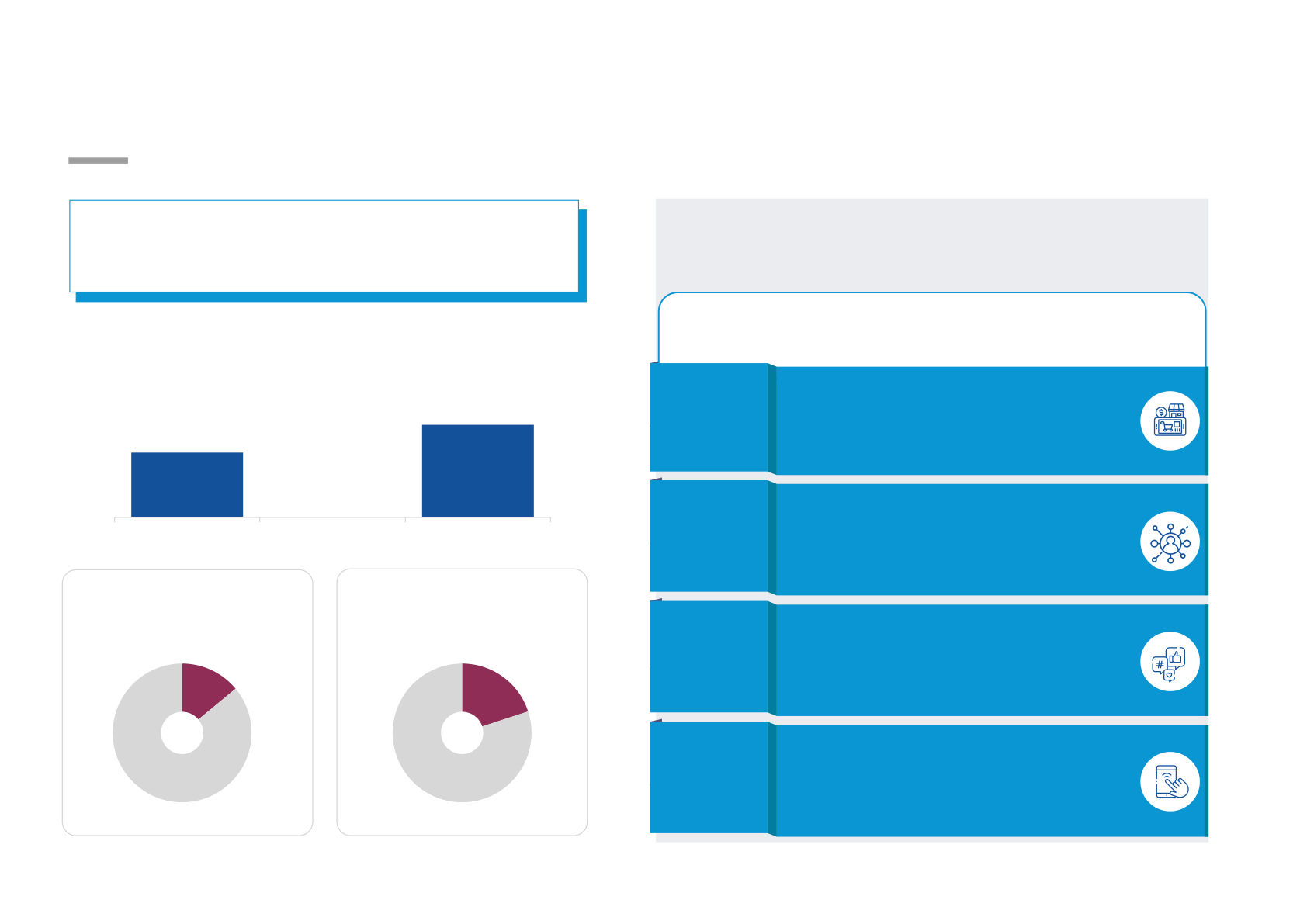
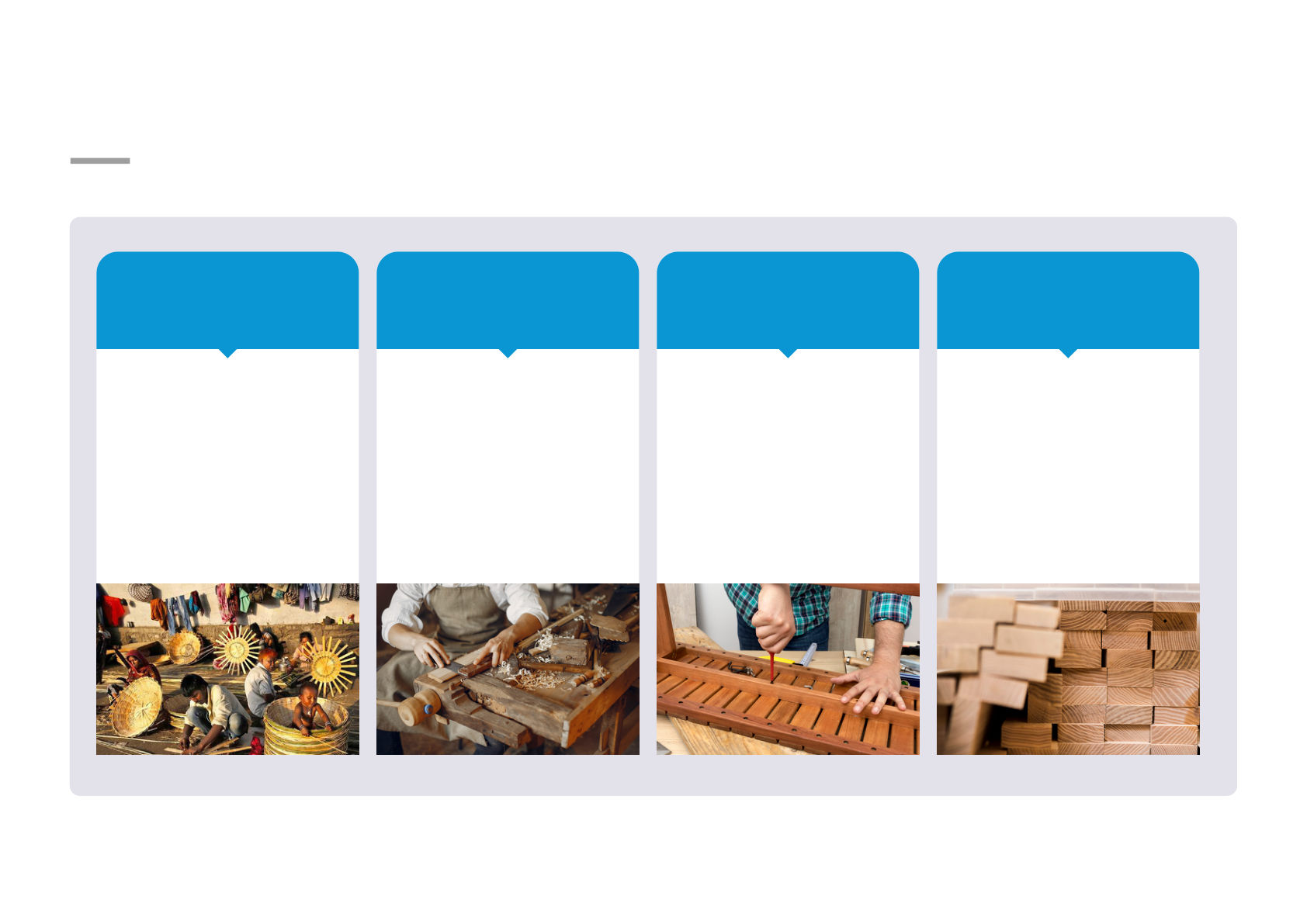
OVERVIEW OF HOME FURNITURE MARKET IN INDIA Report September 2023 Confidential and proprietary © Lattice Technologies Pvt. Ltd. The furniture market in India is a thriving industry that plays a significant role for both domestic consumption and exports. With a population of 1.4 billion Foreword people (highest in the world now), India offers a vast consumer base and a growing middle class with increasing disposable income. This, coupled with rapid urbanization and evolving lifestyles has fuelled the demand for furniture across sectors. The furniture market in India is estimated at ~INR 66K crore in FY23 and expected to reach ~INR 120K crore by FY28. It encompasses a wide range of products, with wooden furniture emerging as the main contributor to both domestic and exports markets. Traditional craftsmanship blended with modern designs offer a diverse array of options that cater to changing preferences. In recent years, the furniture market in India has witnessed notable trends. Customization has gained popularity, the demand for smart furniture has been on the rise as consumers seek innovative and multifunctional solutions. The rise of e-commerce has also encouraged the furniture market in India with online platforms providing greater accessibility and higher personalization. Overall, the furniture market in India presents a dynamic landscape characterized by growth, innovation while staying true to India's woodworking heritage and craftsmanship. Favourable business environment and evolving consumer preferences contribute to the potential in the sector for both domestic and international stakeholders. At 1Lattice, we are optimistic that this report will provide valuable insights, and we eagerly anticipate the opportunity to maintain an open dialogue with our friends across various industries. We look forward to exchanging notes and contributing to the growth of this industry. Ashish Dhir Executive Vice President, Consumer & Retail Furniture industry – Market definition Furniture market definition: Furniture includes different types of items used in different household spaces like the bedroom, living room and seating, dining, etc. Furniture market Living room & Bedroom Dining Other indoor Storage Home office Outdoor sitting Bed Wardrobe Sofa Dining table Desk Bookshelf Computer table Shoe rack Mattresses Sofa beds Cabinets Chairs Patio Kitchen Chair cupboard Chests of drawers TV unit Ottoman Stool Swing Mattress support Storage benches Table Source(s): 1Lattice analysis © 1Lattice | 03 Overall furniture market Furniture sales in India is expected to reach ~INR 83K Cr by FY25 driven by increase in spending from consumers and higher demand Growing disposable income, rapid urbanization Furniture sales in India is around INR 58K Cr in FY22 are the key growth drivers and is expected to grow at a CAGR of 13% to reach ~INR 83K Cr in FY25 Growth drivers Description Growing Furniture sales in India by product category According to MOSPI, disposable personal income in disposable India has increased from INR 206L Cr in 2019 to INR (INR Cr, %) income 238L Cr in 2021 CAGR CAGR FY17-20 FY22-25 As UN’s World Cities Report 2022, Indian urban Rapid population is projected to increase from 48 Cr (2020) 83K 53K 67K 58K 7.9% 13.0% urbanization to 61 Cr (2030) 8.0% 11.6% 12% 13% 13% 13% The government’s 100 lakh crore Gati Shakti program Ease of doing 12% 13% 13% 9.3% 13.8% 13% to ease supply chain connectivity is expected to play a business crucial role in the ease of doing business 25% 8.6% 13.4% 26% 26% 26% Real estate & Revival and further growth in real estate and hospitality sectors to drive the furniture industry’s growth in India hospitality GST enabled closing the gap of disparity in terms of New GST pricing and procurement of high-quality materials; regime leading to a sustainable growth trajectory and overcome 50% 7.1% 12.9% 48% 49% 48% VUCA situations Changing With the growing influence of western markets, furniture COVID-19 consumer impacted manufacturers are constantly developing attractive, preferences innovative, adaptable, and sustainable products FY17 FY20 FY22 FY25P Bedroom Living room & sitting Dining Others Note(s): MOSPI stands for Ministry of Statistics, Programme and implementation Source(s): 1Lattice IP, 1Lattice analysis © 1Lattice | 04 Industry trends Customized furniture and rising demand for smart furniture are some of the emerging industry trends in the evolving furniture market Growth of online furniture sales Rising demand for Smart furniture • Millennials prefer to buy items online because of convenience • Changing lifestyles, the number of functional activities offered, increasing adoption and a wider range of choices of furniture in workplaces and homes is driving the growth of smart furniture • Furniture companies have started building online capabilities, either in-house or through acquisition since the pandemic Increased interest in eco-friendly furniture • Consumer preference shifting towards non-toxic materials which are not harmful for people and the planet Hybrid in-store and online business models • Brands starting to adopt ethical manufacturing practices and using sustainable woods • Using 3D visuals and CGI services help in gaining trust and providing an enriching experience to the customers Customization is the key • Consumers now want something more unique to their own taste • Furniture now can be customized in tone, texture and fabric style • Allowing furniture companies to respond to demand rather than keep stock More flexible workspaces • Customers are also looking for furniture that can be used for both work and personal purposes Source(s): Industry reports, Secondary research, 1Lattice analysis © 1Lattice | 05 Exports and Imports India is an export positive country for furniture; Wooden furniture (~41%) is the main contributor to both exports and imports Wooden furniture (41%) followed by mattress and Wooden furniture (41%) followed by metal furniture mattress supports (37%) constitutes ~80% of exports (22%) constitutes to ~60% of imports Exports of furniture market in India Imports of furniture market in India (%, FY21) (%, FY21) Total ~INR 16K Cr Total ~INR 3K Cr Wooden 43% 41% furniture Mattress Excluding 37% 4% and mattress sleeping bags supports Metal 14% 22% furniture Includes furniture from plastic, Furniture from 20% bamboo, rattan, cane, osier 5% other materials and other similar materials Parts of 1% 13% furniture Source(s): Trademap, 1Lattice analysis © 1Lattice | 06 Consumer behavior Durability is the topmost parameter considered by customers during the purchase of furniture while brand positioning (reviews) being the least important Illustrative Selection criteria followed by customers in order of purchase selection process Ease of Brand Durability Comfort Warranty Price delivery / positioning Value for Product Functional Product installation Presence money material benefit confidence Customer across market satisfaction Ways customer evaluates / key preferences • Bias for material • Comfort with • Higher warranty • Cheaper price • Faster delivery • Online reviews type on the basis material and Better durability offered by a usually offered by and ratings of word of mouth design brand compared offline retailers • Terms of availing • Feedback from to others for similar • Great prior • Variety of benefits warranty • Availability of existing users functionality and experience with a in one product benefits custom products nearby quality particular • Multiple • Customer • Quality of material • Feedback from material • A 10-20% convenient support research used with custom trusted store premium for better • Researched storage *avenues for product products manager quality is accepted online discovery and • Variety of product • Installation • Availability details on • Discounts offered • See what is by function and convenience across retailers as warranty available with design • Flexible payment they stock the • Follows hygiene most of the options best selling requirements for brands brands delivery and installation Source(s): Primary research (Customer interviews), 1Lattice IP, 1Lattice analysis © 1Lattice | 07 Consumer persona While most consumer personas prefer new and established brands, traditionalists prefer to purchase unbranded furniture Personas of furniture buyers Illustrative Key parameters The analytical The expressive Early majority Traditionalist Value seeker considered buyer buyer buyers Tries different channels of Expresses personal Less willing to try new products, Prefers buying same product Look for product purchase to gather needs of the products less tech driven & often seek again if the price & comfort is requirement at the best Definition information more often to look for recommendations from satisfactory; prefers deal possible to ensure an ideal match experienced 35 years and above! customization at home affordability is met 25-40 years 25-40 years 35 years and above 45 years and above All age groups Age mix Corporate employee, Corporate employee, Businessman, homemaker Businessman, homemaker, Businessman, homemaker, Occupation businessman homemaker, businessman self employed self employed Education Graduate / Post-graduate Graduate Graduate or less Graduate or less Graduate or less Average spend INR 20-40K INR 15-40K INR 20K INR 15-25K INR 15K Digital involvement Preferred channel of purchase • Better quality • Better appearance • Highly recommended • Brand image • Price and discounts Key selection criteria • Price and discounts • More functionality • Ease of follow-up and • Years of presence in • Brand image • After sales service • Better comfort product’s quality assurance market • New brands • New brands • Established brands • Unbranded • Established and Brand preference • Established brands new brands Product preference Reviews on product Detail functional benefits Offline presence and Will be gained Offer relevant What can be offered comparison with variety referrals over time discounts to attract customers Online Offline Low High Source(s): Primary research (Customer interviews), 1Lattice IP © 1Lattice | 08 Online furniture market Online furniture market is estimated to reach INR 16K Cr by FY25; Innovative eRetail & wider reach driving the growth of online furniture market Online furniture market is expected to grow Need for personalization is driving the growth at a CAGR of 27% and is estimated to reach of online furniture market in India INR 16K Cr by FY25 Furniture sales in India Growth drivers Description (INR Cr) • From well-listed and segmented products based on colour, function and area of the space to the use of Innovative 83 AR/ VR, online retail is now offering consumers a eRetail near-perfect and immersive buying experience 58 • Saves up their time and energy while relaxing at home • Efficient and timely deliveries with options to track shipment, easy returns/ exchange policy, and Wider FY22 FY25P value-added services like furniture assembly, and reach dismantling by last-mile service providers have been instrumental in the growth of online furniture retail Online market share FY22 D2C market share FY25P (%) (%) • Customers are able to find different furniture Boom of brands (big and small) across different social media (Instagram, Facebook etc.) with smart catalogues Online Social Media • Brands getting frequent feedbacks helps them to Online 14% 20% improve their services Increased • Growing internet usage at affordable rates and the 84% 80% rise of smartphones lead to easier access internet Others Others • E-banking and digitization are the norms penetration Source(s): Secondary research, 1Lattice IP, 1Lattice analysis © 1Lattice | 09 Challenges A highly unorganized market, insufficient skilled labour and inventory management are some of the challenges faced in this sector Highly unorganized Insufficient skilled Increased demand Other sector labour for custom furniture challenges • ~70-80% of the Indian furniture • A large part of the current • The increase in demand for • Other bottlenecks like longer market is unorganized population wishes to purse customized furniture forces the lead times, unavailability of alternate careers rather than manufacturer to be more agile: adequate raw materials, • Lack of standardization in terms the family line of work which quick change-over in the production infrastructure, high import duties of quality, designs, and other means that there are not line, pull strategy approach on raw materials, and key parameters enough skilled personnel inadequate skill development • Manufacturers will need to monitor pose challenges inventory levels in detail and employ VMI and JIT approaches Note(s): NFP stands for National Forest Policy; VMI stands for Vendor Management Inventory and JIT stands for Just in Time Source(s): Press releases, Secondary research, 1Lattice analysis © 1Lattice | 10 Way forward The furniture market in India is therefore, poised for significant growth, with an expected CAGR of 13% leading to a projected value of ~INR 83K Crores (US$ 10.1 billion) by FY25. This growth is primarily driven by increased consumer spending and various key factors present in the industry. One key opportunity lies in the real estate and hospitality sector, which is gradually recovering post-COVID. As these sectors regain momentum, the demand for furniture is expected to rise, presenting a favorable market for furniture players. Furthermore, the influence of western markets has led furniture manufacturers to continuously develop attractive, innovative, adaptable, and sustainable products. By aligning with global trends, Indian furniture manufacturers can cater to evolving consumer preferences and capture a larger market share. Moreover, India's furniture industry maintains a positive trade balance, benefiting from cheaper labor costs. With a focus on export-oriented manufacturing, India is well-positioned to continue its export-positive status, contributing to the growth of the industry. However, challenges persist, such as the highly unorganized nature of the market and the lack of skilled labor. Efforts are being made to address these issues, including the implementation of GST, which is reducing the pricing disparity between organized and unorganized markets and improving procurement processes. The online furniture market is expected to reach around INR 16K Crores (US$ 2 billion) by FY25, driven by the need for personalization. Both online and offline players should conduct regular research to understand changing consumer needs and emerging trends, ensuring they remain competitive and cater to evolving customer preferences. In conclusion, the future of the furniture market in India holds promising opportunities for growth, with the industry poised to meet the demands of a rapidly developing economy and changing consumer landscape. By addressing challenges, focusing on innovation, and embracing new market dynamics, furniture players can position themselves for success in this evolving market. We are here for you Let us know how we can meet your business requirement? Ashish Dhir Connect now Executive Vice President - Consumer & Retail Vaishnav Kumar Rai 1Lattice Manager – Corporate Communications E: communications@1lattice.com M: +91 782 794 4925 Gurugram Bengaluru New Delhi Mumbai www.1lattice.com Disclaimer: This material has been prepared by 1Lattice, which is the trade name of Lattice Technologies Private Limited (“1Lattice”, “we” or “our”) with the intent to showcase our capability and disseminate learnings to potential partners/clients. This material can be referred to by the readers on the internet but should be referenced to 1Lattice, if reused or adapted in any form, or medium and on any forum. The frameworks, approaches, tools, analysis and opinions are solely 1Lattice’s intellectual property and are a combination of the collection of the best data we could find publicly, and the 1Lattice team’s own experiences and observations. Any information provided herein is only for informational purposes and you are advised to perform an independent analysis of the same before making any decision based on such information. The information does not constitute any business advice or guidance and is to be construed as a general summary based upon the publicly available information and our interpretation of the same using our resources. For this material, we may have relied upon different sources of information which may be primary sources, publicly available information, and relevant information available with us. We make no representation or warranty, expressed or implied, that such information is accurate or complete, and nothing contained here can be construed as definitive predictions or forecasts. Before reading further, the Recipient expressly agrees that this might not address any and all risks and challenges facing the Recipient, its business, and the markets within which it operates, nor all possible market conditions. Any use of the information provided herein by the viewer shall be at the sole risk of the viewer and 1Lattice or its business partners, affiliates, agents, officers or employees shall not be liable for any unintended or adverse effect or outcome from the use of such information by the reader. 1Lattice does not have any duty to update or supplement any information in this document. 1Lattice shall not be responsible for any business or commercial loss sustained by any person who relies on any information provided herein. Any and all logos of companies used in the information provided herein have been published for information purposes only and 1Lattice does not hold any liability in connection therewith. Our team Abhishek Maiti Abhilasha Jaju Praneet Singhal Roma Dixit Industrial Good & Services, Financial Services Technology & Internet Financial Investor Group, Technology & Internet Consumer & Retail 6.5+ yrs. of experience 13+ yrs. of experience 16+ yrs. of experience 14+ yrs. of experience BITS Pilani, IIM Lucknow NMIMS IIT Delhi, IIM Indore ICFAI Business School Arindam Gupta Ashish Dhir Parul Garg Harsh Salgaonkar Healthcare & Lifesciences Consumer & Retail Consumer Financial Services 25+ yrs. of experience 25 yrs. of experience 5+ yrs. of experience 6+ yrs. of experience Faculty of Management Masters of Business Administration from NIT Kurukshetra, Mumbai University Studies, New Delhi Lancaster University Management School, University of Delhi UK Kiran Achanta Tarak Pandey Aastha Singh Technology & Internet Financial Services Financial Investor Group, Consumer & Retail 5+ yrs. of experience 6+ yrs. of experience 1.5+ yrs. of experience VIT University, IMT Ghaziabad SRM University, Chennai LSR, Delhi The team at appreciates your time and support THANK YOU Enabling Better Decisions. New Delhi Gurugram Mumbai Bengaluru Unit 5, Ground Floor, Tower A, 4th Floor, DLF 112, First floor, 2734, Fourth floor, Uppal Plaza M6, District Centre Court, DLF Phase Workafella, AK Estate, HSR Layout, Sector 1, Centre, Jasola -110 025 5, Sector 42, Goregaon West, 27th Main, 16th Cross, New Delhi, India Gurugram-122 002 Mumbai - 400 062 Bengaluru - 560 102 Haryana, India Maharashtra, India Karnataka, India Registered address: Unit 5, Ground Floor, Uppal Plaza M6, District Centre, Jasola, New Delhi -110025 1Lattice We enable better decision making. Technology-backed business support that helps you ENABLE BETTER 200+ 30% annual engagements faster to outcomes DECISIONS Deep on-ground insights that you can act on 8 600+ practices years domain expertise 4 offices, deep experience across geographies – India, the USA, Europe, MEA, and SEA regions 130+ 98%+ team members accuracy One-ness of data and people networks to harness the collective power of data, network, and technology 100+ 2.5M towns & cities panel members Multi-faceted teams offering a stack of consulting, advisory, and research services 15+ 40:60 languages covered she/he ratio