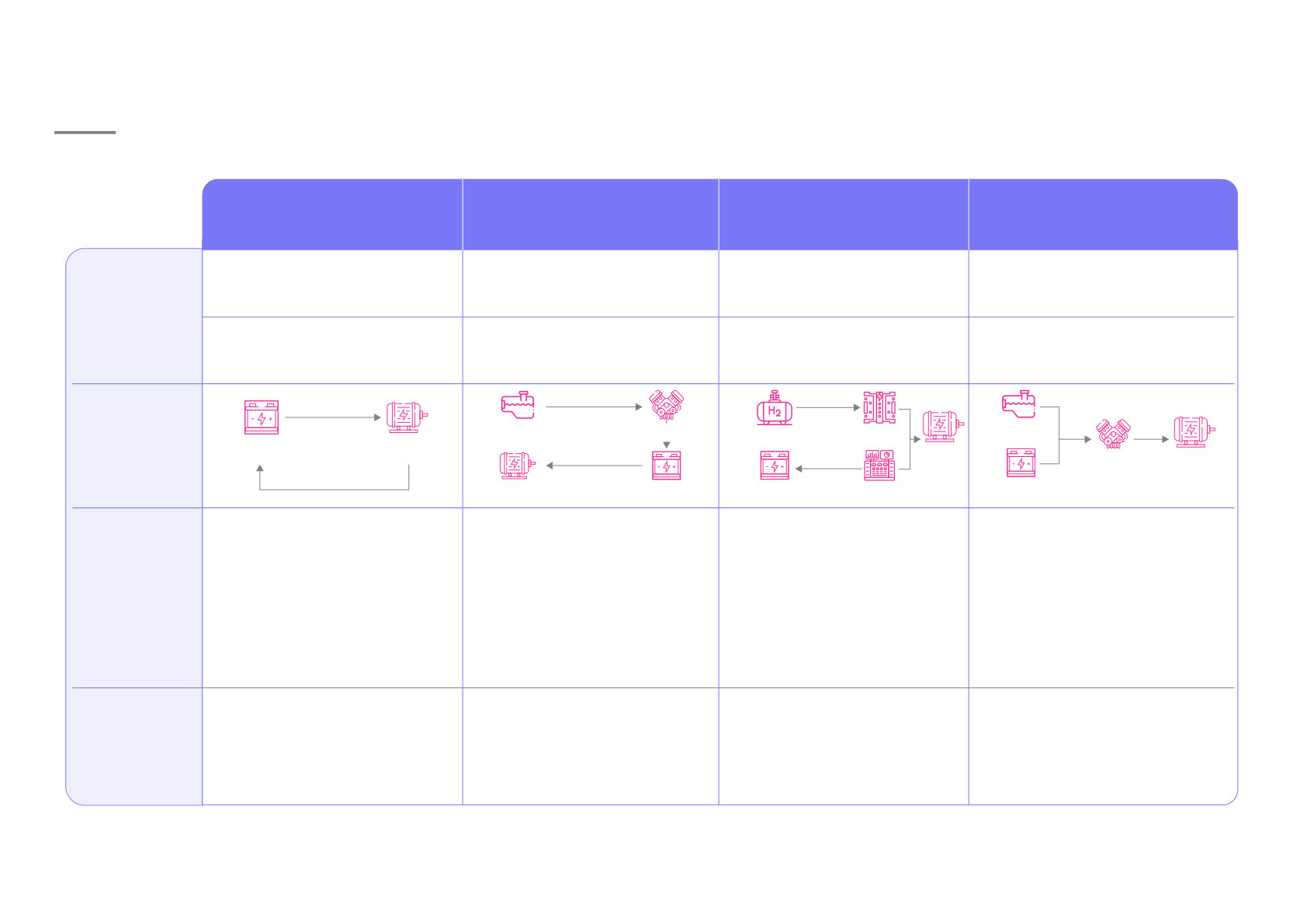
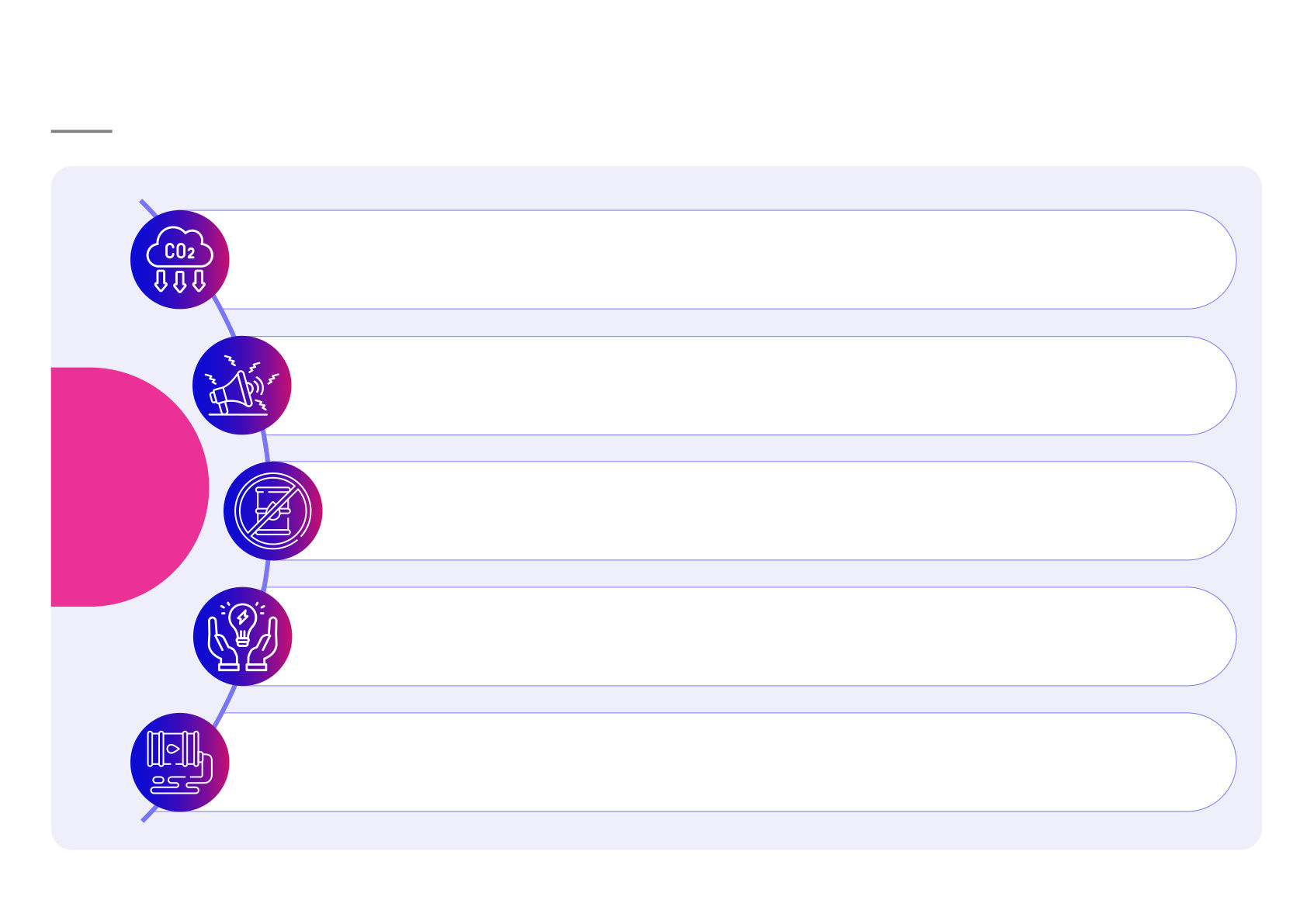
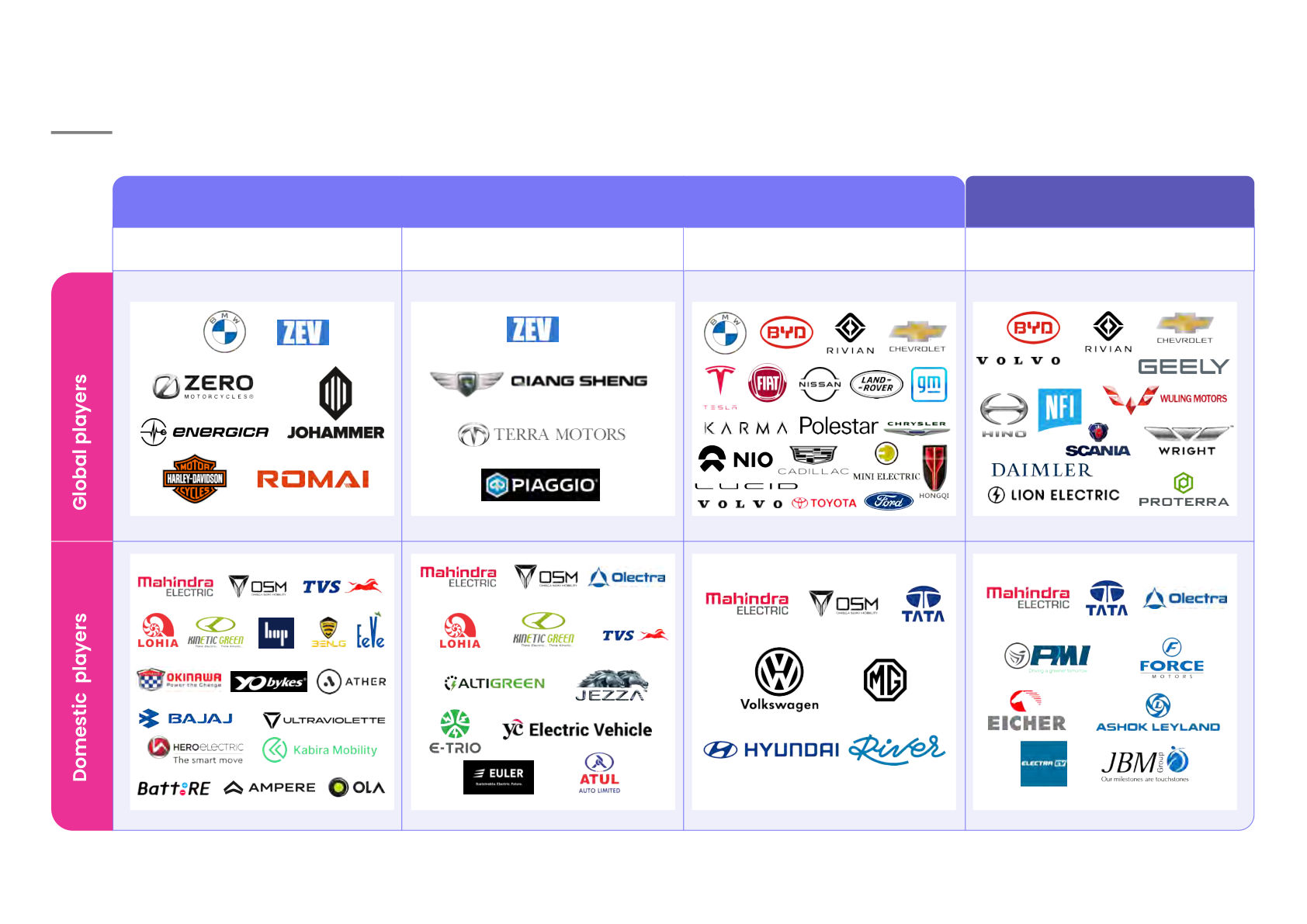
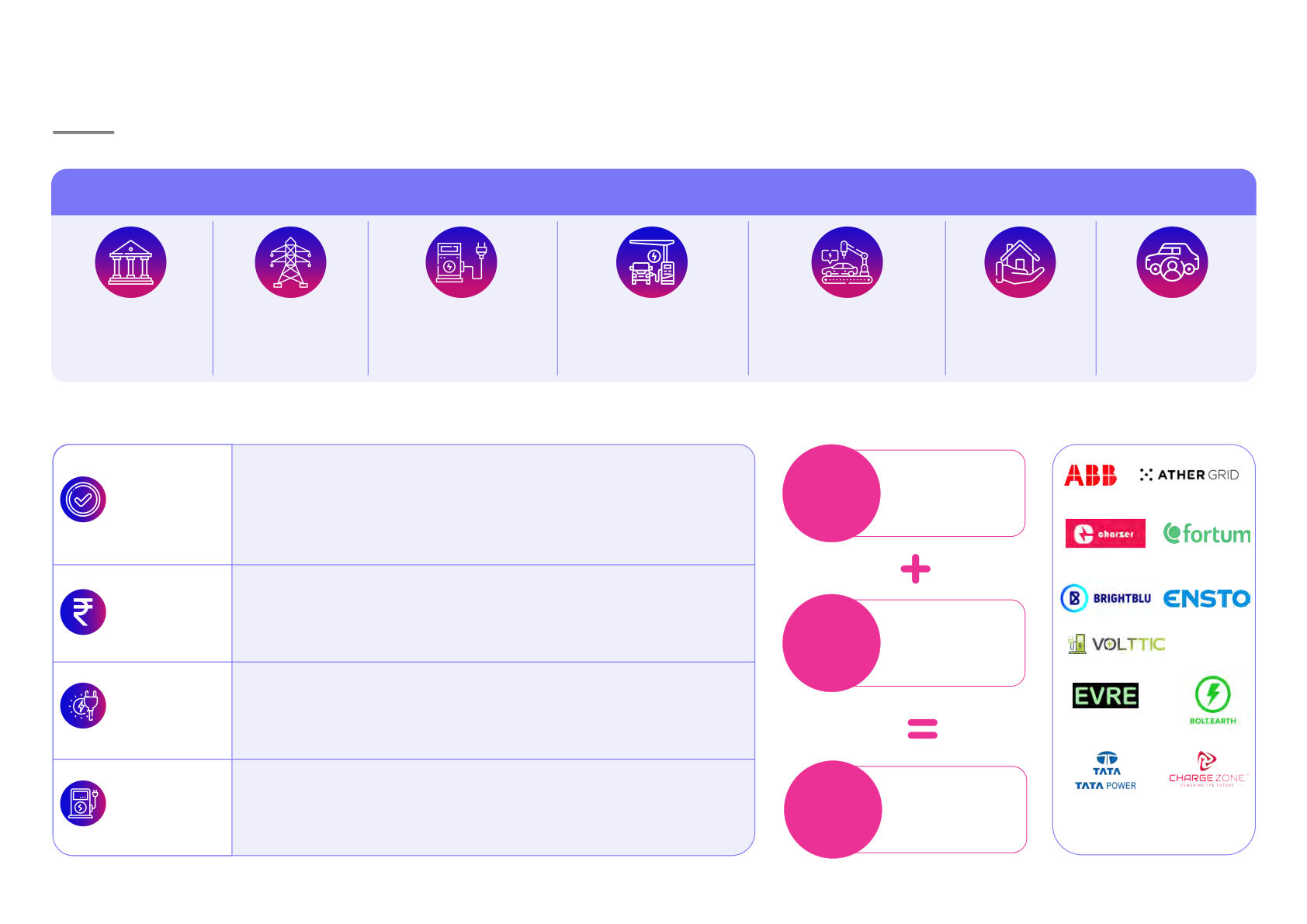
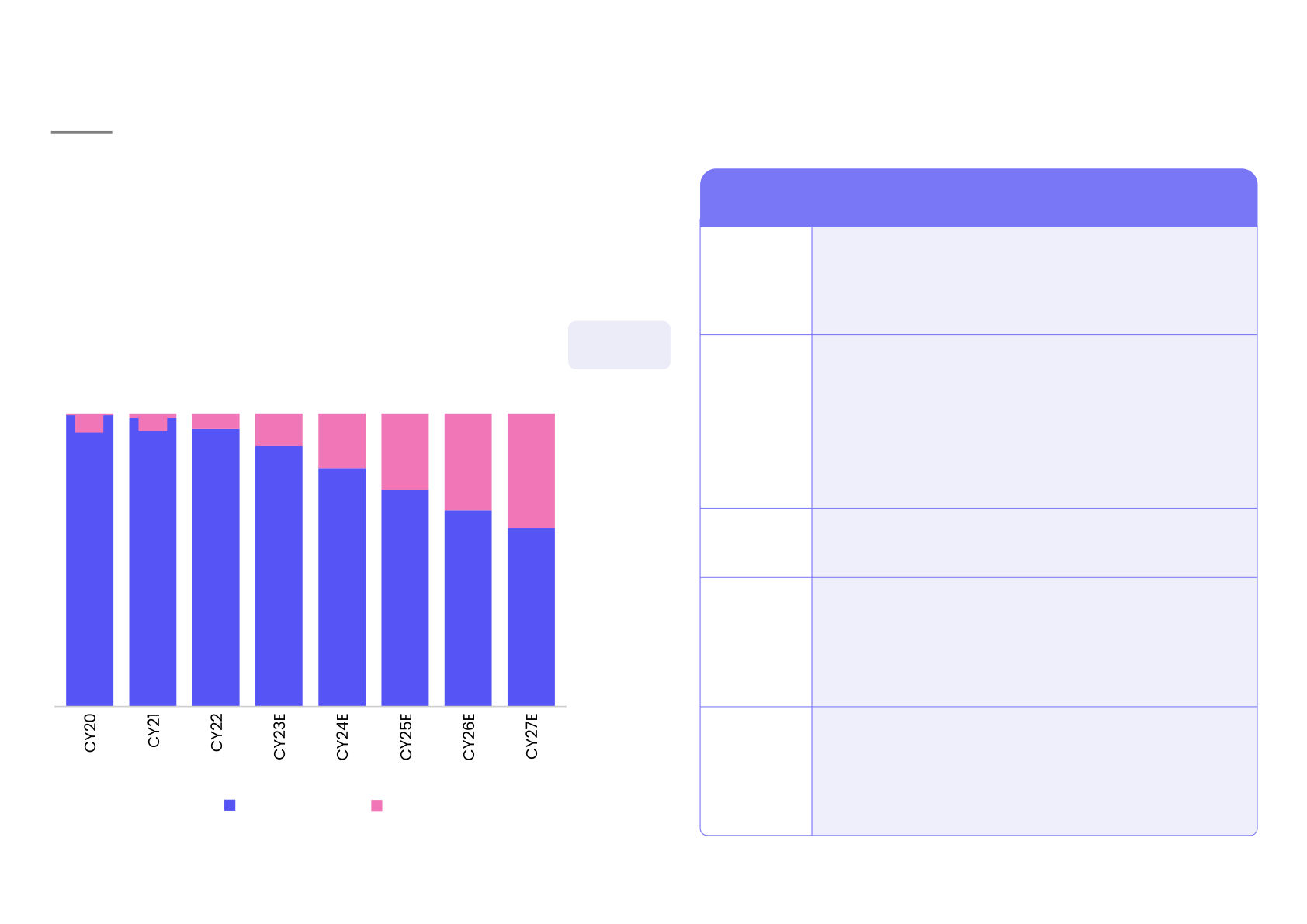
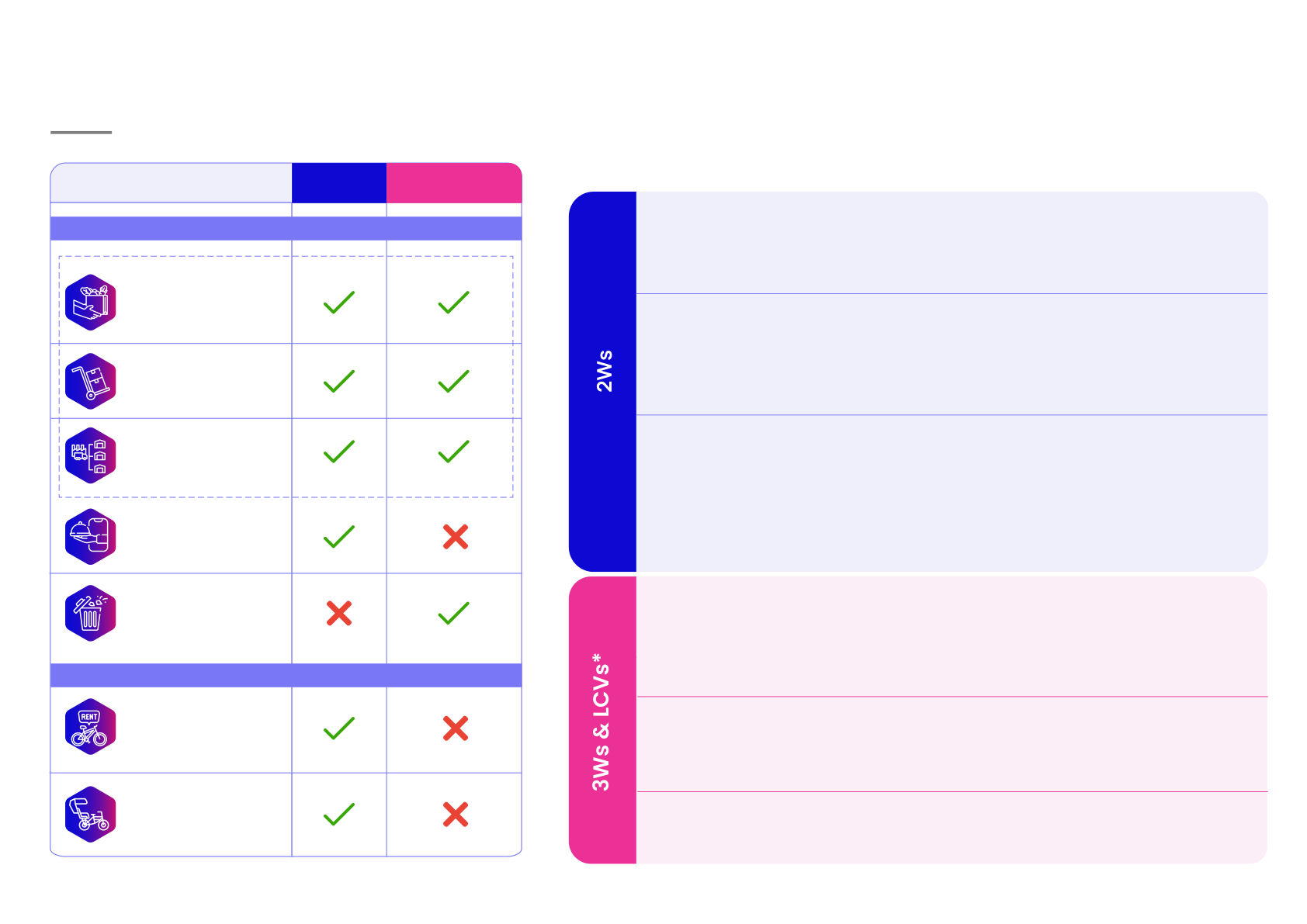
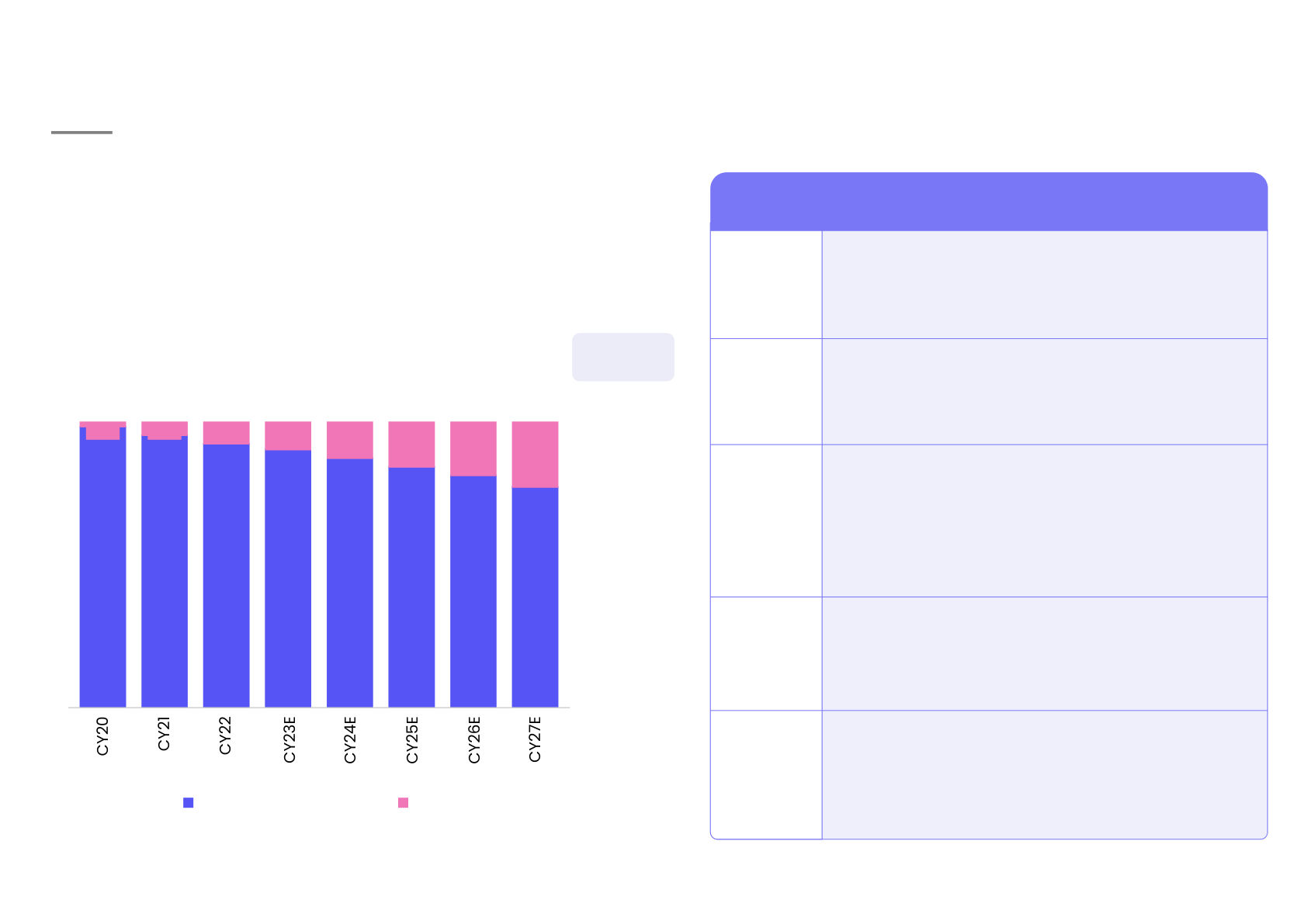
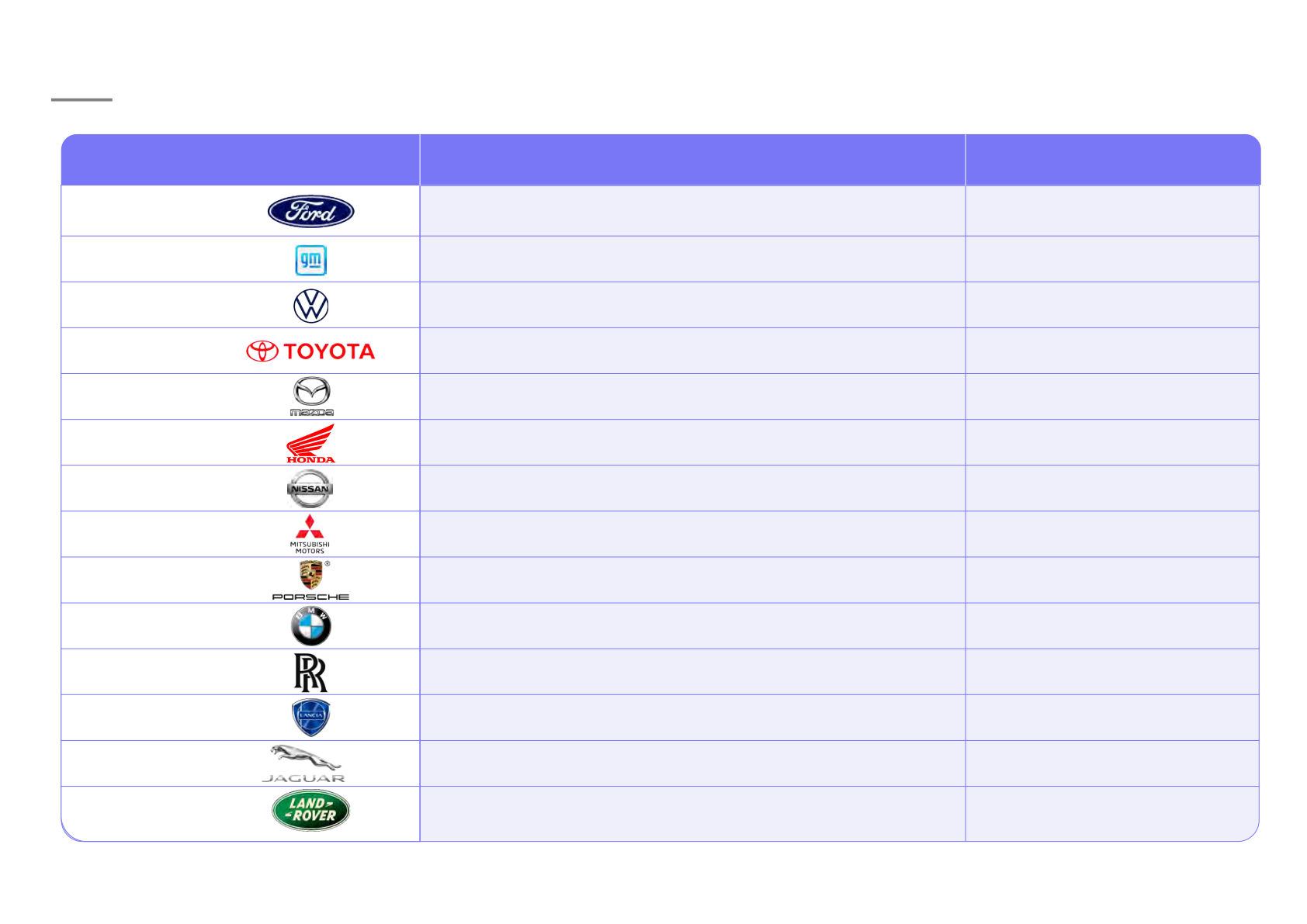
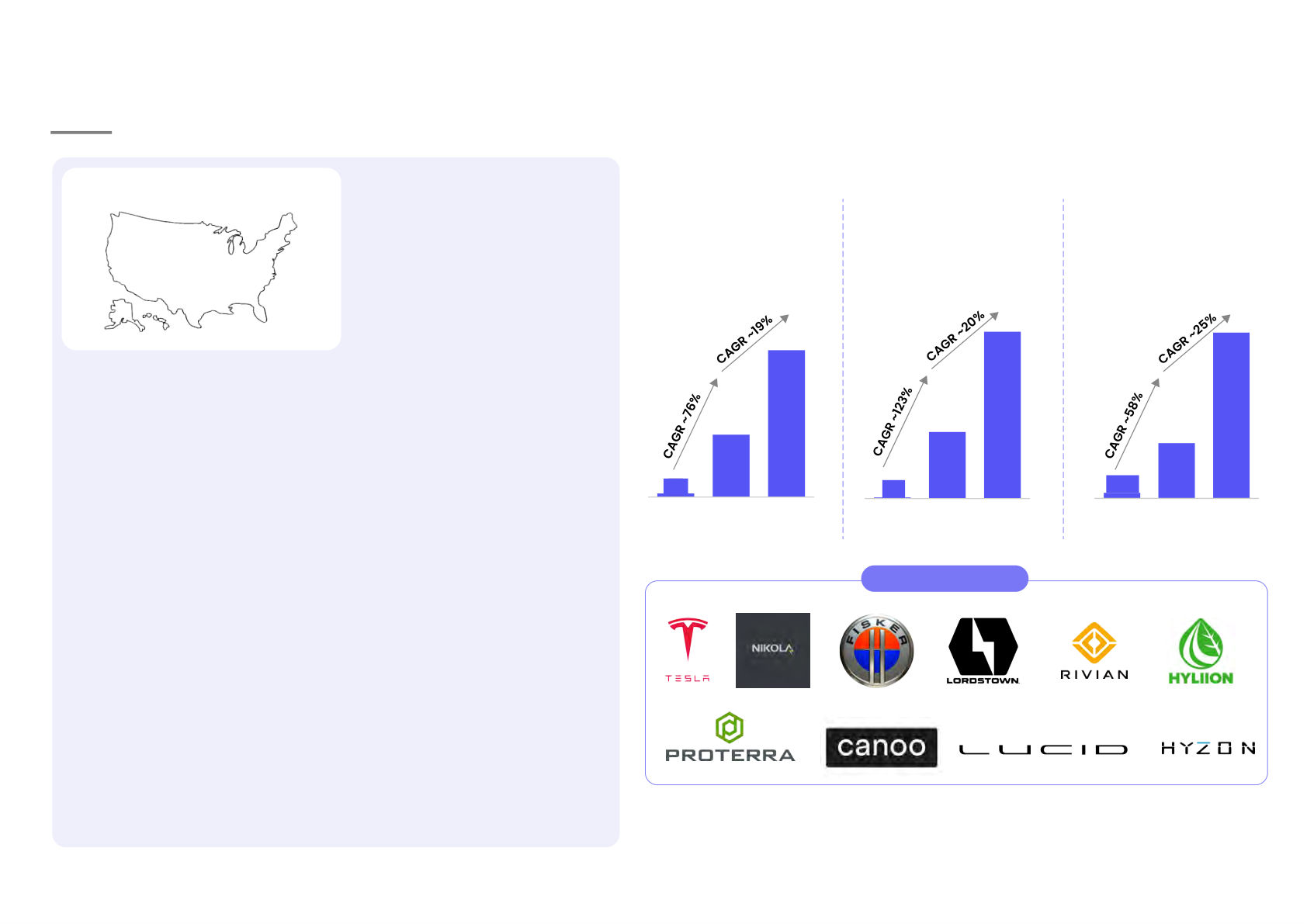
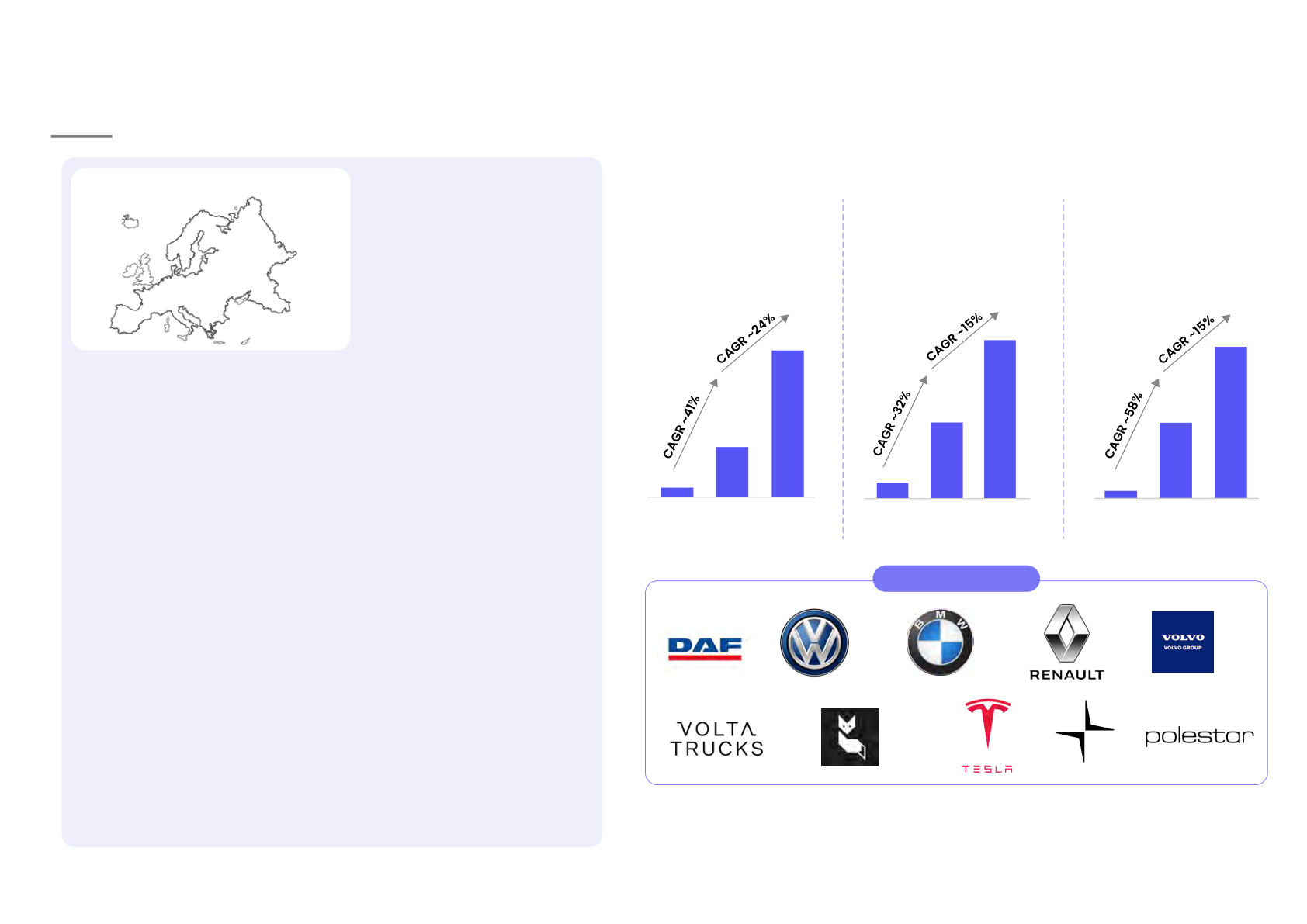
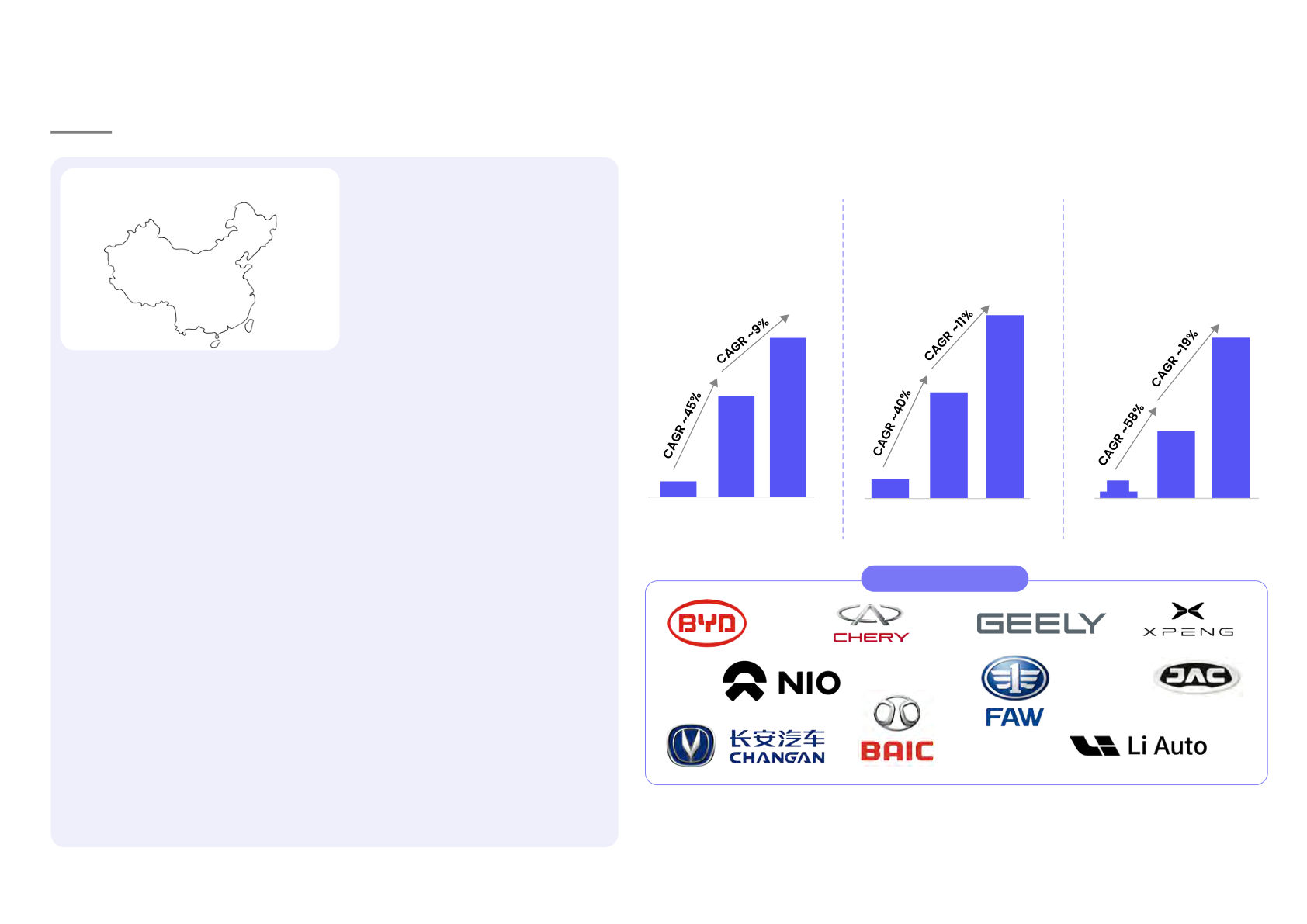
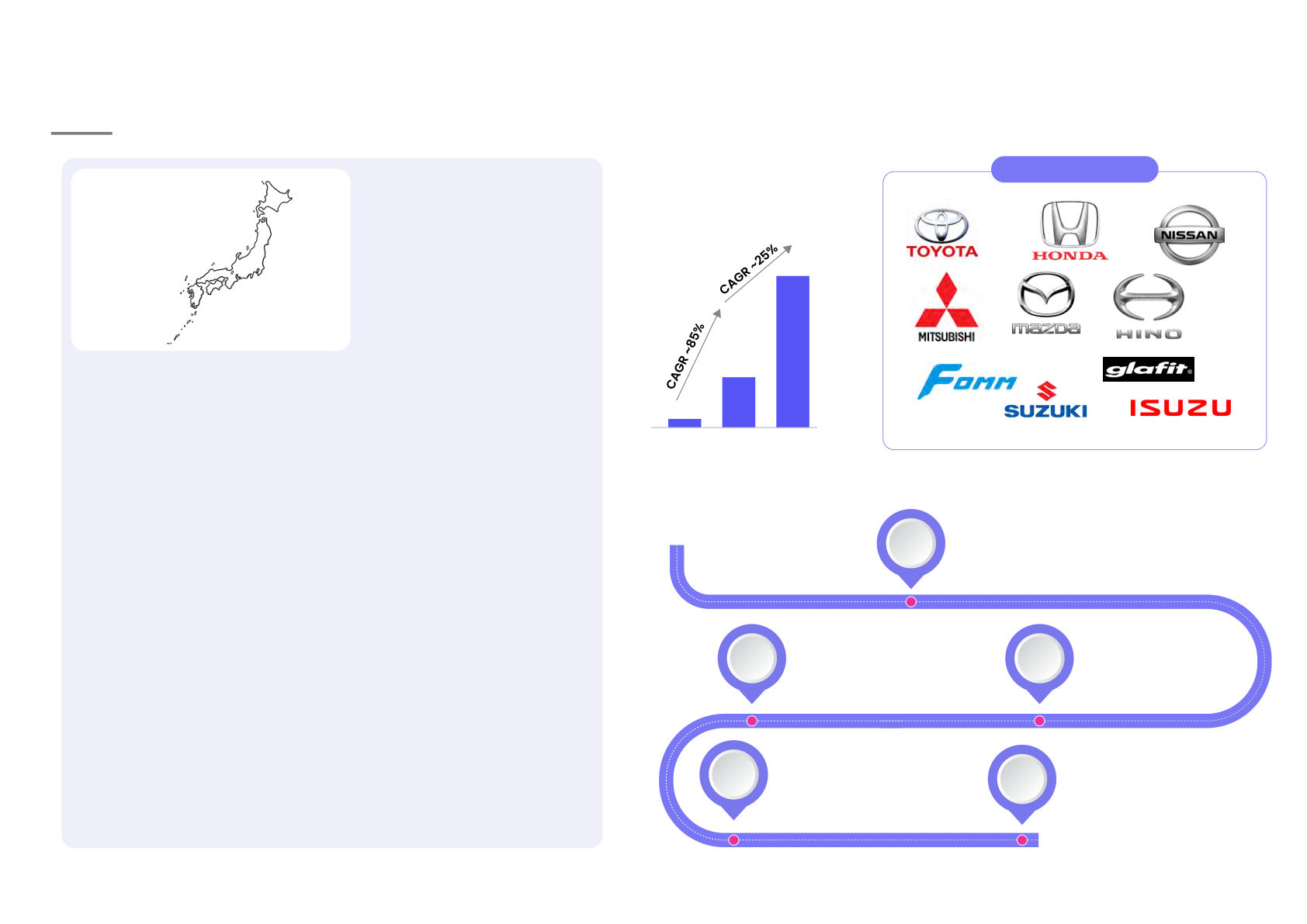
Driving the green transportation revolution Report @Lattice Technologies Pvt. Ltd. MAR, 2024 Electric vehicles are revolutionizing the It’s not just environmental benefits that Foreword automotive industry by providing a more are the drivers for the adoption of EVs, eco-friendly and sustainable mode of but commercial and customer benefits transportation. There are various types of play a huge role as well. They provide EVs, including Battery Electric Vehicles financial & insurance benefits while (BEVs), Hybrid Electric Vehicles (HEVs), keeping the operational costs minimal Plug-in Hybrid Electric Vehicles (PHEVs), and keeping the driving experience very and Fuel Cell Electric Vehicles (FCEVs). user-friendly. BEVs operate solely on electric power, The future looks bright for EVs, with while HEVs combine electric and internal expectations of continued growth, combustion engines, and PHEVs can run increased affordability, longer range, on both electricity and fuel. FCEVs and a more extensive network of produce electricity using hydrogen. EVs charging stations, making electric have a wide range of applications, from mobility a mainstream choice for personal cars and public transportation sustainable transportation worldwide. to commercial fleets. This report aims to provide various The industry is rapidly evolving, with industry stakeholders including business major automakers committing to leaders an overall perspective on the electrification goals, governments market. offering incentives, and advancements in The situation is evolving rapidly, and battery technology and charging some of the expected scenarios might infrastructure. have slight variations. The report reflects EVs are being adopted at an exponential our perspectives as of September 2023. rate because of several growth drivers, We, at 1Lattice, look forward to continuing which include environmental benefits, the discussion with our friends across like reduction in GHG emissions, noise sectors and exchanging notes. pollution, fossil fuel dependence, and energy efficiency. Abhishek Maiti Director [1/2] Executive summary Electric Vehicles (EVs) have emerged as a pioneering force in the transportation industry, reshaping the way we think about mobility. With their environmentally friendly attributes, reduced emissions, and innovative technology, EVs represent a pivotal shift away from traditional internal combustion engine vehicles. These vehicles are powered by electricity, stored in advanced batteries, rather than relying on fossil fuels. As the world grapples with concerns about climate change and pollution, EVs have gained remarkable traction as a sustainable and energy-efficient alternative. In this era of rapid technological advancement, the rise of EVs signifies a transformative journey towards a cleaner, more efficient, and more sustainable future of transportation. This introduction explores the key aspects and the growing significance of Electric Vehicles in our modern world. India has achieved significant milestones in the development of electric vehicles (EVs). The journey started in 1993 with the 'Lovebird,' the country's first electric car. However, it faced challenges such as slow charging and hill-climbing capabilities. In 1996, the 'Vikram Safa,' India's first electric three-wheeler, was launched, but it had limitations, including high battery costs and a short lifespan. The breakthrough came in 2001 with the successful launch of the 'REVA,' India's first electric car. Over the years, the government has launched initiatives like the 'National Electronic Mobility Mission Plan 2020' and the FAME program to promote EV adoption and charging infrastructure development. FAME II, launched in 2019, has a substantial budget to further accelerate the EV ecosystem. The revised guidelines for charging infrastructure, effective from 2022, emphasize accessibility and affordability, demonstrating India's ongoing commitment to EV development. [2/2] Electric vehicle (EV) sales are predicted to grow rapidly with a Compound Annual Growth Rate (CAGR) of approximately 40% from 2020 to 2027. In contrast, traditional internal combustion engine (ICE) vehicle sales are forecasted to have a slower CAGR of around 3% during the same period. This divergence in growth rates highlights the rapid shift towards electric mobility and its transformative impact on the automotive industry. The surge in the popularity of electric vehicles (EVs) can be attributed to several important factors like governmental policies, financial incentives, and rapid infrastructure development. Governments worldwide are prioritizing clean transportation in response to climate change concerns and the need to reduce emissions, making EVs a key focus. Consumers are also increasingly attracted to EVs due to advances in battery technology and energy storage, which make them more reliable. Moreover, significant investments in charging infrastructure by public and private entities are essential for the widespread adoption of EVs. Changing attitudes towards environmentally friendly and cost-effective transportation options are also contributing to the growing demand for EVs. Lastly, the economic growth of emerging markets and increased urbanization are leading to greater transportation needs, with EVs seen as a sustainable and modern solution for these markets. As the EV vehicle market continues to grow, we can expect to see innovations, zero-emissions vehicles, and more applications of EVs across industries. Agenda Overview EVs: Indian outlook EVs: Global outlook Overview There are 4 types of EVs – battery electric vehicles, hybrid electric vehicles, [1/2] fuel cell electric vehicles, plug-in hybrid electric vehicles Battery electric Hybrid electric Fuel cell electric Plug-in hybrid electric vehicles (BEVs) vehicles (HEVs) vehicles (FCEVs) vehicles (PHEVs) • Powered solely by one or • Combines an internal • Uses a fuel cell to generate • Combines an internal more electric batteries combustion engine with an electricity from hydrogen combustion engine with electric motor electric motor & batteries Definition • Electric motor drives the • Electric motor & internal • Hydrogen reacts with • Can operate in all-electric wheels directly combustion engine work oxygen to produce mode & use internal together combustion engine Engine Fuel tank Working Fuel tank Hydrogen tank Fuel cell Battery Motor model Motor Engine Motor Brake Battery Motor Battery Battery Power control unit • Zero tailpipe emissions & • Better fuel efficiency & • Zero tailpipe emissions & • Lower fuel consumption & reduced greenhouse gas reduced emissions reduced greenhouse gas reduced emissions emissions compared to conventional emissions compared to conventional vehicles vehicles • Less maintenance & • Quiet & smooth operation Advantages operating costs due to • Regenerative breaking • Extended driving range with • High torque* at low speeds fewer moving parts improves energy efficiency both electric & combustion engine • Less noise pollution • Potential for all-electric driving at low speeds for • Ability to recharge battery • Recycling & end-of-life • Higher fuel consumption • High cost of fuel cell • Complexity of dual management of batteries compared to BEVs & PHEVs technology powertrain system Challenges • High upfront cost as • Less energy-efficient at • Inadequate hydrogen • Maintenance & repair of compared to conventional high speeds & long production, distribution, & battery & combustion engine refueling infrastructure Note(s): *a force that tends to cause rotation © 1lattice | 06 Source(s): Press release, media reports, 1Lattice analysis Overview There are 4 types of EVs – battery electric vehicles, hybrid electric vehicles, [2/2] fuel cell electric vehicles, plug-in hybrid electric vehicles Battery electric Hybrid electric Fuel cell electric Plug-in hybrid electric vehicles (BEVs) vehicles (HEVs) vehicles (FCEVs) vehicles (PHEVs) • All-electric driving range, • Limited all-electric driving • Driving range comparable • Both all-electric & extended Driving typically 100-300+ miles range to conventional vehicles driving range with the range combustion engine • Charging time varies Fuelling / • Charging time varies from • No need for charging; uses • Refueling time similar to depending on battery charging a few hours to over 12 hours gasoline/diesel conventional vehicles time capacity & charging level • Zero tailpipe emissions • Lower tailpipe emissions • Zero tailpipe emissions • Lower tailpipe emissions Tailpipe compared to conventional during all-electric mode emissions vehicles Infrastructure • Requires charging • Uses existing gasoline / • Requires hydrogen • Utilizes both charging availability infrastructure , availability diesel infrastructure refueling stations, limited infrastructure & gasoline / may vary diesel fueling stations • Tends to be heavier than • Typically lighter • Similar weight when • Heavier than conventional Vehicle conventional vehicles due than BEVs compared with vehicles due to additional weight to battery pack conventional vehicles battery pack • Toyota Prius • Toyota Mirai • Mitsubishi Outlander PHEV • Tesla Model 3 • Honda Accord Hybrid • Hyundai NEXO • BMW i8 • Nissan Leaf Models • Ford Escape Hybrid • Honda Clarity Fuel Cell • Volvo XC60 T8 Twin Engine • Chevrolet Bolt EV Source(s): Press release, media reports, 1Lattice analysis © 1lattice | 07 Overview Evolution of EVs in India • India’s first EV was an electric car named ’Lovebird’ 1993 • The car was unsuccessful owing to slow charging (~6-8 hours) & limitation of climbing steep slopes • India’s first electric three-wheeler was launched named ‘Vikram Safa’ 1996 • ~400 vehicles but with certain limitations such as high cost of battery, short life & lack of consistency 1 • RECC launched India’s first successful electric car named ‘REVA’ 2001 • ‘National Electronic Mobility Mission Plan 2020’ was launched to promote adoption of EV 2013 • Aimed to achieve national fuel security, reduce vehicle 2 pollution, etc. • FAME India launched for a 2-year period between 2015-2017 to accelerate adoption of EVs & 2015 hybrid-vehicles • FAME has been extended 4 times between 2015 to 2019 • ‘Charging Infrastructure for Electric Vehicles’ 3 2018 guidelines issued by MoP to ensure safe, accessible & affordable charging infrastructure & eco-system • FAME II launched with an outlay of INR 10,000Cr. for a period of 3 years commencing 2019 from 2019 • Revised guidelines for Charging Infrastructure for 4 2022 Electric Vehicle such as tariff limits, building a PCS every 25km on both sides of highways / roads, etc. 1 2 3 4 Note(s): Reva Electric Car Company, Faster Adoption & Manufacturing of (Hybrid &) Electric Vehicles in India, Ministry of Power, Public Charging Station © 1lattice | 08 Source(s): Niti Aayog report, Ministry of Power, Press releases, 1Lattice analysis Overview Environmental benefits: Reduction in GHG* emission, noise pollution, fossil fuel dependence & risk of oil spills, & contribution to energy efficiency Reduced greenhouse gas emission • EVs help reduce emission of carbon dioxide (CO2) & other pollutants* that contribute to air pollution, smog, & global warming • EVs produce zero tailpipe emissions, i.e., do not release harmful pollutants like nitrous oxides (N2O) & sulphur dioxide (SO2) that contribute to acid rain & water pollution, thus help in preserving water quality & protect aquatic ecosystems Reduced noise pollution • Unlike traditional ICE** vehicles that produce engine noise & exhaust sounds, EVs operate silently thus reducing noise pollution, particularly in urban areas - By replacing conventional vehicles with electric alternatives, the overall noise levels can be significantly decreased Benefits of EVs on Reduced dependence on fossil fuels environment • EVs offer a chance to r educe dependence on finite fossil fuels that contribute to environmental degradation & geopolitical conflicts (as they are in limited supply) - Help diversify energy sources & increase utilization of renewable energy, fostering energy security & sustainability Energy efficiency • EV manufacturers are increasingly using sustainable materials & adopting recycling practices for EV components, including batteries, thus helping in reducing environmental impact associated with production & disposal of vehicle parts • EVs help conserve natural resources as they require fewer raw materials for manufacturing compared to ICE* vehicles Minimization of oil spills • EVs do not require gasoline or diesel fuel, hence reducing risk of oil spills during extraction, transportation, & storage - Oil spills can cause severe ecological damage & harm marine life, making EVs a cleaner alternative Note(s): *greenhouse gases; **Nitrogen oxide, carbon monoxide, ***Internal Combustion Engine © 1lattice | 09 Source(s): NITI Aayog report, press release, 1Lattice analysis Overview Customer benefits: Financial & insurance benefits, low running costs, user friendly driving experience, & home charging convenience Low running costs • EVs run on electricity, resulting in a lower cost per mile compared to traditional ICE vehicles running on gasoline, petrol or diesel • EVs have fewer moving parts & typically require less maintenance than ICE vehicles • Electric motor & other major components in an EV often have a longer lifespan compared to the engine & transmission in ICE vehicles Financial benefits • Lower registration fees & road tax on purchasing EVs as compared to ICE** vehicles • Multiple policies & incentives offered by the government such as purchase incentives, interest subventions, road tax exemption*, income tax benefits, interest-free loans, top-up subsidies , etc. Benefits User-friendly driving experience of EVs to • EVs don’t have complicated controls & gears making them very convenient to drive customers • Features such as regenerative breaking & advanced driver-assistance systems offer effortless & safe driving experience • EVs have silent functioning capability because of absence of an engine Convenience of charging at home • EVs provide a time-saving advantage by allowing owners to conveniently charge vehicles at home, eliminating need to locate & visit public charging stations • Can easily connect vehicles to a standard electrical outlet or install a dedicated home charging station Insurance benefits • Low insurance premium as compared to gasoline vehicles as EVs are less prone to accidents & require less maintenance • Some insurance companies offer special electric car insurance policies that provide coverage for battery damage , which is not covered under regular car insurance policies Note(s): *Nitrogen oxide, carbon monoxide, **Internal Combustion Engine © 1lattice | 10 Source(s): NITI Aayog report, press release, 1Lattice analysis Overview Ecosystem benefits: Manufacturing cost savings, inapplicability of emission regulations, economic growth, market potential, & tech innovation Cost saving • EVs have a simpler powertrain that eliminates components costs such as fuel system, exhaust system & complex transmission systems found in ICE* vehicles • EVs rely heavily on lightweight materials , such as aluminum, that are comparatively less expensive than ICE* vehicles’ components No need for adherence to emission regulations • EV manufacturers can freely design & build vehicles according to market interest & demand without being restricted by government emissions regulations • Manufacturer does not require to continuously modify vehicles to comply with evolving emissions standards Benefits of EVs to Economic growth manufactures • EV manufacturing creates new job opportunities within the industry, including roles in research & development, & automobile battery manufacturing, software development & charging infrastructure installation, contributing to economic growth & employment generation industry Market potential • EVs represent a rapidly growing market segment, giving an opportunity to manufacturers to scale operations • By manufacturing EVs, companies can tap into this expanding market, attract new customers, & increase their market share , contributing to overall industry growth & revenue generation Technological innovation • Manufacturers are investing in research & development to improve battery technology, charging infrastructure & electric powertrain efficiency, thus driving technological advancements within the automobile industry Note(s): *Nitrogen oxide, carbon monoxide, **Internal Combustion Engine © 1lattice | 11 Source(s): NITI Aayog report, press release, 1Lattice analysis Overview Competitive landscape: EV landscape includes global & domestic players across passenger vehicles (2W, 3W & 4W), & commercial vehicles (electric buses / trucks) Passenger EVs Commercial EVs 2Ws 3Ws 4Ws Buses / Trucks Source(s): IMARC report, press release, company websites, 1Lattice analysis © 1lattice | 12 Agenda Overview EVs: Indian outlook EVs: Global outlook EVs: Indian outlook Favourable government policies, financial incentives, fast & more charging facilities, & increasing affordability are key enablers for boosting EV adoption in India • Subsidies & tax benefits can reduce the effective cost of • Central & state government policies to promote adoption owning an EV along with altering the attitude of buyers through schemes & incentives in the from of subsidies, towards EVs rebates on taxes , etc. • Incentives such as road tax exemption (operational in • Improving access to infrastructure will reduce range anxiety Madhya Pradesh, Punjab, Uttar Pradesh) can help improve EV & instill confidence adoption • DC fast chargers drive down the average charging time of • India is a low middle-income country with price-sensitive 6-8 hours for a 200-300km range EV to 1.5-2 hours customers . Huge gaps in the cost of a traditional vehicle vs EV can make a buyer reconsider EV purchase decision • Availability of fast chargers aid long distance travel & substitute overnight charging alternative • This price gap should be reduced to make EVs more affordable , & enable adoption • Fast charging further drives down range anxiety • EVs should deliver range close to promised range with • EVs per charging station in India stand at 199 compared to the global average of 10 minor fluctuations • Lighter & energy dense battery packs can improve EV range • Existing infrastructure is skewed highly in favor of urban areas with poor availability in rural areas & drive down the running cost • High-range vehicles need better battery capacity , which in • Infrastructure at highways & remote places can bolster adoption turn reduce driver anxiety • Need to educate people on how to acquire EVs affordably , & • India has abundance of cheap & skilled labor ; it needs to direct this resource towards research & avail relevant rebates & subsidies development in the EV space along with infrastructure • Research indicates educated people are more aware of development to aid beneficial innovations & boost benefits of EVs which increases the possibility of quick & adoption informed adoption Source(s): Press Information Bureau, Research papers, 1Lattice analysis © 1lattice | 14 EVs: Indian outlook India currently has ~6.5K charging stations, & ~2.9K sanctioned till Mar’24; India targets to set up ~46K public charging stations by 2030 Owners of EV charging stations in India Public Power Charging infra Charging station Vehicle Location / EV owners / authorities utility manufacturers operator manufacturers Real estate customers / Fleet operators owners Targets for charging infrastructure in India Major players • At least one EV charging station shall be available in a grid of PCS 3 km x 3 km ; One EV charging station at every 25 km on both operational 6,586 Availability sides of highway / roads across India - 199 EVs per charging station in India (March’23) as opposed to global average of 10 EVs per charging station • Tariff for supply of electricity to public EV charging stations Tariff would be a single part tariff & would not exceed the PCS to be “average cost of supply” till 31st March 2025 sanctioned 2,877 across India by Mar’24 • Connection would be provided to public EV charging stations within:- Power - Metro cities ( 7 days); Municipal areas ( 15 days); Rural areas ( 30 days) • 46,397 Public Charging Stations (PCS) to be set up in 9 PCS (planned + Urban major cities (Surat, Pune, Ahmedabad, Bengaluru, actual) in India Infrastructure 9,463 Hyderabad, Delhi, Kolkata, Mumbai, & Chennai) by 2030 by Mar’24 Source(s): Press Information Bureau (PIB), Company websites, 1Lattice analysis © 1lattice | 15 EVs: Indian outlook Increasing environmental concerns, various government incentives, & low ownership costs contribute towards increased EVs adoption in India Total EV sales in India is expected grow at a CAGR of ~75% from Growth drivers in India CY20-27 compared to a CAGR of ~4% in overall vehicle sales during the same period Lower cost of • EVs require less maintenance & no oil changes ownership • Electricity tends to be cheaper than gasoline or Vehicle sales in India diesel fuel , leading to potential long-term cost (# Million, CY20-27E) savings for owners CAGR CY20-27E Government • Indian government has been actively promoting incentives & electric mobility through various incentives & 17.4 18.6 18.9 19.7 20.9 21.5 22.3 23.3 policies policies 1.0 1.0 - Subsidies, tax benefits, & initiatives like the 0.1 0.1 0.3 0.3 2.2 2.2 3.9 3.9 Faster Adoption & Manufacturing of Electric 5.6 5.6 7.4 7.4 Vehicles (FAME) scheme aim to accelerate EV 9.1 9.1 76% adoption in the country • Surging fuel prices in India is a major factor Rising fuel prices anticipated to drive demand for EVs 17.3 18.3 17.9 17.5 17.0 15.9 Reducing • Promotion of EVs aligns with goal of reducing oil 14.9 14.2 (~2%) oil depen- dependence & enhancing energy security dence • India can reduce its reliance on fossil fuels & diversify its energy sources , including renewable energy for charging EVs Environ- • Increasing concerns towards climate change mental among general public concerns - Urgent need to reduce CO emissions as well as 2 particulate matter (PM), nitrous oxide (N O), 2 Traditional ICE* EV carbon monoxide (CO) etc. from environment Note(s): *Internal Combustion Engines © 1lattice | 16 Source(s): EV reporter, Electrifying Indian Mobility report, MERCOM EVs: Indian outlook Limited charging infrastructure, high initial cost, limited power supply, & insufficient manufacturing capabilities are key barriers to EV adoption in India Challenges in EV adoption in India Limited charging infrastructure • Unavailability & slow development of charging infrastructure has created a barrier in both production & sale of EVs • Uncertain utilization rates & high operating costs discourages operators from establishing charging stations, due to insufficient EV sales to generate profitable returns • Limited charging infrastructure in smaller towns, rural areas, & highways, hampers long-distance travel for EV owners & deters potential buyers High initial cost • High cost of manufacturing EV’s lead to high sales value as compared to conventional ICE vehicles, discouraging potential buyers • Factors such as evolving battery technology, high battery costs, limited availability of raw materials & heavy reliance on imports for lithium-ion batteries contribute to the overall high price of EVs, discouraging their popularity amongst Indian consumers Limited power supply • Electricity supply challenges , especially in rural areas, hinder widespread EV adoption • EV adoption requires substantial investments in renewable energy infrastructure to meet increased electricity demand Insufficient in-house manufacturing capabilities • Need to enhance domestic manufacturing capabilities due to heavy reliance on imports for EVs & components • Boosting the domestic manufacturing industry is crucial to ensure affordable EVs & components in the country Consumer perception • Perception hampered by concerns like inadequate charging infrastructure, higher prices compared to ICE vehicles, & uncertainty regarding resale value • Consumers are concerned about safety especially after multiple instances of EVs catching fire due to excessive heat or charging Technical challenges • Integration of EV charging infrastructure with the existing power grid poses technical challenges • Rapid charging of multiple vehicles simultaneously could strain the electrical grid , especially in areas with inadequate power infrastructure • Grid stability, load management, & smart charging solutions are necessary to ensure reliable & efficient charging Shortage of skilled manpower • Unique components & systems of EVs demand specialized training & expertise for repair & service • Shortage of trained technicians could lead to longer repair times, higher maintenance & repair costs, & hence lower customer satisfaction Source(s): Press releases, 1Lattice analysis © 1lattice | 17 EVs: Indian outlook EVs (2W, 3W, & LCVs) have the potential to emerge as a vital option for online grocery delivery, e-commerce logistics & distribution of FMCG & pharma Growth drivers in India EV opportunities in B2B 2Ws 3Ws & LCVs* Ownership Issues Last mile delivery of goods • Delivery personnel need 2Ws for both delivery & personal use ; however, limited range of electric 2Ws lead to many opting for ICE 2Ws • Uncertainty of driver’s job hinders EV investment in B2B EVs Online grocery Operational issues delivery • Commercial users seek high-range, rugged EVs with strong service networks E-commerce • Longer battery warranties are required for frequent usage (current (logistics) / courier warranties are insufficient) Lack of ecosystem support Distribution • EVs lack a resale market , unlike ICE vehicles that retain 30-40% of their (FMCG, Pharma) cost after three years • B2B players prefer asset-light models, encouraging driver ownership or partnering with third-party financing /leasing companies Online food • Limited players offer financing for EVs at higher interest rates than ICE delivery 2Ws , leading to a nascent EV financing ecosystem Municipal solid Limited EV products waste • Limited EV options for commercial use creates reliance on a small management number of suppliers, posing potential risks - E-LCVs suitable for commercial cargo movement remain scarce, with Last mile transportation of passengers only few players offering products High upfront price Bike Rentals • E-3Ws' price range lies between INR 250K to 300K , & with FAME II subsidy, it reduces to INR 200K to 250K, making them comparable to ICE counterparts • LCVs have larger battery size leading to higher purchase price Availability of charging infrastructure Bike Taxis • India currently has higher load per charging station of ~199 EVs as opposed to 10 EVs per charging station as per global average Note(s): *Light Commercial Vehicles such as Mahindra Bolero, Tata 407 © 1lattice | 18 Source(s): Media reports, research reports, 1Lattice analysis EVs: Indian outlook Faster & improved charging infrastructure, new battery technologies, open EV charging platforms are some of the recent developments in the EV segment in India Faster Charging 8 Market Growth & Potential 1 • Innovations are being made to develop high-current • India is expected to become a significant player in the charging infrastructure & high-voltage systems to EV market, with projections of becoming a $200+ B enable faster & safer charging market by 2030 - Will decrease time spent waiting at charging stations • The growth potential further indicates expectations of continuous innovations & developments in India’s EV space Battery Technology Government Incentives & schemes 7 • Battery manufacturers are exploring options 2 • The Indian government has set a target to like aluminium-solid fuel cells & graphite to electrify 30% of the country's vehicle fleet by enhance battery performance, safety & 2030 longevity • Government is working on a PLI scheme • MeitY* transferred cost-effective Li-ion battery worth INR 15 K Cr . for grid-scale battery recycling technology to 9 companies Recent developments Charging Infrastructure Logistics & delivery 6 3 • Fast chargers are needed that can • Zypp Electric is planning to enter new cities significantly reduce the charging time like Mumbai, Pune & Hyderabad; & expand its fleet to 2 lakh vehicles in 3 years • Battery swapping is also being promoted as a potential solution, which requires • Credent or C3 Logistics has launched policy frameworks & standardization India’s largest EV healthcare delivery fleet Cost Reduction Open EV Charging Platform 4 5 • With traditional ICE vehicles costing less than EVs; Incentive • Bolt.Earth has introduced open EV charging platform , is on the producers to make EVs affordable & price bringing together charging points across the country competitive in order to gain market share • 20k+ charging points & integrations aim to enhance • Innovations in manufacturing efficiency & economies of charging experience & eliminate range anxiety scale are being explored to reduce cost of EVs Note(s): *Ministry of Electronics & Information Technology © 1lattice | 19 Source(s): News Articles, 1Lattice analysis EVs: Indian outlook Various incentives have been launched by the government for both manufacturers & customers to promote EV adoption in India Government initiatives to promote growth of EVs in India For manufacturers For customers • Tax reduction on imports of: 4 • Maximum incentive offered on purchase of different 1 - Nickel ore & concentrates from 0% to 5% types of EVs: - Nickel oxide from 0% to 10% - For 2-wheelers: Maximum incentive: INR 20K - Ferro nickel from 2.5% to 15% - For 3-wheelers: Maximum incentive : INR 50K • Sanctioned 2,877 EV charging stations (highest in Maharashtra-317) in 68 - For 4-wheelers: Maximum incentive : INR 150K cities across 25 states / UTs (~50 charging stations already installed) 5 - For 4-wheeler strong hybrid vehicle : Maximum • Introduction of automobile & auto component PLI scheme: incentive:13K - Champion OEM incentive scheme: Grants incentives for sales of - For e-buses: Maximum incentive: INR 50L advanced automotive technology vehicles (battery electric & hydrogen • Road tax waiver at the time of purchase fuel cell vehicles) across all vehicle segments • One-time registration fee waiver on purchase of new - Component Champion scheme: Provides incentives for sales of certain vehicle 2 3 components for both ICE & EVs such as CKD /SKD kits • Under section 80EEB of Income Tax Act, EV buyers are • India issued Battery Waste Management Rules in 2022, which aim at entitled to a deduction of INR 1.5L on interest reducing dependency on imports & recycling or refurbishing of all types component of vehicle loan taken to purchase EV of batteries , including those used in EVs • Central & state government agencies, as well as • Phased manufacturing program (PMP) : public-sector enterprises incentivized to include EVs in - Encourages progressive localization of EV components , such as their fleet through preferential pricing, exemptions, & lithium-ion batteries, electric motors, & power electronics other benefits ; thereby setting an example for other consumers - Provide support to EV manufacturers to establish local supply chains & enhance domestic manufacturing capabilities 1 2 3 4 Note(s): Nickel is is a vital part of lithium-ion batteries, utilized in EVs; Completely knocked down; Semi knocked down; Should not be more than 20% of 5 vehicle cost for 2W, 3W, 4W, strong hybrid 4W & 40% of vehicle cost for e-buses; Vehicles having combustion engine & electric motor Source(s): E-Amrit Niti, Ministry of Heavy Industries, KPMG-Shifting gears: Evolving EV landscape in India report, Press releases, 1Lattice analysis © 1lattice | 20 EVs: Indian outlook Maharashtra, Haryana, UP, MP, Gujrat, Tamil Nadu, Karnataka & Uttarakhand provide various subsidies / incentives for EV development State Major clusters Policy Subsidies / Incentives (for charging station developers) Mumbai, Pune, Nashik, Maharashtra • Incentives for charging infrastructure to up to 50% of the cost, subject to a Aurangabad, Amaravati, & Electric Vehicle maximum of INR 5 Lakhs for first 500 fast charging stations Nagpur Maharashtra Policy, 2021 Gurugram, Faridabad, Haryana Electric • 25% of fixed capital investment , up to a maximum of INR 40 lakhs Manesar, Rewari, & Vehicles Policy, • 100% of stamp & transfer duty paid by industry players on purchase or lease of land / shed / buildings / mortgages & hypothecations meant for industrial use Panchkula 2021 Haryana Mariha, Kanpur, Ghaziabad Uttar Pradesh • Capital interest subsidy to the extent of 5% per annum for 5 years & Lucknow Electric Vehicles • 100% stamp duty will be reimbursed to all new EV units Policy,2018 • Electricity duty exemption for the first 10 years Uttar Pradesh Indore, Pithampur, Electric Vehicle • Capital subsidy of 25% of the value of the charging equipment / machinery for first 300 charging stations Mandideep, & Govindpura (EV) Policy, 2019 Madhya Pradesh Ahmedabad, Sanand, Gujarat Electric • Up to 25% of capital subsidy Mehsana Hansalpur, Vehicle Policy, • Up to 7% of interest subsidy Vithalpur, Dholera, Rajkot & 2021 • Reimbursement of up to 90% of SGST for a period of 10 years depending on fixed Gujarat capital investment Vadodara Chennai, Tamil Nadu • Capital interest subsidy to the extent of 15% per annum for 10 years Sriperumbudur, Electric Vehicle • Electricity duty exemption till 2025 Oragadam, & Policy, 2019 • Up to 50% subsidy on land cost (for government land) Tamil Nadu Maraimalai • 100% reimbursement of SGST paid on the sale of EVs manufactured • 100% Stamp duty till end 2022 Bengaluru, Karnataka • 15% capital subsidy on fixed assets Doddaballapura, Electric Vehicles • 100% stamp duty exemption Belgaum, & Policy, 2018 • 0.1% registration fee Karnataka Nelamangala • 50% subsidy on effluent treatment plants • 25% capital subsidy on equipment for charging stations (up to INR 10 Lakhs per station) Haridwar, Rudrapur, Uttarakhand • 100% Electricity duty exemption for 5 years Pantnagar Electric Vehicles • 50% reimbursement of EPF for 10 years with a ceiling of INR 2 Cr . for units employing 100 or more skilled / semiskilled labour on full time basis Policy, 2018 Uttarakhand • Up to 50% reimbursement of SGST for 5 years Source(s): State government policy documents, 1Lattice analysis © 1lattice | 21 EVs: Indian outlook PE/VC investments in EVs in India Indian EV players Amount Latest Founded Funding Company Headquarter raised funding Key institutional investors year round (US$ M) year BP Ventures, letsVenture & Mumbai Angles. BLUSmart 2019 Gurugram ~85.0 Series A May 2023 Damodar Rao Divakonda & other angel investors Edelweiss, SoftBank & Tiger Global Management, OLA Electric 2017 Bangalore ~300.0 Series A May 2023 Ratan N Tata & other angel investors GrowX Venture, AngelList, T-Hub, Ananth 2018 Hyderabad ~3.0 Seed May 2023 RACEnrgy Nakirikanti & other angel investors 2022 Bangalore ~1.2 Seed May 2023 Gruhas, Transition VC &100X.VC. EMO Blume, Micelio , NB Ventures, Murthy Aradhi & 2021 Bangalore ~5.0 Seed Jan 2023 ElectricPe other angel investors Asian Development Bank, GIC, Moglix, Vinod Euler Moters 2018 New Delhi ~60.0 Series C Oct 2022 Kumar Jain & other angel investors LetsVenture, Green Frontier Captial, IVY Growth 2016 Pune ~2.9 Seed Oct 2022 EMotorad Associates, Basant Lohia & other angel investors Hero MotoCarp, Tiger Global Magement, Ather Energy 2013 Bangalore ~50.0 Series E Oct 2022 Innoven Captial, Sachin Bansal & other angel investors Credence Family Office, Shekama Family & Forthway Dimension Consultancy. Shekama 3EV Industries 2019 Bangalore ~2.5 Seed Jul 2022 Family Trust, Matthew Paul Calhoun & other angel investors BGauss 2020 Mumbai ~7.0 Series A Apr 2022 Steer Advisory Services & Darshan Patel. Bajaj Auto, Blume, Magna, Rocketship, Joe Hirao Conventional 2017 Bangalore ~9.06 Nov 2021 Yulu & other angel investors Debt RattanIndia Enterprises & APD Buildwell. 2017 Gurugram ~20.0 Series A Apr 2021 Revolt Motors Narendra Firoda & other angel investors Source(s): Tracxn, Company website, 1Lattice analysis © 1lattice | 22 EVs: Indian outlook Central & state governments should focus on time-based targets for EV conversion, monetary reforms, battery disposal policies & enforcement of CAFÉ* norms Time-based Monetary Clear EV Promoting setting Strict enforcement targets for EV reforms for EV battery disposal up of charging of CAFÉ* norms conversion promotion policies infrastructure • States should set • Includes • There is need to • Most EV sales take • Corporate time-based targets measures such as formulate clear place in lighter average fuel for EV conversion at increasing road policies on mobility categories , economy (CAFE) industry level / tax / registration sustainable creating demand for norms have been use-case level fees on ICE end-of-life & charging stations at proposed by the vehicles & levying disposal practices homes / residences, government to • Delhi, Uttarakhand, cess on the sale of for the industry as it parking lots, realign the Tamil Nadu have ICE vehicles impacts workplaces or country with already set targets sustainability & the commercial global auto for EV conversion • Other measures value chain of establishments industries in include surcharge • Delhi EV policy materials terms of fuel on parking, • States should mandates efficiency, & incentives on • Well-defined incentivize conversion of 2W reduction in scrapping & regulatory & policy installation of fleet of delivery carbon footprint deregistering of framework on chargers at home & at service providers to ICE vehicles etc. battery disposal & workplaces • Government 50% by FY23 & 100% recycling needs to could mandate by FY25. Uttarakhand • These reforms - Other steps include be in place automakers to targets 100% help in shifting the introducing changes have a certain electrification of automobile • State EV polices in building by-laws minimum public transport demand for both should focus on to enable charging percentage of (e-buses) by 2030 personal & providing support & mandating their vehicle commercial use for battery installation of production as from ICE vehicles recycling charging electric as part to EVs businesses infrastructure in of these norms government offices Note(s): *Corporate average fuel economy Source(s):, Industry reports, 1Lattice analysis © 1lattice | 23 Agenda Overview EVs: Indian outlook EVs: Global outlook EVs: Global outlook Rising concerns towards climate change, tech advancements, development of charging infrastructure are some of the growth drivers for increasing EV sales globally Total EV sales worldwide are expected grow at a CAGR of ~40% Growth drivers from CY20-27 compared to a CAGR of (~3%) in traditional ICE vehicle sales during the same period Rising • The global concern over climate change & the concerns need to reduce greenhouse gas emissions have towards prompted governments worldwide to promote Vehicle sales worldwide climate cleaner transportation options , with EVs being a (# Million, CY20-27E) change CAGR Techno- • Continuous advancements in battery technology, CY20-27E logical improved energy storage are making EVs more Advance- reliable, & attractive to consumers globally 95.0 86.0 78.8 85.0 85.4 88.1 92.1 94.3 (0.1%) ments 1.9 4.3 6.3 8.5 11.1 14.1 1 7 .5 21. 7 42% • Expansion of a robust & accessible charging Charging infra- struc- infrastructure is a key driver for the widespread ture devel- adoption of EVs opment ▪ Governments & private entities worldwide are investing heavily in EV charging infrastructure to 93.1 81.7 support the growth of electric mobility 72.5 76.5 74.3 74.0 74.6 72.6 (3%) Changing • As consumers become more environmentally Consumer conscious & seek more cost-effective & efficient Preferences transportation options, the demand for EVs is on the rise globally Economic • As developing countries experience economic Growth in growth & urbanization , the demand for emerging transportation is increasing Markets • EVs are seen as a sustainable & modern EV Traditional ICE* vehicles transportation solution for these emerging Note(s): *Internal combustion engine © 1lattice | 25 Source(s): The Ecosystem of Electric Vehicles report, 1Lattice analysis EVs: Global outlook Multiple global initiatives & pledges exist focusing on zero-emission vehicles (ZEVs) including A2Z, EV100+, greening corporate fleets, etc. • Aims to achieve global sales of new cars & vans as ZEVs by 2040 • Leading markets are targeted to achieve this goal by 2035 • Some sub-national governments have set more aggressive targets to electrify their fleet by 2030 • EV100 initiated by the Climate • A group of 9 countries aims to Group has 130+ member countries reach 1 00% zero-emission cars & vans in government fleets & 100% • EV100 aims to switch all fleet Accelerating zero-emission trucks & buses by vehicles under 7.5 tonnes to EVs & to zero (A2Z) Zero- 2035 install charging infrastructure by Emission 2030 • Exact timelines vary by country government EV100+ such as Israel aims to electrify • In total, EV100 aims to electrify ~7L fleet acquisition by 2025 , whereas US declaration vehicles in their own fleet & 5M+ aims for same by 2027 leased vehicles by 2040 Global initiatives Zero 1 & pledges Global MoU -emission • Total 27 countries & territories • Aims to foster dialogue between on zero-emission vehicle 3 have signed the MoU holding EMDEs & companies to accelerate medium & emerging ~15% annual sales of medium & private investment & public heavy-duty markets heavy-duty vehicles worldwide policies, enabling both companies vehicles initiative Greening & governments to achieve their • Signatories commit to working corporate fleets ambitious ZEV deployment goals together to achieve 100% ZEV bus & truck sales by 2040 , with • It gathers companies that have an interim goal of 30% by 2030 committed to deploy 2M+ EVs in EMDEs by 2030 • European Commission initiative Greening Corporate Fleets in 2023 to promote commercial use of ZEVs 2 • Aims to switch all LDVs to ZEVs by 2030 1 2 3 Note(s): Memorandum of Understanding, Light Duty-Vehicles, Emerging markets & Developing Economies © 1lattice | 26 Source(s): Global EV outlook 2023, Press releases, 1Lattice analysis EVs: Global outlook Global automaker’s electrification targets for Light Duty-Vehicles Automaker Target Region • Plans to sell only EVs from 2030 Ford Europe • Plans ~6L BEV* EV sales by 2036 Europe General motors • Plans ~4L EV sales from 2022-2024 North America • Plans to sell only EVs from 2033 Volkswagen • Plans to launch 10 new EV models by 2026 Toyota Global • 15L BEV sales by 2026 • Plans to electrify ~25% of sales by 2030 Mazda Global • Plans to launch 30 new EV models by 2026 Honda Global • Plans to electrify ~55% of sales by 2030 Global Nissan Global Mitsubishi • Plans to sell only EVs from 2035 Europe • Plans to electrify ~80% of sales by 2030 Porche • Plans to electrify ~50% of sales by 2030 Global BMW • Plans to sell only EVs from 2030 Rolls-Royce Global • Plans to sell only EVs from 2028 Global Lancia • Plans to sell only EVs from 2025 Jaguar Global Land Rover • Plans to sell only EVs from 2036 Global Note(s): *Battery Electric Vehicle © 1lattice | 27 Source(s): Global EV outlook report 2023, 1Lattice analysis EVs: Global outlook PE/VC investments in EVs Globally International EV players Amount Latest Founded Funding Company Headquarter raised funding Key institutional investors year round (US$ M) year California Transportation Commission, Phoenix, Antara Captial, General Motors, ValueAct Nikola 2014 ~41.9 Grant Jul 2023 Arizona Captial, CNH Industrial, US Department of Energy & Bosch Jun 2023 Tencent, Sequoia Captial, Baidu & Li Bin. NIO 2014 Hefei, China ~738.0 Post-IPO equity Global X Funds, EQ Advisors Trust, PBSM-In- Los Angeles, Faraday 2014 ~105.0 Post IPO Jun 2023 vesco Exchange-Traded Fund Trust ll, ISCB- Future California Faraday Future iSares Trust, Wells Fargo Master Trust VinFast 2017 Singapore ~1000.0 Debit financing Apr 2023 Credit Suisse & Citi. United Parcel Service, BlackRock & Hyundai Arrival 2015 London, UK ~300.0 Post IPO Mar 2023 Motor Company Noord-Brabant, Dela, Koenigsegg, SHV, Joop Van Lightyear 2016 ~8.5 Series B Feb 2023 Netherlands Caldenborgh Caisse de depot et placement du Quebec, Conventional Onto 2017 Warwick, UK ~123.0 Jan 2023 Pollen Street Captial, Legal & General, Debt Alfven & Didrikson Torrance, Yageo Corporation, Small Business Canoo 2018 ~250.0 Post IPO equity Jul 2022 California Administration & AFV Partners. Guangzhou, IFM Investors & IDG Captial 2014 ~100.0 Series A Jul 2022 XPeng China Bharat Forge, ACF Investors & Advanced 2013 Tilbury, UK ~52.2 Series B May 2022 Tevva Propulsion Centre UK. Agile Group, Guangzhou Financial Holding, Shanghai, Weltmeister Weltmeister 2015 Undisclosed Series D Dec 2021 Hefei Hi-Tech VC, Hengyang State-owned China Investment, Hongta Venture Munich, Sono Motors Swedbank, Wi Venture & EndlnSight Sono Motors 2016 ~55.0 Grant Dec 2020 Germany Source(s): Tracxn, Company website, 1Lattice analysis © 1lattice | 28 EVs: Global outlook Automotive industry transition to EVs, favourable government initiatives, growth in sales & strengthening charging infrastructure are key prospects Focus on domestic Automotive industry Strengthening EV Favorable government Growth in manufacturing transition to EVs charging infrastructure initiatives vehicle sales • Major automakers are • National Electric Mobility • India’s domestic EV • Bureau of Energy • India aims to become EV shifting their focus Mission Plan (NEMMP) has market is expected Efficiency (BEE) manufacturing hub toward EV set its target to electrify to grow at a CAGR of expects to build ~46K under its ‘Make in India’ - Volkswagen plans to ~30% of the total vehicles ~50% from CY22 to public charging initiative electrify ~30% of its India by 2030 CY30 stations across 9 cities • Government-announced passenger vehicle by 2030 compared to • Various states in India • Increasing consumer initiatives such as FAME** portfolio in India by ~5K public stations have implemented their awareness, stricter II & PLI schemes to drive 2030 scattered across India own policies & incentives emission domestic manufacturing - Suzuki Motor plans to in 2023 such as tax exemption, regulations , & launch 6 new EV • India aims for 100% local subsidies , etc. to growing incentives to • Government has models by 2030 encourage the adoption promote EV sales allowed 100% FDI* in manufacturing of EVs by - MG Motors plans to of EVs the EV charging 2030 • EV market in India is launch 5 new EV stations expected to reach models in India by 17M units by 2030 2028 • 10+ largest OEMs have • Governments around the • EVs car market is • Government, utilities, & • Domestic manufacturing declared an world are implementing expected to see private companies are initiatives are being electrification target by regulations to encourage exponential growth investing heavily in undertaken by various 2030 EV adoption by 2030 with favorable expanding charging countries globally government initiatives networks & developing - Volvo will only sell - EU government sets - China imposed a & desire for new technologies for electric cars target to cut its CO2 mandate on automakers sustainable faster EVs charging by emission from cars by - Ford will only sell requiring that EVs make up transportation option 2030 ~55% & vans by ~50% electric cars in Europe ~40% of all sales by 2030 - EVs are expected to - US government has - Electric cars could gain - Volkswagen aims to make up ~50% of targeted to build ~5L - US & South Korea a market share of electrify ~70% of its global vehicle sales EV charging stations government has provided ~50% with the cars in Europe, ~50% adoption of California’s - In Europe that - The Climate Group financial incentives, in China & US by 2030 Advanced Clean Cars II number could be as aims to install EV subsidies & tax benefits to - Stellantis aims for rule & Inflation high as ~75% & in chargers across 6,500 promote EVs production ~70% electric cars in Reduction Act the US ~45% locations Europe & ~35% in US • Note(s): *Foreign direct investment, **Faster Adoption & Manufacturing of (Hybrid &) Electric Vehicles in India © 1lattice | 29 Source(s): Ministry of Power, Global EV outlook report 2023, U.S Department of Transport, Company websites, Press releases, 1Lattice analysis EVs: Global outlook US EVs sales & charging station infrastructure is estimated to grow at a CAGR of ~20% from CY25 to CY30 • Zero Emission Vehicle United States (ZEV) program in Total EV sales Total Charging Points Oil displacement California state (STEPS) (#M, CY20-30E) (STEPS*) regulation requires (#mbd**, CY20-30E) (#K, CY20-30E) automobile manufacturers to sell a certain percentage of zero-emission vehicles in their total sales • Adopted the Innovative Overview Clean Transit Rule in 2018, which requires • Government has budgeted US$ 138 1.2 8 public transit agencies to 470M to purchase 9,500 EVs in shift their bus fleets to 2023 , almost three times more 3.4 55 ZEBs (Zero Emission than the previous year million 0.4 0.04 Buses) by 2029 0.2 1.0 • EVs account for ~8% of total • Implemented special tax CY20 CY25E CY30E CY20 CY25E CY30E CY20 CY25E CY30E vehicle sales in 2023 , & aims to credit program to increase it to 25% by 2025 incentivize the purchase • More than 50 different models of EVs with the primary Top players available in the market, up from goal of encouraging & only 3 in 2010 supporting the adoption of EVs across the country Government initiatives for EV • Adopted legislation that compels large • Aims at transitioning federal investor-owned utility government's fleet from firms to submit traditional ICE vehicles to EVs proposals for electrified or other low-emission transportation in the city, alternatives , by replacing ~6.5 including programs Lakhs government vehicles specific to heavy-duty with US-made electric models vehicle by 2035 Note(s): *Stated Policy Scenario, **million barrels per day © 1lattice | 30 Source(s): Company website, IEA report, press release, industry reports, 1Lattice analysis EVs: Global outlook EVs account for ~25% of overall vehicle sales in Europe in 2023; total EV sales are estimated to grow at a CAGR of ~25% from CY25 to CY30 • In 2021, 9 EU countries Europe urged European Total EV sales Total Charging Points Oil displacement Commission to (STEPS) (#M, CY20-30E) (STEPS*) accelerate an (#mbd**, CY20-30E) EU-wide phase-out of ICE^ vehicles by creating legislation, allowing member states to enforce national ICE bans Overview • UK's Ofgem (Office of Gas & Electricity 11.5 0.6 • EVs account for ~23% of total 2.5 Markets) planned to vehicle sales in 2023 incentivize EV • Launched first hybrid battery 1.2 0.3 adoption by enabling 3.9 0.3 train with a capacity of 300 0.7 0.03 drivers to sell stored passengers & a top speed of car battery CY20 CY25E CY30E CY20 CY25E CY30E CY20 CY25E CY30E 160 km/hr electricity to the grid • Targets 100% carbon dioxide during peak demand, emission reduction for new potentially saving the Top players cars & vans by 2035 need for up to 10 new nuclear power plants • Aims to be climate-neutral by 2050 • EU 2006 Battery Directive is revised with a new batteries Government initiatives for EV regulation proposed in 2020 for • EU Green Deal targets to install mandatory collection 1M publicly accessible EV & recycling of chargers by 2025 & set out a automotive EV roadmap of key actions to batteries achieve it Note(s): *Stated Policy Scenario, **million barrels per day, ^Internal Combustion Engine © 1lattice | 31 Source(s): Company website, IEA report, press release, industry reports, 1Lattice analysis EVs: Global outlook China manufactures ~60% of world’s EVs with local brands dominating the market with ~80% share; EV sales are estimated to grow at a CAGR of ~9% from CY25 to CY30 • obligating automobile China manufacturers to Total EV sales Total Charging Points Oil displacement produce a specific (STEPS) (#M, CY20-30E) (STEPS*) proportion of NEVs in (#mbd**, CY20-30E) (#M, CY20-30E) their overall production, failing to do so would result in fines • In 2020, various ZEVs policies & programs were introduced, focusing on Overview charging infrastructure, 7.6 • China is the manufacturer of battery reuse & 9.1 1.2 ~60% of all EVs worldwide recycling, & the 5.8 4.4 deployment of Fuel Cell • EVs accounted for ~30% of total 0.5 EVs vehicle sales in 2023 0.9 0.8 0.1 • Announced a US$ 1.4T • 94 brands offer more than 300 EV CY20 CY25E CY30E CY20 CY25E CY30E CY20 CY25E CY30E digital infrastructure models. Local brands , including public spending BYD, Wuling, Chery, Changan, & program that includes GAC, dominate the market , Top players funding for EV charging holding an impressive 81% share stations in 2022 • Provided substantial subsidies & incentives to Government initiatives for EV both EV manufacturers & • New Energy Automobile customers to reduce the Industry Plan (2021-2035) purchase price of EVs & targets 20% of vehicle sales to make them more be ZEVs by 2025, to achieve affordable for customers international competitiveness for China’s ZEV industry • Implemented a NEV (New Energy vehicle) credit system, Note(s): *Stated Policy Scenario, **million barrels per day © 1lattice | 32 Source(s): Company website, IEA report, press release, industry reports, 1Lattice analysis EVs: Global outlook Japan aims to convert its automobile sales to 100% EV by 2035; EVs sales in Japan are expected to rise at a CAGR of ~25% from CY25 to CY30 Top players Total EV sales • Emission ” policy to Japan (#M, CY20-30E) reduce emissions from vehicle’s overall operation from fuel & power-producing process & running to zero • Introduced Green 900 Growth Strategy to achieve the goal to be Overview carbon neutral by 300 14 2050, by increasing • EVs account for ~2% of total electrification & fuel vehicle sales in 2023 CY20 CY25E CY30E cell use in • Aims to transition automobile transportation market to convert 100% • Implemented fuel automobile sales as EVs by efficiency regulations 2035 EV Roadmap TAMA launched as & regulatory reforms rd 1947 • Ranked 3 after US & China in first EV with a range related to hydrogen terms of light-duty plug-in of up to 65 km fuelling, EV charging EV market infrastructure & tax • Government offers subsidies incentives for capital of up to 800,000 Japanese investment & R&D Japanese government Nissan Leaf became Yen on purchase of EVs 2016 2010 • Doubled the began incentivising EV Japan’s 1st mass- Government initiatives for EV subsidies for adoption produced EV passenger ZEVs (Zero • Promoted new “ Electrified Emission Vehicles) Vehicle Strategy ” to advance registered from the the shift of vehicles produced by Nissan Leaf e+ launched Japan plans to stop sale end of 2020 Japanese automobile 2018 with extended range and 2035 of all gasoline powered manufacturers in global markets powerful battery vehicles to EVs by 2050 • Introduced “ Well-to-Wheel Zero Source(s): Company website, IEA report, press release, industry reports, 1Lattice analysis © 1lattice | 33 We are here for you Let us know how we can meet your business requirement? Abhishek Maiti Director, Technology & Internet, 1Lattice E: abhishek.maiti@1lattice.com For media queries, Vaishnav Kumar Rai please contact Manager – Corporate Communications E: communications@1lattice.com M: +91 782 794 4925 www.1lattice.com Disclaimer: This material has been prepared by 1Lattice, which is the trade name of Lattice Technologies Private Limited (“1Lattice”, “we” or “our”) with the intent to showcase our capability and disseminate learnings to potential partners/clients. This material can be referred to by the readers on the internet but should be referenced to 1Lattice, if reused or adapted in any form, or medium and on any forum. The frameworks, approaches, tools, analysis and opinions are solely 1Lattice’s intellectual property and are a combination of the collection of the best data we could find publicly, and the 1Lattice team’s own experiences and observations. Any information provided herein is only for informational purposes and you are advised to perform an independent analysis of the same before making any decision based on such information. The information does not constitute any business advice or guidance and is to be construed as a general summary based upon the publicly available information and our interpretation of the same using our resources. For this material, we may have relied upon different sources of information which may be primary sources, publicly available information, and relevant information available with us. We make no representation or warranty, expressed or implied, that such information is accurate or complete, and nothing contained here can be construed as definitive predictions or forecasts. Before reading further, the Recipient expressly agrees that this might not address any and all risks and challenges facing the Recipient, its business, and the markets within which it operates, nor all possible market conditions. Any use of the information provided herein by the viewer shall be at the sole risk of the viewer and 1Lattice or its business partners, affiliates, agents, officers or employees shall not be liable for any unintended or adverse effect or outcome from the use of such information by the reader. 1Lattice does not have any duty to update or supplement any information in this document. 1Lattice shall not be responsible for any business or commercial loss sustained by any person who relies on any information provided herein. Any and all logos of companies used in the information provided herein have been published for information purposes only and 1Lattice does not hold any liability in connection therewith. Enabling Better Decisions 500+ 30% Technology-backed business annual engagements faster to outcomes support that helps you ENABLE BETTER 8 600+ practices years domain expertise DECISIONS Deep on-ground insights that you can act on 130+ 98%+ team members accuracy 4 offices, deep experience across geographies – India, the USA, Europe, MEA, and SEA regions One-ness of data and people networks to 100+ 2.5M harness the collective power of data, network, towns & cities panel members and technology Multi-faceted teams offering a stack of consulting, advisory, and research services 15+ 40:60 languages covered she/he ratio +91 962 522 6702 abhishek.maiti@1lattice.com Delhi NCR | Mumbai | Bengaluru | UAE | KSA | Singapore